To plant Lagerstroemia means to place and grow this flowering tree or shrub in the right location, at the right depth, and with the right early care so it can develop strong roots and produce healthy blooms. Lagerstroemia is more commonly known as Crepe Myrtle, or sometimes Crape Myrtle, and it is loved for its colorful flowers, smooth bark, and long-lasting beauty in warm sunny gardens.
Planting may look simple, but the way you plant Lagerstroemia can affect how well it grows for many years. A tree planted too deep, placed in heavy shade, or grown in wet soil may struggle with weak flowering, slow growth, root stress, or disease problems. On the other hand, a well-planted Lagerstroemia can become a bright and reliable garden feature with strong roots, attractive summer flowers, and a neat shape.
The most important things to understand before planting are sunlight, soil drainage, planting depth, watering, mulch, and early care. When these basics are done correctly, Lagerstroemia usually becomes easier to maintain after the first season.
Quick Guide Table: Plant Lagerstroemia
| Planting Need | Best Practice |
| Best Time | Early spring or autumn |
| Sunlight | 6+ hours of direct sun daily |
| Soil | Well-draining, slightly acidic to neutral soil |
| Hole Size | Twice as wide as the root ball |
| Planting Depth | Same level as the nursery container |
| Watering | Deep watering after planting and during first season |
| Mulch | 2–3 inches, kept away from the trunk |
| Fertilizer | Avoid at planting; apply next spring if needed |
What Makes Lagerstroemia a Popular Garden Tree
Lagerstroemia is popular because it gives a lot of beauty without needing very complicated care. Many gardeners choose it because it can bring color to the garden during the warmer months, especially when many other trees are not flowering as much. The Lagerstroemia flower is often soft, crinkled, and showy, which gives the tree its well-known “crepe” look.
Another reason people like this tree is its bark. As some types mature, the bark can peel naturally and reveal smooth patches in shades of tan, cinnamon, gray, or cream. This gives the tree interest even when it is not in full bloom. In the right place, Lagerstroemia can work well as a small flowering tree, a large shrub, a border feature, or a sunny landscape accent.
Gardeners often choose Lagerstroemia for open, bright spaces because it performs best where it receives plenty of direct light. In a sunny garden, it can reward you with better flowering, healthier leaves, and stronger growth.
Best Time to Plant Lagerstroemia
The best time to plant Lagerstroemia is usually early spring or autumn. These seasons give the plant a better chance to settle before it faces the stress of extreme summer heat or winter cold.
Early spring is a good choice because the soil is beginning to warm, and the plant has the full growing season ahead to develop new roots. This is especially helpful in areas where summers are hot, because the tree has time to adjust before the hottest weather arrives.
Autumn can also be a smart planting time in mild climates. The air is cooler, but the soil may still be warm enough for root growth. This allows the plant to establish itself slowly without the pressure of strong summer sun.
It is better to avoid planting during very hot, dry weather or when the ground is frozen or waterlogged. Climate also matters. In colder areas, spring planting is often safer because it gives the roots more time to settle before winter. In warmer regions, autumn planting can work very well if the tree is watered properly.
Choosing the Right Location for Lagerstroemia
Location is one of the most important decisions when you plant Lagerstroemia. This tree needs full sun to grow and flower well. A good planting spot should receive at least six hours of direct sunlight each day. More sun often means better blooms and a healthier shape.
Heavy shade is not ideal. If Lagerstroemia is planted where it receives too little light, it may grow weakly and produce fewer flowers. Shade can also keep leaves damp for longer, which may increase the chance of mildew and other leaf problems. This is why an open, sunny site is usually best.
Airflow is also important. A spot with good air movement helps leaves dry more quickly after rain or watering. Avoid squeezing the tree between buildings, walls, fences, or large plants where air cannot move easily. Lagerstroemia looks best when it has enough room to grow naturally without crowding.
Before planting, think about the mature size of the variety you choose. Some types stay smaller, while others can grow into medium-sized trees. Giving the plant enough space from the beginning prevents future problems with pruning, crowding, and poor air circulation.
Soil Conditions Lagerstroemia Needs
Lagerstroemia grows best in well-draining soil. This means water should move through the soil instead of staying around the roots for a long time. The plant can grow in different soil types, including loamy, sandy, and clay soils, but drainage is the key point.
Loamy soil is often ideal because it holds some moisture while still allowing extra water to drain away. Sandy soil drains quickly, so it may need more regular watering during dry weather. Clay soil can also work if it drains well, but heavy clay that stays wet can cause root problems.
Lagerstroemia generally prefers slightly acidic to neutral soil. Most garden soils in suitable climates can support it, but the plant will not do well if the soil is constantly soggy. Poor drainage can lead to root stress, weak growth, yellowing leaves, and in serious cases, root rot.
Before planting, check the area after rain. If water stands there for many hours, choose a different spot or improve the drainage before planting. A healthy root system starts with soil that gives roots both moisture and air.
How to Prepare the Planting Hole
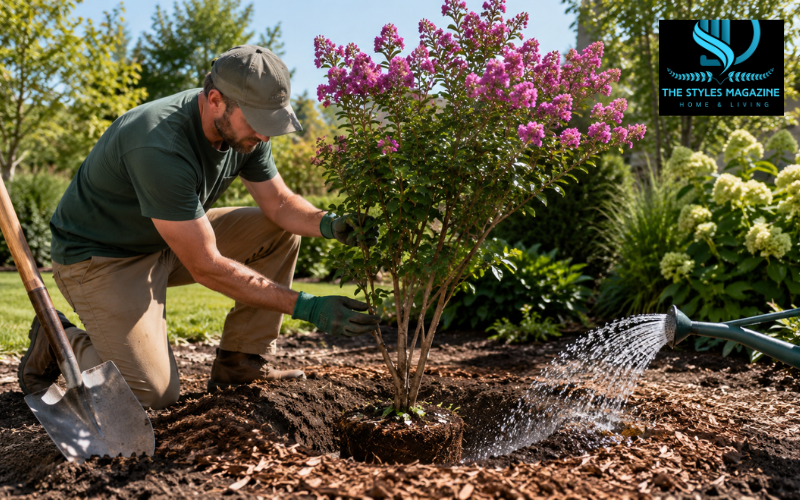
Preparing the planting hole correctly helps the roots spread into the surrounding soil. The hole should be about twice as wide as the root ball or container, but it should not be much deeper than the root ball itself. Width matters more than depth because new roots grow outward.
The top of the root ball should sit level with the surrounding ground. Planting too deep is one of the most common mistakes. If the trunk base is buried under soil, the roots may not get enough air, and the plant may struggle to establish properly.
If the soil around the planting area is hard or compacted, loosen it gently around the sides of the hole. This makes it easier for new roots to move outward. Do not create a deep, soft hole that causes the plant to sink later. The tree should sit firmly at the correct level.
It is usually best to backfill with the native soil you removed from the hole. Adding too much rich material only inside the hole can sometimes discourage roots from growing into the surrounding ground. The goal is to help the plant adjust to the actual soil where it will live.
Step-by-Step Guide to Plant Lagerstroemia
To plant Lagerstroemia, begin by watering the plant in its container before planting if the root ball feels dry. This helps reduce stress when you remove it from the pot. Gently slide the plant out of the container while supporting the root ball. Avoid pulling hard on the trunk.
Place the root ball in the center of the hole and check the height. The top of the root ball should match the soil level around it. If it is too low, lift the plant out and add some soil underneath. If it is too high, remove a little soil from the bottom of the hole.
Once the height is correct, backfill the hole with native soil. Press the soil gently as you fill, but do not pack it too tightly. Firm soil helps remove large air pockets, but overly compacted soil can make it harder for roots to grow.
After planting, water deeply. This settles the soil around the roots and gives the plant a strong start. Do not add fertilizer at planting time unless a soil test shows a clear need. Young roots are better supported by proper watering, good soil contact, and mulch rather than heavy feeding.
Watering Lagerstroemia After Planting
Watering is very important during the first growing season. Newly planted Lagerstroemia has not yet spread its roots into the surrounding soil, so it needs steady moisture while it becomes established. Deep watering is better than frequent light watering.
For the first season, water deeply two to three times a week during dry periods. The exact amount depends on your weather, soil type, and plant size. Sandy soil may dry faster, while clay soil may hold moisture longer. The goal is to keep the root area evenly moist, not soaked.
Signs that Lagerstroemia may need more water include drooping leaves, dry soil several inches below the surface, or dull-looking foliage during hot weather. However, too much water can also cause problems. If the soil stays wet and heavy for days, reduce watering and check drainage.
Once the plant is established, it usually needs less regular watering. Mature Lagerstroemia can handle some dry weather, but deep watering during long dry spells can help it stay healthy and flower better.
Mulching and Early Care
Mulch is helpful after you plant Lagerstroemia because it protects the soil and helps hold moisture. A layer of organic mulch about two to three inches deep is usually enough. Spread it over the root area, but keep it a few inches away from the trunk.
Mulch should never be piled against the trunk like a volcano. This can hold moisture against the bark and may lead to rot or pest problems. A flat, even ring of mulch is much healthier for the tree.
During the first year, keep the area around the plant free from weeds and grass. Weeds compete for water and nutrients, especially while the roots are still young. Check soil moisture regularly, especially in hot weather.
Early care should be simple. Water well, protect the root area, and allow the plant time to settle. Avoid heavy pruning right after planting. Remove only broken or damaged branches if needed.
Choosing the Right Lagerstroemia Type
Choosing the right type matters because Lagerstroemia comes in many sizes, colors, and forms. Lagerstroemia indica is the classic crepe myrtle species that many gardeners know. It is widely grown for its summer flowers, attractive bark, and garden-friendly size.
A Lagerstroemia hybrid may offer improved disease resistance, different flower colors, or stronger growth habits. Many modern garden varieties are hybrids, and they can be a good choice if you want a plant that performs well in a home landscape.
If color is your main goal, Lagerstroemia purple varieties can create a bold look in the garden. Purple and lavender-toned flowers stand out nicely against green leaves and can pair well with white, pink, or red flowering plants nearby.
Popular named varieties include Lagerstroemia Tuscarora and Lagerstroemia ‘Natchez’. These are known for their ornamental value, but they have different flower colors and growth habits. Before buying, always check the mature size and climate suitability so the plant fits your space.
Lagerstroemia Varieties Worth Knowing
Lagerstroemia indica is a common choice for classic crepe myrtle planting. It can be grown as a small tree or large shrub, depending on the variety and pruning style. It is valued for its colorful flowers and ability to bring summer interest to sunny areas.
Lagerstroemia ‘Natchez’ is known for white flowers and attractive peeling bark. It is often chosen when gardeners want a clean, elegant look. Its bark can become a beautiful feature as the tree matures, giving the landscape interest beyond the flowering season.
Lagerstroemia Tuscarora is admired for its coral-pink blooms. It can bring a warm, bright color to the garden and is often used as a focal point in sunny spaces. Like other types, it needs enough light and good airflow for the best performance.
Lagerstroemia subcostata is less common but still worth knowing. It is a species connected to the wider Lagerstroemia group and may interest gardeners who enjoy learning about different forms beyond the most popular landscape varieties.
The best variety for your garden depends on your space, climate, flower color preference, and whether you want a shrub-like form or a small tree shape.
Planting Lagerstroemia in Pots or Garden Beds
Lagerstroemia can be planted in the ground or grown in a container, depending on the variety and available space. Ground planting is usually best for larger types because the roots have more room to spread. A garden bed also gives the plant better long-term stability.
When planting in the ground, choose a sunny place with good drainage and enough space for the mature size. Avoid placing it too close to walls, roofs, or walkways unless you are using a smaller variety.
Container planting works best with compact or dwarf types. The pot should be large enough to support root growth and must have drainage holes. Without drainage, water can collect at the bottom and damage the roots.
Potted Lagerstroemia usually needs more frequent watering than one planted in the ground. Containers dry out faster, especially in full sun and warm weather. Check the soil often and water when the top layer begins to dry, but do not let the pot sit in standing water.
Common Mistakes to Avoid When Planting Lagerstroemia
One of the biggest mistakes is planting too deep. The top of the root ball should stay level with the surrounding soil. If the plant is buried too low, the trunk base can stay too wet, and root growth may suffer.
Another mistake is choosing too much shade. Lagerstroemia needs strong sunlight to bloom well. A shaded location may produce more leaves than flowers and may also increase disease problems.
Overwatering is also common, especially in poorly drained soil. New plants need moisture, but they do not need soggy ground. Deep, steady watering is better than keeping the soil wet every day.
Adding too much fertilizer too early can also cause trouble. It may encourage leafy growth instead of strong root development and flowering. Wait until the plant is established, and use fertilizer only when needed.
Mulch can help, but piling it against the trunk is harmful. Keep mulch pulled back from the base of the plant so the bark can stay dry and healthy.
Buying Healthy Crape Myrtle Trees for Sale
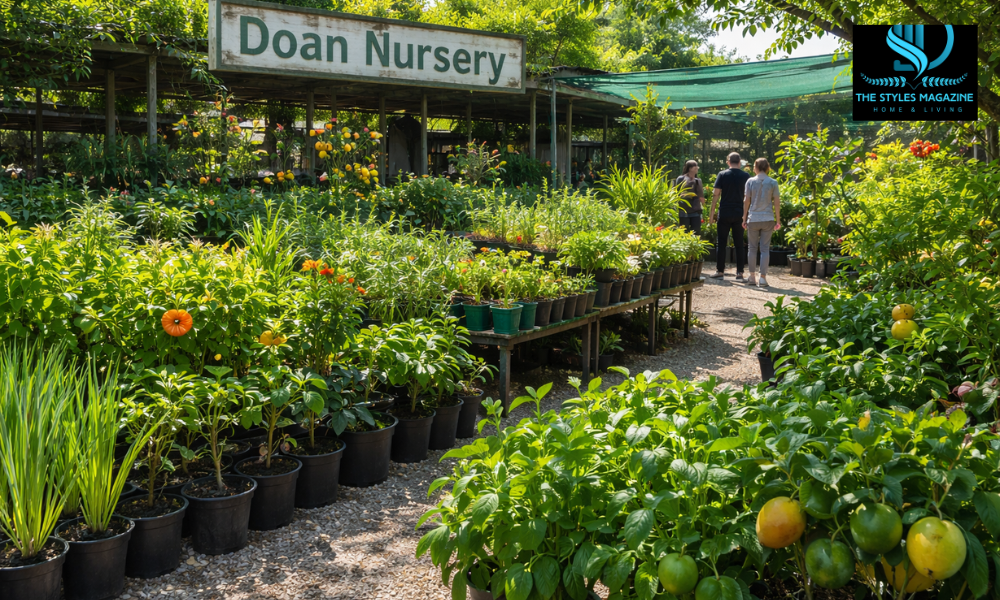
When looking at crape myrtle trees for sale, choose a plant that looks healthy from top to bottom. The leaves should look fresh, not badly wilted, spotted, or yellow. The stems should be firm, and the plant should have a balanced shape.
Check the root area if possible. A healthy root ball should hold together but should not be tightly wrapped in circling roots. If roots are circling heavily inside the pot, they may need gentle loosening before planting.
Also think about size before buying. A small garden may need a compact variety, while a larger landscape can handle a taller tree form. Do not choose a variety only because of flower color. Mature height, spread, and disease resistance are just as important.
Buying the right plant from the beginning makes planting easier and reduces future maintenance. A healthy Lagerstroemia planted in the right place has a much better chance of growing into a strong, attractive tree.
Conclusion
Learning how to plant Lagerstroemia correctly is the first step toward strong roots, bright flowers, and healthy long-term growth. The most important points are simple: choose a sunny location, use well-draining soil, plant at the right depth, water deeply after planting, and protect the root area with mulch.
Lagerstroemia, or Crepe Myrtle, can be a beautiful and reliable garden tree when its basic needs are met. Whether you choose Lagerstroemia indica, a Lagerstroemia hybrid, Lagerstroemia ‘Natchez’, Lagerstroemia Tuscarora, or another variety, the planting method matters.
With proper sunlight, drainage, watering, mulch, and early care, your Lagerstroemia can settle well and become a colorful feature in your garden for many seasons.
FAQs
When Is The Best Time To Plant Lagerstroemia?
The best time to plant Lagerstroemia is early spring or autumn. These seasons help the roots settle before strong summer heat or winter cold affects the plant.
Does Lagerstroemia Need Full Sun?
Yes, Lagerstroemia grows and flowers best in full sun. It should receive at least 6 hours of direct sunlight daily for stronger blooms and healthier growth.
What Soil Is Best For Planting Lagerstroemia?
Lagerstroemia prefers well-draining soil. It can grow in loamy, sandy, or clay soil, but the roots should not sit in wet or waterlogged ground.
Should I Fertilize Lagerstroemia When Planting?
It is better not to fertilize Lagerstroemia at planting time. Focus on correct planting depth, watering, and mulch first, then fertilize lightly next spring if needed.
Can Lagerstroemia Grow In A Pot?
Yes, smaller Lagerstroemia varieties can grow in pots. Choose a large container with drainage holes and water more often because potted soil dries faster.
Enjoyed it? Find more exclusive content on The Styles Magazine.
Disclaimer: This article is for general gardening information only. Plant growth can vary depending on climate, soil type, variety, and local conditions. For serious plant health problems or region-specific advice, consult a local nursery, horticulture expert, or extension service.