If you are new to gardening, the words annual and perennial can feel a little confusing at first. You may see them on plant labels, seed packets, or gardening guides, but the difference is actually very simple. The main difference between annual vs perennial plants is their lifespan.
Annual plants live for one growing season. They grow, flower, produce seeds, and die within the same year. Perennial plants live for more than two years. They may die back in winter, but their roots stay alive underground and the plant grows again when the right season returns.
Understanding annual vs perennial plants helps you make better choices for your garden. It can help you plan your flower beds, choose the right vegetables, control your gardening budget, and understand how much maintenance your plants may need. It also helps you know when to expect flowers, how often you need to replant, and which plants will come back on their own year after year.
For beginners, this difference can save time, money, and frustration. If you want quick color, annuals may be the right choice. If you want long-term garden structure, perennials can be a smarter option. Many beautiful gardens use both.
Quick Guide Table: Annual vs Perennial
| Feature | Annual Plants | Perennial Plants |
| Lifespan | Live for one growing season | Live for two or more years |
| Bloom Time | Often bloom for a long season | Usually bloom for a shorter period |
| Growth Speed | Grow fast and give quick results | Grow slower but become stronger over time |
| Replanting | Need to be replanted each year | Return from the same roots each year |
| Best For | Fast color, pots, borders, seasonal displays | Long-term garden structure and lower yearly planting |
| Cost | Cheaper at first, but repeated yearly | More expensive at first, but better long-term value |
Annual vs Perennial Plants: The Core Difference
The simplest way to understand annual vs perennial plants is to look at how long they live. Annual plants complete their full life cycle in one growing season. This means they start from seed, grow leaves and stems, produce flowers or fruit, make seeds, and then die. Once the season ends, the plant does not come back from the same roots.
Perennial plants are different. They live for multiple years. In many climates, the top part of the plant may turn brown or disappear during winter, but the roots remain alive. When spring arrives, the plant begins growing again from the same root system. Over time, many perennials become larger, stronger, and more established.
This life cycle affects how each plant grows. Annuals usually grow fast because they have only one season to complete everything. They often bloom for a long time and produce bright color quickly. Perennials usually grow more slowly in the beginning because they are building a strong root system. Their flowers may not last as long as annuals, but they return year after year with less replanting.
Quick Comparison: Annuals and Perennials Side by Side
A simple comparison makes the annual vs perennial difference easier to understand. Annuals are best known for fast growth and long seasonal color. Perennials are known for returning every year and becoming a lasting part of the garden.
| Feature | Annuals | Perennials |
| Lifespan | One growing season | Two or more years |
| Blooming period | Often bloom for a long time | Usually bloom for a shorter period |
| Growth speed | Fast-growing | Slower to establish |
| Replanting needs | Usually replanted every year | Return from the same roots |
| Maintenance level | Often need more regular care | Usually easier once established |
| Long-term cost | Lower cost at first, but repeated yearly | Higher first cost, but better long-term value |
This does not mean one is better than the other. Annuals and perennials simply serve different purposes. Annuals are helpful when you want instant color and quick results. Perennials are helpful when you want a garden that comes back naturally and improves over time.
How Annual Plants Grow and Bloom
Annual plants are full-season performers. Because they only live for one growing season, they put most of their energy into fast growth, flowers, fruit, and seeds. This is why many annual flowers bloom heavily from spring or early summer until frost, especially when they receive enough sunlight, water, and nutrients.
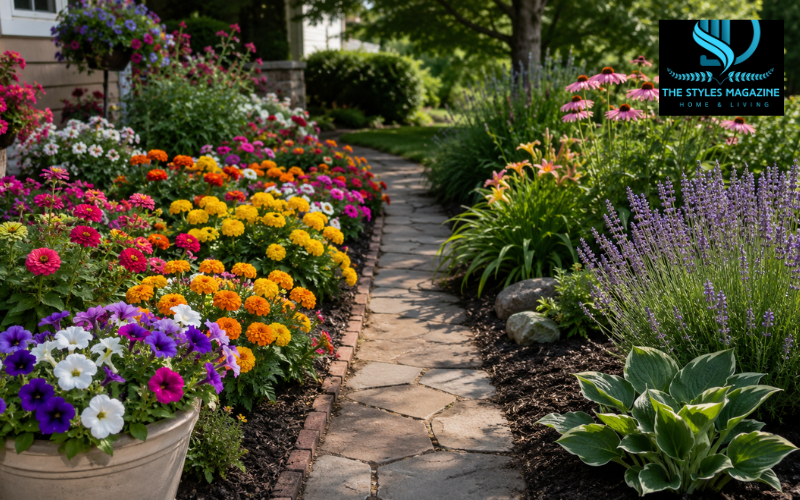
Many gardeners love annuals because they create quick beauty. If you plant annual flowers in containers, borders, hanging baskets, or window boxes, you can often enjoy color within a short time. They are also useful for filling empty spaces in flower beds while slower-growing perennials are still getting established.
Common annual flowers include marigolds, zinnias, petunias, cosmos, and sunflowers. These plants are popular because they are easy to grow and bring strong seasonal color. Some annuals are grown from seeds, while others are bought as small plants from garden centers.
Annuals are also common in vegetable gardens. Tomatoes, peppers, beans, cucumbers, corn, and watermelons are usually grown as annual crops in many home gardens. Even if some of these plants can survive longer in warm climates, most gardeners plant them each year for a fresh growing season.
The main downside is that annuals usually need to be replaced every year. They may also need regular watering, feeding, and deadheading to keep them looking their best.
How Perennial Plants Return Year After Year
Perennial plants are the long-term members of the garden. Instead of completing their life cycle in one season, they survive for several years. In cold climates, many perennials die back to the ground during winter. This can make them look dead, but their roots are still alive below the soil.
When warmer weather returns, the plant begins to grow again. This is one of the biggest benefits of perennials. You do not need to replant them every year if they are healthy and suited to your climate. Once established, many perennials need less care than annuals.
Perennials often spend their first year building roots. This means they may not look very impressive at first. In the second and third year, they usually become fuller and stronger. This is why gardeners often say perennials “sleep, creep, then leap.” In simple terms, they may grow slowly at first, then become much more noticeable after a few seasons.
Examples of popular perennial plants include peonies, lavender, coneflowers, hostas, daylilies, black-eyed Susans, and ornamental grasses. These plants can add structure, texture, and dependable beauty to garden beds.
The main thing to remember is that most perennials do not bloom all season. Many bloom for a few weeks, then stay green for the rest of the season. To keep a garden colorful, gardeners often choose different perennials that bloom at different times.
Annual vs Perennial Flowers
When comparing annual vs perennial flowers, the biggest difference is how they provide color. Annual flowers usually give strong, steady color for a single season. They are often chosen for flower beds, pots, and borders where gardeners want bright blooms for many weeks or months.
Marigolds, petunias, impatiens, zinnias, and begonias are good examples of annual flowers. They are popular because they fill space quickly and keep blooming with regular care. If you like changing your garden style every year, annual flowers give you more flexibility. You can try new colors, shapes, and designs each season.
Perennial flowers offer a different kind of value. They may bloom for a shorter time, but they return year after year. Lavender, coneflowers, peonies, daylilies, and salvia are common perennial flowers. They help create a stable garden design because you can count on them coming back in the right conditions.
A smart garden often includes both annual and perennial flowers. Perennials provide the base and structure, while annuals fill gaps and add season-long color. This mix gives the garden beauty, balance, and variety.
Annual vs Perennial Examples
Examples make the annual vs perennial difference much easier to remember. Annual plants are the ones you usually plant for one season of flowers, vegetables, or fruit. They grow quickly, complete their cycle, and then die when the season ends.
Common annual examples include marigolds, zinnias, petunias, cosmos, sunflowers, basil, tomatoes, peppers, beans, and watermelons. These plants are often loved by beginners because they give quick results and are easy to understand.
Common perennial examples include lavender, peonies, hostas, daylilies, coneflowers, rosemary, mint, asparagus, rhubarb, and many fruit trees. These plants live for several years and return when growing conditions are right.
It is important to remember that plant behavior can depend on climate. A plant listed as perennial in one region may be grown as an annual in another. This is especially common with tender plants that cannot survive freezing winters.
Annual vs Perennial Crops and Vegetables
The annual vs perennial difference is not only about flowers. It also matters in food gardens. Many common vegetables are grown as annual crops because they complete their useful harvest in one growing season. After harvest or frost, gardeners usually remove the plants and start again the next year.
Tomatoes, peppers, beans, peas, cucumbers, lettuce, corn, pumpkins, and watermelons are common annual crops. These plants are planted, grown, harvested, and replaced each season. This yearly planting gives gardeners control over crop rotation, soil preparation, and seasonal planning.
Perennial crops and vegetables are different because they can produce food for multiple years. Asparagus is a well-known perennial vegetable. Rhubarb is another common example. Herbs like mint, rosemary, thyme, and oregano can also grow as perennials in suitable climates. Fruit trees and berry bushes are also perennial food plants because they live and produce for many years.
Perennial vegetables and crops can be a great long-term investment. They may take longer to establish, but once they are healthy, they can provide harvests for many seasons. The key is choosing plants that match your local climate and available space.
Annual vs Perennial vs Biennial
Another useful term to know is biennial. When comparing annual vs perennial vs biennial plants, biennials sit in the middle. Annuals live for one growing season. Perennials live for multiple years. Biennials complete their life cycle in two years.
In the first year, a biennial plant usually grows leaves, stems, and roots. It does not usually produce its main flowers during this first year. It then rests through winter. In the second year, it flowers, produces seeds, and dies.
Common biennial examples include foxgloves, forget-me-nots, hollyhocks, parsley, and money plants. Some vegetables, such as carrots and onions, are naturally biennial, but gardeners often harvest them in the first year before they flower.
Understanding biennials helps prevent confusion. Sometimes a plant may not flower the first year, and a beginner may think something went wrong. In reality, the plant may simply be following a two-year life cycle.
Annual vs Perennial Weeds
The annual vs perennial idea also applies to weeds. Annual weeds grow, produce seeds, and die in one season. Because they rely on seeds to return, they are often easier to control if removed before they set seed.
Examples of annual weeds can include crabgrass and chickweed, depending on the region. These weeds can spread quickly, but pulling or cutting them early can reduce future problems. The main goal is to stop them from producing and dropping seeds.
Perennial weeds are usually harder to manage because they can return from roots, rhizomes, bulbs, or other underground parts. If you only cut the top growth, the plant may grow back again. Dandelions, bindweed, nutsedge, and some grasses can behave as perennial weeds.
To control perennial weeds, gardeners often need to remove as much of the root system as possible. Regular monitoring is also important because small leftover root pieces may regrow. This is why knowing whether a weed is annual or perennial can help you choose the right control method.
Climate Can Change How a Plant Behaves
One important part of annual vs perennial gardening is climate. A plant’s label does not always tell the full story for every location. Some plants are naturally perennials in warm areas but are grown as annuals in colder places because they cannot survive freezing weather.
These plants are often called tender perennials. Lantana, geraniums, peppers, and some types of begonias can live for more than one year in warm, frost-free climates. In colder regions, frost kills them, so gardeners treat them as annuals and replant them each year.
This is why local climate matters so much. Before buying perennials, it is helpful to check whether they can survive your winter. Gardeners often use hardiness zones as a guide, but local conditions also matter. Wind, soil drainage, snow cover, and sudden temperature changes can all affect plant survival.
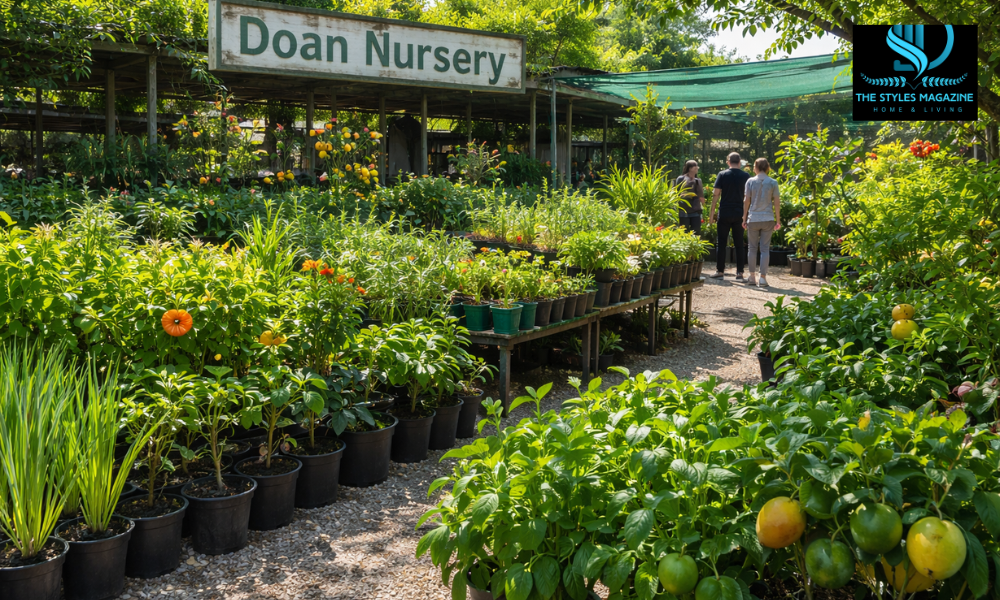
If you are unsure, choose plants that are known to perform well in your area. Local nurseries, garden centers, and nearby gardeners can often provide practical advice.
Which One Should You Plant in Your Garden?
Choosing between annuals and perennials depends on what you want from your garden. If you want fast results, bright color, and seasonal variety, annuals are a great choice. They work well in pots, hanging baskets, borders, and empty spaces where you want quick impact.
If you want a garden that returns year after year, perennials are usually the better long-term choice. They help build a more permanent garden design and can reduce yearly replanting work. Once established, many perennials need less attention than annuals.
For most home gardens, the best answer is not annuals or perennials. It is both. Perennials can form the foundation of the garden, while annuals can add fresh color and fill seasonal gaps. This combination gives you beauty now and value later.
Think about your goals before planting. If you enjoy changing colors every season, use more annuals. If you want a lower-maintenance garden over time, plant more perennials. If you want a balanced garden, mix them together.
Common Mistakes When Choosing Annuals and Perennials
One common mistake is choosing only annuals and then feeling tired of replanting every year. Annuals are beautiful, but a garden made only of annuals can become expensive and time-consuming over time. Adding perennials can help create a more stable garden.
Another mistake is expecting perennials to bloom all season like annuals. Most perennial flowers bloom during a specific window. Some bloom in spring, some in summer, and some in fall. If you want continuous color, you need to plan different bloom times or add annuals between perennials.
Many beginners also ignore climate and winter hardiness. A plant may be called a perennial, but that does not mean it will survive every winter in every place. Choosing the wrong plant for your climate can lead to disappointment.
Another mistake is planting without thinking about mature size. Perennials may look small when you buy them, but many spread and grow larger over time. Giving them enough space helps them stay healthy and prevents overcrowding later.
Conclusion: Annual vs Perennial Made Simple
The difference between annual vs perennial plants is simple once you understand the life cycle. Annuals live for one growing season. They grow quickly, bloom heavily, produce seeds, and die. Perennials live for multiple years and return from the same root system when conditions are right.
Annuals are perfect when you want quick color, fast growth, and seasonal change. They are useful in containers, flower beds, borders, and vegetable gardens. Perennials are better for long-term value, garden structure, and plants that return year after year.
There is no single best choice for every garden. The right option depends on your climate, budget, maintenance preference, and garden goals. If you want the best of both worlds, use annuals for instant beauty and perennials for lasting strength. Once you understand annual vs perennial plants, planning a healthy and beautiful garden becomes much easier.
FAQs
What Is The Main Difference Between Annual And Perennial Plants?
The main difference is lifespan. Annual plants live for one growing season, while perennial plants live for several years and usually grow back from the same root system each spring.
Are Annual Or Perennial Flowers Better?
Neither is always better. Annual flowers give fast, long-lasting seasonal color, while perennial flowers return every year and create long-term beauty. Many gardens look best with both.
Do Perennials Come Back Every Year?
Yes, most perennials come back every year if they are healthy and suited to your climate. In cold areas, the top may die back, but the roots usually survive.
Are Tomatoes Annual Or Perennial?
Tomatoes are usually grown as annual crops in most home gardens. In warm, frost-free climates, they may live longer, but gardeners commonly replant them every season.
What Are Biennials In Gardening?
Biennials are plants that complete their life cycle in two years. They usually grow leaves the first year, then flower, make seeds, and die in the second year.
Enjoyed it? Find more exclusive content on The Styles Magazine.
Disclaimer: This article is for general gardening information only. Plant performance can vary based on climate, soil, sunlight, watering, and local growing conditions. Always check your local hardiness zone or ask a trusted local nursery before choosing plants for your garden.