Paint colors get all the attention. Furniture layout gets a Pinterest board. But texture? It usually gets a shrug and an afterthought. Honestly, that’s one of the biggest mistakes you can make when designing a space.
Interior design texture does something no color swatch or sofa arrangement can replicate-it shapes how a room feels, not just how it looks. Walk into a well-textured space and something clicks. You can’t always name it, but you feel it immediately. Get texture wrong, though, and even a $10,000 sofa will sit there looking uninspired.
Here’s a number worth sitting with: a 2024 study published in Frontiers in Built Environment found that rooms with semi-rough wall finishes were consistently perceived as more spacious than those with smooth or rough finishes. One surface choice. Massive perceptual difference. That’s the kind of leverage texture gives you.
Texture isn’t a finishing touch. It’s a design force. Let’s dig into why.
Designer-Approved Tips for Using Texture in Your Home
How to use texture in interior design well really comes down to starting with intention, then building outward layer by layer.
Anchor the Room First
The most practical advice? Begin with a foundational piece and build from there. Thoughtfully selected rugs for living room spaces carry enormous influence over a room’s overall feel-a plush shag creates casual warmth, while a flat-weave wool reads clean and contemporary. Once that foundation is set, every other element-pillows, throws, wall treatments-has something to respond to.
Go Beyond Paint on Your Walls
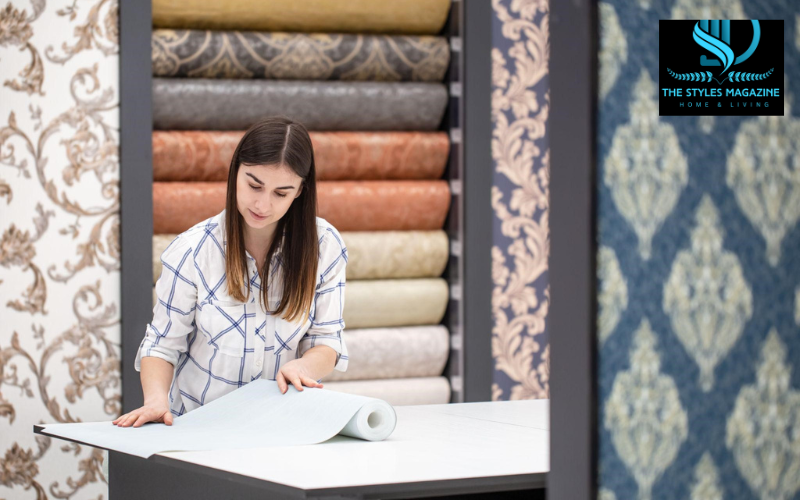
Right now, lime wash, shiplap, 3D wall tiles, and grasscloth wallpaper are all having a serious moment. Used as accent walls or behind a sofa, they create focal points without overwhelming the entire room. Even one textured wall changes the energy of a space dramatically.
Let Small Accessories Do Heavy Lifting
Woven baskets, rattan trays, ceramic vases, glass objects-these carry more textural weight than you’d expect. They layer different surface qualities into a room cheaply and effortlessly. Don’t underestimate them.
The Overlooked Hero-why Texture Actually Deserves Center Stage
The importance of texture in interior design goes way beyond the visual. Research keeps circling back to the same conclusion: texture directly shapes our emotional state.
As the Interface Design Trend Index puts it, “The feel of soft and gentle textures is associated with pleasantness, while rough textures are correlated with unpleasantness”. That’s not abstract theory. That’s actionable information you can use this weekend.
Visual Vs. Tactile-both Are Non-Negotiable
Visual texture is how a surface appears-a matte linen pillow, a glossy ceramic bowl. Tactile texture is what you actually feel when you run your hand across something. Good rooms account for both. The result is a layered sensory experience that no photo ever quite captures.
Texture Communicates What Color Alone Can’t
Think of it this way-color sets the mood, but texture adds the personality. Without it, even a beautifully colored room ends up feeling hollow. One-dimensional. Like a staged showroom nobody actually lives in.
The Main Types of Texture in Home Decor-what You’re Actually Working With
Texture in home decor shows up in far more forms than most people stop to count. Once you know the categories, you stop making accidental choices and start making intentional ones.
Your Five Core Texture Categories
- Soft textures: rugs, throws, velvet cushions, boucle fabric
- Hard textures: wood, brick, stone, concrete
- Natural textures: jute, linen, bamboo, live plants
- Shiny and reflective: metals, glass, mirrors
- Matte and subtle: raw cotton, matte paint, unfinished plaster
What’s Trending Right Now
Boucle fabric is everywhere-and it’s not slowing down. Terrazzo made a full comeback. And textured wallpaper? It reportedly experienced a staggering 5,000% increase in market adoption compared to the previous year. That stat still surprises me every time I read it.
Strategic Benefits: How Texture Actually Shapes a Room’s Personality
Knowing what textures exist is only half the job. Layering them intentionally is where things get interesting.
Depth Over Flatness-every Time
A room with smooth walls, smooth floors, and smooth upholstery feels clinical. Forgettable. Try smooth walls combined with a chunky knit throw and a patterned area rug. Suddenly there’s movement, warmth, and dimension-without touching a single paint can.
Contrast is Your Best Friend
Rough against smooth. Soft against hard. Shiny against matte. These pairings work because contrast creates visual interest. The balancing act matters, though-too many competing textures produce chaos, while too few leave a room feeling flat and lifeless.
Maintaining Texture Over Time-because Great Choices Deserve to Last
Know Your Materials, Know Your Maintenance
High-pile rugs need more frequent vacuuming than flat-weave styles. Stone surfaces require sealing. Boucle fabric is spot-clean only-be gentle. When you know what you’re working with, maintenance stops feeling like a burden.
Seasonal Swaps Keep Things Fresh
Swap heavy wool throws for breezy linen ones come summer. Trade warm, plush rugs for lighter natural fiber options in warmer months. Small, low-cost changes that keep a room feeling alive all year.
Texture and Color Together-the Combination Most People Miss
Interior home design tips often treat color and texture as separate conversations. They shouldn’t be.
Cool tones-grays, soft blues-pair beautifully with plush, soft textures for a calm, spa-like atmosphere. Warm neutrals-creams, tans, terracottas-feel most natural alongside organic materials like jute, linen, and raw wood. Plan them together, and the result feels cohesive rather than assembled.
Bottom Line: Texture is What Separates a Good Room From a Great One
Mastering the importance of texture in interior design lifts a space from “decorated” to genuinely designed. Texture says things color simply can’t. It adds warmth, depth, character, and the kind of comfort that makes people linger longer than they planned to.
Start small-add two or three new textures this month and see what shifts. The best rooms aren’t just rooms that photograph well. They’re rooms that feel right the moment you step inside.
Your Texture Questions, Answered
How Do I Mix Textures Without Creating Visual Chaos?
Cap it at three or four textures per room. Repeat materials across different pieces-jute in a rug and a basket, for instance-to build cohesion without uniformity.
What Are The Cheapest Ways To Add Texture On A Budget?
Throw pillows, woven baskets, and textured throws deliver a lot of impact for very little money. Swapping a flat rug for a higher-pile option also makes a dramatic difference.
Can Texture Make Small Rooms Feel Bigger?
Yes. Semi-rough wall finishes and lighter natural textures open a space up visually. Avoid heavy, dark textures that absorb light and make rooms feel smaller.
How do I care for Rugs For living Room areas properly?
Vacuum regularly against the pile direction, use manufacturer-recommended spot cleaners, and occasionally dry brush textured walls to lift dust buildup.
Enjoyed it? Find more exclusive content on The Styles Magazine.