Landscape fabric is a ground-cover material used in gardens, gravel areas, pathways, and other outdoor spaces to reduce weed growth and help keep the soil more stable. It is usually made from woven or bonded synthetic fibers and is placed over the soil before adding mulch, gravel, stone, or other covering material.
Many homeowners use landscape fabric because they want a cleaner, lower-maintenance yard. It can block sunlight from reaching weed seeds in the soil, which makes it harder for many weeds to grow. It can also help keep gravel from mixing into the soil, reduce soil movement on slopes, and slow moisture loss in some planting areas.
However, landscape fabric is not a perfect solution for every garden. It can work very well in gravel paths, under stone, behind retaining walls, or in low-maintenance areas. But in vegetable beds, annual flower beds, and areas where plants need frequent dividing or replanting, it can become more of a problem than a help.
The key is not just using landscape fabric, but using the right type in the right place. A heavy duty landscape fabric for gravel is different from a lighter fabric used in a garden bed. Some fabrics are stronger, some drain better, and some are easier to cut and install. Before buying, it is important to understand where it helps, where it fails, and how to install it correctly.
Quick Guide Table: Landscape Fabric Uses
| Use Area | Best Fabric Type | Why It Helps |
| Gravel paths | Heavy duty woven fabric | Stops gravel from sinking into soil and reduces weed growth |
| Garden beds | Breathable woven or non-woven fabric | Helps control weeds around permanent plants |
| Retaining walls | Non-woven fabric | Allows drainage while keeping soil from washing out |
| Under decks | Heavy duty fabric | Blocks weeds in low-access areas |
| Vegetable gardens | Usually not recommended | Frequent digging and planting can tear the fabric |
What Landscape Fabric Is and How It Works
Landscape fabric works as a physical barrier between the soil and the surface covering above it. When it is installed over cleared and leveled soil, it blocks sunlight from reaching many weed seeds below the fabric. Since most weed seeds need light to sprout strongly, this can reduce weed growth and make the area easier to maintain.
Good-quality landscape fabric is not the same as solid plastic sheeting. It is usually designed to let water, air, and some nutrients pass through. This is important because soil still needs moisture and oxygen, especially if plants are growing nearby. If the fabric does not allow enough water through, the soil can become too dry or unhealthy.
It is also important to understand that landscape fabric controls weeds, but it does not remove weeds forever. Weed seeds can still land on top of mulch or gravel. Over time, dust, leaves, and broken-down mulch may collect above the fabric and create a thin layer where new weeds can grow. This is why even the best landscape fabric still needs some maintenance.
Best Places to Use Landscape Fabric
Landscape fabric is most useful in areas where you do not plan to dig, replant, or disturb the soil often. One of the best uses is under gravel pathways and stone areas. In these spaces, the fabric helps separate the gravel from the soil underneath. This can keep the surface cleaner and help prevent stones from sinking into soft ground.
It can also work well under decks, patios, and walkways where the main goal is to stop weeds from growing through gaps. In these areas, the fabric is not usually disturbed once installed, so it can continue doing its job for a longer time.
Another good use is behind retaining walls. In this case, landscape fabric helps separate soil from drainage stone while still allowing water to move through. This can reduce soil washout and help the wall area drain better.
Landscape fabric may also be useful around low-maintenance ornamental beds, especially where shrubs or permanent plants are already in place. Even then, it should be used carefully because plant roots, mulch breakdown, and future maintenance can create issues over time.
When Landscape Fabric Is Not a Good Choice
Landscape fabric is not always the best option for vegetable gardens. Vegetable beds are usually planted, harvested, amended, and dug many times during the year. Cutting holes in fabric again and again can make the bed messy and difficult to manage. It can also get in the way when adding compost or improving the soil.
Annual flower beds can have the same problem. Since annual plants are replaced every season, fabric can make planting more difficult. Each new planting may require more cuts, and over time the fabric may tear or lose its purpose.
Landscape fabric can also cause trouble around spreading plants or heavy-rooting shrubs. Some plant roots may grow into the fabric, making future removal difficult. If you pull the fabric later, you may damage the root system.
Poorly drained soil is another area where caution is needed. If the fabric becomes clogged with soil particles or broken-down mulch, water may not pass through as easily. This can create soggy spots in some areas and dry spots in others. Before using landscape fabric, always think about drainage, plant needs, and how often the area will change.
Main Types of Landscape Fabric
There are three common types of landscape fabric: woven, non-woven, and spunbond. Each one has a different purpose, and choosing the wrong type can lead to poor results.
Woven landscape fabric is made from tightly woven strips, often polypropylene. It is strong and commonly used for weed control under gravel, pathways, and landscape beds. Because it is durable, it is often chosen for heavier projects. However, some woven fabrics may not let water through as easily as other types, so drainage should be checked before installation.
Non-woven landscape fabric is made from bonded fibers rather than woven strips. It often allows better water movement and is commonly used for drainage projects, retaining walls, and under stone where separation is important. It may not always be the best choice for planting beds, but it can be very useful where drainage and soil separation matter.
Spunbond fabric is usually lighter and more breathable. It can be used for short-term weed control, garden protection, or certain landscaping jobs where a lighter barrier is enough. It is not usually the best choice for heavy gravel or high-traffic areas.
Heavy Duty Landscape Fabric for Gravel
Gravel areas often need stronger fabric because they carry more weight and pressure than a simple mulch bed. A heavy duty landscape fabric for gravel helps create a stable layer between the soil and the gravel. Without that layer, gravel can slowly sink into the ground, especially in soft or wet soil.
Heavy duty landscape fabric is commonly used under driveways, walkways, rock beds, and drainage areas. It helps keep the gravel layer cleaner and more even. In areas with foot traffic or light vehicle use, stronger fabric can reduce shifting and help the surface last longer.
When choosing fabric for gravel, thickness and strength matter. Many buyers look at fabric weight, tear resistance, roll size, and whether the material allows water to drain through. A strong fabric that does not drain well can still cause problems, so durability and permeability should be considered together.
For gravel projects, it is better to choose fabric designed for ground cover, underlayment, or driveway-style use rather than a thin garden fabric. The goal is not only weed control, but also separation and support.
Landscape Fabric for Garden Beds
Landscape fabric for garden beds can be helpful in certain situations, but it should be used with care. It works best in beds with permanent or slow-changing plants, such as some shrubs or ornamental plants. In these areas, the fabric can reduce weeds and keep the bed looking cleaner with less frequent pulling.
However, garden beds are living spaces. Soil improves when organic matter breaks down into it. If landscape fabric is placed between the soil and organic mulch, some of that natural process can slow down. Over time, mulch may break down on top of the fabric instead of mixing into the soil. This can create a thin weed-growing layer above the fabric.
Fabric can also make it harder to move plants, divide perennials, or add compost. If you enjoy changing your garden often, landscape fabric may feel restrictive. For this reason, many gardeners prefer mulch alone, cardboard under mulch, or regular hand weeding in active planting beds.
Even when fabric is used in garden beds, mulch is still important. A layer of mulch protects the fabric from sunlight, improves the appearance, and helps hold it in place. Exposed fabric can break down faster and look unattractive.
Landscape Fabric vs Mulch Alone
Landscape fabric and mulch both help with weed control, but they work in different ways. Landscape fabric blocks sunlight at the soil level, while mulch blocks light from above and helps protect the soil surface. When used together, they can reduce weeds at first, especially in low-maintenance areas.
Mulch alone has a major advantage in garden beds because it improves soil as it breaks down. Wood chips, shredded bark, leaves, and other organic mulches can add organic matter over time. This supports better soil structure and helps keep the ground cooler and more moist.
Landscape fabric does not feed the soil. It may reduce weeds for a time, but it can also make soil care more difficult. If mulch breaks down on top of it, weeds may start growing above the fabric anyway.
For gravel paths, stone beds, and hardscape areas, landscape fabric is often more useful than mulch alone. For vegetable gardens, annual beds, and soil-focused planting areas, mulch alone is often easier to manage in the long run.
How to Choose the Right Landscape Fabric
The best landscape fabric depends on your project. For gravel paths, driveways, and rock areas, choose a strong woven or heavy duty fabric that can handle pressure and resist tearing. For drainage work or retaining walls, look for fabric that allows water to pass through while keeping soil separated from stone.
Water permeability is one of the most important things to check. If water cannot move through the fabric well, plants may suffer and drainage problems may appear. A simple way to think about it is this: the fabric should block light, not block the life of the soil.
UV resistance is also important, especially if the fabric may be exposed during installation or in thinly covered areas. Sunlight can weaken many fabrics over time. Tear strength matters too, especially when installing around rocks, roots, slopes, or sharp edges.
You should also decide whether the project is permanent or temporary. A permanent gravel path may need heavy duty landscape fabric. A garden bed that changes every season may not need fabric at all.
Where People Compare Landscape Fabric Before Buying
Many people compare landscape fabric at major stores before choosing a roll. On landscape fabric Lowe’s pages, shoppers often look at roll size, fabric weight, ease of cutting, and whether the fabric is suitable for gardens, walkways, or driveways.
When comparing Home Depot landscape fabric options, buyers often check durability, coverage area, weed-control claims, and whether staples or pins are needed. These details matter because a large roll may look like a good value, but it still needs to match the project.
Landscape fabric Walmart listings often include a wide mix of budget-friendly rolls, heavy duty options, pins, and garden weed barriers. Landscape fabric Amazon listings usually offer many sizes, brands, and customer reviews, which can be useful for comparing real user experiences.
Some people also search landscape fabric Reddit discussions before buying. Reddit can be helpful because users often share long-term results, mistakes, and honest opinions. However, personal experiences can vary by climate, soil type, installation quality, and project type, so it is best to use those discussions as extra guidance, not as the only source of advice.
How to Install Landscape Fabric Properly
Correct installation makes a big difference. Start by clearing the area completely. Remove weeds, grass, roots, rocks, sharp debris, and anything that could lift or tear the fabric. Landscape fabric should not be placed over active weeds and expected to solve everything.
Next, level the soil. A smooth surface helps the fabric sit flat and reduces gaps where weeds may find light. If the area has drainage issues, fix them before laying the fabric.
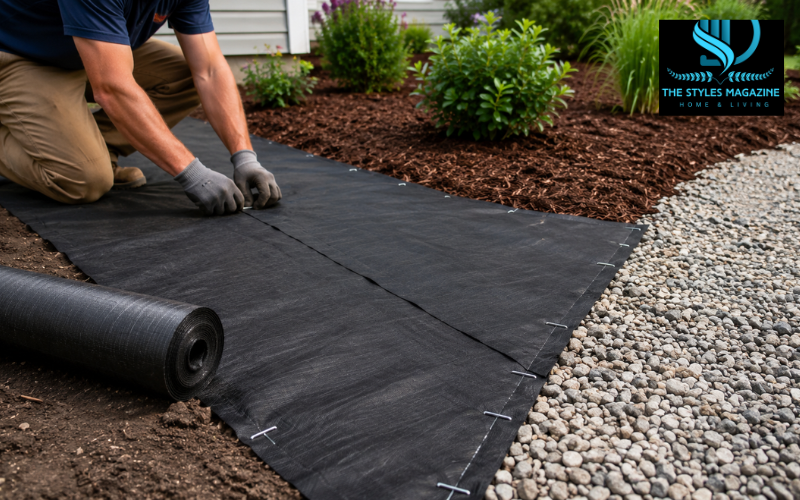
Roll out the fabric over the prepared soil and keep it as smooth as possible. If you need more than one piece, overlap the edges by several inches so weeds cannot easily push through the seams. Secure the fabric with landscape staples or pins, especially along edges, corners, and overlaps.
If you are planting through the fabric, cut small X-shaped or round openings only where needed. Avoid large holes because they give weeds more space to grow. After the fabric is in place, cover it with mulch, gravel, or stone. This protects the material from sunlight, holds it down, and gives the area a finished look.
Common Landscape Fabric Mistakes to Avoid
One common mistake is installing landscape fabric over existing weeds. Strong weeds may keep growing, and uneven ground can leave gaps under the fabric. Always clear the area first.
Another mistake is using the wrong type of fabric. Thin fabric under gravel may tear quickly, while very heavy fabric in a planting bed may reduce water movement or make gardening harder.
Leaving fabric exposed to sunlight is also a problem. Sun can weaken the material and shorten its life. Fabric should usually be covered with mulch, gravel, or stone soon after installation.
Cutting too many large plant holes can reduce the fabric’s weed-control value. Each opening is a place where weeds can grow. Skipping overlaps and staples is another issue because loose fabric can shift, wrinkle, or expose soil.
How Long Landscape Fabric Lasts
The lifespan of landscape fabric depends on the material quality, thickness, sunlight exposure, traffic, soil conditions, and installation. A light fabric may last only a short time in a busy area, while a heavy duty landscape fabric under gravel may last much longer when properly covered and secured.
Sunlight is one of the biggest reasons fabric breaks down. Foot traffic, sharp stones, poor drainage, and soil movement can also shorten its life. In garden beds, roots and repeated cutting can damage the fabric over time.
Signs that landscape fabric needs repair or replacement include visible tears, weeds coming through seams, fabric lifting above the surface, poor drainage, or mulch and soil building up on top. Sometimes the fabric itself is still intact, but the area above it has collected enough organic matter for weeds to grow.
It is important to remember that “permanent” does not mean maintenance-free. Landscape fabric can reduce work, but it does not remove the need for cleaning, refreshing mulch or gravel, pulling surface weeds, and checking for damage.
Conclusion
Landscape fabric can be a helpful tool when it is used in the right place. It is especially useful under gravel, stone pathways, decks, patios, and retaining walls where the soil will not be disturbed often. In these areas, it can reduce weeds, separate materials, and help keep the surface more stable.
At the same time, landscape fabric is not the best choice for every garden. In vegetable beds, annual flower beds, and areas with frequent planting, it can make soil care and maintenance harder. It may also create problems around spreading plants or heavy-rooting shrubs if it becomes tangled with roots.
The best results come from matching the fabric to the project. Think about your garden type, soil, drainage, plant needs, and how much you may want to change the area later. When chosen carefully and installed properly, landscape fabric can make some outdoor spaces cleaner and easier to manage. When used in the wrong place, it can create extra work instead of solving it.
FAQs About Landscape Fabric
Is Landscape Fabric Good For Weed Control?
Yes, landscape fabric can reduce weed growth by blocking sunlight from the soil. However, it does not stop weeds forever because seeds can still grow in mulch or debris above the fabric.
Can I Use Landscape Fabric In A Vegetable Garden?
Landscape fabric is usually not the best choice for vegetable gardens. These beds need frequent digging, planting, and composting, which can tear the fabric and make soil care harder.
What Is The Best Landscape Fabric For Gravel?
Heavy duty woven landscape fabric is usually best for gravel areas. It helps keep gravel from sinking into the soil while reducing weeds in paths, driveways, and rock beds.
Should Landscape Fabric Go Under Mulch?
Yes, landscape fabric can go under mulch in low-maintenance beds. The mulch protects the fabric from sunlight, improves appearance, and helps keep the fabric secure.
How Long Does Landscape Fabric Last?
Landscape fabric lifespan depends on quality, sunlight exposure, soil conditions, and foot traffic. Heavy duty fabric covered with gravel or mulch usually lasts longer than thin exposed fabric.
Enjoyed it? Find more exclusive content on The Styles Magazine.
Disclaimer: This article is for general gardening and landscaping information only. Results may vary depending on soil type, climate, drainage, plant choice, fabric quality, and installation method. Always follow product instructions and consider local garden conditions before using landscape fabric.