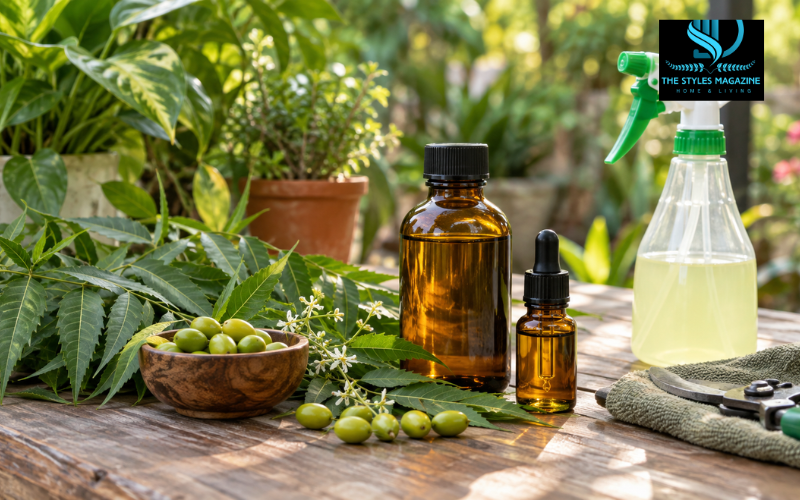
Neem oil is a plant-based oil made mainly from the seeds of the neem tree, Azadirachta indica. It is usually yellow to brown and has a strong smell often compared with garlic or sulfur. Its best-known use is in gardening, where neem-based products help manage certain insects and plant diseases. Neem ingredients also appear in some soaps, creams, shampoos, and pet-care products.
The important point is that “neem oil” does not describe one identical product. A cold-pressed oil, clarified hydrophobic extract, cosmetic formula, and garden pesticide can differ in concentration and purpose. That is why the label and intended use matter as much as the name on the bottle.
Neem oil can be useful, but it should not be treated as a universal remedy. Its strongest established role is in pest management, while claims for skin, hair, or animal health need more caution. Natural products can still irritate skin, harm sensitive plants, or cause problems when swallowed or used incorrectly.
Quick Guide Table
| Use | What Neem Oil May Help With | Important Note |
| Plants | Aphids, whiteflies, mites, some caterpillars | Follow the product label and avoid overuse |
| Plant diseases | Powdery mildew, rust, some fungal problems | Only use products labeled for fungal control |
| Skin | Used in some soaps, creams, and cosmetic products | Evidence for treating skin conditions is limited |
| Hair | Included in some shampoos and scalp products | Not proven to regrow hair |
| Dogs/Pets | Found in some pet-care products | Use only pet-appropriate products and seek veterinary advice |
Simple Steps for Using Neem Oil on Plants
- Read the neem oil product label carefully before mixing or spraying.
- Dilute the product only according to its stated directions.
- Test a small section of the plant before treating the entire plant.
- Spray affected leaves carefully, including the undersides when appropriate.
- Avoid applying during strong midday heat or when pollinators are actively visiting flowers.
- Repeat treatment only as often as the label recommends.
What Neem Oil Is and Where It Comes From
The neem tree belongs to the mahogany family and is widely associated with South Asia. Botanical records from Kew place the native range of Azadirachta indica from Assam through parts of Southeast Asia, and the tree is now grown in many tropical and subtropical regions.
Neem oil is obtained mainly from neem seeds inside the tree’s fruit. Cold pressing mechanically squeezes oil from the seed without relying on high heat. Depending on the product, the oil may then be filtered, refined, or further processed. Raw neem oil is generally thick, bitter, and strongly scented, and it may become cloudy or more solid in cool conditions.
It is also helpful to distinguish neem oil from other neem materials. “Neem extract” can refer to substances taken from seeds, leaves, or other parts of the tree, while a finished product may contain only a specific neem-derived ingredient. The National Pesticide Information Center (NPIC) describes neem oil as a naturally occurring pesticide found in neem seeds and notes that it contains a mixture of compounds.
How Neem Oil Works and Why Azadirachtin Matters
One of the best-known compounds in neem is azadirachtin. It affects insects in several ways rather than simply acting like a fast contact poison. NPIC reports that azadirachtin can reduce feeding, repel some pests, and interfere with insect hormone systems, making it harder for certain insects to grow and lay eggs.
This helps explain why results may not be immediate. A pest population may decline gradually as feeding and development are disrupted. Other components of neem oil can also affect pests, but researchers do not fully understand the role of every compound.
The amount of azadirachtin varies by processing method and product. Some products are built around azadirachtin, while others contain clarified neem oil after much of it has been removed. For that reason, it is inaccurate to assume that every neem product works the same way or that neem oil “kills every pest.”
Types of Neem Oil and the Differences That Matter
Cold-pressed neem oil is mechanically extracted from neem seeds and retains a broad mixture of naturally occurring compounds. It is used in some pesticide products and may also be sold as a raw ingredient. Its exact composition can vary, so users should follow the directions provided with the specific product.
Clarified hydrophobic extract of neem oil is different. NPIC explains that it is the portion left after azadirachtin has been extracted. The U.S. Environmental Protection Agency lists clarified hydrophobic extract of neem oil as a biopesticide active ingredient. Products containing it may be labeled for insect, mite, or fungal control, depending on their registered uses.
| Feature | Cold-Pressed Neem Oil | Clarified Hydrophobic Extract |
| Processing | Mechanically pressed from neem seeds | Produced after azadirachtin is largely removed |
| Azadirachtin | Naturally present; amount can vary | Very low or removed |
| Main purpose | Used in some pest-control products and raw preparations | Common in formulated pesticide products |
| Plant use | Depends on label and concentration | Depends on registered label directions |
| What to check | Purity, concentration, intended use, dilution | Active ingredient, crops, pests, diseases, warnings |
Neem Oil Benefits: What Is Supported and What Needs Caution
The clearest neem oil benefits are found in plant care. Neem-derived pesticide products are used against several insect pests, and some clarified neem-oil products are registered for fungal disease management. This makes neem useful as one tool in an integrated pest-management plan rather than a cure for every garden problem.
Neem also has a long history of traditional personal-care use and appears in soaps, cosmetics, and shampoos. Traditional use, however, is not the same as strong clinical proof. A laboratory finding may suggest useful biological activity, but that does not automatically show that neem oil will safely treat a human medical condition.
The same caution applies to hair and pet products. A properly formulated commercial product can be very different from raw, concentrated oil. “Natural” describes origin; it does not guarantee safety.
Neem Oil for Plants: Pests It May Help Manage
Neem oil for plants is most often used against soft-bodied or immature insect pests. Depending on the product label, useful targets can include aphids, whiteflies, mites, thrips, and some caterpillars. University of Minnesota Extension lists neem as an option for aphid and whitefly management and notes that neem can disrupt insect growth.
Coverage is important. Many pests hide on young growth or underneath leaves, so spraying only the visible top surface may miss much of the population. If the label calls for foliar treatment, coat the areas where the pest is present without exceeding the directions.
Results depend on pest species, life stage, concentration, weather, repeat interval, and coverage. Neem is also not always the best first response. A small aphid problem may be handled with water, pruning, or natural predators before a pesticide is needed.
NPIC describes neem oil as practically non-toxic to bees, but responsible application still matters. Avoid unnecessary spraying of flowers or active pollinators, and target the pest rather than spraying broadly.
Neem Oil for Fungal Problems on Plants
Some neem-based garden products are labeled for fungal diseases as well as insects. Depending on the formulation, the label may include problems such as powdery mildew, rust, black spot, or other foliar diseases. Clarified hydrophobic neem oil is commonly found in products designed for both pest and fungal control.
Neem works best when used for a disease actually listed on the label and when treatment begins at the appropriate stage. Preventive or early treatment may be more useful than trying to rescue a plant after a severe infection has spread.
Diagnosis matters too. Yellow leaves, brown spots, or leaf drop do not always mean fungus. Water stress, nutrient problems, bacterial disease, sun damage, and root trouble can look similar. If symptoms keep worsening, identify the cause before repeatedly applying oil.
How to Mix and Apply Neem Oil to Plants Safely
The safest starting point is the product label. Neem oils differ in strength, formulation, and approved uses, so one homemade recipe may be too weak, too strong, or unsuitable for a particular product.
Raw oil does not naturally blend with water. Some raw neem products therefore need an emulsifier, such as a small amount of an appropriate mild soap, while many commercial concentrates already contain ingredients that help them mix. If the label gives a dilution rate, use that rate instead of adding extra soap or oil.
Before spraying a whole plant, test a small section and check later for leaf spotting, discoloration, or wilting. During application, shake the mixture if directed and cover pest-harboring surfaces carefully, including leaf undersides when appropriate.
Avoid applying oils during intense heat or strong midday sun unless the product allows it. Do not guess about repeat intervals or edible-crop harvest timing; follow the specific label.
Neem Oil Mistakes That Can Harm Plants
Most neem problems come from using too much, spraying at the wrong time, or treating a plant that is already stressed. More product does not mean better control. Over-concentrated oil can damage leaf tissue, especially on tender growth or sensitive plants.
Heat and strong direct sunlight can increase the risk of injury from oil-based sprays. Plants suffering from drought, transplant shock, root damage, or disease may also respond poorly.
Another common mistake is assuming that all plants tolerate neem equally well. When a plant has not been treated before, a small-area test is sensible. Also avoid mixing neem with fertilizers, soaps, sulfur products, or other pesticides unless the labels say the combination is compatible.
Neem Oil for Skin: Uses, Evidence, and Precautions
Neem oil for skin appears in some soaps, creams, balms, and traditional preparations. It is sometimes promoted for dryness, acne, irritation, or other skin concerns. Much of that reputation comes from traditional use and laboratory research rather than large, high-quality clinical trials of neem oil itself.
Neem should not be presented as a proven treatment for acne, eczema, infections, or other medical skin conditions. Cosmetic-grade products are also not interchangeable with garden pesticide formulations.
Undiluted neem oil can irritate some people. Medical case reports have documented allergic contact dermatitis after topical neem-oil use, including a published 2023 case. Anyone trying a cosmetic product containing neem should follow its directions and consider a small patch test first.
Stop using it if burning, swelling, persistent redness, itching, or a rash develops. Ongoing acne, eczema, suspected infection, or a worsening skin problem deserves professional medical advice.
Neem Oil for Hair and Scalp: What Users Should Know
Neem oil for hair is found in some shampoos, scalp oils, and traditional preparations. It is often associated with dry scalp and dandruff care, but evidence for neem oil itself is limited. A recent study examined neem leaf paste for dandruff, but that should not be treated as proof that neem oil will give the same result.
There is even less reliable evidence that neem oil can treat hair loss or regrow hair. Claims of guaranteed hair growth go beyond what current evidence supports. Contact dermatitis has also been reported after neem oil was applied to the scalp.
For routine use, choose a cosmetic product designed for hair or scalp application rather than garden neem. Follow the manufacturer’s directions. If itching, burning, redness, or rash becomes worse, stop using the product. Persistent dandruff, patchy hair loss, sores, or signs of infection should be assessed by a healthcare professional.
Neem Oil for Dogs and Other Pets: Safety Comes First
Neem oil for dogs deserves more caution than many online tips suggest. Neem ingredients are found in some pet shampoos and topical products, but a formulated pet product is not the same as concentrated garden neem oil.
Evidence for many veterinary claims remains limited. Veterinary-reviewed guidance from PetMD says neem oil should not be relied on as the only flea or tick control and recommends discussing its use with a veterinarian. Pets may also lick topical products, creating an ingestion risk.
Never assume that a gardening product is safe for an animal. Extra care is warranted with cats because of grooming and possible swallowing of residues; NPIC has reported adverse reactions in cats exposed to neem oil.
If a pet develops excessive drooling, vomiting, weakness, unusual behavior, skin irritation, tremors, or other concerning symptoms after exposure, stop use and seek veterinary advice promptly.
How to Choose, Buy, Store, and Understand Neem Oil
Start by matching the product to the job. For gardening, look for a pesticide label that names the plant or crop and the pest or disease you want to manage. For skin or hair, choose a cosmetic product made for human topical use. For pets, use only a product clearly intended for the animal and situation, ideally with veterinary guidance.
Read the active-ingredient panel rather than relying on words such as “pure,” “natural,” or “premium.” Check whether the product is cold-pressed neem oil, azadirachtin-based, or clarified hydrophobic neem oil. Concentration, dilution instructions, warnings, and storage directions are more useful than marketing language.
The same rule applies when shopping for neem oil on Amazon or another marketplace. Ratings may help with packaging or service, but they do not replace a clear label, identifiable manufacturer, ingredient information, and directions for the intended use.
Neem oil may thicken or become cloudy in cooler conditions. Store it according to the package instructions, usually tightly closed and protected from excessive heat and direct sunlight. Spanish-language labels or searches commonly use “aceite de neem.” You may also see names such as neem seed oil, azadirachtin, or clarified neem oil; these terms are related but not always interchangeable.
Conclusion
Neem oil can be a practical tool when its use matches the product. In gardening, its best-supported roles are managing certain insect pests and, in some formulations, helping control fungal plant diseases. Neem-derived ingredients also appear in skin, hair, and pet products, but those uses require more caution because traditional claims often run ahead of strong clinical evidence.
The safest approach is to identify what you are trying to treat, choose a product intended for that purpose, and follow its label rather than assuming every neem oil is the same. Use the correct concentration, test sensitive plants or skin when appropriate, and stop if unwanted reactions appear.
Used responsibly, neem oil can fit well into plant care and selected personal-care routines. It is most useful when treated as one option among many, not as a cure-all, and when professional advice is sought for serious plant disease, persistent skin or scalp problems, or pet health concerns.
FAQs
Is Neem Oil Safe For Plants?
Neem oil can be safe for many plants when correctly diluted and applied. Too much oil, excessive heat, or use on stressed or sensitive plants may cause leaf damage.
How Often Should Neem Oil Be Applied?
Application frequency depends on the specific product, plant, and pest. Always follow the label rather than using a fixed schedule, because concentrations and recommended treatment intervals can vary.
Can Neem Oil Get Rid Of Every Garden Pest?
No. Neem oil can help manage certain insects, but it does not control every pest. Results depend on the insect species, life stage, formulation, coverage, and application timing.
Can Neem Oil Be Used Directly On Skin?
Raw or concentrated neem oil may irritate the skin. Use cosmetic-grade products as directed, consider patch testing first, and stop using them if redness, itching, swelling, or burning develops.
Is Neem Oil Safe For Dogs?
Some pet products contain neem ingredients, but concentrated garden neem oil should not automatically be used on dogs. Ask a veterinarian before using neem products for fleas, ticks, or skin problems.
Enjoyed it? Find more exclusive content on The Styles Magazine.
Disclaimer: This article is provided for general informational and educational purposes only. Neem oil products vary in concentration, ingredients, formulation, and intended use, so always read and follow the specific product label before application. Information about skincare, haircare, and pet use should not be considered medical or veterinary advice. Neem oil should not replace professional treatment for persistent skin conditions, scalp problems, pet health concerns, or serious plant diseases. Stop use if irritation or other unwanted reactions occur, and consult an appropriate healthcare professional, veterinarian, or plant-care specialist when necessary.