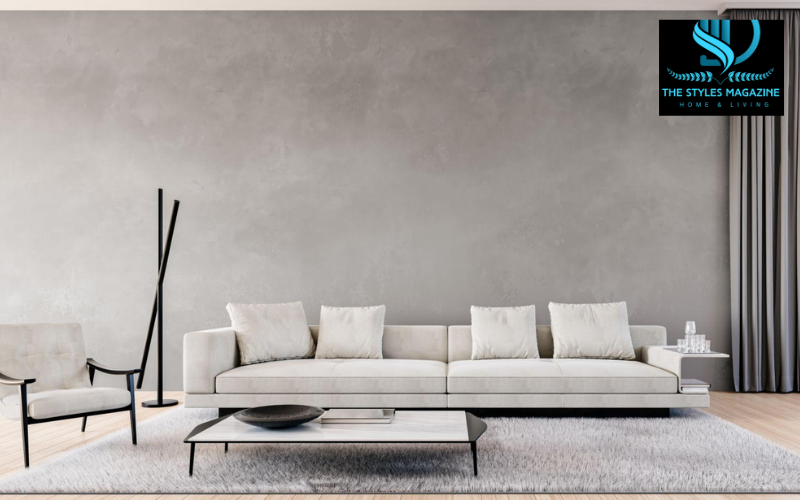
Interior stucco walls are becoming a popular design choice for homeowners who want something more interesting than plain painted drywall. Instead of a smooth surface, stucco creates a textured wall finish that adds depth, character, and a handcrafted look to a room. While stucco has traditionally been used on exterior surfaces, modern interior design has embraced it as a decorative wall treatment inside homes.
Unlike standard paint or wallpaper, interior stucco walls create a natural texture that changes how light interacts with a room. Painted drywall tends to look flat and uniform, but stucco surfaces introduce subtle variations in texture and tone. This can make walls feel warmer and more visually engaging, especially in living spaces where design details matter.
Another reason interior stucco walls are gaining attention again is the growing interest in natural and artisan-inspired interiors. Many homeowners are moving away from overly polished finishes and choosing materials that feel more organic and authentic. Stucco fits perfectly into this trend because it creates a handcrafted appearance that cannot be replicated with simple paint.
Interior stucco works especially well in areas where homeowners want to create a focal point or add architectural character. Living rooms, bedrooms, hallways, and entryways are common places where stucco walls enhance the overall atmosphere of a home. When applied carefully, this finish can transform ordinary walls into a defining feature of the interior space.
Interior Stucco Walls at a Glance
| Feature | Details |
| What It Is | A textured plaster finish applied to interior walls |
| Typical Thickness | About 1/8 to 1/4 inch |
| Common Materials | Lime, sand, cement, gypsum, acrylic additives |
| Popular Finishes | Santa Barbara, Spanish Lace, Sand Finish, Venetian Plaster |
| Best Rooms | Living rooms, bedrooms, hallways, accent walls |
| Key Benefits | Durable, hides imperfections, adds texture and depth |
| Maintenance | Occasional dusting, gentle cleaning |
| Painting | Use breathable acrylic latex paint |
What Interior Stucco Walls Are and How They Work
Interior stucco walls are a decorative wall finish made from a mixture of materials such as lime, cement, sand, and sometimes gypsum or acrylic additives. The mixture is applied to a wall surface using a trowel, creating a textured coating that becomes hard and durable once it dries. Unlike traditional paint, which forms a thin layer, stucco adds a slightly thicker decorative coating that gives walls a unique appearance.
In most interior applications, the stucco layer is relatively thin, usually between one-eighth and one-quarter of an inch thick. This makes it suitable for applying over existing drywall, plaster, or concrete surfaces without significantly altering the structure of the wall. Because of its thin profile, decorative stucco is often considered a finishing layer rather than a structural building material.
Modern interior stucco mixtures are designed to be easier to apply and more flexible than traditional exterior stucco. Many formulations include additives that improve adhesion and reduce the risk of cracking. These improvements allow interior stucco to work well in residential environments while maintaining its classic appearance.
It is also important to understand the difference between structural stucco and decorative interior stucco. Structural stucco is typically used on the exterior of buildings and forms part of the wall system that protects the structure from weather. Interior stucco, on the other hand, is mainly decorative. Its purpose is to enhance the look and texture of interior walls rather than provide structural protection.
Why Interior Stucco Walls Are Making a Comeback in Modern Homes
Interior stucco walls are experiencing a resurgence because many homeowners are seeking more texture and personality in their living spaces. Modern interiors often focus on minimalism and clean lines, but this simplicity can sometimes make rooms feel plain or sterile. Stucco introduces subtle texture that adds warmth without overwhelming the design.
One of the biggest influences behind this trend is the popularity of Mediterranean and Spanish-style architecture. These styles traditionally feature stucco walls, curved archways, and earthy color palettes. As designers continue to draw inspiration from these classic architectural styles, interior stucco has naturally found its way into modern homes.
Rustic and organic interior design trends have also contributed to the return of stucco walls. Materials such as natural wood, stone, and plaster are widely used to create comfortable and inviting spaces. Stucco complements these materials because it shares the same handcrafted and natural aesthetic.
Another reason homeowners choose interior stucco walls is that they provide visual interest without requiring complex decoration. A textured wall can serve as a design element on its own, reducing the need for excessive artwork or wall decor. This makes stucco an appealing option for people who prefer a clean yet distinctive interior style.
Popular Interior Stucco Wall Finishes and Their Visual Styles
Interior stucco walls can be finished in several different ways, each creating a unique visual effect. The technique used during application determines the final texture and appearance of the wall.
Santa Barbara Finish
The Santa Barbara finish is known for its semi-smooth surface combined with fine sand particles. This style creates a soft texture that feels refined and modern while still maintaining the traditional character of stucco. The look is often associated with California adobe homes and Mediterranean-inspired interiors. Because the texture is subtle, it works well in contemporary spaces that aim for a balance between smooth and textured surfaces.
Cat Face (Montalvo) Finish
The Cat Face finish, sometimes called the Montalvo finish, creates a surface that mixes smooth areas with irregular rough patches. These rough sections are known as “cat faces,” and they give the wall a slightly aged or distressed appearance. This style is ideal for interiors that aim to capture a rustic or historic feel. It can add depth and personality to rooms that might otherwise feel too uniform.
Spanish Lace Finish
Spanish Lace is one of the most widely recognized stucco textures. It is created using a skip-trowel technique that produces layered patterns across the wall surface. This finish is popular because it hides small imperfections in the underlying wall and creates a lively texture that catches light from different angles. Spanish Lace finishes are commonly used in homes that want a traditional stucco appearance with strong visual character.
Sand (Float) Finish
A sand finish, sometimes called a float finish, creates a consistent grainy texture across the entire wall. The texture can range from very fine to more pronounced depending on the size of the sand particles used. This type of finish offers a balanced appearance that works well in both modern and traditional interiors. Because the texture is evenly distributed, it provides a clean and cohesive look throughout a room.
Venetian Plaster Finish
Although technically a separate decorative plaster technique, Venetian plaster is often grouped with interior stucco finishes because of its similar application process. This finish involves applying multiple thin layers and polishing them to create a smooth, luminous surface. Venetian plaster can mimic materials like marble, limestone, or polished stone, making it a popular option for elegant interiors that require a sophisticated touch.
Key Benefits of Interior Stucco Walls
Interior stucco walls offer several advantages that make them attractive for both design and practical purposes. One of the most notable benefits is durability. Once stucco dries and cures, it forms a hard surface that can resist minor impacts and everyday wear. This makes it a long-lasting wall finish that can remain attractive for many years.
Another major advantage is its ability to hide imperfections. Many homes have walls that show small dents, cracks, or uneven surfaces. A textured stucco finish can mask these issues, creating a uniform appearance without requiring extensive wall repairs.
Interior stucco also adds visual depth that flat paint cannot achieve. The subtle shadows created by the texture make walls appear more dynamic as lighting changes throughout the day. This quality makes stucco particularly effective in rooms with natural light.
Stucco surfaces can also provide slight improvements in acoustics and insulation. The textured surface helps reduce echo in some spaces, while the material itself can contribute a small amount of thermal insulation. While these benefits are modest, they can still improve overall comfort in a home.
Perhaps the most appealing benefit is its timeless aesthetic. Interior stucco walls work equally well in classic homes and contemporary designs, making them a versatile choice that does not easily go out of style.
Best Rooms and Spaces for Interior Stucco Walls
Interior stucco walls can enhance many areas of a home, but some spaces benefit from this finish more than others. Living rooms are one of the most common places where stucco is used because textured walls create a warm and welcoming atmosphere. A stucco accent wall behind a fireplace or sofa can become a central design feature in the room.
Bedrooms can also benefit from stucco finishes, especially when used as an accent wall behind the bed. The texture adds depth and visual interest without making the room feel busy or cluttered. Soft lighting combined with textured walls can create a calm and relaxing environment.
Hallways and entryways are other excellent locations for interior stucco walls. These transitional spaces often lack decorative elements, so textured walls can add character without requiring additional decor.
In bathrooms, stucco can be used carefully alongside moisture-resistant materials such as tile. When sealed properly, it can complement natural stone and ceramic surfaces while contributing to a spa-like atmosphere.
Stucco also works well on architectural elements such as niches, fireplaces, and archways. These features naturally draw attention, and the added texture of stucco can enhance their visual impact.
The Process of Applying Interior Stucco
Applying interior stucco requires careful preparation and skilled application. The process usually begins with preparing the wall surface. Drywall or concrete surfaces must be clean, stable, and free from dust or loose material to ensure proper adhesion.
Once the surface is ready, a base coat may be applied to create a foundation for the stucco texture. This layer helps the decorative finish adhere evenly and provides a consistent surface for the final texture.
The finishing coat is then applied using specialized tools such as trowels, floats, and texture brushes. The applicator shapes the stucco while it is still wet, creating the desired pattern or finish. The final appearance depends heavily on the technique and skill of the person applying the material.
After application, the stucco must dry and cure properly. Drying times vary depending on humidity, temperature, and the thickness of the application. Allowing the material to cure fully helps ensure that the finish remains durable and resistant to cracking.
Maintenance and Care for Interior Stucco Walls
Interior stucco walls are relatively easy to maintain, which adds to their appeal as a decorative wall finish. Routine care usually involves simple dusting or light cleaning to remove dirt that may collect on the textured surface.
Because textured finishes can trap dust in deeper grooves, occasional cleaning with a soft brush or vacuum attachment may be helpful. This keeps the wall looking fresh without damaging the texture.
Minor cracks or small areas of damage can usually be repaired with patching compounds or additional stucco material. Touch-up repairs may require blending the texture carefully so that the repair matches the surrounding surface.
Overall, interior stucco requires minimal long-term maintenance compared with many other decorative finishes. When properly applied and maintained, it can remain attractive for decades.
Painting and Color Options for Interior Stucco
Interior stucco walls can be left in their natural color or painted to match the surrounding design scheme. If painting is desired, breathable acrylic latex paint is generally recommended because it allows the stucco surface to release moisture naturally.
Painting stucco can enhance its appearance by emphasizing the texture through light and shadow. Neutral tones such as warm whites, beige, and soft earth colors are commonly used because they complement the natural character of the material.
Some homeowners choose tinted stucco mixtures instead of painting after application. In this case, pigments are added directly to the stucco material before it is applied, creating a permanent color within the finish itself.
It is important to note that paint can slightly soften the appearance of stucco texture. While the texture remains visible, multiple paint layers may reduce some of the sharper details.
Can Stucco Walls Be Smoothed or Removed Later?
Although interior stucco walls are designed to be long-lasting, homeowners sometimes decide they want a smoother wall surface in the future. In many cases, this can be achieved through a process called skim coating.
Skim coating involves applying a thin layer of joint compound over the stucco surface to fill in the textured areas. After sanding and finishing, the wall can appear nearly as smooth as standard drywall.
In more extensive renovations, homeowners may choose to remove the stucco layer entirely. However, this process can be labor-intensive and may require repairing the underlying wall surface afterward.
Because of these challenges, it is important to carefully consider whether a textured stucco finish suits your long-term design preferences before installation.
Interior Stucco Walls in Contemporary Interior Design
Today’s interior designers often use interior stucco walls as a way to introduce texture into modern homes without sacrificing simplicity. Instead of covering entire houses with stucco, designers may use it strategically to create focal points.
One common approach is to combine stucco with natural materials such as wood, tile, and stone. These combinations create layered textures that feel warm and sophisticated.
Accent walls are another popular application. A single stucco wall can provide visual interest while keeping the rest of the room simple and balanced.
Designers also focus on balancing texture with minimal interiors. When used thoughtfully, stucco can enhance clean architectural lines while maintaining the calm and uncluttered look that modern design often aims to achieve.
Conclusion: The Lasting Appeal of Interior Stucco Walls
Interior stucco walls offer a unique combination of durability, texture, and timeless style. Unlike flat painted surfaces, stucco creates depth and character that can transform ordinary walls into a key design element within a home.
The versatility of interior stucco allows it to work in a wide range of spaces, from living rooms and bedrooms to entryways and architectural features. Its ability to hide imperfections while adding visual interest makes it both practical and aesthetically appealing.
For homeowners seeking a wall finish that combines tradition with modern design, interior stucco walls remain a compelling option. With proper application and minimal maintenance, this textured finish can continue to enhance interior spaces for many years.
Frequently Asked Questions (FAQs)
What Are Interior Stucco Walls?
Interior stucco walls are textured wall finishes applied over drywall or concrete using a plaster-like mixture. They create a decorative surface that adds depth, durability, and character to interior spaces.
Are Interior Stucco Walls Durable?
Yes, interior stucco walls are very durable. Once cured, the material forms a hard surface that resists minor impacts and can last for decades with proper maintenance.
Can Interior Stucco Walls Be Painted?
Yes. Interior stucco walls can be painted using breathable acrylic latex paint. Painting can enhance the color while still allowing the wall to maintain its textured appearance.
Do Stucco Walls Collect Dust?
Deep textures may collect some dust over time, but regular dusting or light vacuuming with a soft brush attachment is usually enough to keep them clean.
Can Interior Stucco Walls Be Made Smooth Later?
Yes. If homeowners want smooth walls later, a process called skim coating can be used to fill the textured surface and create a flat finish.
Disclaimer: This article is intended for informational and educational purposes only. While we strive to provide accurate and updated guidance about interior stucco walls, results may vary depending on materials, application methods, and individual home conditions. Always consult a qualified contractor or professional before starting any wall finishing or renovation project.
Loved Reading This? Discover More Exclusive Stories And Updates At The Styles Magazine!