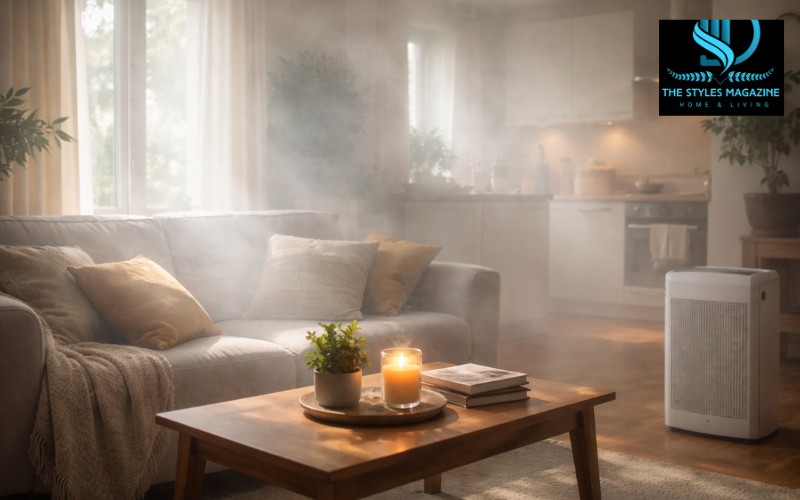
Many people notice a faint haze in their living room at some point. It may appear as a light mist in the air, especially when sunlight enters through a window. Instead of seeing clear air, the room looks slightly cloudy or dusty, which can make the space feel less fresh and comfortable. While this haze may seem harmless at first, it often indicates that tiny particles are floating in the indoor air.
A haze in the living room usually forms when small particles remain suspended in the air. These particles can include dust, smoke, cooking residue, or moisture droplets. Because they are extremely small, they stay in the air longer than normal dust and scatter light, creating the hazy appearance people notice.
In many homes, this indoor haze comes from everyday household activities. Cooking, burning candles, using fireplaces, or simply moving around furniture can release particles into the air. In other cases, the haze may be linked to poor ventilation, high humidity, or indoor pollutants that accumulate over time.
Understanding the cause of a haze in the living room is important for several reasons. Clear indoor air improves comfort, helps maintain a clean environment, and protects your health. When the source of the haze is identified and addressed, the living space becomes fresher, easier to breathe in, and more pleasant for everyone in the home.
Understanding What a Haze in the Living Room Actually Is
A haze in the living room is created when very small particles remain suspended in the air. These particles are often too tiny to see individually, but when they collect in large numbers they scatter light. This scattering effect makes the air look cloudy or misty, especially when sunlight passes through the room.
The hazy effect happens because light reflects off airborne particles. Instead of traveling directly across the room, the light spreads in many directions after hitting these particles. The result is a visible haze that makes the air appear less clear.
It is important to understand the difference between normal dust and persistent indoor haze. Normal dust becomes visible when sunlight shines through a window and briefly reveals floating particles. However, the dust usually settles quickly and the air becomes clear again. A haze in the living room, on the other hand, tends to remain visible for longer periods and may appear throughout the room rather than only in sunlight.
Several types of particles can cause this hazy appearance. Dust is one of the most common, but smoke particles from candles or fireplaces can also contribute. Grease particles from cooking may travel through open spaces in the home, while moisture droplets from steam or humidity can mix with dust to form a mist-like haze. All of these particles can combine to create the cloudy air that people notice indoors.
Common Household Causes of Haze in a Living Room
Many everyday activities inside the home release particles into the air. Over time, these particles can build up and create a visible haze in the living room. Even simple routines such as cooking, cleaning, or lighting candles can contribute to this effect.
Daily life often produces more airborne particles than people realize. When someone cooks dinner, small grease droplets may spread through nearby rooms. Vacuuming carpets can lift dust into the air, and moving furniture or shaking blankets may release fibers and particles. Each activity may seem minor on its own, but together they can gradually affect indoor air clarity.
Some homes experience haze more frequently than others due to differences in layout, ventilation, and cleaning habits. For example, homes with open floor plans allow air from the kitchen to move easily into the living room. If the kitchen produces smoke or steam, those particles can quickly spread throughout the space.
In addition, houses that remain tightly sealed for energy efficiency may trap indoor pollutants. Without regular airflow from windows or ventilation systems, particles remain suspended in the air for longer periods. This makes the haze more noticeable and persistent.
Smoke and Combustion Sources That Create Indoor Haze
Combustion is one of the most common reasons for haze in a living room. When fuels burn, they release extremely small particles known as fine particulate matter. These particles are light enough to remain suspended in the air and can easily create a hazy appearance indoors.
Fireplaces and wood-burning stoves are major sources of indoor smoke particles. While they provide warmth and comfort, they can release fine ash and soot into the room if ventilation is not strong enough. Even a small amount of smoke escaping from the fireplace can affect indoor air clarity.
Candles and incense can also contribute to indoor haze. Although they appear harmless, burning candles produces soot particles that float in the air. Scented candles and incense sticks often release even more particles because of the oils and fragrances they contain.
Smoking or vaping indoors is another important source of haze. Tobacco smoke contains a large number of fine particles that remain suspended for a long time. These particles can spread throughout the living room and settle on furniture, curtains, and walls.
Because combustion particles are extremely small, they scatter light efficiently and quickly create the cloudy appearance associated with indoor haze.
Cooking Activities That Can Fill a Living Room With Haze
Cooking is another common cause of haze in the living room, especially when food is prepared at high temperatures. Activities such as frying, sautéing, or grilling release smoke and grease particles into the air.
When oil is heated, it produces tiny droplets that become airborne. These droplets can travel beyond the kitchen and spread into nearby rooms. In homes with open layouts, cooking particles often move directly into the living room.
Burnt food can make the situation worse. Even a brief moment of burning food in a pan can release smoke that fills the surrounding area. The particles produced during burning are very fine, which allows them to remain suspended in the air longer.
Without proper ventilation, these particles slowly accumulate. Over time, repeated cooking activities may lead to a noticeable haze in the living room, particularly during evening hours when meals are prepared.
Household Dust and Fabric Fibers Floating in the Air
Dust is one of the most common contributors to indoor haze. In many homes, carpets, rugs, and upholstered furniture collect dust that can easily become airborne.
When people walk across carpets or sit on upholstered furniture, tiny particles of dust are released into the air. These particles include fabric fibers, skin cells, and small debris that naturally accumulate inside the home.
Curtains, pillows, and blankets can also release fibers when they are moved or shaken. Even simple activities like opening curtains or adjusting cushions may send fine particles into the air.
Movement inside the room can keep these particles floating longer. When people walk around, the airflow created by movement lifts dust from surfaces and prevents it from settling quickly. As a result, the air may appear slightly cloudy, especially when sunlight highlights the particles.
High Humidity and Moisture That Can Create a Misty Haze
Moisture in the air can also create a hazy appearance inside the living room. When humidity levels are high, water vapor can mix with dust or other particles to form a light mist.
Steam from cooking or hot showers often increases indoor humidity. If this moisture spreads into nearby rooms, it can combine with airborne particles and create a visible haze.
Humidifiers can also contribute when they release too much moisture into the air. While humidifiers are helpful during dry seasons, excessive use may raise humidity levels beyond what is comfortable.
When humidity becomes too high, the air may appear cloudy or foggy rather than crisp and clear. This effect is more noticeable in rooms where moisture mixes with dust, smoke, or cooking particles.
Poor Ventilation and Trapped Indoor Air Pollutants
Ventilation plays a major role in indoor air quality. When airflow is limited, particles released inside the home remain trapped in the air.
Modern homes are often tightly sealed to improve energy efficiency. While this helps maintain indoor temperatures, it can also prevent fresh air from entering the house. Without proper airflow, pollutants from everyday activities build up over time.
Cleaning products, paints, and new furniture may release gases known as volatile organic compounds. These compounds mix with indoor particles and contribute to poor air quality.
When fresh air does not circulate through the living room, airborne particles remain suspended for longer periods. This makes the haze more noticeable and persistent throughout the day.
Dirty HVAC Systems and Air Filters Circulating Particles
Heating and cooling systems play a large role in how air moves through a home. If these systems are not properly maintained, they may actually spread particles instead of removing them.
Air filters inside HVAC systems are designed to trap dust and pollutants. However, when filters become clogged, they lose their ability to capture particles effectively. Dust and debris may then circulate through vents and enter the living room.
Air ducts can also collect dust over time. When the system operates, this dust may be pushed into the air and contribute to indoor haze.
Poor filtration means that particles remain in circulation rather than being removed. Regular maintenance of HVAC systems helps keep indoor air clearer and reduces the chances of haze forming in the living room.
Health Effects Linked to Haze in Indoor Spaces
A haze in the living room is not only a visual issue. It may also affect the health of people who spend time in the space.
Poor indoor air quality can cause irritation of the eyes, nose, and throat. Some individuals may notice coughing, dryness, or discomfort after spending time in a hazy room.
Headaches and fatigue can also occur when indoor air contains high levels of pollutants. These symptoms may become more noticeable if the haze persists for long periods.
People with asthma, allergies, or other respiratory conditions are especially sensitive to airborne particles. For them, poor indoor air quality can worsen breathing problems and make symptoms more severe.
Practical Ways to Clear Haze From Your Living Room Air
Improving airflow is one of the most effective ways to reduce haze in the living room. Opening windows for short periods allows fresh air to enter and helps remove suspended particles.
Air purifiers equipped with HEPA filters can also help remove fine particles from indoor air. These devices capture dust, smoke, and other pollutants that contribute to haze.
Regular maintenance of heating and cooling systems is another important step. Replacing air filters and ensuring that ducts remain clean helps improve air circulation and filtration.
Managing humidity levels is equally important. Maintaining indoor humidity between moderate levels helps prevent the misty appearance that moisture can create.
Cleaning practices also play a role. Using damp cloths instead of dry dusters helps trap particles rather than spreading them through the air.
Preventing Haze From Returning in Your Living Room
Preventing haze in the living room often comes down to maintaining good indoor air habits. Reducing the number of particle sources inside the home can make a noticeable difference.
Limiting smoke sources, ensuring proper kitchen ventilation, and regularly cleaning fabrics and carpets all help reduce airborne particles. These simple habits keep indoor air clearer over time.
Monitoring airflow is also helpful. Opening windows occasionally and ensuring that ventilation systems work properly allows fresh air to circulate through the home.
Maintaining balanced humidity and replacing air filters regularly also prevent particles from building up in the air. Together, these habits help maintain a cleaner and more comfortable living environment.
When Persistent Indoor Haze May Require Professional Inspection
Sometimes haze in the living room does not disappear even after cleaning and improving ventilation. In these cases, there may be underlying issues affecting indoor air quality.
Persistent haze may indicate hidden problems such as mold growth, chemical pollutants, or ventilation system failures. These issues may not always be visible but can significantly affect indoor air clarity.
If the haze is accompanied by unusual odors, health symptoms, or ongoing air quality concerns, a professional inspection may be necessary. Indoor air quality specialists can test for pollutants and identify the source of the problem.
Professional testing provides detailed information about the air inside the home and helps homeowners take the right steps to improve indoor conditions.
Conclusion
A haze in the living room is usually caused by small airborne particles or moisture suspended in the air. Dust, smoke, cooking particles, humidity, and poor ventilation can all contribute to the cloudy appearance people notice indoors.
While the haze may seem minor, it often signals that indoor air quality needs attention. Identifying the source is the first step toward improving the situation and restoring clear air inside the home.
By improving ventilation, maintaining HVAC systems, controlling humidity, and using effective cleaning methods, homeowners can significantly reduce haze in their living rooms. These simple steps help create a fresher, healthier, and more comfortable living space for everyone.
FAQs
Why Is There A Haze In My Living Room?
A haze in the living room usually appears when tiny particles like dust, smoke, cooking residue, or moisture remain suspended in the air. These particles scatter light and make the air look cloudy.
Is A Haze In The Living Room Harmful To Health?
Sometimes it can be. If the haze contains smoke, dust, or pollutants, it may irritate the eyes, throat, or lungs, especially for people with allergies, asthma, or breathing problems.
Can Cooking Cause Haze In The Living Room?
Yes, cooking—especially frying or burning food—can release grease particles and smoke that travel from the kitchen to the living room and create a visible haze.
How Can I Quickly Clear Haze From My Living Room?
Opening windows for fresh air, using an air purifier with a HEPA filter, and improving ventilation can help remove particles and clear the haze faster.
When Should I Worry About Haze Inside My Home?
If the haze stays for long periods, has a strange smell, or causes breathing discomfort, it may indicate poor indoor air quality and should be checked by a professional.
Disclaimer: The information provided in this article is intended for general educational and informational purposes only. While every effort has been made to ensure accuracy and relevance, indoor air quality conditions can vary widely from one home to another. The suggestions and explanations shared here should not be considered professional environmental, medical, or technical advice. If you experience persistent haze in your living room, strong odors, or health symptoms related to indoor air, it is recommended to consult a qualified indoor air quality specialist or healthcare professional for proper inspection and guidance.
Loved Reading This? Discover More Exclusive Stories And Updates At The Styles Magazine!