There is a particular disappointment in returning from a good hotel, opening your own bedroom door and wondering why the room suddenly feels so untidy. The bed may be just as comfortable. The colour scheme may even be similar. Yet at home, the bedside table is crowded with a lamp, charging cable, water glass and a book that has been “currently reading” for six months.
Hotels have an advantage: every detail is planned around a short, simple routine. You enter, put down a bag, dim the lights and get into bed. At home, the same room has to accommodate laundry, early starts, late-night reading and the occasional laptop. Recreating that calm is less about buying luxury bedding and more about controlling what remains visible at the end of the day.
Bedside lighting is a sensible place to begin.
Stop Asking the Ceiling Light to Do Everything
Most bedrooms have one central ceiling light. It is useful for getting dressed or finding something on the floor, but it is rarely the light anyone wants during the final half-hour before sleep. It illuminates the entire room at once, including every unfolded jumper and abandoned coffee cup.
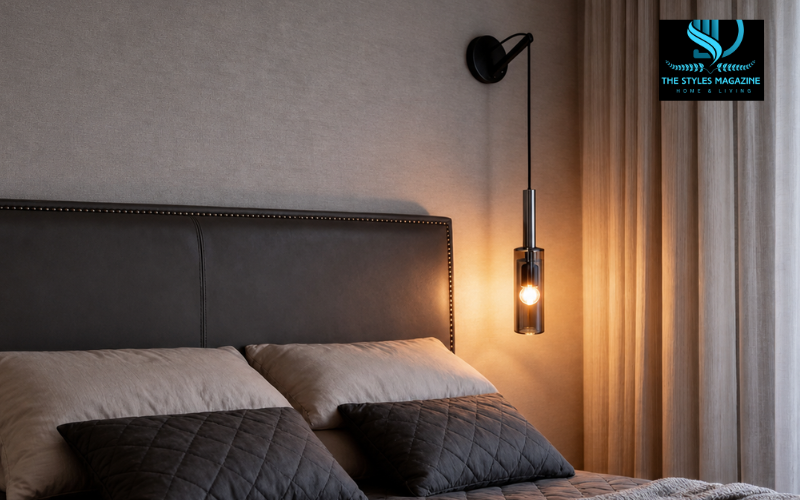
Hotels use smaller pools of light. The bedside area glows while the wardrobe and far corners of the room recede. This immediately makes the space feel quieter because the eye is not being asked to process everything at once.
Wall-mounted fixtures work particularly well here because they bring the light close to the bed without filling the nightstand. When browsing wall sconces, look beyond the finish and consider how the light leaves the fixture. A shade that directs light downward suits reading, while translucent glass or shell creates a softer decorative glow. Some designs do both, but many favour one job over the other.
Bringing the light closer to the bed makes the room feel calmer than relying on a bright central fixture.
A Clear Nightstand Changes More Than Expected
Removing a table lamp may free only a small amount of space, but the difference is noticeable. There is room to put down a book without balancing it against the lamp base. A phone cable can be clipped neatly behind the table. The surface stops looking like storage and begins to feel useful again.
This is especially valuable in a narrow bedroom where the nightstand was chosen because it fitted, not because it was generous. A wall light also allows the table to be replaced later without affecting the lighting arrangement. The furniture and fixture no longer compete for the same few inches.
Before installing anything, recreate your normal bedtime setup. Place the pillows where they sit when you read, not where they are arranged for photographs. Sit against the headboard and mark the wall at shoulder and eye height. The fixture should light the page without exposing the bulb directly to your eyes. If two people use the bed, test both sides rather than assuming a perfectly symmetrical position will be equally comfortable.
Symmetry Is Helpful, but It Is Not a Rule
A matching pair of bedside lights creates instant order, which is one reason hotels use the arrangement so often. It frames the bed and gives an ordinary headboard more presence. In a balanced room, this may be all the decoration the wall needs.
Real bedrooms are not always balanced. One side may sit beside a window, built-in wardrobe or sloping ceiling. Forcing two identical fixtures into unequal spaces can make the awkwardness more obvious. A single decorative wall light can work on the more open side, with a small reading lamp or another restrained light source on the other.
Material can also supply the visual interest that is missing from plain walls. Textured glass breaks up the light. Metal introduces a clean outline. Natural shell has subtle variations that keep a neutral scheme from feeling flat. These details are most effective when they repeat something already in the room—a brass handle, a curved mirror or the warm tone of a wooden bed frame.
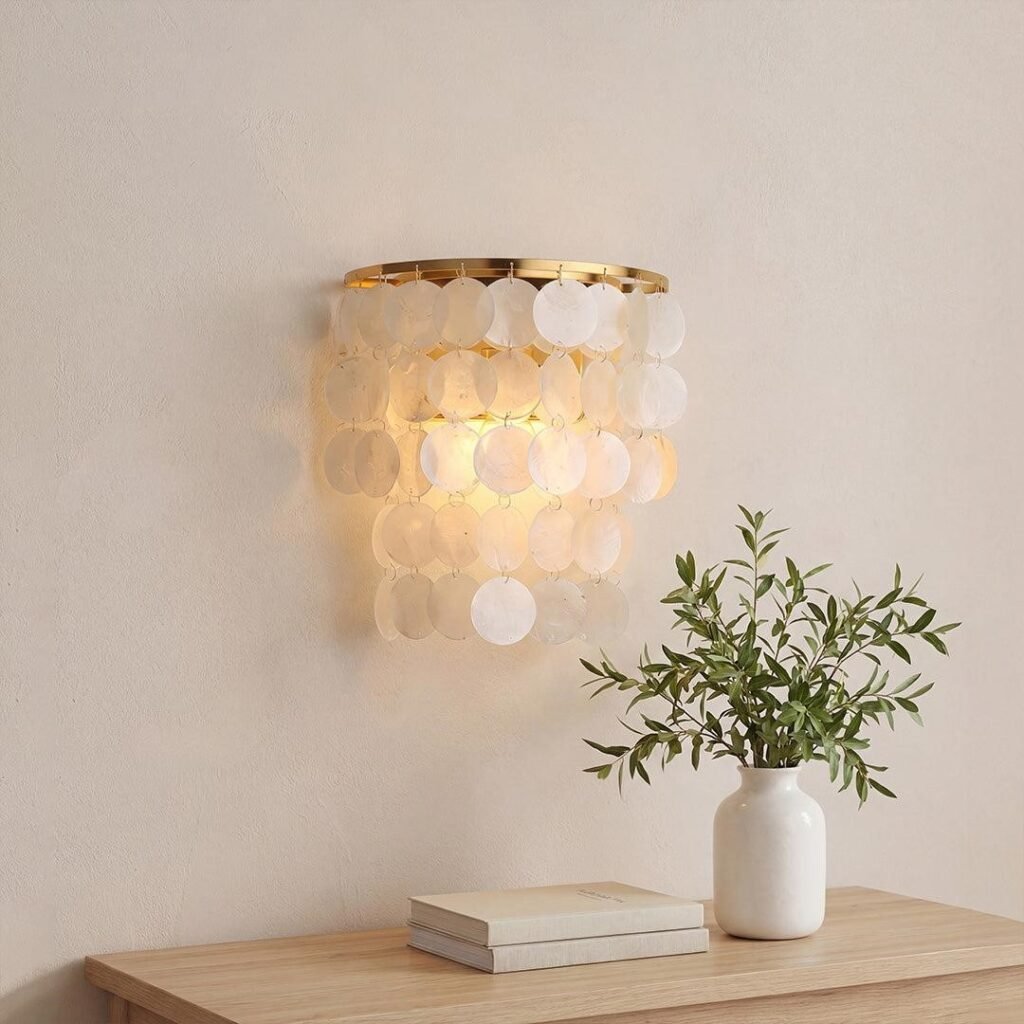
A textured shade can act as decoration during the day and soften the light at night.
Judge the Fixture With the Light Switched On
It is easy to choose a wall light as though it were a piece of jewellery. The shape looks good, the finish matches the room and the product photograph is beautifully styled. None of that guarantees pleasant light.
Clear glass can be elegant during the day but uncomfortable if a bright exposed bulb sits near eye level. Amber or smoked glass changes the colour and intensity of the glow. Rippled surfaces scatter light across the wall, adding atmosphere, although they may not provide enough focused illumination for someone who reads in bed.
Warm white light generally feels natural in a bedroom. It softens painted walls and makes wood, fabric and skin tones look more comfortable in the evening. Very cool light can make the room feel alert and practical when it should be winding down. If the fixture is dimmable, confirm that the bulb, driver and wall control are compatible; the word “dimmable” on one component does not guarantee the whole setup will work together.
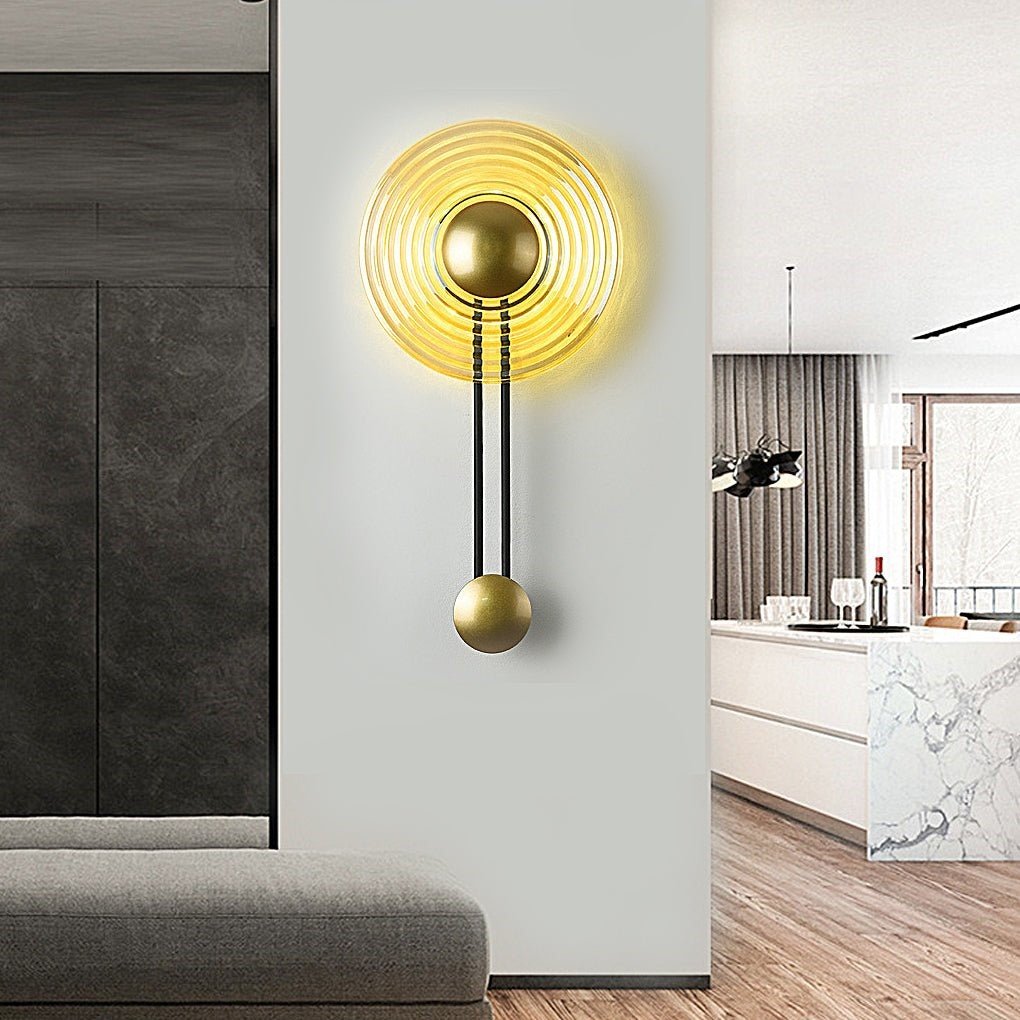
Rippled and tinted glass changes the character of the light as much as the shape of the fixture does.
Put the Switch Where Tired You Can Reach It
A beautifully positioned lamp becomes irritating if switching it off requires leaving the bed. Hotels understand this rather well. At home, decide how the light will be controlled before choosing the mounting point. A switch on the fixture should be reachable while sitting against the pillows. A wall switch should not end up hidden behind the headboard or bedside table.
Also check how the fixture projects from the wall. A deep sconce fitted too close to the bed may be struck when changing the sheets or sitting up in the night. Use cardboard to make a rough outline of the fixture, tape it to the wall and live with it for a day. It is easier to move cardboard than an electrical box.
Hardwired wall lights require suitable wiring and a secure mounting point. If no connection already exists, ask a qualified electrician to assess the wall and plan the installation. Cable routes, studs and existing services can affect where a fixture can safely go. Plug-in designs offer more flexibility, but the cord needs a deliberate route rather than being left to trail behind the bed.
The final change may seem modest: two lights moved from the nightstands to the wall. Yet the surfaces are clearer, the evening light is softer and the room no longer reveals every unfinished task when the ceiling light goes off. That is often the part of hotel style worth bringing home—not the expensive sheets, but the sense that the day has somewhere to end.
Enjoyed it? Find more exclusive content on The Styles Magazine.