Learning how to dry flowers is a simple way to preserve the beauty of fresh blooms long after their natural life has ended. Many people dry flowers to save sentimental bouquets, create home decorations, make handmade gifts, or prepare flowers for crafts like resin art and framing. Dried flowers also add a soft and timeless look to living spaces, making them popular for rustic decor, weddings, and seasonal arrangements.
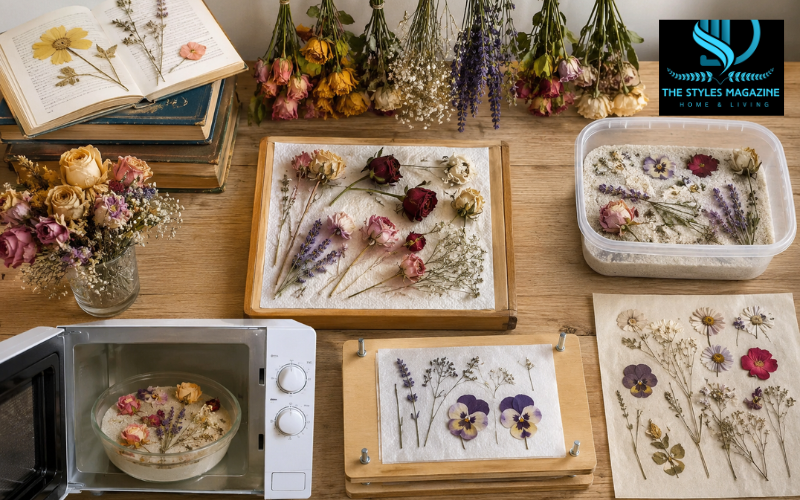
There are several ways to dry flowers, and each method creates a different result. Air-drying helps flowers keep their natural shape and works well for bouquets. Pressing flowers inside a book creates flat blooms that are ideal for cards and artwork. Silica gel drying helps preserve delicate petals and bright colors, while microwave drying speeds up the process for quick projects. The best method depends on the type of flower you have and how you plan to use it later.
Choosing the right technique is important because some flowers dry better than others. Thick flowers may hold their shape during air-drying, while delicate petals often need silica gel for protection. If you want flowers for resin art, removing moisture completely becomes even more important. Understanding these differences can help you dry flowers successfully without losing their color, shape, or beauty.
Best Flower Drying Methods
| Drying Method | Best For | Time Needed | Keeps Shape? | Difficulty |
| Air-Drying | Bouquets & decor | 2–4 weeks | Yes | Easy |
| Pressing in Book | Flat crafts & art | 2–4 weeks | No | Easy |
| Silica Gel Drying | Delicate flowers | 2–7 days | Yes | Medium |
| Microwave Drying | Fast results | Minutes | Mostly | Medium |
| Flat Surface Drying | Small flowers | 1–3 weeks | Partial | Easy |
Choosing the Best Flowers for Drying
Not every flower dries in the same way. Some flowers naturally keep their appearance after drying, while others wilt, darken, or become fragile. Flowers such as lavender, roses, hydrangeas, baby’s breath, statice, and strawflowers are known for drying well because their petals contain less moisture. These flowers usually hold their form and color better during the drying process.
Fresh blooms are always the best choice when drying flowers. Flowers that are already fading or fully mature may lose petals quickly once they begin drying. Slightly opened blooms usually produce the best results because they continue opening slightly as moisture leaves the petals. Timing also matters. Most experts recommend harvesting flowers in the late morning after the dew has completely evaporated. Wet flowers are more likely to develop mold during drying.
Preparation is another important step that many beginners overlook. Removing excess leaves from stems helps reduce trapped moisture and improves airflow around the flower. Damaged petals should also be removed before drying begins. Keeping flowers clean and dry from the start gives you a much better chance of preserving their natural beauty.
Air-Drying Flowers for Natural Bouquets and Decor
Air-drying is one of the oldest and easiest ways to preserve flowers. This method works especially well for sturdy flowers with strong stems. It is commonly used for bouquets, floral arrangements, and decorative displays because it helps flowers keep their natural three-dimensional shape.
To air-dry flowers, small bundles of stems are tied together using a rubber band or string. The flowers are then hung upside down in a dry and well-ventilated room. Hanging flowers upside down helps prevent stems from bending as they dry. Darkness also plays an important role because too much sunlight can fade petal colors quickly.
The drying process usually takes between two and four weeks depending on the flower type and room conditions. Flowers are fully dried when the petals feel crisp and the stems snap easily. Lavender, roses, eucalyptus, and baby’s breath are some of the best flowers for traditional air-drying.
One of the most common mistakes people make is placing flowers in humid areas. Moisture slows the drying process and increases the risk of mold growth. Overcrowding flower bundles can also trap moisture between petals. For better results, flowers should always have enough airflow around them while drying.
How to Dry Flowers Without Hanging Them
Not everyone has enough space to hang flowers upside down, but flowers can still be preserved successfully using other methods. Drying flowers without hanging them is often more convenient for apartment living, small spaces, or delicate blooms that may lose shape when suspended.
One popular option involves laying flowers flat on a drying rack or screen in a warm room with good air circulation. Some people also place flowers inside shallow containers lined with paper towels or parchment paper to absorb excess moisture. This method works well for lightweight flowers and petals used in crafts.
Flowers with delicate stems often respond better to non-hanging methods because gravity does not pull on the petals during drying. Smaller blooms like chamomile, pansies, and daisies can dry evenly when laid flat. It is important to turn flowers occasionally so all sides dry properly.
Indoor humidity should always be controlled when using flat drying methods. Opening windows, using fans, or running a dehumidifier can help prevent moisture buildup. Keeping flowers away from kitchens and bathrooms is also helpful because steam and humidity slow the process.
Pressing Flowers in a Book for Flat Designs
Pressing flowers is one of the simplest ways to preserve blooms for artwork and paper crafts. Many people learn how to dry flowers in a book because it requires very few materials and produces beautiful flat flowers that are easy to store and frame.
The process starts by placing flowers between sheets of parchment paper inside a heavy book. The paper helps absorb moisture and prevents petals from sticking to the pages. Once arranged carefully, the book is closed and weighed down with additional books or heavy objects.
Flat-faced flowers usually work best for pressing. Pansies, daisies, violets, and small wildflowers tend to flatten evenly while keeping much of their original color. Thick flowers with layered petals may not press as smoothly unless they are separated first.
Changing the parchment paper every few days can help reduce trapped moisture and prevent browning. Most flowers take two to four weeks to dry completely inside a book. Once finished, pressed flowers can be used in greeting cards, bookmarks, journals, framed art, and handmade decorations.
How to Dry Flowers Flat for Framing and DIY Projects
Learning how to dry flowers flat is useful for anyone interested in DIY projects and decorative artwork. Flat-dried flowers create a clean and elegant appearance that works well for wall frames, scrapbooks, and personalized gifts.
Although pressing flowers inside books is common, flower presses can provide more even pressure and faster results. Wooden flower presses hold flowers tightly between absorbent layers, helping petals dry uniformly without curling. Some crafters also use cardboard sheets and clamps to create homemade presses.
Pressed flowers are usually completely flat, while naturally flattened flowers may keep slight texture and shape. This small difference can change the appearance of finished projects. Choosing the right method depends on whether you want flowers to look smooth or slightly dimensional.
After flowers are dried, careful storage becomes important. Flat flowers can crack easily if handled roughly. Keeping them inside airtight containers or between sheets of paper helps protect them from moisture and damage until they are ready to use.
Using Silica Sand for Drying Flowers While Preserving Shape
Silica sand or silica gel is one of the most effective materials for preserving flowers while maintaining their original shape and color. This method is often used for delicate flowers that do not air-dry well, such as peonies, dahlias, and tulips.
Silica gel works by drawing moisture out of flowers slowly without crushing the petals. To begin, a layer of silica sand is poured into an airtight container. Flower heads are placed carefully on top before more silica is gently added around and inside the petals until the flowers are completely covered.
This method allows flowers to keep much of their natural appearance because the petals are supported during drying. Bright colors also fade less compared to traditional air-drying. Depending on the flower size, drying usually takes between two and seven days.
Handling silica materials carefully is important because the fine dust can irritate the eyes and lungs. Using the material in a ventilated area and storing it in sealed containers helps keep it safe and reusable for future projects.
How to Dry Flowers in the Microwave for Faster Results
For people who need fast results, learning how to dry flowers in the microwave can save a great deal of time. Microwave drying is especially useful for craft projects, last-minute decorations, or resin art that requires flowers quickly.
This method usually combines microwave heat with silica sand or silica gel. Flowers are placed inside a microwave-safe container and covered gently with the drying material. A small cup of water is often placed inside the microwave to reduce the risk of overheating the petals.
Low heat and short time intervals are essential when drying flowers in the microwave. Most flowers need only thirty-second heating periods followed by careful checking. Overheating can scorch petals or make flowers too brittle.
Smaller flowers with thin petals generally respond best to microwave drying because they lose moisture quickly. Once heated, flowers should remain inside the silica material for several hours or overnight to finish curing properly.
How to Dry Flowers Quickly Without Damaging Them
Many people want to know how to dry flowers quickly while still keeping them attractive. The fastest methods usually involve microwave drying or silica gel because both remove moisture faster than traditional air-drying.
While speed is convenient, preserving flower quality should still remain the main goal. Air-drying may take longer, but it often produces softer and more natural-looking flowers. Microwave drying works faster but requires more attention to prevent damage.
Flowers with naturally low moisture content usually dry more successfully in a short amount of time. Thin-petaled flowers often keep their color better during quick drying compared to thick and moisture-heavy blooms.
If you need flowers for a last-minute project, choosing smaller blooms and using silica gel can help achieve faster results without completely sacrificing appearance. Patience still matters because rushing the process too much can leave flowers fragile or faded.
Drying Flowers for Resin Art and Jewelry
Dry flowers are commonly used in resin crafts because they create beautiful jewelry, trays, bookmarks, and decorative keepsakes. However, flowers used in resin must be completely dry before sealing. Even small amounts of trapped moisture can cause mold, discoloration, or bubbles inside the resin.
Silica gel drying is often the preferred method for resin art because it preserves petal shape and color more effectively than air-drying. Pressed flowers are also popular for flat resin projects such as coasters and bookmarks.
Small flowers like forget-me-nots, daisies, and baby’s breath work especially well inside resin molds because they fit easily and hold their appearance after sealing. Flowers with very thick petals may darken over time if not dried fully.
Proper storage before resin use is equally important. Dried flowers should remain in airtight containers until needed. Exposure to humidity can slowly reintroduce moisture into the petals, which may affect resin results later.
Creative Ways to Use Dried Flowers for Decoration
Once flowers are preserved, they can be used in many creative ways around the home. Dried flowers add texture, softness, and natural beauty to decorative spaces without requiring ongoing care like fresh arrangements.
Many people use dried flowers in vases, wreaths, table centerpieces, and seasonal decorations. Others include them in candles, handmade soap packaging, bookmarks, greeting cards, and framed artwork. Dried flower arrangements also make thoughtful gifts because they last much longer than fresh bouquets.
Decorative projects often work best when flowers are protected from direct sunlight and humidity. Bright sunlight may fade colors over time, while damp environments can make petals soft or moldy.
With proper care, dried flower arrangements can remain attractive for months or even years. Light dusting and careful handling help maintain their appearance without damaging fragile petals.
How to Store and Protect Dried Flowers
Proper storage is essential if you want dried flowers to stay beautiful for a long time. Dried petals are naturally delicate, so protecting them from moisture, sunlight, and physical damage is important.
Airtight containers are one of the best ways to store dried flowers when they are not being displayed. Tissue paper or soft paper towels can help cushion fragile petals during storage. Cool and dark spaces are ideal because heat and sunlight may fade colors over time.
Cleaning dried flowers should always be done gently. A hairdryer on a cool and low setting can remove dust without damaging petals. Strong airflow or rough handling can easily break dried stems and flowers.
Humidity remains the biggest threat to preserved flowers. Bathrooms, kitchens, and damp basements are not suitable storage areas because moisture can soften petals and encourage mold growth.
Common Problems People Face When Drying Flowers
Drying flowers is simple in theory, but several common problems can affect the final result. One of the biggest issues is flowers turning brown during drying. This usually happens because of excessive sunlight, trapped moisture, or overheating.
Brittle petals are another common problem, especially when flowers dry too quickly or lose too much moisture. Delicate flowers may also fall apart if handled too often after drying. Gentle handling and proper storage help reduce breakage.
Mold growth can occur if flowers are stored before they are fully dry or if drying conditions are too humid. Improving airflow and avoiding overcrowded flower bundles usually prevents this issue.
Color fading is natural over time, but keeping dried flowers away from direct sunlight helps preserve their appearance longer. Some people also use unscented hairspray lightly on dried flowers to add extra protection and reduce petal shedding.
Conclusion
Learning how to dry flowers opens up many creative possibilities while helping preserve meaningful blooms for months or even years. Whether you prefer traditional air-drying, pressing flowers inside a book, using silica sand, or trying microwave drying for faster results, each method offers its own advantages.
The best technique depends on the type of flowers you have and how you plan to use them afterward. Air-drying works beautifully for bouquets and home decor, while pressed flowers are perfect for crafts and artwork. Silica gel helps preserve shape and color for delicate blooms, and microwave drying provides a quick option for busy projects.
Experimenting with different flower types and drying techniques can help you discover which method works best for your needs. With patience, proper preparation, and careful storage, dried flowers can remain beautiful reminders of special moments while adding natural charm to creative projects and home decorations.
FAQs
What Is The Easiest Way To Dry Flowers?
Air-drying is the easiest method because it requires very few materials and works well for roses, lavender, hydrangeas, and many decorative flowers.
How To Dry Flowers Quickly At Home?
Microwave drying with silica gel is one of the fastest ways to dry flowers while still helping them keep their shape and color.
Can I Dry Flowers Without Hanging Them?
Yes, flowers can be dried on flat surfaces, inside containers, with silica gel, or by pressing them in books without hanging them upside down.
Which Flowers Dry Best Naturally?
Lavender, roses, baby’s breath, eucalyptus, statice, and strawflowers usually dry well because they contain less moisture than delicate blooms.
How Do You Keep Dried Flowers From Turning Brown?
Keep flowers away from sunlight, dry them in low humidity, and avoid overheating during the process to help preserve their natural color.
Enjoyed it? Find more exclusive content on The Styles Magazine.
Disclaimer: This article is for educational and informational purposes only. Results may vary depending on flower type, humidity, temperature, and drying method. Always handle microwaves, silica materials, and crafting tools carefully and follow basic safety precautions.