A stripped screw can quickly turn a simple repair into a frustrating problem. Whether you are fixing furniture, repairing a door knob, or working on a household fixture, a screw that no longer grips a screwdriver properly can stop the entire job. Many people continue drilling or forcing the screw, but that usually damages the head even more and makes removal harder.
Stripped screws happen for several reasons. In wood, screws may become damaged because of over-tightening or repeated use. In metal, rust and corrosion can lock the threads tightly in place. Door knobs and household hardware also commonly develop stripped screws because they are frequently adjusted or removed. Even using the wrong screwdriver size once can weaken the grooves inside the screw head.
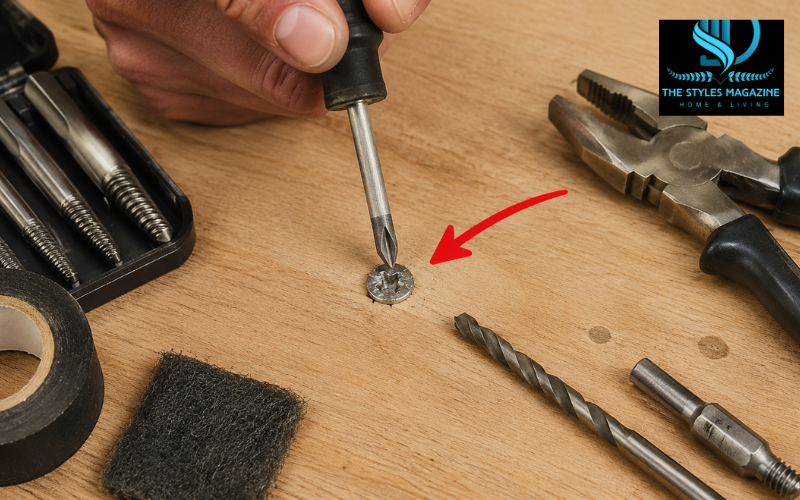
The good news is that learning how to remove a stripped screw is usually easier than most people think. The best method depends on how damaged the screw is, what material it is stuck in, and which tools you have available. In many cases, simple techniques such as using a rubber band, locking pliers, or a manual screwdriver can solve the problem without damaging the surrounding surface.
This guide explains safe and practical ways to remove stripped screws from wood, metal, door hardware, and other surfaces while helping you avoid common mistakes that can make the problem worse.
Best Methods for Removing a Stripped Screw
| Screw Condition | Best Method | Tools Needed | Difficulty |
| Mildly stripped screw | Rubber band method | Rubber band + screwdriver | Easy |
| Screw head sticking out | Locking pliers | Vice grips/pliers | Easy |
| Completely rounded screw | Cut new slot | Rotary tool + flathead screwdriver | Medium |
| Rusted or badly damaged screw | Screw extractor | Extractor kit + drill | Hard |
| Delicate wood surface | Manual screwdriver method | Screwdriver + friction material | Easy |
| Tight door knob screw | Small pliers or slot method | Precision tools | Medium |
Understanding Why Screws Become Stripped
Before trying to remove a stripped screw, it helps to understand why the damage happens in the first place. Once the grooves inside the screw head wear down, the screwdriver loses its grip and begins slipping instead of turning the screw.
One of the most common causes is worn screwdriver tips. Old or damaged screwdriver bits do not fit securely into the screw head. As pressure is applied, the tool slips repeatedly and slowly rounds out the grooves.
Using the wrong screw size or bit is another major problem. A screwdriver that is too small cannot properly grip the screw, while one that is too large may damage the edges. This happens frequently with Phillips screws because many sizes look similar even though they are not identical.
Over-tightening also causes stripped screws. Power drills and impact drivers can apply more force than necessary, especially on soft screws. Once the metal weakens, future removal becomes difficult. Rust buildup creates additional resistance by locking the threads tightly inside the material.
Soft metal screws are especially likely to strip. Lower-quality screws used in furniture kits or lightweight fixtures can wear out after only a few uses. Repeated installation and removal weakens the screw head over time until it no longer holds the screwdriver securely.
Things to Check Before Removing a Stripped Screw
Taking a few moments to inspect the screw before starting can save time and prevent additional damage. The first thing to check is whether the screw head is recessed, flush, or sticking out from the surface.
If the screw protrudes slightly, removing it with pliers may be possible. Flush or recessed screws usually require more careful techniques because there is less surface available to grip.
Next, identify the material surrounding the screw. Wood surfaces can crack or splinter if excessive force is used. Metal surfaces may contain rusted threads that require lubrication. Plastic surfaces are more delicate and can melt or deform under heat or aggressive drilling.
You should also decide whether manual tools or power tools are the safer option. A manual screwdriver gives better control and reduces the risk of further stripping. Power drills work faster but can worsen the damage if used carelessly.
Safety is important as well. Always wear eye protection if cutting or drilling into metal. Make sure the object is stable before applying pressure. Slipping tools can damage nearby surfaces or cause injury.
Basic Methods That Work on Mildly Stripped Screws
When the screw is only mildly damaged, simple methods often work surprisingly well. One of the easiest techniques involves using a rubber band to create extra friction between the screwdriver and the stripped screw head.
Place a wide rubber band directly over the screw and push the screwdriver firmly into it. The rubber fills the worn gaps and improves grip. Apply steady downward pressure while turning slowly counterclockwise. This method works best on screws that still have some visible grooves remaining.
If you are wondering how to remove a stripped screw with a screwdriver safely, pressure and control matter more than speed. Many people rush the process and make the damage worse. Use slow, steady force while keeping the screwdriver perfectly aligned with the screw head.
Some people also improve grip using steel wool or friction paste. A small amount of automotive valve grinding compound can increase traction between the screwdriver and screw. Steel wool placed inside the grooves may also help the tool catch more effectively.
The key is avoiding sudden force. Gentle pressure applied consistently usually works better than aggressive twisting. Once the screw begins moving slightly, continue slowly until it loosens completely.
Removing a Stripped Screw With Pliers
Locking pliers are one of the most effective tools for removing stripped screws when the head sticks out above the surface. They work by gripping the outside edges of the screw rather than relying on the damaged grooves.
Clamp the pliers tightly around the screw head so the teeth bite firmly into the metal. If the grip feels loose, adjust the pliers and tighten them further before turning. Rotate the screw slowly counterclockwise while keeping the pliers parallel to the surface.
Learning how to remove a stripped screw with pliers without damaging the surrounding material requires patience. Placing masking tape around the screw area can help protect painted or polished surfaces from scratches.
Locking pliers work especially well for large screws in furniture, appliances, and outdoor fixtures where enough of the screw head remains exposed. However, they are less useful for recessed screws hidden below the surface.
Creating a New Slot in the Screw Head
Sometimes the original grooves inside the screw are completely destroyed. In that situation, creating a new slot can restore enough grip for removal.
A rotary tool such as a Dremel fitted with a thin cutting wheel works well for this method. Carefully cut a straight line across the center of the screw head deep enough for a flathead screwdriver to fit securely.
Once the slot is created, clean away metal debris before inserting the screwdriver. Press down firmly and turn slowly counterclockwise. Because the new slot is wider and deeper, the screwdriver usually gains much better traction.
If you need to know how to remove a stripped screw with a slot cut into the head, the most important step is controlling the cutting depth. Cutting too deeply can weaken the screw head completely or damage the surrounding surface.
This method works especially well on flat metal screws, door hardware, and machine screws that are too damaged for standard removal methods.
Using a Stripped Screw Extractor
For severely damaged or stuck screws, a stripped screw extractor is often the most reliable solution. These tools are specifically designed to remove screws with rounded or broken heads.
A screw extractor works by drilling into the screw and using reverse threads to grip the metal as the drill rotates backward. Most extractor kits include two ends: one for creating a pilot hole and another for extracting the screw.
Start by drilling a small indentation directly into the center of the screw. Keep the drill at low speed and maintain steady pressure. Once the pilot hole is ready, switch to the extraction side of the bit and keep the drill in reverse mode.
As the extractor threads bite into the metal, the screw should begin turning out slowly. Avoid high drill speeds because overheating can damage both the extractor and the screw.
One of the biggest mistakes people make while using extractors is drilling off-center. This weakens the screw unevenly and may break the extractor inside the screw, making removal even harder.
How to Remove a Stripped Screw From Wood
Removing a stripped screw from wood requires extra care because wood surfaces can crack, splinter, or become permanently damaged.
For screws near the surface, the rubber band or plier methods often work well. If the screw is deeply embedded, using a screw extractor may be safer than aggressive drilling.
Lubrication can help loosen stubborn screws in wood furniture or cabinets. A small amount of penetrating oil around the threads reduces resistance and allows smoother removal.
Soft woods such as pine are easier to damage than hardwoods like oak. Applying excessive force may widen the screw hole or chip the surrounding material. Working slowly and maintaining steady pressure helps protect the surface.
When dealing with deeply embedded screws in furniture, placing painter’s tape around the area can reduce accidental scratches from tools.
How to Remove a Stripped Screw From Metal
Metal screws can be especially difficult because rust and corrosion often lock the threads tightly in place. In these situations, lubrication becomes very important.
Apply penetrating oil to the screw and allow it to soak for several minutes before attempting removal. This helps loosen rust and reduces friction inside the threads.
Controlled pressure works better than excessive force. Many people try to overpower the screw with high-speed drills, but that often snaps the screw or strips it further.
If the screw feels completely stuck, lightly tapping the screwdriver with a hammer can sometimes help break the rust bond. Once the screw starts moving slightly, continue turning slowly.
Preventing broken screws during extraction is important because broken metal screws are much harder to remove than stripped ones. Avoid forcing the screw if it resists strongly.
Fixing a Stripped Screw in a Door Knob
Door knob screws strip easily because they are used frequently and often installed in tight spaces. Their small size also makes them easier to damage with incorrect screwdrivers.
For minor stripping, a rubber band and manual screwdriver may provide enough grip. If the screw head is slightly exposed, locking pliers can help turn it carefully without damaging the door hardware.
Tight spaces around door knobs require extra attention. Large drills or cutting tools may scratch decorative finishes or damage the hardware plate. Covering nearby surfaces with tape provides extra protection during removal.
If the screw is completely rounded, creating a new slot with a rotary tool is often the safest solution. Once removed, replacing the damaged screw with a higher-quality one helps prevent future problems.
Removing a Stripped Screw Without a Drill
Many stripped screws can still be removed without using a drill at all. Manual techniques often provide better control and reduce the risk of damage.
Rubber bands, steel wool, duct tape, and friction compounds are common household solutions that improve grip. Locking pliers are also effective for exposed screws.
In emergencies, even a coin or flat kitchen utensil may help turn a lightly stripped flathead screw. The goal is simply to create enough friction to start the screw moving again.
Power tools should sometimes be avoided completely, especially on delicate surfaces or small screws. High-speed drilling can quickly destroy the remaining grip inside the screw head and make extraction much harder.
Common Mistakes That Make a Stripped Screw Worse
One of the biggest mistakes is using excessive drill speed. Fast drilling creates heat and quickly wears away the remaining metal inside the screw head.
Switching between multiple incorrect screwdriver sizes also causes damage. Each slipping attempt removes more material from the grooves until the screw becomes impossible to grip.
Ignoring rust or thread damage is another common problem. Rust increases resistance significantly, and forcing the screw without lubrication often breaks it completely.
Applying force at the wrong angle can strip the screw even faster. Keeping the screwdriver perfectly straight improves grip and reduces slipping.
Patience is important. Slow and controlled movements almost always work better than aggressive force.
Tips to Prevent Screws From Stripping in the Future
Preventing stripped screws starts with using quality tools and hardware. Cheap screwdriver bits wear down quickly and increase slipping.
Always choose the correct screwdriver size for the screw type. A proper fit provides better grip and reduces stress on the screw head.
Avoid over-tightening screws, especially when using power drills. Tighten only until secure instead of forcing the screw deeper than necessary.
Lubrication helps protect metal screws from rust and corrosion. Outdoor screws and hardware benefit greatly from anti-seize compounds or light oil.
For DIY repairs and installations, working slowly and carefully prevents unnecessary damage. Replacing worn screws early also reduces future problems.
Conclusion
Learning how to remove a stripped screw safely can save time, money, and frustration. In many situations, simple methods such as using a rubber band, locking pliers, or a manual screwdriver are enough to remove mildly damaged screws without harming the surrounding surface.
More advanced techniques, including cutting a new slot or using a stripped screw extractor, work well for severely damaged or rusted screws. The most effective method always depends on the material, screw condition, and available tools.
Whether you are dealing with wood furniture, metal fixtures, or a stripped screw in a door knob, starting with the least aggressive method is usually the best approach. Careful handling and patience often make the difference between a quick repair and a much larger problem.
FAQs
Can You Remove A Stripped Screw Without A Drill?
Yes, many stripped screws can be removed using a rubber band, locking pliers, steel wool, or a manual screwdriver without needing a power drill.
What Is The Easiest Way To Remove A Stripped Screw?
The rubber band method is often the easiest solution for mildly stripped screws because it improves grip without damaging the surrounding surface.
Do Screw Extractors Really Work?
Yes, screw extractors work very well on heavily stripped or rusted screws when used slowly and correctly with reverse drilling pressure.
How Do You Remove A Stripped Screw From Wood Safely?
Use gentle pressure, avoid aggressive drilling, and start with manual methods to prevent cracking or damaging the wooden surface.
Why Does My Screwdriver Keep Slipping?
This usually happens because the screw grooves are worn down or the screwdriver size does not properly fit the screw head.
Enjoyed it? Find more exclusive content on The Styles Magazine.
Disclaimer: This article is for informational and educational purposes only. Always use tools carefully and wear proper safety protection while working with screws, drills, or cutting equipment. Results may vary depending on screw condition and material type.