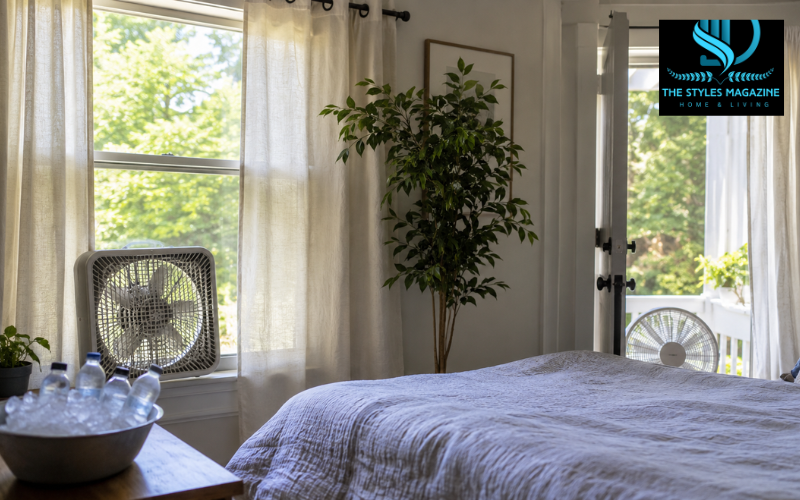
Learning how to cool a room without AC can be very useful during hot weather, power cuts, high energy bills, or in homes that do not have air conditioning installed. Not every room has access to a cooling system, and even when air conditioning is available, many people want cheaper and more natural ways to stay comfortable.
The best way to cool a room without air conditioning is to focus on three simple things: stop outdoor heat from entering, remove warm air that is already trapped inside, and create better airflow. When these three steps work together, a room can feel much more comfortable, especially during summer evenings and hot nights.
This guide explains practical ways to cool a room naturally, with or without electricity, fans, or portable cooling devices. You will also learn how to cool down a room fast, how to cool down a room naturally, how to cool a room without AC in summer, and even how to cool a room without a fan when you have very limited options.
Quick Guide Table
| Cooling Method | Best Time to Use | How It Helps |
| Close curtains and blinds | Daytime | Blocks sunlight before it heats the room |
| Open windows | Evening or night | Lets cooler outdoor air enter |
| Use a fan facing outward | Nighttime | Pushes hot indoor air outside |
| Turn off electronics | Anytime | Reduces heat created inside the room |
| Use light bedding | Nighttime | Helps the body stay cooler while sleeping |
| Damp sheet or cold towel | Dry weather | Creates a light cooling effect through evaporation |
| Reflective window film | Sunny rooms | Reduces heat and glare from direct sunlight |
Why Rooms Get Hot Without Air Conditioning
A room can become hot for many reasons, and understanding the cause makes it easier to choose the right cooling method. Sunlight is one of the biggest reasons. When direct sunlight enters through glass windows, it warms the room and the heat can stay trapped for hours. This is why a room with large windows or sun-facing glass often feels hotter than other parts of the home.
Poor ventilation also makes a room uncomfortable. If warm air has no easy way to escape, it keeps building up inside. Bedrooms, small rooms, upstairs spaces, and rooms with only one window often feel hotter because air cannot move freely. Heat also rises, so top-floor rooms usually become warmer than ground-floor rooms.
Indoor heat sources can make the problem worse. Computers, televisions, chargers, ovens, stoves, dishwashers, dryers, and even old light bulbs can add heat to a room. Body heat also matters, especially in small bedrooms where more than one person is sleeping. Before trying to cool a room, it helps to notice where the heat is coming from and when the room feels hottest.
Block Outdoor Heat Before It Enters the Room
One of the most effective ways to cool a room without AC is to stop heat before it gets inside. During the hottest part of the day, keep windows closed if the outdoor air is warmer than the indoor air. Many people open windows because the room feels hot, but if the air outside is even hotter, this can make the room worse.
Blinds, curtains, and shades should be closed before direct sunlight reaches the window. Waiting until the room is already hot is less effective because the glass, walls, and furniture may already have absorbed heat. Blackout curtains, thermal curtains, and reflective window coverings can reduce the amount of heat entering through the windows.
Reflective window film can also help on sun-facing windows. It reflects some sunlight away from the glass and can reduce glare, making the room feel cooler and easier to sit in during the day. You can also seal small gaps around windows and doors because hot outdoor air can enter through cracks, especially during hot windy weather.
This is one of the best methods for how to cool a room without AC in summer because it prevents heat from building up in the first place. Cooling a room is much easier when you stop it from becoming extremely hot during the day.
Use Windows the Right Way for Natural Cooling
Windows can either cool a room or make it hotter, depending on when and how you use them. The simple rule is to keep windows closed when the outside air is hotter than the inside air, and open them when the outside air becomes cooler. This usually happens early in the morning, late in the evening, or at night.
Cross-ventilation is one of the best natural cooling methods. This means opening windows on opposite sides of the room or home so fresh air can enter from one side and warm air can leave from the other. Even a small breeze can make a big difference when it has a clear path through the room.
If you live in a multi-story home, heat may collect upstairs or near the roof. Opening a top-floor window, attic space, or loft hatch in the evening can help warm air escape upward. This can be especially useful in homes where upper rooms feel stuffy at night.
For people searching how to cool a room without AC UK, window timing is very important. Many UK homes are built to hold warmth, which is helpful in winter but uncomfortable during heatwaves. During hot days, close curtains and windows early, then open them later when the outdoor air cools down.
Create Better Airflow With Fans
Fans do not usually lower the actual room temperature by much, but they can make people feel cooler by moving air across the skin. This is why fan placement matters. A fan placed in the wrong spot may simply move warm air around, while a fan placed correctly can help push hot air out and pull cooler air in.
At night, place a fan near a window facing outward. This helps blow hot indoor air outside. Then open another window across the room or in another part of the home so cooler air can enter. This creates a simple airflow path and helps remove trapped heat.
A box fan works well for this because it can sit close to the window and move a strong stream of air. Ceiling fans should usually run counter-clockwise in summer because this pushes air downward and creates a cooling breeze. Use a higher speed when the room feels very warm.
Avoid pointing a fan at a closed, sun-heated window during the day. This can move warm air back into the room and make the space feel uncomfortable. Fans work best when they support airflow, not when they fight against hot surfaces.
How to Cool Down a Room Fast
If you need to know how to cool down a room fast, start by stopping the heat source immediately. Close curtains or blinds if sunlight is entering the room. If the window glass is hot, block it as much as possible with curtains, shades, or a light-colored covering.
Next, check whether the air outside is cooler than the air inside. If it is cooler outside, open windows and create airflow. If it is hotter outside, keep windows closed and focus on removing indoor heat. Turn off unnecessary electronics, lights, chargers, computers, gaming devices, and anything else that gives off warmth.
If you have a fan, place it near a window facing outward to push hot air out. You can also place a bowl of ice, frozen water bottles, or a cold damp cloth near the airflow for a short cooling effect. This does not work like an air conditioner, but it can make the air around you feel cooler for a while.
Doors can also affect cooling. If cooler air is available in another part of the home, keep the door open so it can move into the room. If another area is hotter, close the door to stop warm air from spreading in. Fast cooling is about acting quickly and using the room layout wisely.
Step-by-Step Guide
Step 1: Block Heat During the Day
- Keep windows closed when outdoor air is hotter than indoor air.
- Close curtains, blinds, or shades before sunlight enters the room.
- Use blackout curtains, thermal curtains, or reflective film on sun-facing windows.
Step 2: Remove Trapped Warm Air
- Open windows in the evening when outdoor air becomes cooler.
- Create cross-ventilation by opening windows on opposite sides.
- Use a fan facing outward to push hot air outside if electricity is available.
Step 3: Reduce Indoor Heat Sources
- Turn off computers, TVs, chargers, and unnecessary lights.
- Avoid using ovens, dryers, or dishwashers during peak heat hours.
- Switch old bulbs to LED lights because they produce less heat.
Step 4: Make Sleeping More Comfortable
- Use cotton, bamboo, or linen bedding.
- Avoid thick blankets and synthetic sheets.
- Sleep lower to the ground if the room feels very hot.
Step 5: Choose Cooling Tricks Based on Climate
- Use damp sheets, ice bowls, or wet towels in dry weather.
- Avoid adding moisture in humid rooms.
- Focus on airflow and dehumidifying if the room feels sticky.
How to Cool Down a Room Naturally
To learn how to cool down a room naturally, think about shade, airflow, and moisture control. Natural cooling works best when you begin early in the day, before the room becomes too hot. Once walls, floors, and furniture absorb heat, the room may stay warm for several hours.
Shade is the first step. Keep sunlight away from windows using curtains, blinds, outdoor shade, or reflective coverings. Outdoor shade is especially helpful because it blocks sunlight before it reaches the glass. Awnings, plants, balcony shades, or exterior covers can reduce heat entering the room.
Airflow is the second step. Open windows when cooler air is available and create a path for warm air to leave. Keep floors clear where possible so air can move more easily through the room. Heavy rugs, thick fabrics, and clutter can hold warmth and make a room feel stuffier.
Evaporation can help in dry climates. A damp sheet near an open window or a bowl of cold water near a breeze may provide a gentle cooling effect. However, this should be used carefully. If the room is already humid, adding more moisture can make it feel sticky and uncomfortable.
How to Cool Down a Room Without Electricity
Knowing how to cool down a room without electricity is helpful during power cuts or in homes without electric fans. The most important step is to keep heat out during the day. Close curtains, blinds, and windows during peak heat, especially on sun-facing sides of the home.
At night, open windows if the outdoor air is cooler. Natural airflow can slowly remove heat from the room. If possible, open windows on opposite sides of the home to create a breeze. Even without a fan, air can move through the room when there is a clear path.
Sleeping lower to the ground can also help because warm air rises. If your bed is high or your room is upstairs, you may feel warmer. Sleeping closer to the floor, using lightweight bedding, and wearing loose clothing can make hot nights easier.
Cold water can help cool the body safely. Drink water often, use a cool damp cloth on your wrists or neck, and avoid heavy meals during the hottest part of the day. Do not cook indoors during peak heat if possible. Ovens and stoves can quickly warm up a room and make it harder to cool later.
How to Cool a Room Without a Fan
You can still cool a room even if you do not have a fan. The key is to reduce heat gain and encourage natural airflow whenever possible. Start by blocking sunlight with curtains, blinds, reflective film, or outdoor shade. A room that receives less sunlight will stay cooler for longer.
Open windows at night or early in the morning when the air outside is cooler. If there is only one window, open the room door to help air move through the home. If there are windows in nearby rooms, open them to create a wider airflow path.
Outdoor shade can make a big difference. Plants, awnings, bamboo blinds, balcony covers, or temporary shade cloth can reduce direct sunlight on the window. This is often more effective than only using indoor curtains because it stops heat before it reaches the glass.
Remove items that hold heat, such as heavy rugs, thick blankets, and dark fabrics. Use light bedding and sleep in the coolest part of the room. If the floor feels cooler than the bed, sleeping lower may help during very hot nights.
Portable Air Conditioner and Other Cooling Alternatives
A portable air conditioner can help when natural cooling methods are not enough, but it is important to understand how it works. Most portable AC units need electricity and a window vent to push hot air outside. Without proper venting, the unit may not cool the room well.
Portable AC units are useful for bedrooms, rental homes, small apartments, or rooms where central air conditioning is not available. However, they can use more electricity than fans, so they may not be the best option for everyone. They also work better when doors and windows are closed and the room is properly sealed.
Fans are cheaper to run and help people feel cooler, but they do not remove heat from the room. Evaporative coolers, also called swamp coolers, work best in dry climates because they cool air by adding moisture. In humid climates, they may make the room feel damp.
Dehumidifiers can help in humid rooms because dry air often feels more comfortable than sticky air. However, dehumidifiers can release a small amount of heat while running, so they are not the same as air conditioners. The best choice depends on your climate, room size, budget, and electricity access.
Reduce Heat Coming From Inside the Room
A room can feel hot even when the weather outside is not extreme if there are too many heat sources inside. Electronics such as computers, televisions, gaming consoles, routers, chargers, and lamps can release heat while they are running. Turning them off when not in use can help, especially in small rooms.
Old incandescent bulbs can also add warmth because they waste much of their energy as heat. Switching to LED bulbs is a simple way to reduce heat and save energy. LEDs stay much cooler and are better for rooms that already feel warm.
Cooking is another major source of indoor heat. Ovens, stoves, dishwashers, and clothes dryers can make the home hotter during the day. Try to use them in the evening, prepare cold meals, cook outside, or use smaller appliances when possible. Even simple changes can make a noticeable difference.
If one room in the home creates extra heat, such as a kitchen or laundry room, keep its door closed during hot hours. This helps stop warm air from spreading into bedrooms or living spaces.
Make Your Bed and Sleeping Area Cooler
Many people search for how to cool a room without AC because they struggle to sleep in hot weather. Your sleeping area can make a big difference. Use breathable bedding such as cotton, bamboo, or linen because these materials allow better airflow and feel lighter on the skin.
Avoid heavy comforters, thick blankets, and synthetic bedding during summer. These materials can trap body heat and make the bed feel warmer. Light sheets are usually enough for hot nights.
You can also cool your pillow or sheets before bedtime. Some people place pillowcases in a cool area for a short time or use a cold water bottle near the feet. A cool damp cloth on the neck or wrists can also help lower discomfort before sleep.
Bed placement matters too. If possible, keep the bed away from direct sunlight during the day. A bed near a hot window or wall may stay warm for hours. Try to sleep where airflow is better, such as near an open doorway or in the path of a natural breeze.
Cooling Tips for Humid vs Dry Climates
The best cooling method depends on your climate. In dry areas, evaporation can work well. Damp sheets, wet towels, bowls of cold water, and evaporative coolers may help because dry air can absorb moisture and create a cooling effect.
In humid climates, these same methods may not work well. Adding more moisture to an already humid room can make the air feel heavy and uncomfortable. In this case, ventilation is more important. Moving air out of the room and reducing moisture can make the space feel better.
A dehumidifier may help in humid rooms, especially if the air feels sticky. It may not cool the room like an AC, but it can make the room feel less uncomfortable. In dry climates, focus more on shade, airflow, and evaporation. In humid climates, focus on shade, airflow, and moisture control.
Choosing the right method for your weather is important. A trick that works well in one country or season may not work in another. Always consider whether your room is hot and dry or hot and humid before choosing a cooling method.
Common Mistakes That Make a Room Hotter
Some common habits can make a room hotter without people realizing it. One mistake is leaving windows open during the hottest part of the day. If the air outside is hotter than the room, open windows will bring more heat inside.
Another mistake is allowing sunlight to hit the glass for hours. Once the sun warms the room, it can be difficult to cool it later. Curtains and blinds should be closed before the sun becomes strong, not after the room is already hot.
Running too many electronics also adds heat. A computer, TV, gaming system, and several chargers can make a small room warmer. Using ovens, dryers, or dishwashers during peak heat can also raise indoor temperature.
Using the wrong fabric can make the room feel warmer. Dark curtains, heavy rugs, thick blankets, and synthetic bedding can hold heat. Another mistake is adding too much moisture in a humid room. This can make the air feel sticky instead of cool.
Quick Cooling Checklist for a Hot Room
When a room feels too hot, start with the basics. Close windows and blinds during daytime heat. Block direct sunlight before it enters the room. Turn off electronics and lights that are not needed.
When the outdoor air becomes cooler, open windows and create cross-ventilation. If you have a fan, use it to push hot air outside instead of only moving warm air around the room. Choose breathable bedding and avoid cooking indoors during the hottest hours.
Use cooling hacks that match your climate. Ice bowls, damp sheets, and wet towels are better in dry weather. In humid weather, focus more on ventilation, shade, and reducing moisture. The goal is to combine several small steps so the room becomes more comfortable over time.
Conclusion
The best way to learn how to cool a room without AC is to understand that cooling is not about one single trick. It is about combining heat blocking, airflow, and smart daily habits. When you stop sunlight from entering, remove trapped warm air, and reduce indoor heat sources, the room can feel much more comfortable.
No single method works for every room. A small bedroom, upstairs room, humid room, dry room, or room with only one window may need a different approach. Choose the tips that fit your room layout, weather, and available tools.
Simple changes can make a real difference. Close curtains during the day, open windows at the right time, use fans wisely, switch off heat-producing devices, and choose lighter bedding at night. With the right habits, you can make your room cooler, more comfortable, and easier to sleep in during hot weather without depending on air conditioning.
FAQs
How Can I Cool A Room Without Ac Quickly?
Close curtains, block sunlight, turn off electronics, and open windows only if the air outside is cooler. If you have a fan, face it outward to push hot air outside.
Does Putting Ice In Front Of A Fan Really Work?
Yes, but only for short-term comfort. Ice in front of a fan can make the nearby air feel cooler, but it will not cool the whole room like an air conditioner.
Should Windows Be Open Or Closed In Hot Weather?
Keep windows closed during the hottest part of the day if outdoor air is warmer. Open them in the evening or night when the outside air becomes cooler.
How Do I Cool A Room Without Electricity?
Block sunlight, close windows during peak heat, open them at night, use breathable bedding, drink cool water, and avoid cooking indoors during hot hours.
What Is The Best Natural Way To Cool A Room?
The best natural method is to block sunlight during the day and create airflow at night. This helps stop heat buildup and removes warm air from the room.
Enjoyed it? Find more exclusive content on The Styles Magazine.
Disclaimer: This article is for general informational purposes only. Cooling results may vary depending on room size, weather, humidity, insulation, and ventilation. During extreme heat, follow local health advice and seek a cooler place if indoor temperatures become unsafe.