Learning how to increase humidity in house is important when the air inside your home feels too dry, uncomfortable, or harsh on your skin and breathing. In simple words, increasing humidity means adding a healthy amount of moisture back into the indoor air so your home feels more comfortable without becoming damp or sticky.
Indoor air can become dry for many reasons. It often happens in winter because cold outdoor air holds less moisture. When that air enters your home and gets warmed by your heating system, it can feel even drier. Central heating, furnaces, fireplaces, and space heaters can all make indoor air lose moisture. Air conditioning can also reduce humidity during warmer months because AC systems remove moisture while cooling the air.
A comfortable indoor humidity level is usually between 30% and 50%. This range helps your home feel balanced. If humidity drops below this level, you may notice dry skin, a scratchy throat, static electricity, cracked wood furniture, dry indoor plants, and poor sleep comfort. If humidity gets too high, your home may start to feel damp, and mold or mildew can become a problem.
The good news is that you can raise humidity in several simple ways. Some methods work quickly, some are natural, and some are better for long-term control. This guide explains how to increase humidity in house using humidifiers, natural home methods, winter tips, overnight solutions, plant-friendly ideas, and safety steps to keep your home comfortable without making it too wet.
Quick Guide Table
| Method | Best For | How It Helps | Safety Tip |
| Use a humidifier | Fast and steady results | Adds controlled moisture to indoor air | Clean it often and monitor humidity |
| Simmer water | Quick natural moisture | Releases steam into the air | Never leave the stove unattended |
| Air-dry clothes indoors | Free daily humidity boost | Damp clothes release moisture while drying | Keep airflow good to avoid musty smells |
| Leave shower steam out | Small humidity increase | Warm steam spreads into nearby rooms | Avoid this if bathroom has mold issues |
| Add houseplants | Plant-friendly humidity | Plants release moisture through leaves | Keep plants away from heating vents |
| Seal drafts | Winter dryness control | Stops dry outdoor air from entering | Check windows, doors, and gaps |
| Use water bowls | Slow natural method | Water evaporates into dry air | Keep bowls away from electronics |
Why Indoor Humidity Drops in the First Place
Indoor humidity drops when the air inside your house loses moisture or when dry air keeps entering from outside. This is very common in winter because outdoor air is naturally drier in cold weather. When that dry air comes inside through windows, doors, small cracks, or poorly sealed areas, it lowers the moisture level in your home.
Heating systems can also make the air feel dry. While heaters do not always remove water directly from the air, they warm the indoor air and make the moisture level feel much lower. This is why your skin, throat, and nose may feel dry after the heat has been running for several hours.
Air conditioning can also reduce indoor humidity. AC units pull moisture from the air as they cool the room. This can be helpful in humid climates, but if your home is already dry, constant AC use may make the air feel uncomfortable.
Poorly sealed windows and doors can make the issue worse. If dry air keeps leaking into your home, it becomes harder to maintain a healthy humidity level. Large rooms can also feel dry because there is more air space to fill with moisture. Homes with fewer plants, no indoor water sources, and little daily steam from cooking or showering may also have lower humidity.
Understanding the cause of dry air helps you choose the right solution. Sometimes a humidifier is the best answer. Other times, small changes in your daily routine can make a noticeable difference.
Signs Your House Needs More Humidity
Your home may need more humidity if the air feels dry and uncomfortable most of the day. One of the first signs is dry, itchy, or cracked skin. You may use lotion often, but your skin still feels tight or rough. Dry air pulls moisture from your skin, especially during winter or when heating is used regularly.
Another common sign is a dry nose, scratchy throat, or irritated breathing. You may wake up with a dry mouth or feel discomfort in your throat even when you are not sick. Low humidity can also make your nasal passages feel dry, which can be annoying during sleep.
Static electricity is another clear sign. If you often get small shocks when touching door handles, blankets, clothes, or furniture, your indoor air may be too dry. Dry air allows static charges to build up more easily.
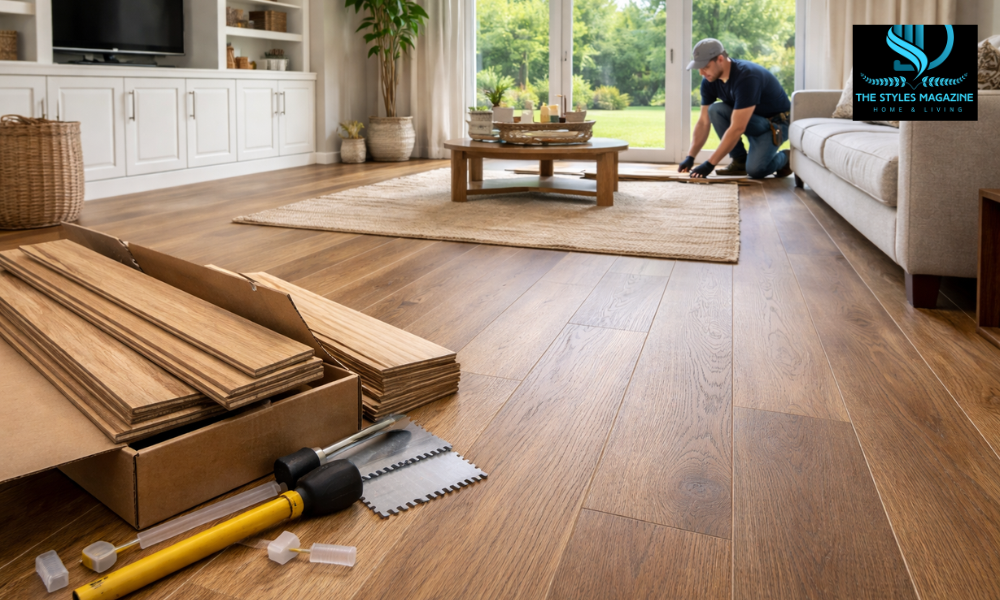
Wooden items can also show signs of low humidity. Wood floors, doors, cabinets, and furniture may shrink, crack, or develop small gaps when the air stays too dry for a long time. Musical instruments made of wood can also be affected.
Houseplants may begin to suffer as well. If the leaf edges turn brown, the leaves curl, or plants look dull even with proper watering, dry air may be part of the problem. You may also feel colder indoors, even when the heat is on, because dry air can make a room feel less cozy.
The Best Humidity Level for a Comfortable Home
The best indoor humidity level for most homes is between 30% and 50%. This range is comfortable for many people and also safer for your home. It gives the air enough moisture to reduce dryness without creating a damp environment.
When humidity falls below 30%, the air can feel too dry. This may lead to dry skin, irritated eyes, a scratchy throat, and more static electricity. It can also affect wood furniture, floors, and indoor plants. In dry conditions, you may also feel that your home is cooler than it really is.
On the other hand, humidity above 60% can cause different problems. When indoor air becomes too moist, mold, mildew, and dust mites may grow more easily. You may notice a musty smell, damp walls, wet windows, or condensation on glass. This is why the goal is not to make your home very humid. The goal is to create balance.
A small digital hygrometer can help you track the humidity level in your home. It is usually inexpensive and easy to use. You can place it in your bedroom, living room, or any room that feels too dry. Different rooms may have different humidity needs, so checking more than one area can be helpful.
Once you know the actual humidity level, it becomes much easier to decide whether you need a humidifier, natural methods, or better air sealing.
Use a Humidifier for the Most Reliable Results
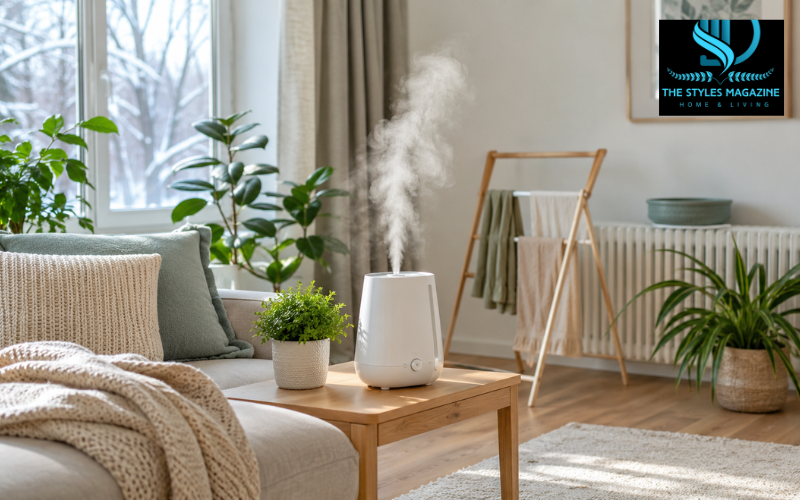
A humidifier is the most reliable way to increase humidity in house because it gives you steady control. Instead of depending only on steam from cooking or water bowls, a humidifier adds moisture directly into the air. This is especially useful during winter, in dry climates, or in bedrooms where dry air affects sleep.
There are several types of humidifiers. A cool mist humidifier releases cool moisture into the room and is a popular choice for everyday use. A warm mist humidifier heats water and releases warm vapor, which can feel comforting in colder months. An ultrasonic humidifier uses vibration to create a fine mist and often runs quietly. An evaporative humidifier uses a fan and wick to add moisture naturally. A whole-house humidifier connects to the home’s heating or HVAC system and helps manage humidity across the entire house.
Placement matters. A room humidifier should usually be placed on a flat, raised surface, away from walls, bedding, curtains, and electronics. It should not blow mist directly onto furniture or floors because this may create wet spots. For bedrooms, place it a safe distance from the bed so the air becomes comfortable without feeling damp.
Cleaning is very important. A dirty humidifier can spread unwanted particles or smells into the air. Clean it often according to the manufacturer’s instructions. Use clean water, and when needed, use distilled water to reduce mineral buildup. Most importantly, avoid over-humidifying the room. A humidifier works best when used with a hygrometer, so you can keep the level in a healthy range.
How to Increase Humidity in House Naturally
If you want to know how to increase humidity in house naturally, there are several simple methods you can try. These ideas may not be as controlled as a humidifier, but they can still help add moisture to the air.
One easy method is placing bowls of water near safe heat sources. As the water warms, it slowly evaporates into the air. Wide, shallow bowls work better because they expose more water surface to the air. Keep them away from electronics, open flames, and areas where children or pets may knock them over.
Cooking can also help. When you boil water, make soup, or simmer food, steam rises and adds moisture to the kitchen and nearby rooms. Leaving the kitchen door open can help that moisture move through the home. You can also let warm steam from cooking spread instead of using strong ventilation every time, as long as the room does not become too damp.
Air-drying laundry indoors is another natural method. Wet clothes release moisture as they dry, which can raise humidity in the room. This works especially well during winter when indoor air is very dry. However, make sure the room has enough airflow so clothes do not stay damp too long.
Bathroom steam can also help. After a warm shower, leaving the bathroom door open allows steam to move into nearby spaces. If you take a bath, you can let the water cool before draining it so more moisture evaporates into the air.
Houseplants are also useful. Many plants release moisture through their leaves. Humidity-friendly plants can make the indoor air feel fresher while also improving the look of your home. Indoor water features can also add moisture, but they should only be used if they are easy to clean.
How to Increase Humidity in House Without Humidifier
Knowing how to increase humidity in house without humidifier is helpful if you want free or low-cost options. These methods are simple and can fit into your normal daily routine.
Simmering water on the stove is one of the fastest ways to add moisture without a humidifier. Keep the heat low and never leave the stove unattended. You can also add lemon slices, herbs, or cinnamon for a light natural scent, but plain water works fine.
Drying clothes on an indoor rack is another useful method. Instead of using a dryer every time, hang damp laundry in a dry room. As the clothes dry, moisture enters the air. This can also help save energy.
The dishwasher can also help after the final rinse cycle. Instead of using heated dry, you can open the door slightly and allow steam to enter the kitchen. This adds moisture while also reducing some energy use.
Water trays near sunny windows can increase evaporation during the day. Grouping houseplants together can also create a small area with better humidity. If you have radiators, ceramic water containers made for radiator use may help, but only use them where safe and suitable.
Leaving shower steam inside the home can also work when the bathroom is clean and there is no mold problem. These methods are best for mild dryness. If your humidity is very low, a humidifier may still be needed.
How to Increase Humidity in House Quickly
If the air feels very dry and you need faster results, focus on methods that release moisture directly into the room. The quickest option is usually a room humidifier placed in the driest area. It can start raising humidity within a short time, especially in a bedroom, living room, or office.
Boiling or simmering water safely can also help quickly. Steam moves into the air fast, making the kitchen and nearby areas feel less dry. Always stay near the stove while water is heating.
A warm shower can also add moisture fast. Letting the bathroom door stay open after showering can help steam move into nearby rooms. This works best when the home is dry and there is no moisture problem in the bathroom.
Wide bowls of warm water can be placed in dry rooms to support evaporation. Warm water evaporates faster than cold water, but keep bowls in safe places where they will not spill. Damp laundry can also be moved to the room that needs more moisture.
To make these quick methods more effective, close doors and windows in the dry area. This helps keep moisture inside instead of letting it escape. If dry outdoor air is entering through leaks, quick humidity gains may disappear faster.
How to Increase Humidity in House Overnight
Many people notice dry air most at night. You may wake up with a dry throat, dry nose, or uncomfortable skin. If you want to increase humidity overnight, the safest and most controlled method is running a clean humidifier while sleeping.
A bedroom humidifier can help keep the air comfortable through the night. Use a hygrometer so the room does not become too humid. Keep the humidifier away from bedding, walls, and electronics. Clean it regularly and refill it with clean water.
You can also place a bowl of water near a safe heat source before bed, but avoid placing it where it can spill. This method works slowly, so it may be better for mild dryness.
If nearby rooms are more humid, keeping the bedroom door slightly open may help air move more evenly. Breathable bedding can also improve comfort because it helps prevent the room from feeling stuffy.
Avoid making the bedroom too damp overnight. Too much moisture can lead to window condensation, musty smells, or mold growth. In the morning, check your hygrometer and look for signs of excess moisture. The goal is comfortable air, not wet surfaces.
How to Increase Humidity in House in Winter
Winter is one of the most common times people search for how to increase humidity in house in winter. Cold air holds less moisture, and heating systems can make indoor air feel even drier. This is why dry skin, static electricity, and scratchy throats are more common during colder months.
Start by sealing drafts around windows and doors. If dry outdoor air keeps entering, it will be harder to maintain humidity. Weatherstripping, door sweeps, and simple draft blockers can help keep indoor air more stable.
Using a humidifier with your heating system is one of the best winter solutions. A portable humidifier can help one room, while a whole-house humidifier can support the entire home. Avoid overheating the home because very warm indoor air can feel drier and may increase discomfort.
You can also use natural moisture sources. Place water bowls near safe warm areas, let cooking steam spread when possible, and allow shower steam to move into nearby spaces. These small steps can support your main humidity plan.
Watch your windows during winter. If you see heavy condensation, water droplets, or damp window frames, humidity may be too high for the outdoor temperature. Lower the humidity slightly and improve airflow if needed.
How to Increase Humidity in a Room With AC
Air conditioning can make a room feel dry because it removes moisture while cooling the air. If you want to know how to increase humidity in a room with AC, start by using a small humidifier in the room. This gives you better control while the AC is running.
Avoid setting the AC temperature too low. Very cold settings can make the air feel dry and uncomfortable. A moderate temperature may help the room stay comfortable without removing too much moisture.
Keeping doors closed can help hold moisture in the room. If the humidifier is running but the door stays open, moisture may spread out and become less effective. At the same time, avoid trapping too much moisture in a room with poor airflow.
Plants can also help, especially those that tolerate indoor conditions. Place them away from direct cold air from the AC vent. You can also use water bowls, but keep them away from electronics, plugs, and AC equipment.
Clean AC filters regularly to support better indoor air quality. Dirty filters can affect airflow and comfort. If the room still feels dry even with these steps, check the humidity level with a hygrometer and adjust your method.
How to Increase Humidity in House for Plants
Plants often show signs of dry air before people notice it. If your plant leaves are turning brown at the edges, curling, or looking weak, low humidity may be part of the issue. Learning how to increase humidity in house for plants can help your indoor greenery stay healthier.
Grouping plants together is a simple method. Plants release moisture through their leaves, and when they are placed close to each other, they create a small humid zone. This is especially helpful for tropical plants.
Pebble trays can also help. Place pebbles in a tray, add water below the top of the pebbles, and set the plant pot on top. The pot should not sit directly in water, but the water in the tray can slowly evaporate around the plant.
Choose plants that enjoy humidity, such as ferns, palms, and peace lilies. These plants often do better when the air is not too dry. Keep them away from direct heating vents because hot airflow can dry leaves quickly.
A room humidifier is often the best option for tropical plants, especially in winter. Misting can give short-term moisture, but it does not raise room humidity for long. It may also leave leaves wet, which can cause problems for some plants. A steady humidity level is better than quick misting alone.
Mistakes to Avoid When Adding Humidity
Adding moisture to indoor air is helpful, but too much humidity can create problems. One of the biggest mistakes is letting humidity rise above 60%. At that level, mold, mildew, and dust mites may become more likely. Your home may also start to feel damp or smell musty.
Another mistake is running a dirty humidifier. If a humidifier is not cleaned often, it can spread unpleasant odors or unwanted buildup into the air. Always follow the cleaning instructions and change water regularly.
Water bowls and trays should be placed safely. Do not put them near electronics, power strips, loose wires, or areas where they can spill easily. Moisture and electricity should always be kept apart.
Do not ignore warning signs like mold spots, musty smells, wet windows, or damp walls. These signs may mean you are adding too much moisture or that a room has poor airflow. If you notice these issues, reduce humidity and improve ventilation.
Using too much steam in a poorly ventilated room can also cause dampness. Steam from showers and cooking can help, but it should not collect on walls or windows for long periods.
Finally, do not forget to seal drafts. If dry air keeps entering your house, your humidity efforts may not last. Fixing leaks around windows and doors can make every humidity method work better.
Clean Conclusion
The best way to increase humidity in house depends on your home, the season, the room size, and how dry the air feels. A humidifier gives the most control and is often the best choice for steady results, especially in bedrooms, large rooms, or very dry winter conditions. Natural methods can also help, such as air-drying clothes, simmering water, using shower steam, placing bowls of water safely, and adding houseplants.
The most important goal is balance. Indoor humidity should usually stay between 30% and 50% for comfort. If it drops too low, your skin, throat, furniture, and plants may suffer. If it rises too high, your home may feel damp and mold may become a concern.
Use a digital hygrometer to check your levels instead of guessing. Start with simple methods, watch how your home responds, and avoid adding too much moisture at once. With the right approach, you can make your indoor air feel softer, healthier, and more comfortable without making your house feel damp.
FAQs
How Can I Increase Humidity In My House Quickly?
The fastest way is to use a clean humidifier in the driest room. You can also simmer water, let shower steam spread, or place warm water bowls safely around the space.
How Do I Increase Humidity In House Naturally?
You can increase humidity naturally by air-drying clothes indoors, using houseplants, placing water bowls near safe heat sources, leaving bathwater to cool, and letting cooking steam spread.
What Is The Best Humidity Level For A House?
A comfortable indoor humidity level is usually between 30% and 50%. Below 30% can feel too dry, while above 60% may increase mold, mildew, and dust mite risk.
Can I Increase Humidity Without A Humidifier?
Yes, you can use simple methods like simmering water, drying laundry indoors, opening the dishwasher after rinsing, grouping plants together, or placing shallow bowls of water in sunny areas.
Is Too Much Humidity Bad For A House?
Yes, too much humidity can cause mold, mildew, musty smells, window condensation, and damage to walls or furniture. Use a hygrometer to keep moisture levels balanced.
Enjoyed it? Find more exclusive content on The Styles Magazine.
Disclaimer: This article is for general home improvement and informational purposes only. Indoor humidity needs can vary depending on your climate, home condition, HVAC system, and health needs. If you notice mold, water damage, breathing problems, or serious indoor air quality concerns, consider speaking with a qualified home or health professional.