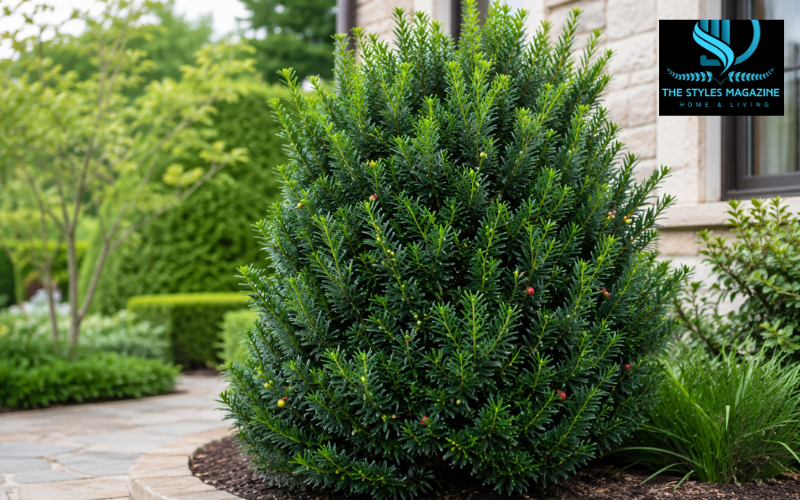
The yew pine plant is a slow-growing evergreen valued for its neat shape, attractive foliage, and ability to handle regular pruning. Its scientific name is Podocarpus macrophyllus, and it belongs to an ancient family of cone-bearing plants. Although its leaves look similar to those of a true yew, it is not part of the Taxus yew family.
Native to parts of East Asia, including southern China, Taiwan, Japan, and nearby regions, this plant is commonly known as Buddhist pine, Japanese yew, yew plum pine, southern yew, or simply podocarpus. It has long, narrow, dark-green leaves that remain on narrow, dark-green leaves that remain on the plant throughout the year.
Gardeners often grow the yew pine plant as a privacy hedge, living screen, shaped shrub, small tree, or formal topiary. It can also grow successfully in a large container, making it useful for patios, entrances, balconies, and bright indoor spaces in colder climates. Its ability to grow in different forms is one of the main reasons it remains popular ins.
Yew Pine Plant Quick Guide
| Feature | Quick Information |
| Scientific name | Podocarpus macrophyllus |
| Common names | Buddhist pine, Japanese yew, yew plum pine |
| Plant type | Evergreen conifer |
| Mature height | Usually 20–40 feet outdoors; sometimes taller |
| Growth rate | Slow to moderate |
| Sunlight | Full sun to partial shade |
| Indoor light | Bright, indirect light |
| Soil | Fertile, slightly acidic, and well-draining |
| Watering | Water when the upper soil begins to dry |
| Hardiness zones | Commonly USDA Zones 8–11 |
| Main uses | Hedge, privacy screen, topiary, bonsai, or container plant |
| Safety | Seeds are poisonous; keep away from children and pets |
Yew Pine Plant Appearance and Key Features
A healthy yew pine has glossy, deep-green leaves that are narrow, flat, and slightly leathery. They may look like needles from a distance, but they are softer and wider than the sharp needles found on many other conifers. Mature leaves can reach several inches in length and grow in dense spirals along the branches.
The plant naturally develops an upright, narrow, or cone-shaped form. Young plants may look bushy and compact, while older specimens gradually develop stronger trunks and a more tree-like appearance. Because the branches grow densely, the plant can create an effective visual barrier when several specimens are planted together.
Its final appearance depends heavily on pruning. A plant left mostly untrimmed can become a tall, graceful evergreen tree. Regularly clipped plants develop into thick hedges, clean columns, geometric shapes, or formal topiaries. When grown in a pot, the roots have less space, so the plant usually stays shorter and more compact. It can even be trained as bonsai because it responds well to careful shaping.
Yew Pine Plant Height and Mature Size
The mature yew pine plant height depends on the variety, climate, available root space, and pruning routine. A full-size Podocarpus macrophyllus growing outdoors may eventually reach about 20 to 40 feet in cultivation. Older tree-form specimens can grow close to 50 feet when they have enough space and suitable conditions. Their spread may range from around 10 to 20 feet if the bry.
However, most landscape plants do not reach their maximum natural size. Regular hedge trimming can keep them between 6 and 15 feet tall for many years. Narrow cultivars may remain more column-shaped, while dwarf selections can stay below 5 feet.
Container-grown plants are usually much smaller because restricted roots limit their growth. Indoor or patio specimens may remain only a few feet tall, especially when lightly root-pruned and kept in the same pot. Before planting, homeowners should check the expected mature size of the exact variety rather than assuming every podocarpus will grow at the same rate or reach the same height.
Yew Podocarpus Growth Rate
The yew podocarpus growth rate is generally described as slow to moderate. It does not usually provide instant privacy in the way that some fast-growing hedge plants do. However, its controlled growth creates dense, strong foliage that is easier to shape and maintain over time.
Growth is fastest when the plant receives sufficient light, regular moisture during establishment, good soil drainage, and suitable nutrition. A plant growing in deep shade, compacted soil, a small container, or a cold climate will normally develop more slowly. Newly planted specimens may also spend their first season building roots rather than producing a large amount of visible top growth.
A yew pine hedge may take several years to become fully dense, depending on the starting size of the plants and their spacing. Buying larger nursery plants may create faster coverage, but young plants often establish more easily and cost less. Proper spacing is important. Plants placed too far apart leave long-lasting gaps, while plants crowded too closely may compete for light, water, and root space.
Best Growing Conditions for a Healthy Yew Pine
The yew pine plant performs best in full sun or partial shade. Outdoor plants usually develop the thickest foliage when they receive several hours of sunlight each day. They can tolerate shade, but very low light may lead to thin growth, larger gaps between leaves, and slower development.
Indoor plants should be placed close to a bright window where they receive strong indirect light. A small amount of gentle morning sun is usually helpful, but sudden exposure to intense afternoon sun can scorch a plant that has been grown indoors for a long time.
Yew pine prefers warm or mild climates. It is commonly grown outdoors in USDA Hardiness Zones 8 through 11, although some established plants, protected locations, and certain varieties may survive in Zone 7. Gardeners in colder regions should grow it in a movable container and bring it indoorss.
Moderate humidity is suitable, but the plant is generally adaptable. More important than humidity is good airflow and soil that drains freely after watering or rain.
Complete Yew Pine Plant Care Guide
Good yew pine plant care begins with choosing the correct location. The plant needs enough light to maintain dense growth, but it also needs protection from soil that remains wet for long periods. Newly planted specimens require more attention than mature plants because their root systems are still developing.
During the first one or two growing seasons, check the soil regularly and water when the upper layer begins to dry. A thin layer of organic mulch can help hold moisture and protect the roots, but mulch should not be piled against the trunk.
Established outdoor plants are relatively drought-tolerant, although they still benefit from deep watering during long, hot, dry periods. Fertilizer is not always necessary in rich garden soil. When growth appears weak, a balanced slow-release fertilizer can be applied during the active growing season according to the product label. Excess fertilizer should be avoided because it may produce weak growth or damage the roots.
Potted plants need more frequent checking because containers dry out faster. They may also require repotting every few years when roots begin circling the pot or water stops draining properly.
Watering and Soil Requirements
A newly planted yew pine should be watered deeply enough to moisten the root area. Instead of giving small amounts of water every day, allow the upper part of the soil to dry slightly and then water thoroughly. This encourages the roots to grow deeper.
Once established, outdoor plants can handle short dry periods. However, drought tolerance does not mean the plant should be kept completely dry. Leaves may lose their healthy appearance if the roots remain dry for too long, especially during hot weather.
Overwatering is a greater concern than slight dryness. Yew pine does not tolerate waterlogged soil, and roots that remain saturated may develop rot. Signs can include yellow foliage, weak growth, leaf drop, soft roots, or declining branches.
The best soil is fertile, loose, and well-draining, with a slightly acidic reaction. Alkaline soil may cause chlorosis, which makes the leaves turn pale or yellow because the plant cannot absorb certain nutrients properly. Mixing organic matter into poor soil may improve its structure, but planting in a low aread.
Pruning, Shaping, and Hedge Maintenance
One of the strongest features of the yew pine plant is its ability to tolerate pruning. Regular trimming encourages denser branching and helps maintain a hedge, screen, column, bonsai, or formal topiary.
Light shaping can be carried out during active growth. Begin by removing dead, damaged, crossing, or badly placed branches. When maintaining a hedge, trim the sides so that the base remains slightly wider than the top. This allows sunlight to reach the lower branches and helps prevent the bottom from becoming bare.
Avoid removing a large amount of healthy growth at one time unless the plant has become badly overgrown. Gradual shaping usually produces a more natural and healthy result. Young plants can be trimmed lightly to encourage branching, while established hedges may need maintenance several times during the growing season.
For a tree form, lower branches can be removed gradually as the main trunk develops. Container plants and bonsai specimens require more careful trimming because their limited root systems cannot support rapid replacement growth. Always use clean, sharp pruning tools to create smooth cuts and reduce the chance of damage.
Yew Pine Plant Benefits in Homes and Landscapes
The main yew pine plant benefits come from its evergreen foliage, flexible growth habit, and long-term landscape value. Its dense leaves can provide privacy throughout the year, unlike deciduous hedges that become bare during winter.
When planted in a row, yew pine works well as a screen between neighboring properties, around patios, or beside outdoor living areas. Taller specimens can reduce wind movement and create a green background for flowering plants. A single well-shaped plant can serve as an accent near an entrance, driveway, courtyard, or garden path.
The plant is also useful in narrow spaces because many varieties have an upright growth habit. Its roots are generally considered less aggressive than those of many large shade trees, although mature specimens should still be given enough room away from foundations and underground services.
Once established in suitable soil, yew pine needs relatively little care. It tolerates pruning, periods of dryness, some shade, heat, and coastal conditions. These qualities make it practical for gardeners who want a formal evergreen without conste.
Yew Pine Plant Poisonous Parts and Safety
Questions about whether the yew pine plant is poisonous require a careful answer. The plant produces a fleshy, fruit-like structure with a seed attached to or sitting above it. Some botanical references describe the ripe fleshy receptacle as edible for humans, but the seed itself is poisonous and should not be eaten. Because separating the parts can be confusing, the safest household advice is not to consume any part of the fruit unless it has been correctly identified and prepared be plant knowledge.
The ASPCA lists Buddhist pine or yew pine as toxic to dogs, cats, and horses. Reported signs after ingestion include vomiting, diarrhea, and colic in horses. The exact tolearly identified.
Homes with young children or pets should remove fallen fruit promptly and place container plants out of reach. Livestock should not be allowed to graze near the plant. Anyone who suspects a child has swallowed the seed should contact a medical professional or poison-control service. Pet owners should contact a veterinarian promptly if an animal chews or eats the plant.
Yew Plum Pine Fruit and Seed Production
The yew plum pine fruit is not a true berry. It is a modified cone made up of a fleshy receptacle and an exposed seed. As it matures, the fleshy portion may change from green to red or purple, while the seed may appear blue-green or dark in color.
Yew pine plants commonly have male and female reproductive structures on separate plants. A female plant generally needs pollen from a nearby male plant before it can produce mature seeds. For this reason, a single plant may never develop fruit, even when it appears healthy.
Fruit production can also depend on the plant’s age, growing conditions, and local pollination. Birds may be attracted to the colorful mature structures and can spread the seeds into nearby areas.
Gardeners should handle the fruit carefully and avoid crushing or tasting the seed. Although some references discuss culinary use of the ripe fleshy portion, the poisonous seed creates an unnecessary risk for inexperienced growers. In family gardens, removing the fruit before it falls may be the safest approach, especially where children or animals regularly play.
Common Problems, Yellow Leaves, and Pests
Yellow leaves are among the most common yew pine problems. They are often linked to overwatering, poor drainage, or alkaline soil. If the entire plant begins turning yellow, check whether the soil remains wet for several days after watering. Improving drainage may be more useful than adding fertilizer.
Alkaline soil can prevent the roots from taking up nutrients properly, causing pale leaves with greener veins. A soil test can help confirm the problem before any treatment is applied. Using an appropriate soil amendment or fertilizer designed for acid-loving plants may help, but the product should be used carefully.
Brown leaves may result from severe drought, cold injury, salt buildup in containers, excessive fertilizer, or sudden exposure to strong sunlight. Indoor leaf drop can occur when the plant receives too little light or experiences a sudden change in temperature.
Yew pine has relatively few serious pest problems. Scale insects may appear on indoor plants, while aphids can sometimes damage soft new growth and cause curling. Small infestations may be controlled by removing affected growth, washing the foliage, or using insecticidal soap according to label directions. Root rot remains the most serious preventable.
Buying a Yew Pine Plant for Sale
When looking for a yew pine plant for sale, begin by checking whether the variety suits your available space. A standard plant may eventually become a large shrub or tree, while a dwarf or narrow cultivar may be better for a small garden, container, or short hedge.
Choose a plant with rich-green foliage and balanced growth. Avoid specimens with widespread yellowing, brown branch tips, sticky leaves, visible insects, damaged trunks, or a sour smell coming from the soil. A few older yellow leaves near the interior are not always a serious concern, but major discoloration may indicate poor roots or incorrect watering.
Check that the nursery pot has drainage holes and that the plant is not sitting in stagnant water. If possible, examine the roots. Healthy roots are usually firm and light-colored rather than black, soft, or unpleasant-smelling.
People searching for yew plum pine for sale should also confirm the scientific name. Common names can be confusing, and a plant labeled “Japanese yew” might refer to a true Taxus species rather than Podocarpus macrophyllus. Buying from a reliable nursery makes it easier to confirm the mature size, cold tolerance, and care needs of the exact plant.
Conclusion
The yew pine plant is a useful evergreen for hedges, privacy screens, topiary, containers, and small landscape trees. It develops slowly, but its dense foliage and strong response to pruning make it easier to shape than many faster-growing plants.
A mature outdoor specimen may eventually become a large tree, while regular trimming or container growing can keep it compact. The most important care requirements are suitable light, well-draining soil, careful watering, and protection from severe cold. Once established, it can tolerate dry periods and usually requires only moderate seasonal maintenance.
Growers should also understand its safety concerns. The colorful fruit-like structure may look attractive, but the seed is poisonous, and the plant is considered toxic to dogs, cats, and horses. Keeping fallen fruit away from children and animals is a sensible precaution.
With the correct location and basic care, a yew pine can remain attractive for many years. Choose a variety that matches the available space, avoid waterlogged soil, prune gradually, and allow the plant time to develop its naturally dense evergreen form.
Frequently Asked Questions
Is The Yew Pine Plant Poisonous?
The seed attached to the fruit-like structure is poisonous and should never be eaten. The plant may also be toxic to pets, so keep fallen fruit and plant material out of reach.
How Tall Does A Yew Pine Plant Grow?
An outdoor yew pine plant commonly reaches 20–40 feet, although older specimens may grow taller. Regular pruning and container growing can keep the plant much smaller and more compact.
How Fast Does Yew Podocarpus Grow?
Yew podocarpus has a slow-to-moderate growth rate. Healthy soil, adequate sunlight, correct watering, and suitable temperatures support steady growth, but a dense privacy hedge may take several years to develop.
Can A Yew Pine Plant Grow Indoors?
Yes, it can grow indoors when placed near a bright window with indirect light. Use a draining pot, avoid overwatering, and keep the plant away from cold drafts and heating vents.
Why Are My Yew Pine Leaves Turning Yellow?
Yellow leaves are commonly caused by overwatering, poor drainage, or alkaline soil. Check the soil moisture first, improve drainage, and consider testing the soil before applying fertilizer or amendments.
Enjoyed it? Find more exclusive content on The Styles Magazine.
Disclaimer: This article provides general gardening information. Plant performance may vary by climate and growing conditions. Do not consume the seeds, and contact a professional if accidental ingestion occurs.