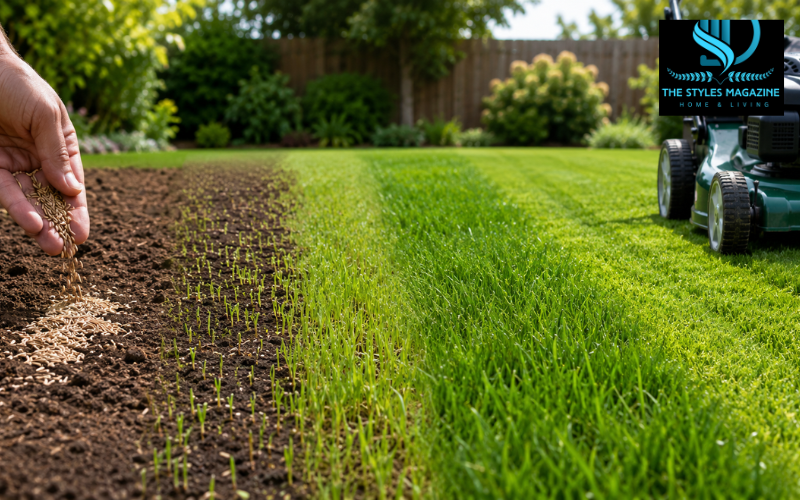
If you are planting a new lawn or repairing bare spots, one of the first questions you may ask is, how long does it take for grass seed to grow? In most cases, grass seed starts to sprout in about 5 to 30 days. Some fast-growing grass seed can show tiny green blades in less than a week, while slower grass types may take closer to a month.
However, sprouting is only the beginning. A lawn that looks fuller, greener, and more even usually takes around 2 to 3 months. For the grass to become strong enough for regular use, deeper roots, mowing, and weather changes, it may take 6 to 12 months to fully establish.
The exact timeline depends on several simple but important factors. Grass type, season, soil temperature, watering, sunlight, seed quality, and basic lawn care all affect how quickly grass seed grows. So, while one lawn may show growth quickly, another may need more time before it looks healthy and full.
Quick Guide Table: Grass Seed Growth Timeline
| Stage | Typical Time | What Happens |
| Germination starts | 5–30 days | Small green shoots begin appearing |
| Early growth | 3–6 weeks | Grass looks thin and roots are still weak |
| First mowing height | 6–8 weeks | Grass may reach around 3 inches |
| Fuller lawn look | 2–3 months | Bare areas start filling in |
| Strong establishment | 6–12 months | Roots become deeper and more durable |
Grass Seed Growth Timeline from Day 1 to a Full Lawn
Grass seed does not turn into a thick lawn overnight. It grows in stages, and each stage matters. During the first few days after planting, the seed begins to settle into the soil and absorb moisture. This early stage is quiet because you may not see anything happening above the ground, but the seed is beginning the germination process.
From around day 5 to day 30, the first green shoots may appear. These small blades often look thin, pale, and uneven at first. This is normal. Grass rarely grows perfectly across the whole lawn at the same speed, especially if sunlight, water, or soil conditions are different in each area.
Between weeks 3 and 6, the lawn usually begins to look more alive. The young grass starts spreading slowly, but the roots are still shallow and weak. This is why you should avoid walking on the area as much as possible. Heavy foot traffic can pull up young seedlings or damage their roots before they are strong.
By weeks 6 to 8, many lawns may reach mowing height, often around 3 inches. At this point, the lawn may still look a little thin, but it is usually ready for careful mowing if the grass is tall enough. Around months 2 to 3, the grass often looks thicker, greener, and more even. Full establishment, however, can take 6 to 12 months because strong roots need time to grow deep into the soil.
Germination Time by Grass Type
The type of grass seed you plant has a big effect on how long it takes to grow. Some grass types sprout quickly, while others need more patience. This is one reason two people can plant grass seed at the same time but see very different results.
Perennial ryegrass is often one of the fastest growing grass seed options. It can germinate in about 5 to 10 days when conditions are good. This makes it popular for quick patch repair or fast green coverage.
Tall fescue usually takes about 7 to 14 days to sprout. It is a common choice because it grows at a moderate speed and can create a strong lawn in many areas. Kentucky bluegrass is slower and may take 14 to 30 days to germinate, but it can form a dense, attractive lawn over time.
Warm-season grasses have their own timeline. Bermuda grass can germinate in about 5 to 14 days when the soil is warm enough. Zoysia grass often takes 14 to 21 days, and centipede grass may take around 7 to 21 days. These grasses usually perform best in warmer climates and may grow slowly if planted too early in cool soil.
How Long It Takes Grass Seed to Grow 3 Inches
Many homeowners want to know how long for grass seed to grow 3 inches because that is often close to the first mowing height. In many cases, grass seed can reach around 3 inches in about 6 to 8 weeks, but the timing can be shorter or longer depending on the grass variety and growing conditions.
Fast-growing grass seed, such as perennial ryegrass, may reach this height sooner if the weather is mild, the soil stays moist, and the seed has good contact with the ground. Slower grasses, such as Kentucky bluegrass or Zoysia, may take longer before they are tall enough to mow.
It is important not to mow too early. Young grass may look ready from above, but the roots are still developing below the soil. If you cut it before it is strong enough, the mower can pull seedlings out of the ground or stress the new lawn. A good rule is to wait until the grass is about 3 inches tall, then cut only the top third of the blade. This helps the grass stay healthy while encouraging thicker growth.
How Long Grass Seed Takes to Grow in Spring
Spring can be a good time to plant grass seed, especially for many cool-season grasses. The weather is usually mild, rainfall may be more common, and the lawn has time to grow before summer heat arrives. If you are wondering how long does grass seed take to grow in spring, the answer is usually 1 to 4 weeks for germination, depending on the grass type and temperature.
Cool-season grasses such as tall fescue, perennial ryegrass, and Kentucky bluegrass often grow well in spring when the soil is warming up but not too hot. However, spring weather can sometimes be unpredictable. A late cold spell can slow germination, while dry weather can cause seed to fail if it is not watered properly.
The most important part of spring seeding is moisture. New seed needs the top layer of soil to stay consistently damp, not flooded. If the seed dries out after it starts germinating, it may die before it becomes visible. Light watering once or more times a day may be needed, especially during dry or windy weather.
How Long Grass Seed Takes to Grow in the Fall
Fall is often one of the best seasons for planting cool-season grass seed. The soil is still warm from summer, but the air is cooler. This balance helps seed germinate and gives roots a better chance to grow before winter. In many areas, grass seed planted in fall can begin sprouting in 5 to 30 days, depending on the seed type.
If you are asking how long does it take for grass seed to grow in the fall, the answer depends heavily on timing. Planting early enough before frost is very important. If seed is planted too late, it may sprout slowly or stop growing when temperatures drop too much.
Fall seeding can produce strong results because weeds are often less aggressive, and the grass has a chance to build roots before the next growing season. Still, growth may slow as colder weather arrives. The lawn may not look completely full before winter, but it can continue improving when conditions become favorable again.
How Long Grass Seed Takes to Grow When Overseeding
Overseeding is different from planting a brand-new lawn. Instead of starting from bare soil, you spread seed over an existing lawn to make it thicker, greener, or healthier. If you are wondering how long does grass seed take to grow when overseeding, you may see early results in 1 to 4 weeks, depending on the grass type and care.
The lawn may look better quickly if you use a fast-growing seed, but full thickening usually takes several more weeks. Overseeding works best when the seed reaches the soil instead of sitting on top of thick grass or thatch. Mowing the existing lawn a little shorter before overseeding can help the seed fall closer to the soil.
After overseeding, light and frequent watering is important. The goal is to keep the seed moist without washing it away. It is also best to limit heavy foot traffic until the new grass has rooted well. If the seed gets enough moisture, sunlight, and soil contact, overseeding can make a thin lawn look much fuller over time.
Will Grass Seed Germinate on Top of Soil?
Many people ask, will grass seed germinate on top of soil? The simple answer is yes, some grass seed can germinate on top of soil, but the results are usually less reliable. Grass seed needs moisture, warmth, and contact with soil. If it simply sits on the surface, it can dry out quickly, blow away, wash away, or be eaten by birds.
Seed-to-soil contact is one of the most important parts of successful germination. When seed touches loose soil, it can hold moisture better and begin forming roots more easily. This does not mean the seed should be buried deeply. In fact, burying grass seed too deep can stop it from growing because it may not get enough air or light.
The best method is usually to loosen the top layer of soil, spread the seed evenly, and lightly rake it in. A very thin cover of soil, compost, or straw can help protect the seed and keep it moist. The seed should be covered lightly, not hidden deep under heavy soil.
Key Factors That Affect How Fast Grass Seed Grows
Several factors decide how quickly grass seed grows. Soil temperature is one of the biggest. Cool-season grass seed usually grows best when the soil is mild, while warm-season grasses need warmer soil. If the soil is too cold, the seed may stay dormant. If it is too hot and dry, the seed may struggle to survive.
Watering is another major factor. Grass seed needs steady moisture during germination. The soil should stay damp, especially in the top layer where the seed is placed. Too little water can stop germination, while too much water can wash seed away or create soggy soil.
Seed quality also matters. Fresh, high-quality seed usually performs better than old or poor-quality seed. Soil preparation is just as important. Hard, compacted soil makes it difficult for roots to grow. Loosening the soil before planting gives new grass a better start.
Sunlight also affects growth speed. Most lawn grasses need several hours of sunlight each day. In heavy shade, grass may grow slowly, thinly, or unevenly. Foot traffic, pets, heavy rain, wind, and poor lawn care can also slow down the process.
Fast Growing Grass Seed: What to Expect
Fast growing grass seed can be helpful when you want quick results, especially for bare patches, erosion control, or a lawn that needs fast green coverage. Perennial ryegrass is commonly one of the fastest options because it can sprout in less than two weeks under good conditions.
However, fast germination does not always mean the strongest long-term lawn. Some grasses sprout slowly but become thick and durable over time. Kentucky bluegrass, for example, may take longer to germinate, but it can spread and create a dense lawn when cared for properly.
The best choice depends on your goal. If you need quick coverage, a fast-growing seed may be a good option. If you want long-term lawn quality, you should also consider climate, soil type, sunlight, and how much use the lawn will get. A seed mix can sometimes offer both quick growth and long-term strength.
Why Grass Seed Is Not Growing Yet
If your grass seed is not growing yet, it does not always mean the seed has failed. Sometimes it simply needs more time. Slow-growing grass types, cooler soil, or dry conditions can delay germination. But if several weeks have passed with no sign of growth, there may be a problem.
One common reason is temperature. If the soil is too cold or too hot, seed may not germinate well. Another common issue is watering. If the seed dried out after watering began, it may have stopped growing. Grass seed needs consistent moisture during the early stage.
Seed can also fail if it is buried too deep or left fully exposed on top of hard soil. Poor seed-to-soil contact makes it harder for roots to form. Birds, runoff, strong wind, or heavy rain can move seed away from the planting area. Old seed or low-quality seed may also have a lower germination rate.
Shade and compacted soil can also slow growth. If the area receives very little sunlight or the soil is too hard, young grass may struggle even if the seed sprouts.
How to Help Grass Seed Grow Faster and Healthier
The best way to help grass seed grow faster is to give it the right conditions from the beginning. Start by preparing the soil. Remove debris, loosen the surface, and level rough spots. This helps the seed make better contact with the ground.
Choose the right grass type for your climate. Cool-season grasses are better for cooler regions, while warm-season grasses perform better in warmer areas. Planting the wrong seed for your location can lead to slow growth and weak results.
Watering should be light and consistent during germination. The goal is to keep the top layer of soil evenly moist. Avoid heavy watering that causes puddles or moves the seed. Once the grass grows taller and roots become stronger, you can water less often but more deeply.
Avoid walking on the new grass until it is well rooted. Pets, children, and heavy equipment can damage young seedlings. Wait until the grass reaches proper mowing height before cutting it, and never remove too much at once. If some areas remain thin, lightly reseeding bare spots can help the lawn fill in more evenly.
Note About “How Long Does It Take for Grass Seed to Grow” in Stardew Valley
Some people search for how long does it take for grass seed to grow Stardew Valley, which is related to the popular farming game, not real lawn care. In Stardew Valley, grass seed follows game mechanics, so the timeline is different from real grass growing in soil.
For a real lawn, grass seed growth depends on natural conditions such as water, soil temperature, sunlight, and seed type. A real yard will not grow on a fixed game schedule. If you are planting grass outside your home, it is better to follow real lawn care steps instead of comparing it to in-game timing.
This article focuses on real grass seed growth, from germination to first mowing and full lawn establishment.
Conclusion: A Realistic Grass Seed Growth Expectation
So, how long does it take for grass seed to grow? In most cases, grass seed can sprout in 5 to 30 days, depending on the type of grass and the growing conditions. Fast-growing grass seed may appear in less than two weeks, while slower varieties may take longer.
A lawn that looks fuller and more usable usually takes around 2 to 3 months. Even then, the lawn may still be developing below the surface. Full establishment can take 6 to 12 months because roots need time to grow deep and strong.
The best results come from choosing the right seed, planting at the right time, preparing the soil, watering consistently, and being patient. Grass seed growth is a process, but with steady care, a thin or bare area can turn into a healthier, greener lawn.
FAQs
How Long Does It Take For Grass Seed To Grow?
Grass seed usually starts growing in 5 to 30 days. Fast-growing types may sprout within a week, while slower grasses can take closer to a month.
How Long Does Grass Seed Take To Grow 3 Inches?
Most grass seed takes around 6 to 8 weeks to reach 3 inches. The exact time depends on grass type, weather, watering, and soil conditions.
Will Grass Seed Germinate On Top Of Soil?
Some grass seed can germinate on top of soil, but results are less reliable. Lightly raking seed into loose soil gives better contact, moisture, and root support.
Why Is My Grass Seed Not Growing?
Grass seed may not grow if the soil is too cold, too dry, compacted, shaded, or if the seed was buried too deep or washed away.
How Long Does Grass Seed Take To Grow When Overseeding?
When overseeding, grass seed often shows growth in 1 to 4 weeks. A thicker, fuller lawn may take several more weeks with steady watering and care.
Enjoyed it? Find more exclusive content on The Styles Magazine.
Disclaimer: This article is for general lawn care information only. Grass seed growth can vary by climate, soil condition, grass type, weather, and maintenance habits. Always follow your seed package instructions and local lawn care guidance for best results.