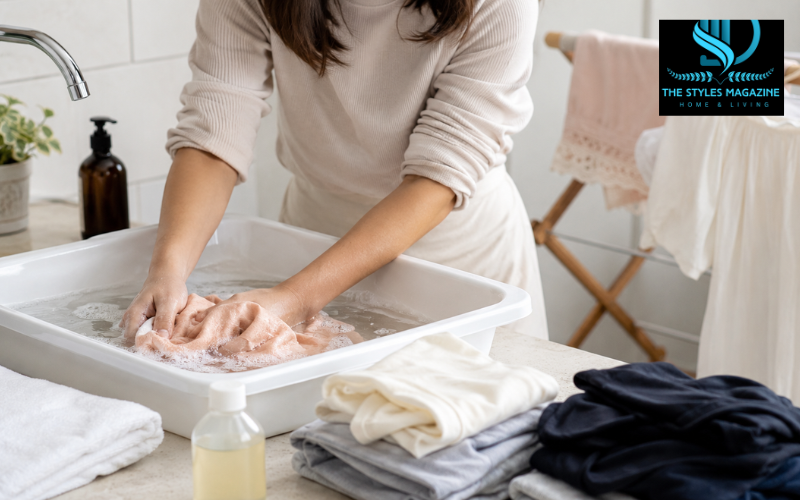
Learning how to hand wash clothes is useful when a garment is too delicate for a normal machine cycle, when you only have a few items to clean, or when a washing machine is not available. Hand washing gives you more control over the water temperature, detergent, soaking time, and movement of the fabric. This can help protect fine fibers, bright colors, elastic, trims, and the original shape of clothing.
The process is simple: check the care label, prepare a clean washing area, mix a small amount of suitable detergent with water, wash the garment gently, rinse it well, remove extra water without wringing, and air-dry it correctly. The exact method should always match the fabric and the instructions on the label. In the United States, clothing care labels are expected to state whether an item should be washed by hand or machine and may also give a safe water temperature.
Quick Guide: How to Hand Wash Clothes
| Step | What to Do | Important Tip |
| Check the label | Read the garment’s washing and drying instructions | Do not hand wash items marked “dry clean only” |
| Sort clothes | Separate light, dark, bright, and delicate garments | Wash new dark clothing separately |
| Prepare water | Fill a clean sink or basin with cool or lukewarm water | Follow the temperature shown on the care label |
| Add detergent | Mix a small amount of mild detergent into the water | Too much detergent makes rinsing harder |
| Wash gently | Submerge, swish, press, and lightly knead the garment | Avoid aggressive scrubbing or stretching |
| Soak | Leave the clothing for about 10–30 minutes | Use a shorter soak for wool and delicate fabrics |
| Rinse | Replace the dirty water with clean, cool water | Repeat until the water is clear and soap-free |
| Remove water | Press the garment gently or roll it inside a towel | Never twist or wring wet clothing |
| Air-dry | Reshape the garment and dry it flat or hang it safely | Lay heavy sweaters and knits flat |
Preparing Clothes and the Washing Area
Start by reading the care label on every item. “Hand wash” means the garment may be washed carefully in water, while “dry clean only” should not be treated as the same instruction. Also check for warnings about water temperature, bleach, drying, and ironing.
Sort the clothes before washing. Keep white and pale items separate from black, dark, or strongly colored garments. New clothes may release extra dye during their first few washes, so wash them alone when you are unsure about colorfastness. Separate sturdy cotton items from silk, lace, wool, fine knits, and clothing with delicate decorations.
Empty every pocket, remove loose accessories, and close zippers, hooks, and fasteners so they do not catch on other fabric. Clean the sink, bucket, basin, or bathtub carefully. Toothpaste, grease, cleaning spray, makeup, and other residue can mark clothing. Prepare your detergent, a clean white towel, and a drying rack before getting the clothes wet.
What Detergent to Use for Hand Washing Clothes
The best detergent depends on the fabric. For ordinary washable cotton, polyester, and blended clothing, a mild liquid laundry detergent is usually suitable. A detergent made for delicate fabrics is a safer choice for lace, lingerie, fine knits, and clothing with light decoration. Activewear may need a detergent that rinses clean and does not leave a heavy coating on performance fabric.
Wool and silk need extra care. Choose a mild, neutral detergent that is clearly labeled as suitable for the material. Woolmark advises using a mild wool detergent and avoiding heavy-duty products, bleach, and biological detergents containing enzymes when washing wool.
For a small sink or basin, begin with about one teaspoon of concentrated liquid detergent, unless the product label recommends a different amount. More soap does not always mean cleaner clothes. Too much detergent creates extra foam, takes longer to rinse out, and may leave residue behind. Always dissolve the detergent in the water before adding delicate garments.
Treating Stains Before Hand Washing
Inspect the clothing in good light before placing it in water. Look at collars, cuffs, underarms, hems, and any visible marks from food, oil, makeup, sweat, or soil. Treating a stain before the main wash gives the cleaner time to loosen it.
Test any detergent or stain remover on an inside seam first, especially on dark, bright, printed, silk, or decorated fabric. Apply only a small amount to the stain. Use your fingers or a clean, soft cloth to work it in gently. Avoid hard rubbing because it can spread the mark, damage the surface, or create a faded patch.
Allow the treatment to sit for the time stated on its label, but do not let it dry completely on the garment. Old, oily, or deeply set stains may not disappear after one gentle wash. It is better to repeat a safe treatment than to scrub the fabric aggressively.
How to Hand Wash Clothes Step by Step
Fill a clean basin with enough cool or lukewarm water for the clothes to move freely. Follow the care label instead of guessing. Add the recommended small amount of detergent and swish the water with your hand until it is fully mixed.
Place the garment into the water and press it down gently. Do not hold a fragile item under a strong running tap, as the force and weight of the water may pull it out of shape. Move the clothing slowly through the soapy water. Lightly press and knead areas such as collars and underarms, but do not twist, stretch, or scrub delicate fabric.
For lightly worn clothing, five to ten minutes may be enough. Dirtier everyday items may benefit from a soak of about 15 to 30 minutes. Wool often needs a shorter, gentler soak; Woolmark’s hand-washing guidance suggests lukewarm water, mild detergent, and about ten minutes for suitable wool garments.
When the water looks dirty, lift and support the garment while draining the basin. Do not pull one wet section upward and allow the rest to hang heavily.
How to Hand Wash Clothes in a Sink
A sink is convenient for underwear, shirts, socks, scarves, and other small loads. Choose one with enough room for the garments to move. A tiny sink packed with clothing will not clean or rinse well.
Wash the sink first, including the sides, tap area, drain, and stopper. Make sure the stopper has no rough edge that could snag fabric. Fill the sink before adding clothes, then mix in the detergent completely.
Wash only one delicate item or a few light everyday items at a time. When you are ready to rinse, support the wet clothing with both hands and move it gently to one side. Drain the soapy water, refill the sink with cool, clean water, and lower the item back into the water. Avoid leaving a heavy wet garment hanging over the tap or edge because its own weight can stretch it.
How to Hand Wash Clothes With a Washboard
A washboard can help clean sturdy clothing, but it should be used with care. Choose a smooth, clean board without rust, splinters, cracks, or sharp edges. Soak the garment first so water and detergent can loosen the dirt before rubbing begins.
Lay a strong section of fabric against the board and move it with short, controlled strokes. Focus on durable areas such as cotton collars, cuffs, workwear, socks, or heavily soiled hems. Use only enough pressure to lift the dirt. Constant hard rubbing can wear away fibers and fade color.
Do not use a washboard on silk, lace, wool, fine knits, padded items, delicate elastic, sequins, or glued decoration. These garments are more likely to stretch, snag, pill, or lose their finish. After washing, rinse the board and leave it to dry fully before storing it.
How to Hand Wash Clothes Without a Washboard
Most clothing does not need a washboard. You can clean garments by swishing them through the water, pressing soapy water through the fabric, and gently kneading dirtier areas. This method creates less friction and is safer for many everyday and delicate items.
For a sturdy cotton garment, you may lightly rub one part of the fabric against another where extra cleaning is needed. Keep the movement slow and stop if the surface begins to roughen. A very soft laundry brush can be used on durable work clothes, but it should not be used on thin, stretchy, knitted, or decorated fabric.
If clothing is heavily soiled, divide it into smaller loads and change the water when it becomes dirty. Fresh water and enough space often clean better than forceful scrubbing.
How to Hand Wash Clothes Quickly
Good preparation is the easiest way to save time. Sort the clothes, inspect stains, clean the basin, and place your detergent and towel nearby before filling the water. Wash a small load instead of trying to clean many items at once.
Pre-treat only the marks that need attention. Lightly worn garments may need only a short soak and gentle movement, while sweaty, stained, or dirty clothing needs more time. Do not shorten the process by using extra detergent because that usually creates more rinsing work. The American Cleaning Institute advises following the detergent label and using the proper amount rather than assuming more product will clean better.
After rinsing, use the towel-roll method to remove moisture quickly. Place the garment flat on a clean towel, roll the towel with the clothing inside, and press firmly. This reduces drying time without twisting the fabric.
How to Hand Wash Clothes Without Detergent
Water-only washing may freshen a lightly worn item that has no stains, grease, strong odor, or heavy sweat. Cool water can remove some loose dust and surface dirt, but it cannot handle every type of soil.
When the care label allows it, a small amount of mild soap made for washable clothing may be used if laundry detergent is unavailable. Test it first and use very little, since some soaps leave residue or react poorly with hard water. Avoid dishwashing liquid, shampoo, body wash, household cleaners, bleach mixtures, and homemade chemical combinations unless the garment maker specifically approves them. They may create too much foam, leave a coating, weaken color, or damage fibers.
For oily, sweaty, stained, or heavily worn clothing, a proper fabric-safe detergent is the better option. Washing without detergent should be viewed as a limited method for freshening, not a complete replacement for normal cleaning.
Using the Hand-Wash Setting on a Washing Machine
A machine’s hand-wash cycle is not the same as washing with your hands. It is a low-movement cycle designed to be gentler than a standard wash, but the clothing is still moved, drained, and spun by the machine.
Before using it, check the garment label. If it says “hand wash only,” a machine cycle may still be too risky unless the manufacturer clearly allows it. When machine washing is permitted, turn the item inside out, place it in a mesh laundry bag, select cold water or the stated temperature, choose the lowest agitation and spin options, and use a delicate-fabric detergent.
Some machines have wool or hand-wash programs. Woolmark notes that suitable wool garments may be washed on a wool setting, or on a cold or delicate cycle when an appropriate wool cycle is not available, but the garment’s own label remains the main guide. Fine lace, structured pieces, loose beading, vintage garments, and items that may lose shape are often safer when washed completely by hand.
Rinsing and Removing Excess Water Safely
Proper rinsing is just as important as washing. Drain the dirty water while supporting the garment. Refill the basin with cool, clean water, then press and swish the clothing gently so the remaining detergent moves out of the fibers.
Repeat the rinse with fresh water until the water stays clear and the fabric no longer feels slippery or soapy. Some concentrated detergents need more than one rinse. Do not place delicate fabric under a strong stream or pull it by one corner while it is saturated.
To remove extra water, press the garment against the side or bottom of the basin. Never twist or wring it. Lay it flat on a clean, dry towel, roll the towel up, and press along the roll. The American Cleaning Institute gives similar advice for sweaters: rinse thoroughly, roll the sweater in a towel, and press gently instead of rubbing or wringing.
Drying Hand-Washed Clothes Without Losing Their Shape
Reshape clothing while it is still damp. Smooth the seams, return sleeves to their normal position, and gently adjust the width and length without pulling. This is especially important for knitwear.
Lay sweaters, wool, fine knits, and heavy garments flat on a clean towel or mesh drying rack. Hanging them while soaked can stretch the shoulders, neckline, and hem. Woolmark also recommends flat drying for many wool garments. Lightweight woven items may be hung when their labels allow it, but use a hanger or line that will not leave marks.
Dry clothes in a well-ventilated area away from strong heat. Direct sunlight may fade dark or bright fabric, while radiators and very hot air may shrink or distort some materials. Turn flat-drying items when needed and replace a damp towel so air can reach both sides. Use a tumble dryer only when the care label clearly permits it.
Common Hand-Washing Mistakes That Can Damage Clothes
The most common mistake is ignoring the care label. Water that is too hot may cause fading, shrinking, or shape changes. Mixing pale garments with dark or new clothing may also lead to dye transfer.
Another problem is applying concentrated detergent directly to delicate fabric. Mix it with water first unless the product is specifically being used as a tested stain treatment. Overcrowding the basin, soaking garments for hours, and using hard scrubbing can also weaken fabric or roughen its surface.
Do not twist wet clothes to make them dry faster. Wet fibers are heavy and easier to stretch. Incomplete rinsing can leave clothing stiff, dull, or uncomfortable, while hanging a soaked sweater may permanently change its length and shoulders. Gentle handling at every stage is more effective than trying to correct damage afterward.
Conclusion: Making Hand Washing Part of Better Clothing Care
Knowing how to hand wash clothes can help you care for delicate garments, manage small loads, and clean clothing when a machine is not the best choice. The most important steps are simple: follow the care label, use a suitable detergent, keep the water at a safe temperature, move the fabric gently, rinse it fully, and remove water without wringing.
Choose the method that fits the garment. A clean sink or basin works for most hand-washable clothes, a washboard is best reserved for sturdy fabric, and a washing machine’s hand-wash cycle should be used only when the label permits it. After washing, reshape the item and dry it in a way that supports its weight.
Careful hand washing does not require harsh rubbing or large amounts of soap. With patient handling and the correct drying method, clothes are more likely to keep their color, fit, softness, and overall condition for longer.
Frequently Asked Questions
How Long Should Clothes Soak When Hand Washing?
Most lightly soiled clothes need 10–30 minutes of soaking. Delicate fabrics and wool may require less time, so always follow the garment’s care label and avoid soaking overnight.
What Detergent Should I Use To Hand Wash Clothes?
Use a small amount of mild liquid laundry detergent. Choose a detergent made for wool, silk, lace, or activewear when washing these fabrics, and avoid strong bleach or unsuitable enzyme products.
Can I Hand Wash Clothes Without Detergent?
Water alone may freshen lightly worn clothes, but it may not remove oil, sweat, stains, or strong odors. A proper fabric-safe detergent is usually needed for complete cleaning.
Can I Use A Washing Machine’s Hand-wash Cycle?
You can use the hand-wash cycle only when the garment label permits machine washing. Place delicate items in a mesh bag and select cold water with low agitation and spin.
How Should I Dry Clothes After Hand Washing?
Press out water without wringing, roll the garment inside a clean towel, and reshape it. Lay sweaters and heavy knits flat, while lightweight items may be hung if allowed.
Enjoyed it? Find more exclusive content on The Styles Magazine.
Disclaimer: This article provides general clothing-care information. Washing needs can vary by fabric, dye, decoration, and garment construction. Always follow the care label and the manufacturer’s instructions before using detergent, stain remover, water, heat, or a washing machine.