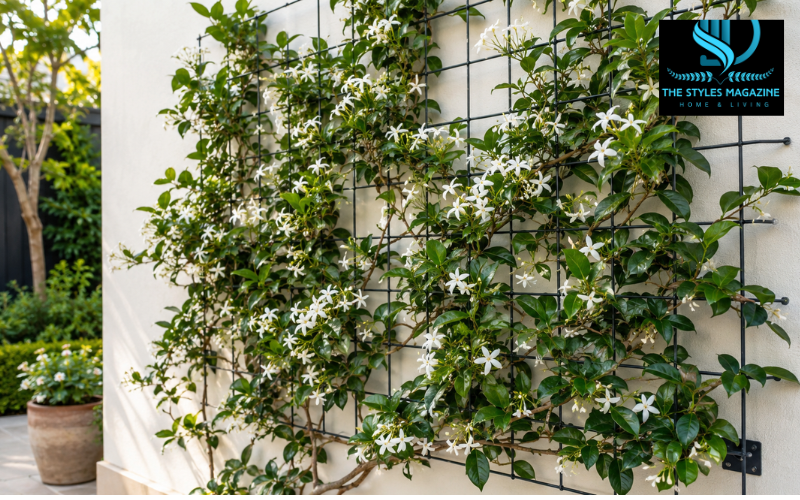
Star jasmine is an evergreen climbing plant valued for its glossy leaves and sweetly scented white flowers. Its botanical name is Trachelospermum jasminoides, and despite its common name, it is not a true jasmine. In a suitable climate and location, it can grow into a wide, leafy screen that softens walls, fences, patios, and garden structures. The Royal Horticultural Society describes it as a vigorous twining climber that can reach several metres in height and spread.
A star jasmine trellis gives the vine something narrow enough for its stems to wrap around. The plant does not cling to a flat wall with aerial roots, and it does not use tendrils like some other climbers. Young stems therefore need to be guided toward wires, lattice, mesh, or rails. Once they begin wrapping around the support, they can continue climbing with occasional help.
A good trellis plan considers more than appearance. It should suit the planting site, carry the weight of mature growth, allow airflow, and remain easy to reach for tying and pruning. This guide covers the main trellis types, design ideas, wall installation, freestanding supports, pots, sun and shade, vine training, maintenance, and buying considerations.
Quick Guide: Best Star Jasmine Trellis by Location
| Growing Location | Recommended Trellis | Why It Works |
| Brick or stucco wall | Stainless-steel wire trellis | Strong, discreet, and easy to arrange in diamond or horizontal patterns |
| Wooden fence | Exterior-grade lattice | Provides broad coverage and many points for stems to wrap around |
| Patio container | Metal obelisk or fan trellis | Adds vertical growth without taking up much floor space |
| Open garden bed | Anchored freestanding panel | Works where no wall or fence is available |
| Garden entrance | Arch or arbor | Frames pathways and places fragrant flowers near head height |
| Pergola or seating area | Heavy-duty overhead support | Creates shade while allowing the vine to spread across the top |
Why Star Jasmine Needs a Strong Trellis
A young star jasmine may look light and easy to support, but its structure changes as it matures. Fresh green shoots lengthen quickly, branch into new growth, and slowly develop thicker, woody stems. At the same time, the evergreen leaves create a dense layer that becomes heavier after rain or strong growth.
This is why a small decorative trellis may work for a new plant but fail after a few seasons. Thin frames can bend, weak wall fixings can loosen, and narrow pot trellises can make a container top-heavy. Repairing a support after the vine has covered it is difficult because the older stems may be tightly wrapped around the structure.
Plan for the mature plant rather than the size shown at the garden centre. Star jasmine can cover a large wall or screen under favourable conditions, although its final size depends on climate, cultivar, pruning, root space, and care. A strong structure installed early usually creates a neater shape and reduces the need to cut back healthy growth later.
What Is the Best Trellis for Jasmine?
The best trellis for star jasmine is strong, weather-resistant, firmly anchored, and easy for the stems to wrap around. The right material depends on where the vine will grow.
A stainless-steel wire system is a practical choice for a brick, concrete, or stucco wall because it is slim and can be arranged in different patterns. Wooden lattice gives immediate visual coverage and works well on fences or traditional patios. Welded metal panels offer strength with a decorative finish. A freestanding screen or obelisk is useful when there is no wall, while a compact fan trellis can suit a container.
A simple location guide can help:
- For a wall, choose tensioned wire or a firmly mounted metal panel.
- For a timber fence, use exterior-grade lattice or horizontal wires attached to strong posts.
- For a patio or balcony pot, use a stable obelisk, fan, or compact metal frame.
- For an open garden bed, choose an anchored freestanding panel, arch, or obelisk.
- For overhead cover, use a strong arbor or pergola with reachable training points.
The support should match both the site and the effect you want. A privacy screen needs broad coverage, while an entrance feature may look better with a narrower, shaped frame.
Star Jasmine Trellis Ideas for Different Outdoor Spaces
A diamond wire trellis creates a clean, modern pattern on a large blank wall. The stems can be trained along the diagonal wires, producing an organised shape before the foliage fills in. This design is especially useful when you want the support to remain subtle.
Wooden lattice has a softer, more traditional appearance. It can turn a plain fence into a leafy screen and gives new stems many points to wrap around. Choose a grid with openings large enough to reach through when tying or pruning the plant.
Decorative metal panels work well near seating areas, gates, and entrances. In small spaces, a narrow obelisk can create height without taking up much ground. An arch can frame a path, while a pergola can carry the vine overhead so the flowers and fragrance are closer to head height. Star jasmine is often recommended near doors or seating areas where its scent can be enjoyed.
Wall-Mounted Wire Trellis Systems
A durable wall-mounted system normally uses outdoor-rated stainless-steel wire, suitable wall anchors, eye bolts or vine eyes, tensioners, and spacers. The exact fixing must match the wall. Masonry anchors are different from fixings designed for timber, hollow blocks, or rendered surfaces.
The wire layout affects how the plant fills the wall. Horizontal rows make it easy to train stems from side to side and are useful for broad coverage. Vertical wires encourage upward growth but may need cross wires to spread the plant. A fan pattern suits a narrow base that opens into a wider display, while a diamond pattern creates a more formal design.
Install the system before the plant becomes large. It is much easier to tighten wires, drill safely, and test every fixing while the wall is clear. Keep wires firm but not excessively tight, and use fittings designed for outdoor exposure. Bunnings’ wire-espalier guidance also treats the frame, fixings, and wire as a complete support system rather than relying on wire alone.
Wooden Lattice and Fence Trellis Options
For outdoor use, choose lattice made from treated timber, naturally durable wood, or another exterior-rated material. Indoor decorative panels may warp, rot, or weaken when exposed to rain and changing temperatures. The frame and its fixings should be strong enough to carry wet foliage and woody stems.
Do not press lattice flat against a solid wall. Use battens, blocks, or brackets to leave a gap of roughly 2 to 4 inches where practical. This space improves air movement, keeps stems from being crushed behind the panel, and makes it easier to inspect the wall and prune unwanted growth.
When growing star jasmine on a fence, check the condition of the posts and panels first. Train the main stems across several sections instead of allowing all the weight to collect in one area. Regular pruning can maintain privacy while preventing the vine from forming a thick, heavy mass along the fence top.
Freestanding Trellis for Jasmine
A freestanding trellis for jasmine is useful in an open bed, beside a patio, or in front of an unattractive view. Options include framed metal screens, timber lattice panels fixed between posts, tall obelisks, and modular trellis sections.
The main concern is stability. A tall panel covered with evergreen foliage can catch wind like a sail. Its posts should be set deeply and securely enough for the soil type and local weather. Where appropriate, use concrete footings, ground anchors, or strong stakes. Always check for underground pipes, cables, drainage lines, and irrigation before digging.
Metal screens usually provide a slimmer, longer-lasting frame, while timber offers a warmer appearance and can be painted or stained. Obelisks suit a single plant and create a central feature. Wide, anchored panels are better when the main goal is a living privacy screen.
Star Jasmine Trellis in Pots
Star jasmine can grow in a container, but the pot, plant, and trellis must work as one stable unit. A very tall support in a small, light container can tip during windy weather or when the foliage becomes wet. Choose a broad, heavy pot with drainage holes and enough root space for continued growth.
Match the trellis to the pot’s scale. A fan trellis can spread growth against a balcony wall, while an obelisk lets stems circle upward. A compact lattice panel may work in a rectangular planter placed beside a patio screen. Secure the support to the container or to a separate fixed point rather than simply pushing a shallow frame into loose potting mix.
Container plants also need closer attention to watering, feeding, root space, and winter exposure than plants in the ground. The RHS notes that trachelospermum can be grown in containers, provided it has suitable compost, light, shelter, and drainage.
Arches, Arbors, and Pergolas for Star Jasmine
An arch or arbor can turn star jasmine into a scented entrance feature. Start by training one or more main stems up each side, then guide them across the top. Spread the shoots instead of allowing them to twist into one thick rope.
A pergola offers more room but also needs greater strength. Use a structure intended to carry climbing plants, not a lightweight decorative frame. Keep important joints, gutters, roof edges, lighting, and electrical fittings clear of dense growth.
Balance also matters. Check both sides several times during the growing season and redirect flexible shoots into empty areas. This prevents one side from becoming heavy while the other remains bare. It also creates a more even display of leaves and flowers above a path or seating space.
Star Jasmine Trellis in Sun and Shade
Star jasmine generally performs well in full sun or partial shade, especially in a warm, sheltered location with fertile, well-drained soil. More sun often supports better flowering, while light shade can be useful in very hot or exposed gardens. Cold, drying winds and frost-prone positions may damage the plant.
Before installing the trellis, watch how light moves across the site. A wall may receive strong afternoon heat, while an overhang may create deeper shade than expected. The plant will also cast more shade as it fills the support, which can affect nearby windows, paths, and other plants.
For a star jasmine trellis shade feature over a patio or pergola, remember that coverage develops gradually. Spread the stems evenly to build a balanced canopy, but avoid creating such a dense layer that air cannot move through it. Pruning can keep the shade comfortable while allowing some light to reach the area during cooler months.
Installing the Trellis Safely
Inspect the site before drilling or digging. Make sure the wall is sound, the fence is not leaning, and the soil drains well. Locate buried utilities and irrigation lines before installing posts. On a building, avoid damaging waterproof layers, flashings, gutters, vents, or electrical routes.
Leave a clear gap behind wall-mounted panels or wires. A distance of about 2 to 4 inches is often practical, although the correct spacing depends on the support and surface. This gap provides room for stems, improves airflow, and lets you reach behind the vine for inspection and maintenance.
Use anchors, screws, brackets, posts, and wire fittings that suit the surface and outdoor conditions. The trellis should feel firm before the plant is attached. When fixing a large system to masonry, rendered walls, or a structure you are unsure about, professional advice can help prevent damage and unsafe installation.
Training Star Jasmine onto the Trellis
Begin training while the stems are young and flexible. Select several healthy main shoots and spread them across the lowest section of the trellis. This creates a wider framework and helps the plant fill the support from the bottom instead of producing a bare base.
Use soft plant ties, hook-and-loop garden tape, or garden twine. Fasten each stem loosely in a figure-eight shape where possible, leaving room for thickening. Avoid wire, tight cable ties, or thin string that may cut into a growing stem.
Guide new shoots around wires, through lattice openings, or along rails. Do not force a stiff stem into a sharp bend. Redirect it gradually or choose a younger shoot. Star jasmine climbs by twining, but young growth still benefits from initial tying and guidance until it has wrapped securely around the support.
Check the ties regularly during active growth. A tie that was loose in spring may become tight later as the stem thickens. Remove ties that are no longer needed and replace any that are pressing into the plant.
Pruning and Maintaining a Trellised Star Jasmine
Pruning keeps the plant within its space and protects the trellis from unnecessary weight. Remove dead, damaged, tangled, and badly placed shoots first. Thin crowded areas so air and light can move through the foliage, and shorten stems that are growing toward gutters, windows, roofs, paths, or neighbouring plants.
The safest general time for shaping is after the main flowering period. This allows you to enjoy the current flowers and gives new growth time to develop. Timing varies by climate, so use the plant’s flowering cycle rather than relying on a fixed calendar date. The RHS advises pruning after flowering when growth needs to be controlled.
Avoid cutting all the stems back to the same point unless the plant needs major renovation. Selective pruning usually creates a more natural shape and preserves useful branches that already cover the trellis.
At least once or twice a year, inspect the entire support. Replace tight ties, tension loose wires, tighten accessible fittings, check timber for decay, and look for movement at posts or wall anchors. Early repairs are easier than removing a mature vine from a failed trellis.
Buying a Star Jasmine Trellis
Compare the dimensions, material, rust resistance, fixing method, outdoor durability, and expected load. Look at the width of the openings as well. Very tight mesh can be hard to prune through, while very wide gaps may require more tying during early growth. Check whether mounting hardware is included and whether it suits your wall, fence, soil, or container.
When comparing star jasmine trellis options at Bunnings, look beyond the shape shown in the product photo. As of July 2026, its plant-support range includes freestanding plant trainers and related tying products, while Bunnings Workshop guidance for climbing jasmine refers to freestanding, fan, and tube-style supports. Product availability can vary by store, so check the measurements and anchoring needs before buying.
A lightweight fan support may suit a young container plant but may not be suitable as the permanent support for a large outdoor vine. Consider whether the frame can be secured, whether it is tall enough for the planned display, and whether you can reach through it for future maintenance.
Home Depot currently lists star jasmine in several container sizes, including some plants supplied with stakes. Check whether “staked” means the plant includes only a temporary nursery support or a lasting outdoor trellis. Also compare the plant’s expected mature size, your local climate, the planting location, and whether a separate heavy-duty support will be required. Availability and product details may differ by region.
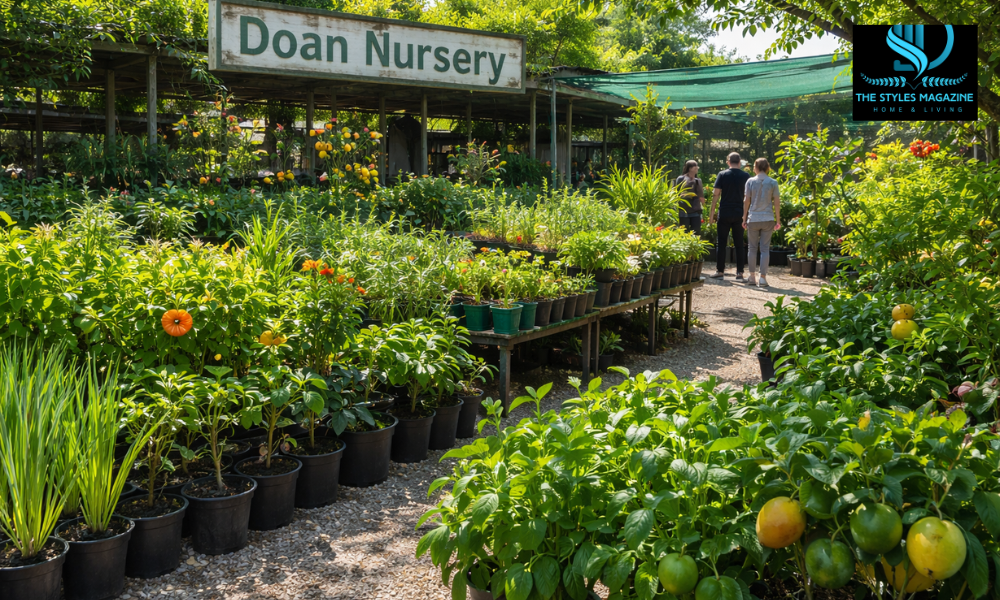
Whether buying from Bunnings, Home Depot, a local nursery, or another garden retailer, choose the trellis before selecting the plant size. This makes it easier to judge whether the structure will support the vine for several years rather than only during its first season.
Conclusion: Choosing a Trellis for Long-Term Growth
A successful star jasmine trellis starts with the location and the mature plant in mind. Wall material, available space, sunlight, wind exposure, container size, and the desired shape all influence the best choice. Wire systems suit clean wall designs, lattice creates broad coverage, freestanding panels work in open areas, and arches or pergolas bring the vine’s flowers and fragrance overhead.
Whatever style you choose, strength matters more than the appearance of the young plant may suggest. Install the support securely, leave useful access around it, and begin training the main stems early. Gentle tying and even spacing will help create a fuller, better-balanced display.
Finally, choose a star jasmine trellis that can still be reached after the foliage fills in. Easy access for pruning, retightening wires, replacing ties, and repairing fixings will keep both the structure and the plant healthier for years.
Frequently Asked Questions
What Is The Best Trellis For Star Jasmine?
The best option is a strong, weather-resistant trellis suited to the location. Wire systems work well on walls, lattice suits fences, and obelisks are practical for containers.
Does Star Jasmine Attach Itself To A Wall?
No. Star jasmine does not have aerial roots or adhesive pads. Its stems climb by twining, so they need wires, lattice, mesh, or another narrow support to wrap around.
How Far Should A Star Jasmine Trellis Be From A Wall?
Leave approximately 2 to 4 inches between the support and the wall. This gives the stems room to grow and improves airflow, inspection access, and future pruning.
Can Star Jasmine Grow On A Trellis In A Pot?
Yes. Use a large, stable container with good drainage and a securely attached fan trellis, obelisk, or compact lattice that will not become top-heavy as the vine grows.
When Should Star Jasmine Be Pruned On A Trellis?
Prune it after the main flowering period. Remove tangled, damaged, or overcrowded stems and shorten unwanted growth while keeping enough healthy branches to cover the support.
Enjoyed it? Find more exclusive content on The Styles Magazine.
Disclaimer: This article provides general gardening and landscaping information for educational purposes. Plant growth, flowering, and care needs may vary according to climate, soil, cultivar, weather, and local conditions. Always check for underground utilities before digging and use fixings suitable for the wall, fence, or structure. Seek advice from a qualified installer or local gardening professional when working with large trellises, masonry walls, electrical areas, or heavy mature vines. Retailer products, prices, and availability may change and are not endorsed unless clearly stated.