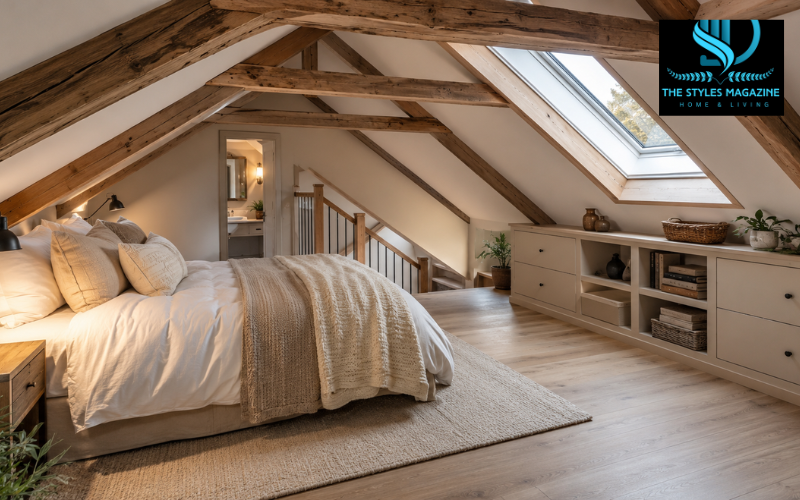
An attic bedroom is a bedroom created in the top part of a home, usually under the roof. Many attics are used only for storage, but with the right design, this space can become a warm, private, and comfortable room. Because it sits away from the main living areas, an attic bedroom often feels quieter and more peaceful than a standard bedroom.
What makes an attic bedroom special is its shape. Sloped ceilings, low walls, roof windows, exposed beams, and compact corners give the room a character that many regular bedrooms do not have. These details can make the space feel charming and cozy, but they also need careful planning. Without the right layout, furniture, lighting, and storage, an attic room can feel tight or difficult to use.
A good attic bedroom should balance beauty with comfort. It should feel inviting, but it should also be practical for daily life. This guide covers useful attic bedroom ideas, layout tips, low ceiling solutions, furniture choices, storage options, stairs, lighting, insulation, ventilation, and simple decor ideas to help you turn an awkward roof space into a cozy retreat.
Quick Guide Table for Attic Bedroom Planning
| Area | Best Idea | Why It Helps |
| Layout | Place the bed where ceiling height feels comfortable | Makes the room easier to use daily |
| Low Ceiling | Use a low-profile bed and short furniture | Keeps the space open and balanced |
| Storage | Add built-in drawers under the eaves | Uses awkward corners smartly |
| Lighting | Use skylights, wall lights, and warm lamps | Makes the attic bedroom bright and cozy |
| Furniture | Choose slim, compact, or custom pieces | Prevents the room from feeling crowded |
| Comfort | Improve insulation and ventilation | Keeps the room usable in all seasons |
| Stairs | Use safe stairs with lighting and handrails | Makes daily access easier and safer |
What Makes an Attic Bedroom Feel Unique
An attic bedroom feels unique because it does not usually have the straight walls and flat ceilings found in most bedrooms. The sloped ceiling creates a tucked-away feeling, almost like a small hideaway inside the home. Roof angles, exposed beams, and window alcoves can add natural charm without needing too much decoration.
Another reason attic bedrooms feel special is privacy. Since the attic is usually on the top floor, it is separated from the noise of kitchens, living rooms, and busy hallways. This makes it a great place for sleeping, reading, relaxing, or creating a calm adult retreat.
The key is to work with the shape of the room instead of fighting it. Low walls can be used for storage, sloped ceilings can make the bed area feel cozy, and beams can become part of the design. With smart choices, an attic bedroom can feel warm and peaceful instead of cramped.
Best Attic Bedroom Ideas for Different Home Styles
There are many attic bedroom ideas because attic spaces can suit different home styles. A rustic attic bedroom works beautifully when the room already has wooden beams, natural flooring, or warm roof angles. Soft bedding, woven rugs, wood furniture, and gentle lighting can help create a cabin-like feeling.
For a modern attic bedroom, the focus is usually on clean lines, light colors, and open space. White walls, pale wood floors, simple furniture, and skylights can make the room feel fresh and bright. This style is especially useful when the attic is small or has a low ceiling.
A cottage-style attic bedroom feels soft and relaxed. It may include floral bedding, cozy rugs, painted furniture, light curtains, and natural textures. This style works well in older homes where the attic already has charm.
A minimal attic bedroom is best for people who prefer a calm and uncluttered look. Instead of adding many decorative pieces, the design focuses on useful furniture, soft colors, and open walking space. This helps the attic feel larger and easier to live in.
Smart Attic Bedroom Layout Tips
The layout is one of the most important parts of designing an attic bedroom. Because attic rooms often have sloped ceilings and uneven wall heights, furniture placement needs more thought than in a regular bedroom. The tallest part of the room should usually be kept clear for walking and standing.
The bed is often placed under a sloped ceiling, but it should still be comfortable to use. Make sure there is enough headroom when sitting up or getting out of bed. If the ceiling is too low in one area, that space may be better for storage, a bench, or a low desk.
Low areas under the eaves can be very useful. Instead of leaving them empty, they can hold built-in drawers, shelves, baskets, or small cabinets. This keeps the main floor area open and helps the room feel less crowded.
Avoid using too much furniture in an attic bedroom. Large dressers, tall wardrobes, or bulky chairs can quickly make the space feel tight. A simple layout with a bed, smart storage, and a few useful pieces usually works best.
Low Ceiling Attic Bedroom Ideas
Low ceiling attic bedroom ideas are all about making the room feel comfortable without making it look crowded. A low-profile bed or platform bed is often a good choice because it sits closer to the floor and leaves more space above. Short dressers, low nightstands, and compact seating can also help the room feel balanced.
Light colors are helpful in a low ceiling attic bedroom. White, cream, pale gray, soft beige, and gentle warm tones can make the ceiling feel higher and the space feel more open. Painting the ceiling and walls in a similar color can also reduce visual breaks, which helps the room feel smoother.
Wall-mounted lights are better than bulky floor lamps in many low attic rooms. Sconces, small reading lights, or slim bedside lamps can save floor space and add a cozy glow. Harsh lighting should be avoided because it can make low ceilings feel more obvious.
Decor should stay simple. A low ceiling already creates a strong visual shape, so too many wall decorations, large patterns, or heavy furniture can make the bedroom feel busy. A calm design helps the space feel restful.
Small Attic Bedroom Ideas That Save Space
Small attic bedroom ideas should focus on using every part of the room wisely. In a small attic, the goal is not to fill the space with furniture, but to make the room feel open, useful, and comfortable. Built-in storage under sloped walls is one of the best ways to save space.
A storage bed can be very useful in a small attic bedroom. Drawers under the bed can hold clothes, bedding, or seasonal items. A storage bench can also provide seating while keeping extra items hidden.
Floating shelves are another smart option because they keep the floor clear. They can hold books, small decor pieces, or daily items without taking up room. Compact nightstands or wall-mounted bedside shelves can also work well beside the bed.
Mirrors and natural light can make a small attic bedroom feel bigger. A mirror placed across from a window or skylight can reflect light and make the room feel brighter. Keeping window treatments light and simple also helps the room feel fresh rather than closed in.
Attic Bedroom Ideas for Adults
Attic bedroom ideas for adults should focus on comfort, privacy, and a mature design style. Since the attic is often separated from the rest of the home, it can become a calm personal retreat. Soft colors, layered textures, and thoughtful lighting can create a peaceful space that feels relaxing at the end of the day.
Comfortable bedding is very important. A good mattress, soft sheets, warm blankets, and supportive pillows can make the room feel inviting. Adding a rug beside the bed can also make the floor feel warmer and softer, especially in cooler months.
A reading corner can work well in an adult attic bedroom if space allows. A small chair, floor cushion, or built-in bench near a window can create a quiet place to relax. If the attic is compact, even a simple bedside reading light can add comfort.
For better sleep, consider blackout shades or skylight blinds. Attic rooms with roof windows can receive strong morning light, so proper window coverings can make the bedroom more restful.
Choosing the Right Attic Bedroom Furniture
Attic bedroom furniture should fit the shape of the room. Standard furniture does not always work well under sloped ceilings, so it is important to measure the space before buying anything. The height, width, and depth of each piece should match the room’s roofline.
Low beds are often the best choice for attic bedrooms. They help the room feel more open and make better use of low ceiling areas. Narrow dressers, slim wardrobes, and compact seating are also useful because they do not take up too much floor space.
Custom furniture can be a smart choice for awkward corners. A built-in wardrobe, angled shelf, or fitted desk can follow the shape of the ceiling and use space that normal furniture cannot. While custom pieces may cost more, they can make a small attic bedroom much more practical.
Tall wardrobes should be avoided where the ceiling drops too low. They can block light, make the room feel cramped, and waste space. Instead, use lower storage units, hanging rods, or drawers under the eaves.
Built-In Storage for Sloped Ceilings and Eaves
Built-in storage is one of the most useful features in an attic bedroom. The low areas near the roofline are often difficult to use for standing or large furniture, but they are perfect for drawers, cabinets, and shelves. This turns awkward corners into practical storage.
Drawers built into the eaves can hold clothes, shoes, bedding, or extra blankets. Cabinets with sliding doors are useful where regular doors may not open fully. Open shelves can also work well for books, baskets, or decorative items.
Hidden storage is especially helpful in small attic bedrooms. When belongings are stored neatly behind doors or inside drawers, the room feels cleaner and more relaxing. This matters because clutter can make a compact attic feel much smaller.
The best built-in storage should look simple and blend with the room. Matching cabinet colors to the wall color can help the storage disappear visually. This keeps the attic bedroom calm and uncluttered.
Lighting Ideas for a Bright Attic Bedroom
Lighting can completely change the feeling of an attic bedroom. Natural light is especially important because attic spaces can sometimes feel closed off. Skylights, roof windows, dormer windows, or small wall windows can bring in daylight and make the room feel more open.
Layered lighting works best. Instead of relying on one strong ceiling light, use a mix of soft lighting sources. Bedside lamps, wall sconces, small ceiling lights, and warm accent lights can create a more comfortable mood.
Warm lighting is ideal for a cozy attic bedroom. It makes the room feel calm and inviting, especially in the evening. Fairy lights, small lantern-style lamps, or soft wall lights can add charm without making the space feel overly decorated.
In low-ceiling areas, avoid large hanging lights. They can get in the way and make the ceiling feel lower. Slim fixtures or wall-mounted lights are usually more practical.
Attic Bedroom Stairs and Safe Access
Attic bedroom stairs are an important part of the design because the room should be easy and safe to reach every day. If the attic bedroom is used regularly, the stairs should feel stable, comfortable, and practical. A pull-down ladder may be fine for storage access, but it is usually not ideal for a daily bedroom.
Compact staircases, spiral stairs, or space-saving stairs can work well in homes with limited space. However, safety should always come first. The stairs should have proper handrails, enough lighting, and comfortable steps.
Headroom is also important when planning attic bedroom stairs. People should be able to move up and down without hitting their head on the ceiling. Good lighting near the stairs can also prevent accidents at night.
Before turning an attic into a bedroom, it is wise to check local home rules and safety requirements. A bedroom should be safe to use, not just attractive.
Comfort, Insulation, and Ventilation
Comfort should come before decoration in any attic bedroom. Attics can become hot in summer and cold in winter because they sit directly under the roof. Without proper insulation and airflow, even a beautiful attic bedroom may not feel comfortable.
Good insulation helps control temperature and makes the room easier to use throughout the year. It can also help reduce outside noise. Ventilation is just as important because fresh air helps prevent stuffiness and moisture problems.
Heating and cooling should also be considered. Depending on the home, this may include vents, a fan, a portable cooling option, or a separate heating and cooling unit. The goal is to make the room comfortable during both warm and cold seasons.
Moisture control is another key point. Attic rooms can sometimes trap humidity, especially if ventilation is poor. Keeping the space dry protects furniture, walls, flooring, and bedding.
Color and Decor Ideas for an Attic Bedroom
The right colors can make an attic bedroom feel cozy, bright, and balanced. Soft neutrals, warm whites, gentle beige, muted greens, pale blues, and earthy tones all work well. These shades help the room feel calm without making it look plain.
Texture is important because attic bedrooms often have unusual shapes. Bedding, curtains, rugs, wooden furniture, woven baskets, and soft cushions can add warmth without crowding the space. Exposed beams can also become a natural design feature.
Wall decor should be used carefully. Sloped ceilings already create visual movement, so too many frames or large decorations can make the room feel busy. A few simple pieces are usually enough.
The best decor supports the cozy attic bedroom feeling. Choose items that make the space more comfortable, not just more filled. A calm room with useful details will feel better than a crowded room with too many accessories.
Common Attic Bedroom Mistakes to Avoid
One common mistake is using oversized furniture. Large beds, tall wardrobes, and heavy dressers can block movement and make the attic feel smaller. Furniture should match the scale of the room.
Another mistake is ignoring temperature control. An attic bedroom may look beautiful, but if it becomes too hot or too cold, it will not be enjoyable. Insulation, ventilation, and heating or cooling should be planned early.
Poor bed placement can also cause problems. If the bed is placed where the ceiling is too low, it may be uncomfortable to sit up or move around. The bed should feel cozy, but not inconvenient.
Too much decor is another issue, especially in a small attic bedroom. Heavy curtains, large patterns, and too many accessories can make the space feel cluttered. Simple, thoughtful design usually works better.
Many people also forget practical storage. Since attic rooms often have unusual shapes, storage should be part of the plan from the beginning.
Conclusion
An attic bedroom can turn an unused top floor into a cozy, private, and functional space. With its sloped ceilings, quiet location, and unique roofline, it has the potential to become one of the most charming rooms in the home.
The best attic bedroom design starts with smart planning. A good layout, suitable furniture, built-in storage, soft lighting, safe stairs, and proper comfort features all matter. Decoration is important, but the room should first be easy to move through, comfortable to sleep in, and practical for daily use.
Whether the space is small, low-ceilinged, rustic, modern, or simple, an attic bedroom should be designed around the room’s real shape and your everyday needs. When planned carefully, even an awkward attic can become a warm and peaceful retreat.
FAQs
What Is An Attic Bedroom?
An attic bedroom is a bedroom created in the top part of a home, usually under the roof. It often has sloped ceilings, low walls, and a cozy, private feeling.
Is An Attic Bedroom A Good Idea?
Yes, an attic bedroom can be a great idea if the space has safe access, proper insulation, good ventilation, enough headroom, and a practical layout for daily use.
How Do You Make A Small Attic Bedroom Look Bigger?
Use light colors, low furniture, built-in storage, mirrors, and natural light. Keeping the layout simple also helps a small attic bedroom feel more open and comfortable.
What Furniture Works Best In An Attic Bedroom?
Low beds, slim dressers, compact nightstands, storage benches, and custom cabinets work best. Furniture should fit the roofline without blocking movement or making the room feel tight.
How Can I Make An Attic Bedroom Cozy?
Add soft bedding, warm lighting, rugs, curtains, natural textures, and calming colors. Good insulation and ventilation also help the attic bedroom feel comfortable year-round.
Enjoyed it? Find more exclusive content on The Styles Magazine.
Disclaimer: This article is for general home design and informational purposes only. Before converting an attic into a bedroom, check local building rules and consult a qualified professional for safety, structure, stairs, insulation, and ventilation requirements.