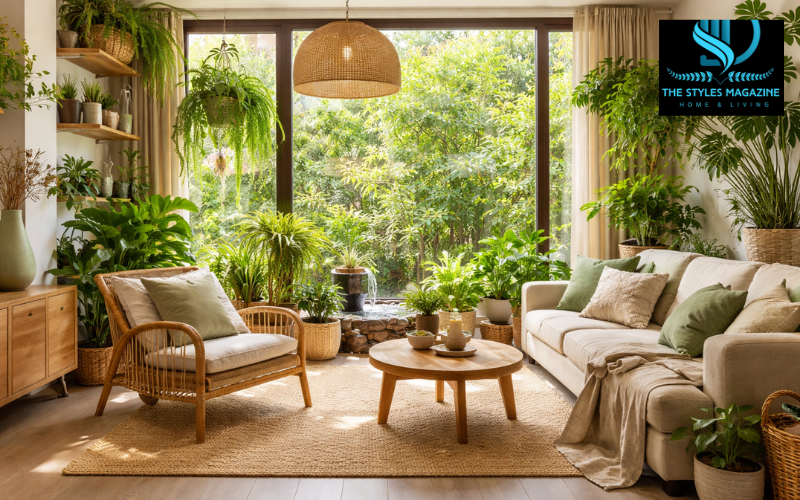
Biophilic interior design is a simple but powerful idea: it brings nature into the spaces where we live and work. Instead of treating buildings as separate from the natural world, this approach blends the two together. It uses elements like plants, sunlight, natural materials, and organic shapes to create environments that feel calm, fresh, and alive.
The concept comes from “biophilia,” which means humans have a natural desire to connect with nature. Even in busy cities or modern homes, people feel better when they are surrounded by greenery, natural light, or textures that remind them of the outdoors. This is why a room with plants or sunlight often feels more relaxing than one filled only with artificial materials.
The benefits of biophilic interior design go beyond looks. It can improve mental well-being, reduce stress, and help people feel more focused and comfortable in their daily lives. Many modern homes, offices, and even commercial spaces are now adopting this approach because it supports both emotional health and productivity.
In this article, you will explore practical ways to apply biophilic interior design in different areas of your life. Whether it’s your living room, bedroom, or workspace, you will find simple ideas that are easy to understand and apply.
How to Apply Biophilic Interior Design
| Element | What to Do | Simple Example |
| Natural Light | Maximize sunlight | Use sheer curtains, open windows |
| Indoor Plants | Add greenery in layers | Small desk plants + large floor plants |
| Natural Materials | Use wood, stone, cotton | Wooden tables, linen cushions |
| Earthy Colors | Choose nature-inspired tones | Greens, browns, soft blues |
| Air & Space | Improve airflow and openness | Keep layout uncluttered |
| Organic Shapes | Avoid sharp edges | Curved furniture, soft patterns |
What Makes Biophilic Interior Design Different From Traditional Design
Biophilic design focuses on creating a strong connection between indoor spaces and nature. While traditional design often prioritizes style, furniture, and decoration, biophilic interior design places nature at the center of the experience.
In modern interior design, the focus is usually on clean lines, minimalism, and functionality. Contemporary interior design, on the other hand, reflects current trends and often changes over time. Both styles can look beautiful, but they do not always include natural elements in a meaningful way.
Biophilic interior design is different because it is not just about appearance. It is about how a space makes you feel. A biophilic space encourages calmness, comfort, and a sense of balance by bringing natural elements into everyday environments.
This approach is closely connected to biophilic architecture, which considers nature from the very beginning of a building’s design. Large windows, open layouts, natural ventilation, and outdoor views are all part of this bigger picture. Interior design then builds on these features by adding materials, textures, and details that strengthen the connection with nature.
Core Elements That Shape a Biophilic Interior Space
A well-designed biophilic interior space usually includes both direct and indirect connections to nature. These two aspects work together to create a complete and balanced environment.
Direct connections involve real contact with natural elements. This includes indoor plants, natural sunlight, fresh air, and even water features like small fountains. Sunlight plays a major role, as it changes throughout the day and adds warmth and life to a room. Plants, whether small or large, bring movement and freshness into the space.
Indirect connections are just as important. These include materials and design choices that remind us of nature. Wood, stone, bamboo, and natural fabrics like linen or cotton create a soft and organic feel. Colors inspired by nature, such as greens, blues, and earthy tones, also help create a calming environment.
Shapes and patterns also matter. Curved lines, uneven textures, and natural forms can make a space feel more relaxed compared to sharp, artificial designs. Together, these elements create a balance between the built environment and the natural world.
Why Biophilic Interior Design Is Becoming Essential in Modern Living
Modern life often keeps people indoors for long hours, surrounded by screens and artificial lighting. This can lead to stress, fatigue, and a feeling of disconnection. Biophilic interior design offers a solution by bringing nature back into everyday spaces.
One of the main reasons for its growing popularity is its effect on mental health. Natural elements can help reduce anxiety and create a sense of calm. Even simple additions like plants or sunlight can make a noticeable difference in how a person feels.
Biophilic design also supports better focus and productivity. In work environments, natural light and greenery have been shown to improve concentration and reduce mental fatigue. This is why many offices are now adopting biophilic interior design office setups.
Another reason for its rise is the growing awareness of wellness and sustainable living. People are becoming more conscious of their surroundings and want spaces that support both their health and the environment. Modern biophilic interior design combines these ideas by creating spaces that are both functional and naturally inspired.
Biophilic Interior Design Ideas for Living Rooms That Feel Alive
The living room is often the heart of a home, and it is one of the best places to apply biophilic interior design. A well-designed living room can feel open, welcoming, and connected to the outdoors.
One effective approach is to create a strong visual link between indoor and outdoor spaces. Large windows, glass doors, or even simple arrangements that face natural light can make a big difference. When natural light enters the room, it enhances the colors and textures of everything inside.
Adding greenery is another key step. Different plant sizes can create depth and interest. For example, a large plant in one corner, smaller plants on shelves, and hanging plants near windows can create a layered effect. This is one of the most common biophilic interior design living room ideas because it is both simple and effective.
Textures also play an important role. Natural rugs, wooden furniture, and soft fabrics like linen or cotton help create a grounded and comfortable atmosphere. These elements work together to make the living room feel more alive and connected to nature.
Creating a Calm and Restful Biophilic Interior Design Bedroom
A bedroom should be a place of rest and relaxation, and biophilic interior design can help create that peaceful environment. The goal is to design a space that feels soft, natural, and calming.
Using gentle, nature-inspired colors is a good starting point. Shades like soft green, sky blue, or warm beige can create a soothing atmosphere. These colors are easy on the eyes and help reduce stress.
Materials also matter. Natural fabrics such as cotton and linen feel comfortable and breathable, making them ideal for bedding. Wooden furniture or accents can add warmth and a natural touch to the room.
Lighting should be soft and natural whenever possible. Allowing daylight to enter the room during the day and using warm lighting in the evening can support a healthy sleep routine. Small details like plants or botanical patterns can further enhance the nature-inspired feel.
Designing a Productive Biophilic Interior Design Office or Workspace
Workspaces can benefit greatly from biophilic interior design, especially when it comes to focus and productivity. A well-designed office can reduce stress and make work feel more comfortable.
Natural light is one of the most important elements in a workspace. Positioning a desk near a window can help improve mood and energy levels. Even if natural light is limited, using warm and soft lighting can create a similar effect.
Plants are another simple addition that can make a big difference. A small plant on a desk or a few larger plants around the room can create a refreshing environment. These small changes are often seen in biophilic interior design office examples.
Keeping the space simple and uncluttered is also important. A minimal setup with natural materials, such as a wooden desk or neutral tones, can help maintain focus without distractions.
Real-Life Biophilic Interior Design Examples You Can Learn From
Biophilic interior design can be found in many real-life settings, from homes to commercial spaces. In residential areas, people often use plants, natural light, and organic materials to create warm and inviting spaces. Apartments and small homes can also adopt this approach by using compact solutions like vertical gardens or small plant arrangements.
In commercial spaces, such as offices or cafes, biophilic design is used to create a comfortable and attractive environment. Large windows, indoor plants, and natural materials are commonly used to improve the experience for both employees and visitors.
Even small spaces can benefit from biophilic design. A single plant, a natural rug, or a change in lighting can transform a small room into a more relaxing and pleasant environment.
How to Combine Biophilic Design With Modern and Eclectic Interior Styles
Biophilic design does not need to replace other styles. In fact, it works well when combined with modern or eclectic interior design.
In modern interior design, adding natural elements can soften the clean and simple look. Wooden textures, plants, and natural colors can make modern spaces feel warmer and more inviting.
Eclectic interior design, which mixes different styles and elements, can also benefit from biophilic design. The key is to maintain balance. Adding natural elements can help unify different pieces and create a more cohesive look.
By combining these styles thoughtfully, it is possible to create a space that feels both unique and connected to nature.
Easy Biophilic Interior Design Ideas You Can Start Today
Starting with biophilic interior design does not require a complete renovation. Small changes can have a big impact.
Adding a few indoor plants is one of the easiest ways to begin. Even a single plant can make a space feel more lively. Improving natural light by opening curtains or rearranging furniture can also help.
Choosing natural materials for small items, such as cushions, rugs, or decor, can gradually change the feel of a room. These simple steps are practical and budget-friendly.
Over time, these small changes can create a noticeable difference in how a space looks and feels.
Learning Biophilic Interior Design Through Courses and Practical Experience
For those interested in learning more, a biophilic interior design course can provide valuable knowledge. These courses usually cover the principles of biophilic design, practical techniques, and real-world examples.
They can help you understand how to choose materials, design layouts, and create balanced spaces. Learning through practice is also important. Trying different ideas in your own space can help you develop a better understanding of what works.
With time and experience, it becomes easier to create spaces that feel natural and comfortable.
Common Mistakes to Avoid When Designing a Biophilic Space
While biophilic interior design is simple in concept, there are some common mistakes to avoid. Adding too many plants can make a space feel crowded instead of calming. It is important to find the right balance.
Ignoring natural light is another common issue. Light is a key part of biophilic design, and without it, the space may not feel connected to nature.
Mixing too many styles without a clear direction can also create confusion. Keeping a balanced and thoughtful approach helps maintain harmony in the design.
Conclusion
Biophilic interior design is more than just a trend. It is a meaningful way to create spaces that support both well-being and comfort. By bringing nature into everyday environments, it helps people feel more relaxed, focused, and connected.
Whether you are designing a living room, bedroom, or workspace, small changes can make a big difference. Natural light, plants, and simple materials can transform any space into something more peaceful and inviting.
The key is to start simple and build gradually. With time, biophilic interior design can turn any space into a place that feels both natural and truly enjoyable to live in.
FAQs
What Is Biophilic Interior Design In Simple Words?
Biophilic interior design means decorating your home or workspace using natural elements like plants, sunlight, and natural materials to create a peaceful and healthy environment.
Is Biophilic Design Expensive To Implement?
No, it can be very affordable. You can start with simple changes like adding plants, using natural fabrics, or improving lighting without spending a lot of money.
Can Biophilic Interior Design Work In Small Spaces?
Yes, even small spaces can benefit. Using small plants, natural light, and light colors can make a compact room feel fresh, open, and connected to nature.
What Are The Main Benefits Of Biophilic Interior Design?
It helps reduce stress, improves mood, increases focus, and makes spaces feel more comfortable and welcoming for daily living or working.
How Is Biophilic Design Different From Modern Interior Design?
Modern design focuses on simplicity and style, while biophilic design focuses on connecting people with nature, making spaces feel more natural and calming.
Enjoyed it? Find more exclusive content on The Styles Magazine.
Disclaimer: This content is for informational purposes only. Design choices may vary based on personal preference, space, and budget. Always adapt ideas to suit your specific needs and environment.