The word heliantum is often seen online, especially in gardening and plant-related discussions, but many people are unsure what it actually means. In most cases, heliantum is a misspelling or variation of Helianthemum, a group of plants commonly known as sunroses or rock roses. These plants are loved for their bright flowers and ability to grow well in dry, sunny conditions.
At the same time, heliantum is sometimes confused with Helianthus, the scientific name for sunflowers. Because both names sound similar and relate to sun-loving plants, it is easy for readers to mix them up. This confusion has made heliantum a keyword that appears in different contexts, from gardening to aquascaping and even alternative medicine.
In this article, we will explore what heliantum really refers to, the different plants connected to the term, and why it is often misunderstood. By the end, you will clearly understand its meaning, uses, and how to tell related plant types apart.
Helianthemum vs Helianthus
| Feature | Helianthemum (Sunrose) | Helianthus (Sunflower) |
| Plant Type | Low-growing groundcover | Tall upright plant |
| Flower Size | Small, delicate | Large, bold flowers |
| Common Use | Garden decoration | Seeds, oil, decoration |
| Growth Style | Spreads across ground | Grows vertically |
| Water Needs | Low (drought-tolerant) | Moderate |
| Popular Example | Rock rose | Helianthus annuus |
What Does Heliantum Actually Mean?
To understand heliantum properly, it is important to look at how the word is used. The term itself is not a formal botanical name. Instead, it is commonly a variation or misspelling of two scientific names: Helianthemum and Helianthus.
Helianthemum refers to a group of small flowering plants known as sunroses, while Helianthus refers to sunflowers. Both names come from Greek roots related to the sun, which explains why they sound so similar. Because of this similarity, people often type heliantum when searching for either plant.
In simple terms, heliantum does not describe a single plant. Instead, it acts as a general or mistaken reference to sun-loving plants, especially those with bright flowers. It appears in different contexts because people use it when they are unsure of the correct spelling or name.
This is why heliantum can show up in gardening articles, plant guides, aquarium discussions, and even product or brand names. Understanding this helps avoid confusion and allows readers to identify the correct plant or meaning based on context.
Helianthemum (Sunrose): The Most Common Meaning of Heliantum
The most accurate and common meaning behind heliantum is Helianthemum, also known as sunrose or rock rose. These plants belong to the Cistaceae family and are widely used in gardens, especially in areas with dry soil and strong sunlight.
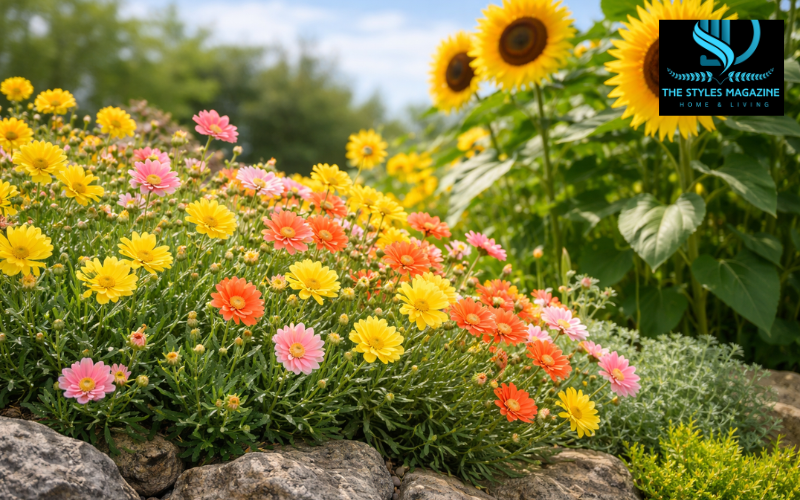
Helianthemum plants are low-growing and spread across the ground, making them ideal for covering empty spaces in gardens. Their flowers are small but very colorful, appearing in shades of yellow, orange, pink, and sometimes white. The petals often have a soft, paper-like texture, which adds to their charm.
One of the main reasons gardeners love these plants is their ability to thrive in tough conditions. They do not require much water and can grow well in rocky or sandy soil. This makes them perfect for rock gardens, borders, and slopes where other plants may struggle.
In addition to their beauty, helianthemum plants are easy to care for. They require minimal maintenance and can bloom for long periods during the warmer months. This combination of bright flowers and simple care makes them a popular choice for both beginners and experienced gardeners.
Helianthus Sunflower Connection and Common Confusion
Another major source of confusion around heliantum comes from its similarity to Helianthus, the genus that includes sunflowers. Sunflowers are well-known plants with large, bright yellow blooms that follow the movement of the sun.
The term heliantum is sometimes mistakenly used when people are referring to helianthus sunflower plants. This happens because both names share similar roots and both types of plants love sunlight. However, they are very different in appearance and growth.
Helianthus flowers are usually tall and upright, with large flower heads that can reach impressive sizes. In contrast, helianthemum plants are low-growing and spread across the ground. Sunflowers are often grown for their seeds and agricultural value, while sunroses are mainly used for decoration in gardens.
Understanding this difference is important because it helps avoid confusion when choosing plants. If someone is looking for tall, seed-producing plants, they are likely referring to helianthus. If they want a colorful groundcover, helianthemum is the correct choice.
Understanding Helianthus Species and Varieties
The genus Helianthus includes a wide range of species and varieties, which is another reason why it is often linked to the keyword heliantum. There are many types of helianthus species, each with unique features and uses.
Some helianthus plants are annual, meaning they complete their life cycle in one growing season. Others are perennial, which means they come back year after year. The helianthus perennial types are especially valued in gardens because they provide long-term beauty without needing to be replanted.
In addition to natural species, there are also helianthus hybrid plants. These are created by combining different varieties to produce stronger, more colorful, or more productive plants. Hybrids are commonly used in both gardening and farming because they offer improved performance.
Helianthus plants are grown in many parts of the world, especially in areas with plenty of sunlight. They are popular in gardens, farms, and even wild landscapes. Their ability to adapt to different conditions makes them one of the most widely recognized plant groups.
Helianthus Annuus Meaning and Growth Details
One of the most important species in the Helianthus genus is Helianthus annuus, which is the common sunflower. The name helianthus annuus meaning comes from Latin, where “annuus” means annual, referring to its one-year life cycle.
This plant grows from seed, develops quickly, and produces large flowers within a single season. After flowering, it forms seeds that can be harvested and used for food or oil production. This makes it one of the most economically important plants in agriculture.
A common question people ask is how tall helianthus annuus can grow. The height can vary depending on the variety, but many sunflowers can reach several feet tall, with some growing even higher under the right conditions. This impressive height is one of the reasons they are so popular in gardens.
Beyond their beauty, sunflowers play an important role in farming and food production. They are used to produce sunflower oil, snacks, and even animal feed. Their seeds are rich in nutrients, making them valuable for both humans and animals.
How to Pronounce Helianthus and Related Terms
Another area where people struggle is pronunciation. The correct helianthus pronunciation can be broken down into simple parts: “hee-lee-AN-thus.” Saying it slowly and clearly helps avoid mistakes.
Many people mispronounce the word by skipping syllables or stressing the wrong part. This often happens because the name looks complex at first glance. However, once it is broken into smaller sounds, it becomes much easier to say.
Correct pronunciation is important, especially in gardening and research. Using the right terms helps ensure clear communication and avoids misunderstandings. It also shows a better understanding of plant names and their meanings.
Heliantum in Aquascaping and Alternative Uses
The keyword heliantum also appears in aquascaping, where it is linked to Helanthium tenellum, a small aquatic plant. This plant is commonly used in aquariums as a foreground carpet, creating a green, grassy look at the bottom of the tank.
Helanthium tenellum is easy to grow and spreads quickly under the right conditions. It is popular among aquarium hobbyists because it adds a natural and attractive appearance to planted tanks. Although it is not directly related to helianthemum or helianthus, the similar name often causes confusion.
In addition to aquascaping, heliantum is sometimes connected to alternative medicine. In Bach flower remedies, a plant known as Rock Rose, which relates to helianthemum, is used to address feelings of fear or panic. While this use is traditional rather than scientific, it shows how the term appears in different fields.
Other Uses of the Name Heliantum in Modern Contexts
Outside of plants, the name heliantum is also used in modern business and services. Some companies use plant-inspired names to create a natural and positive image. This is why heliantum may appear as a brand name in industries such as finance or healthcare.
For example, there are financial service providers and care centers that use similar names. These uses are not related to the botanical meaning of the word, but they still contribute to its presence online.
This wide usage can make the keyword even more confusing. However, understanding the context helps identify whether heliantum is being used as a plant name or a brand.
Key Differences Between Helianthemum and Helianthus
One of the most important things to understand about heliantum is the difference between helianthemum and helianthus. These two plant groups may sound similar, but they are very different in structure and use.
Helianthemum plants are small, low-growing, and often used as groundcover. Their flowers are delicate and come in various colors. They are mainly grown for decoration in gardens.
Helianthus plants, on the other hand, are tall and upright. They produce large flowers and are often grown for their seeds and agricultural value. Sunflowers are also widely recognized and used in food production.
Recognizing these differences makes it much easier to choose the right plant and understand what someone means when they use the term heliantum.
Conclusion: Understanding Heliantum in the Right Context
Heliantum is a term that can mean different things depending on how it is used. In most cases, it refers to helianthemum, the sunrose plant known for its bright flowers and easy care. However, it is also often confused with helianthus, the sunflower genus.
By understanding the differences between these plant types, as well as their uses in gardening, aquascaping, and other fields, readers can avoid confusion and use the term correctly. Knowing the context is the key to understanding what heliantum really means.
With this knowledge, you can confidently identify whether heliantum refers to a sunrose, a sunflower, or something else entirely.
FAQs
What Is Heliantum?
Heliantum is usually a misspelling of helianthemum (sunrose plants) or sometimes linked to helianthus (sunflowers). It depends on the context in which the word is used.
Is Heliantum The Same As Sunflower?
Not exactly. Heliantum is often confused with helianthus, which is the sunflower genus, but it more commonly refers to helianthemum plants.
What Are Helianthemum Plants Used For?
Helianthemum plants are mainly used in gardens as groundcover. They are loved for their colorful flowers and ability to grow well in dry, sunny areas.
How Tall Does Helianthus Annuus Grow?
Helianthus annuus, the common sunflower, can grow several feet tall depending on the variety, sometimes reaching impressive heights in the right conditions.
Why Is Heliantum Confusing?
The confusion comes from similar-sounding names like helianthemum and helianthus, along with its use in different fields like gardening, aquascaping, and branding.
Enjoyed it? Find more exclusive content on The Styles Magazine.
Disclaimer: This content is for informational purposes only. Plant details and uses may vary based on location and conditions. Always consult a gardening or plant expert for specific advice.