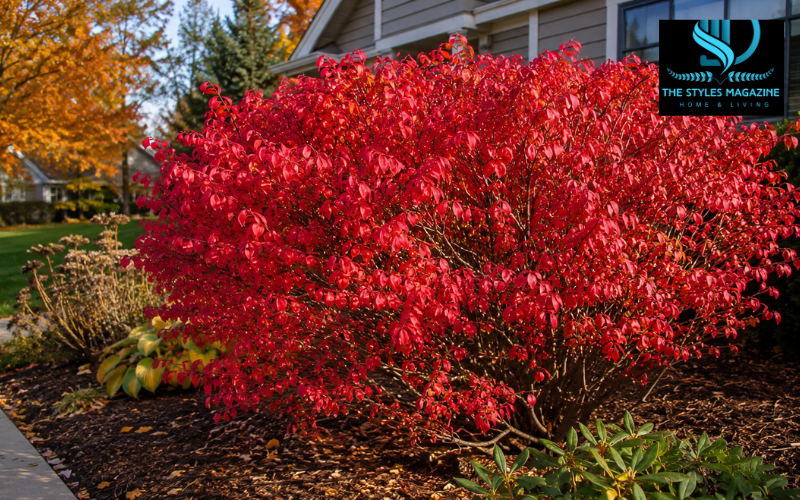
The burning bush shrub is one of those plants that can instantly catch attention in a fall landscape. For most of the growing season, it looks like a neat green shrub, but when autumn arrives, its leaves can turn a bright, fiery red. This seasonal color is the main reason many homeowners have used it as a hedge, border plant, foundation shrub, or standout feature in the yard.
The plant’s botanical name is Euonymus alatus, and it is known for being tough, adaptable, and fairly easy to maintain once established. It can handle different soil types, tolerate pruning, and survive dry periods better than many other shrubs after its roots are settled.
However, the burning bush shrub also comes with an important warning. In many parts of North America, it is considered invasive because it can spread by seed into natural areas. Birds eat the berries and carry the seeds away, allowing new plants to grow where they are not wanted. Because of this, some states and regions restrict or discourage planting it.
Before buying or growing a burning bush shrub, it is important to understand its size, care needs, possible problems, legal status, and safer alternatives. This guide explains the key details in simple language so you can decide whether this shrub is the right choice for your landscape.
Quick Guide Table: Burning Bush Shrub at a Glance
| Feature | Quick Details |
| Botanical Name | Euonymus alatus |
| Common Names | Burning bush, winged spindle tree, red bush |
| Best Feature | Bright red fall foliage |
| Sunlight | Full sun gives the strongest red color |
| Soil | Well-drained, average garden soil |
| Watering | Regular water when young; drought-tolerant once established |
| Standard Size | Often 15–20 feet tall and wide |
| Dwarf Size | Usually around 5–6 feet tall |
| Main Concern | Invasive or restricted in some regions |
| Safety Note | Toxic if eaten by pets or children |
Burning Bush Shrub Basics
The burning bush shrub belongs to the species Euonymus alatus. It is also commonly called winged spindle tree, winged euonymus, or red bush. These names mostly come from its appearance. The “burning bush” name refers to its bright red fall leaves, while “winged” refers to the flat, corky ridges that often grow along the stems.
This is a deciduous shrub, which means it loses its leaves in winter. During spring and summer, it usually has clean, dark green leaves. The flowers are small and greenish-yellow, so they are not the main attraction. Later in the season, the plant may produce small reddish-orange fruits. In autumn, the foliage is what makes the shrub stand out.
It is also worth clarifying that this article is about the garden plant, not the burning bush Bible story. Many people search the phrase “burning bush” for different reasons, but in landscaping, the burning bush shrub refers to Euonymus alatus and its ornamental use in yards and gardens.
What Makes the Burning Bush Shrub So Popular
The biggest reason people love the burning bush shrub is its fall color. When planted in the right location, the leaves can turn a strong red that looks bold from a distance. In many yards, this shrub becomes one of the most noticeable plants in autumn.
Its shape also makes it useful in landscaping. A healthy burning bush can grow thick and full, which makes it suitable for borders, privacy screens, and background planting. Some homeowners use it as a single focal point, while others plant several in a row to create a hedge.
Another reason for its popularity is its low-maintenance reputation. Once the plant is established, it does not usually need constant care. It can adapt to many average garden soils, tolerate pruning, and handle dry weather better than many more delicate shrubs.
The corky winged stems add interest when the leaves are gone. These raised ridges along the branches give the plant a different look in winter and help identify it even without foliage.
Burning Bush Shrub Size and Growth Habit
A standard burning bush shrub can become much larger than many people expect. In good growing conditions, it may reach around 15 to 20 feet tall and nearly as wide. This makes it a serious landscape plant, not just a small decorative shrub.
The plant usually grows as a dense, multi-stemmed shrub with a rounded or spreading form. When left unpruned, it can become broad and full. This natural shape can look attractive in open spaces, but it may become a problem in small yards or narrow planting beds.
Its growth rate is moderate. It may not shoot up overnight, but over time it can take up a lot of room. This is one reason planning is important before planting. A burning bush shrub placed too close to a house, walkway, fence, or driveway may need frequent pruning later.
For best results, give the plant enough space to reach its mature size. If you want a neat hedge, space the shrubs according to the mature width of the variety you choose. If you want one as a specimen plant, place it where its natural rounded form can develop without crowding nearby plants.
Dwarf Burning Bush: A Smaller Option for Yards
A dwarf burning bush is a more compact form of the plant. It is often chosen by homeowners who like the red fall color but do not have room for a full-size shrub. Many dwarf types grow around 5 to 6 feet tall, although actual size can vary depending on the cultivar, climate, soil, and pruning.
The phrase dwarf burning bush does not always mean the plant will stay tiny. It usually means smaller than the standard form. A shrub that grows 5 feet tall can still be too large for a very small foundation bed, so checking the mature size before buying is important.
Dwarf varieties are often used near patios, along walkways, in mixed borders, and around foundations. They can also work well as low hedges when planted with proper spacing. Because they are more manageable, they are often easier to maintain in residential landscapes.
The main difference between dwarf and standard burning bush shrubs is size. Both can have green summer leaves, red fall color, winged stems, and berries. Both may also spread by seed, so invasive concerns can still apply even with dwarf varieties.
Burning Bush Shrub Varieties
There are several burning bush shrub varieties available in the nursery trade, though availability depends on your location and local plant regulations. Standard forms are usually larger and better suited to open yards, large borders, or privacy planting. Compact and dwarf forms are often marketed for smaller home landscapes.
One of the best-known dwarf forms is often sold as compact burning bush or Euonymus alatus ‘Compactus’. Despite the name, it can still grow several feet tall and wide. Some gardeners are surprised when a “compact” plant eventually becomes larger than expected.
When choosing between burning bush shrub varieties, do not decide based only on a plant tag photo. Look for the mature height and width, growth habit, local invasive status, and whether the variety produces fruit. Some newer selections may be promoted as less aggressive, but you should still check local guidance before planting.
If your region lists burning bush as invasive or restricted, it is better to choose a non-invasive alternative. Many native shrubs offer strong fall color without the same environmental risk.
Sunlight Needs for the Best Red Fall Color
The burning bush shrub usually shows its strongest fall color when it grows in full sun. A spot with at least 6 hours of direct sunlight each day is often best for bright red autumn foliage. More sun generally helps the plant develop richer color.
It can grow in partial shade, but the fall display may be weaker. In shaded areas, the leaves may turn pinkish, dull red, yellow-green, or stay more muted overall. The plant may still survive, but it may not give the dramatic color that people expect.
A good planting location should receive morning or afternoon sun and have enough open space around the shrub. Avoid placing it under dense tree canopies if your main goal is bright fall color. Also avoid locations where buildings or fences block most of the light.
In hotter climates, a little afternoon shade may help reduce stress, but too much shade can reduce color. The best site is usually one that balances sunlight, airflow, and room for mature growth.
Soil and Watering Requirements
One reason the burning bush shrub became popular is its ability to adapt to average soil. It can grow in many neutral to slightly acidic soils and is not usually demanding once established. However, good drainage is very important.
The biggest soil problem for this shrub is waterlogged ground. If the roots sit in wet, heavy, poorly drained soil for too long, the plant can suffer from root rot. This may cause yellowing leaves, weak growth, branch dieback, or even plant death.
Newly planted shrubs need regular watering while they establish roots. The soil should be kept evenly moist but not soaked. Deep watering is usually better than frequent light watering because it encourages roots to grow downward.
Once established, a burning bush shrub is fairly drought tolerant. Still, during long dry periods, it may benefit from occasional deep watering. It is best to water at the base of the plant rather than spraying the leaves from above. This helps reduce moisture on the foliage and may lower the chance of leaf disease.
How to Plant a Burning Bush Shrub
The best time to plant a burning bush shrub is usually spring or fall, when temperatures are mild. Planting during extreme summer heat can stress the shrub, especially if it is young and still developing roots.
Start by choosing a site with enough sunlight and good drainage. Dig a hole about as deep as the root ball and wider than the container. The top of the root ball should sit level with the surrounding soil. Planting too deeply can cause stress and drainage problems around the crown of the plant.
After placing the shrub in the hole, backfill with soil and gently firm it around the roots. Water well to settle the soil. A layer of mulch can help hold moisture and reduce weeds, but keep mulch a few inches away from the stems to prevent rot.
Spacing matters. If planting a hedge, leave enough room for each shrub to grow without crowding. If planting a single shrub, consider its mature width, not just its size at the nursery. Proper spacing makes the plant easier to maintain and keeps the landscape looking balanced.
Pruning and Maintenance Tips
The burning bush shrub handles pruning well, but it is best to prune with a clear purpose. Light shaping is usually done in late winter or early spring before new growth begins. This timing makes it easier to see the branch structure and remove problem stems.
If you want a natural look, avoid shearing the shrub into a tight box unless that fits your landscape style. Selective pruning often looks better. Remove dead, damaged, crossing, or crowded branches first. Then trim lightly to guide the shape.
For shrubs that have become too large, gradual size reduction is safer than cutting everything back at once. Heavy pruning can cause a flush of new growth and may make the plant look awkward for a while. If the shrub is far too big for its space, replacing it with a smaller variety or a different plant may be easier than constant pruning.
Maintenance should also include watching for seedlings around the plant. If you live in an area where burning bush spreads, pull young seedlings before they become established.
Burning Bush Shrub Problems to Watch For
Although the burning bush shrub is considered tough, it is not problem-free. Root rot is one of the most common issues in poorly drained soil. If the ground stays wet, the roots can decline, and the plant may lose vigor.
Pests can also appear. Spider mites may become a problem during hot, dry weather. Scale insects can sometimes attach to stems and weaken the plant over time. Regularly checking the leaves and branches helps you catch problems early.
Weak fall color is another common complaint. In many cases, this happens because the shrub is growing in too much shade. Poor color can also result from plant stress, weather patterns, or variety differences.
Overgrowth is a practical problem in small spaces. A plant that looked perfect when young can become too large after several years. This is especially true with standard varieties.
The most serious concern is seed spread. Birds can eat the fruit and carry seeds into nearby woods, fields, and natural areas. This is why burning bush has become controversial and restricted in some regions.
Why Are Burning Bushes Illegal or Restricted in Some Areas?
Many people ask, “Why are burning bushes illegal?” The answer is simple: in some areas, they spread too easily and harm local ecosystems. The plant can escape from yards and grow in forests, roadsides, fields, and other natural spaces.
Birds play a major role in this spread. They eat the berries and drop the seeds in new places. Once seedlings grow, they can form dense patches that compete with native plants. This can reduce food and habitat for insects, birds, and other wildlife that depend on native plant communities.
Not every place has the same rule. In some regions, burning bush may still be sold. In others, it may be labeled as invasive, restricted, or banned from sale. This is why it is important to check your state, province, or local extension office before buying one.
Even if it is legal in your area, responsible planting matters. If your property is near woods, parks, fields, or natural land, it may be better to choose a non-invasive shrub with similar fall color.
Burning Bush Shrub Toxicity and Safety
The burning bush shrub should be treated with care around pets and children. Parts of the plant can cause stomach discomfort if swallowed, and Euonymus plants are commonly listed as toxic to dogs, cats, and horses.
Possible signs of plant poisoning in pets may include vomiting, diarrhea, weakness, or abdominal pain. Serious reactions are more likely if a large amount is eaten. Because symptoms can vary, it is best to contact a veterinarian or animal poison control service if you think a pet has chewed or swallowed part of the plant.
For homes with young children, avoid planting burning bush shrubs near play areas. The colorful berries can look interesting, so children should be taught not to eat any part of the plant.
Safe placement can reduce risk. Keep shrubs away from pet runs, grazing areas, and places where children often play. When pruning, collect and dispose of clippings instead of leaving them where pets might chew them.
Burning Bush Shrub for Sale: What to Check Before Buying
If you are looking for a burning bush shrub for sale, start with local nurseries, garden centers, and trusted online plant suppliers. Availability will depend on your region, especially where invasive plant rules are in place.
Before buying, check the plant label carefully. Look for the exact variety, mature height, mature width, and light needs. A small plant in a pot may look easy to fit anywhere, but it can grow much larger over time.
Choose a healthy plant with firm stems, good leaf color, and no obvious pest problems. Avoid plants with yellowing leaves, soggy soil, broken branches, or roots circling heavily inside the pot.
In some regions, online listings may include juvenile plants, bagged starters, or larger outdoor specimens. For example, buyers in Pakistan may see ornamental shrubs listed through local plant sellers such as Gardenia Hub or Boota.pk. Before ordering, confirm the plant identity, size, delivery condition, and whether the shrub is suitable for your climate.
Most importantly, check whether burning bush is allowed in your area. If it is restricted or discouraged, consider non-invasive alternatives such as red chokeberry, fothergilla, fragrant sumac, serviceberry, oakleaf hydrangea, or native viburnum. These shrubs can offer fall color while supporting a healthier local landscape.
Conclusion: Is a Burning Bush Shrub Right for Your Landscape?
The burning bush shrub is admired for good reason. Its bright red fall foliage, dense shape, hardy nature, and unique winged stems make it an attractive choice for many landscapes. It can work well as a hedge, border plant, or focal point when planted in the right location.
At the same time, it is not a shrub to buy without research. Its mature size can surprise homeowners, its berries may spread by birds, and it is considered invasive or restricted in several regions. It can also be unsafe if pets or children eat parts of the plant.
If you still want to grow a burning bush shrub, choose the right variety, give it full sun for the best fall color, plant it in well-drained soil, and keep it properly spaced. Check local rules before buying, and watch for seedlings if the plant is already growing in your yard.
For many gardeners, the best choice may be a non-invasive alternative that provides beautiful fall color without the same environmental concerns. The right decision depends on your location, your landscape goals, and how responsibly the plant can be managed.
FAQs
What Is A Burning Bush Shrub?
A burning bush shrub is a deciduous ornamental shrub known for its bright red fall leaves. It is often used in borders, hedges, and landscape beds, but it may be invasive in some areas.
How Big Does A Burning Bush Shrub Get?
A standard burning bush shrub can grow about 15 to 20 feet tall and wide. Dwarf burning bush varieties are smaller and usually stay around 5 to 6 feet tall.
Why Are Burning Bushes Illegal In Some Places?
Burning bushes are restricted in some areas because birds spread their seeds into natural spaces. These seedlings can crowd out native plants and disturb local ecosystems over time.
Does A Burning Bush Shrub Need Full Sun?
A burning bush shrub grows best in full sun, especially if you want strong red fall color. It can tolerate partial shade, but the leaves may look duller or less vibrant.
Is Burning Bush Shrub Safe For Pets?
Burning bush shrub is not considered safe for pets if eaten. Dogs, cats, and horses may get stomach upset or other symptoms, so plant it away from pet areas.
Enjoyed it? Find more exclusive content on The Styles Magazine.
Disclaimer: This article is for general gardening and landscaping information only. Plant rules, invasive species lists, and safety guidance can vary by location. Always check with your local extension office, nursery, or plant authority before buying or planting a burning bush shrub.