Swedish death cleaning is a thoughtful way of clearing out the things you no longer need so your home, your mind, and your loved ones feel less burdened. In Sweden, it is called döstädning, which combines the words for “death” and “cleaning.” The name may sound serious at first, but the idea is not dark or frightening. It is about making life simpler, lighter, and more peaceful while you are still here to enjoy it.
This method became widely known through The Gentle Art of Swedish Death Cleaning, a book by Swedish author and artist Margareta Magnusson. The book explains that sorting your belongings before others have to do it for you can be an act of kindness, not sadness. It encourages people to look honestly at what they own and ask whether those items still serve a purpose.
Swedish death cleaning can be helpful for older adults, people moving to a smaller home, families managing years of stored belongings, or anyone who wants to live with less clutter. It is not only about preparing for the end of life. It is also about creating a home that supports the life you are living now.
Quick Guide Table
| Step | What to Do | Why It Helps |
| Talk to family | Explain why you are decluttering | Avoids worry and confusion |
| Start easy | Begin with clothes, kitchen items, or storage | Builds momentum |
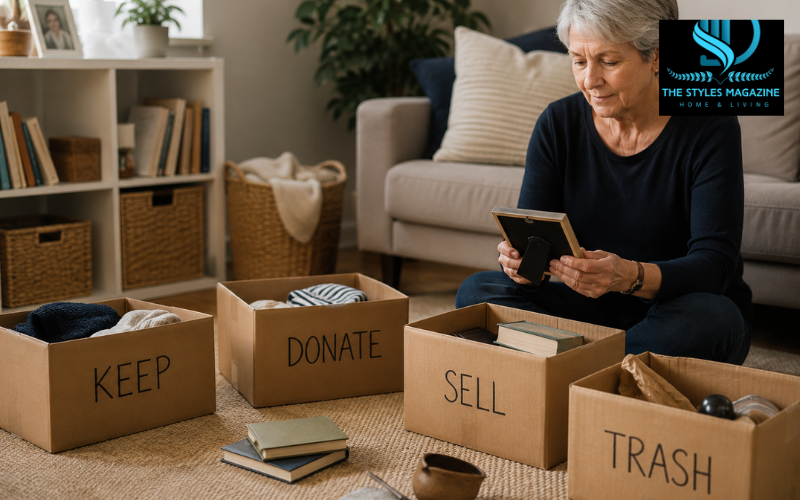
| Sort clearly | Keep, donate, sell, recycle, or discard | Makes decisions simple |
| Organize records | Arrange papers, passwords, and digital files | Helps loved ones later |
| Save memories last | Handle photos and heirlooms carefully | Reduces emotional stress |
What Swedish Death Cleaning Really Means
Swedish death cleaning means slowly and carefully going through your possessions and deciding what should stay, what should be given away, what should be sold, and what should be removed. It is not a weekend cleaning project or a rushed home makeover. It is a calm process that helps you reduce unnecessary belongings before they become someone else’s responsibility.
The idea became popular worldwide because many people understand the stress of dealing with a loved one’s belongings after death. Clothes, papers, furniture, photos, tools, boxes, and digital accounts can become overwhelming when family members are already grieving. Swedish death cleaning offers a gentler way to prevent that burden.
Unlike normal decluttering, this method has a deeper purpose. Regular decluttering often focuses on making a home look neater. Swedish death cleaning focuses on meaning, usefulness, and care for others. It asks you to think beyond today and consider what your belongings will mean to the people who may one day handle them.
The Story Behind The Gentle Art of Swedish Death Cleaning
The swedish death cleaning book, officially titled The Gentle Art of Swedish Death Cleaning, helped introduce this Swedish practice to readers around the world. Margareta Magnusson used personal experience, humor, and practical advice to make the topic easier to approach. According to the publisher, the book explains döstädning as a process that can be started at any age or life stage, before others have to do it for you.
Margareta Magnusson did not present death cleaning as a cold or strict system. Instead, she made it feel human. She wrote about clothes, books, private letters, family objects, and the emotional decisions that come with letting go. That is one reason the book connected with so many people.
The book also helped readers understand that Swedish death cleaning is not about throwing away everything. It is about choosing carefully. Some items deserve to stay. Some should be passed on now. Others no longer need to take up space. This simple but honest message made the idea easier for people outside Sweden to understand.
Why People Practice Swedish Death Cleaning Today
Many people practice Swedish death cleaning because they do not want their family to face a house full of decisions later. When someone passes away, loved ones may already be dealing with grief, legal matters, and emotional stress. Sorting through years of belongings can make that time even harder.
Another reason is the desire for a simpler home. A cluttered space can make daily life feel heavy. Too many objects can hide the things you actually use and love. Swedish death cleaning helps people create a calmer environment by removing items that no longer fit their present life.
It also helps people let go of guilt-based clutter. These may be gifts you never liked, expensive items you never used, or belongings kept only because someone else expected you to keep them. This method gives you permission to release those things with respect.
Preparing important belongings and records is another major reason. Swedish death cleaning is not only about physical clutter. It can include financial documents, passwords, family records, legal papers, and digital files. Organizing these things can make life easier for both you and your loved ones.
Swedish Death Cleaning vs Regular Decluttering
The biggest difference between Swedish death cleaning and regular decluttering is purpose. Regular decluttering often asks, “Do I still want this?” Swedish death cleaning asks, “Will this matter to anyone after me?” That question changes the way you look at your belongings.
There is also an emotional difference. Normal decluttering may focus on space, style, or organization. Swedish death cleaning includes memory, family, responsibility, and legacy. You are not just cleaning a drawer. You are thinking about the story your belongings will leave behind.
Practically, Swedish death cleaning is slower and more thoughtful. You do not need to empty your house in a few days. In fact, rushing can lead to regret. The goal is to move at a steady pace, make careful choices, and involve others when needed.
This makes the process feel less like a chore and more like a life review. You notice what you have collected, what still matters, and what can now move on to someone else.
When Should You Start Swedish Death Cleaning?
Many people think Swedish death cleaning is only for older adults, but that is not true. While it is often recommended for people over 50 or those thinking about retirement, the method can be useful at many stages of life.
You might start when you move to a smaller home, after children leave the house, during retirement planning, after a major life change, or simply when your home starts to feel too full. Younger people can also use Swedish death cleaning to avoid building a lifetime of unnecessary clutter.
Starting early has a clear benefit: you can make your own choices. You decide what happens to your belongings instead of leaving every decision to someone else. You also get to enjoy a lighter home now, not only later.
There is no perfect age to begin. A good time is when you realize that your possessions are taking more energy than they give back.
How to Start Swedish Death Cleaning Step by Step
The first step is to talk to your family or trusted loved ones. Let them know what you are doing and why. This is important because the name “death cleaning” may worry people if they do not understand it. Explain that you are not acting out of fear. You are simply making thoughtful decisions for the future.
After that, start with easy items. Do not begin with old letters, photographs, or family heirlooms. These can slow you down because they carry strong emotions. Begin with things that are easier to judge, such as extra clothes, unused kitchen tools, old towels, expired products, or duplicate household items.
As you sort, create clear choices: keep, donate, sell, give to someone, recycle, or throw away. Keep the process simple. If you create too many categories, you may feel stuck.
Most importantly, move slowly and thoughtfully. Swedish death cleaning is not about forcing yourself to get rid of everything. It is about making calm decisions that feel useful, kind, and realistic.
Best Rooms and Items to Begin With
Clothes and closets are often the best place to start. Clothing usually includes items that no longer fit, no longer match your lifestyle, or have not been worn in years. These decisions are usually easier than sorting family memories.
The kitchen is another practical place to begin. Many homes have duplicate pans, extra mugs, unused gadgets, and serving dishes that rarely leave the cabinet. Keeping what you truly use can make the kitchen easier to manage every day.
Storage areas are also important. Attics, basements, garages, and spare rooms often hold items that have been forgotten for years. These spaces can hide boxes that family members may later have to open without knowing what matters and what does not.
Books, old papers, hobby supplies, tools, and unused furniture can also be reviewed early in the process. The goal is not to strip the home empty. The goal is to reduce what is no longer useful, meaningful, or necessary.
Handling Sentimental Items Without Feeling Guilty
Sentimental items are often the hardest part of Swedish death cleaning. Photos, letters, family heirlooms, children’s artwork, and gifts can carry memories that make decisions difficult. That is why it is better to save these items for later, after you have built momentum with easier categories.
When you reach sentimental objects, ask whether the item still brings comfort or whether it only creates guilt. A gift does not need to stay in your home forever just because someone gave it to you. The kindness was in the giving, not in keeping it for life.
For family heirlooms, consider offering them to relatives now. This allows you to see the item appreciated while you are still alive. It also avoids confusion later about who should receive what.
A personal memory box can be helpful. Instead of keeping every sentimental object, choose a small number of meaningful items that represent important parts of your life. This keeps memories safe without allowing them to take over your space.
Organizing Important Papers and Digital Belongings
Swedish death cleaning should include more than visible household items. Important papers and digital belongings can create serious stress for loved ones if they are not organized.
Financial documents, insurance details, property papers, birth certificates, marriage records, medical information, and legal documents should be stored in a safe and known place. You do not need to share every detail with everyone, but a trusted person should know where to find essential records.
Passwords and online accounts also matter. Many people now have email accounts, cloud storage, online banking, social media profiles, subscriptions, and digital photos. If no one knows how to access or close these accounts, they can become difficult to manage later.
Digital photos and files should also be sorted. Delete duplicates, organize important folders, and back up meaningful memories. If you have old family photos, scanning them can save space while preserving history.
This part of Swedish death cleaning may feel less emotional than sorting objects, but it can be one of the most helpful things you do for your family.
Swedish Death Cleaning Show, Netflix, and Where to Watch
Many readers search for the swedish death cleaning show after hearing about the concept. The TV series The Gentle Art of Swedish Death Cleaning brought the idea to a wider audience by showing real people working through clutter, emotions, memories, and life changes.
The show was produced for Peacock and is narrated by Amy Poehler. Peacock describes it as a series where three Swedes help people declutter their homes and lives. Rotten Tomatoes also lists the show as available with a Peacock subscription.
Some people search for swedish death cleaning netflix, but availability can vary by country and over time. As of the latest verified information, Peacock is the main U.S. streaming home commonly listed for the series. For readers searching swedish death cleaning where to watch, the safest advice is to check Peacock first, then confirm availability through your local streaming guide.
The show helps people understand the method visually. It shows that Swedish death cleaning is not only about boxes and trash bags. It is about relationships, identity, grief, humor, and the freedom that can come from letting go.
Helpful Resources: Books, Website, Amazon, and Workbook Options
For many people, the best starting point is the book The Gentle Art of Swedish Death Cleaning. It is short, practical, and easy to read. The book is available through major booksellers, including Amazon, where it is listed as a Scribner title with a publication date of January 2, 2018.
Readers searching for swedish death cleaning amazon will usually find the original book, audiobook options, and related decluttering titles. It is a good idea to check the author name and publisher details before buying so you choose the correct book.
Some people also search for a swedish death cleaning website. A useful approach is to rely on reputable publisher pages, official streaming pages, established booksellers, or trusted organizing professionals. Be careful with websites that promise extreme results, paid downloads with little information, or copied worksheets.
Searches for swedish death cleaning workbook pdf are also common. A workbook can be helpful if it gives simple prompts, room-by-room checklists, and space for family notes. However, readers should avoid unsafe downloads or unknown PDF files. A good workbook should support the process gently, not make it feel rushed or stressful.
Common Mistakes to Avoid
One common mistake is starting with emotional items too soon. If your first task is a box of old letters or family photographs, you may spend hours reading and remembering instead of making progress. Begin with practical items first.
Another mistake is throwing things away too quickly. Swedish death cleaning is not about panic cleaning. Some belongings should be offered to family, donated, sold, or saved with a note explaining their meaning.
Not talking to family can also create problems. If you give away something that a loved one deeply wanted, it may cause hurt feelings later. You do not need approval for every decision, but communication helps.
Many people also keep items only because of guilt. This can include inherited objects, unwanted gifts, or expensive purchases that were never used. Swedish death cleaning encourages honesty. If an item does not serve your life and will not help anyone else, it may be time to let it go.
Conclusion
Swedish death cleaning is a gentle and practical way to declutter your home, organize your life, and reduce future stress for the people you love. It is not a sad process when approached with care. It is a way to make thoughtful choices about what stays, what goes, and what story your belongings will leave behind.
The value of Swedish death cleaning is not only found in a cleaner home. It is found in the peace of knowing that your important papers are organized, your loved ones understand your wishes, and your space reflects what truly matters to you now.
You do not need to finish everything at once. Start with one drawer, one closet, or one small category. Move slowly, be kind to yourself, and remember that the goal is not perfection. The goal is peace of mind.
FAQs
What Is Swedish Death Cleaning?
Swedish death cleaning is a mindful way to declutter your home before others have to do it for you. It helps reduce stress, clear space, and make life easier for loved ones.
Is Swedish Death Cleaning Only For Older People?
No. Swedish death cleaning is useful for anyone who wants a simpler home. Younger people can also use it when moving, downsizing, or trying to live with less clutter.
Is Swedish Death Cleaning Sad?
Not really. Although the name sounds serious, the method is more about peace, care, and lighter living. It helps you focus on what truly matters.
Where Should I Start Swedish Death Cleaning?
Start with simple, non-emotional items like clothes, kitchen duplicates, old papers, or storage boxes. Save photos, letters, and family memories for later.
Is There A Swedish Death Cleaning Book?
Yes. The Gentle Art of Swedish Death Cleaning by Margareta Magnusson is the well-known book that helped introduce this decluttering method worldwide.
Enjoyed it? Find more exclusive content on The Styles Magazine.
Disclaimer: This article is for general informational purposes only. It is not legal, financial, or medical advice. For estate planning, wills, property matters, or sensitive personal documents, consult a qualified professional.