Roof maintenance is one of the most important parts of caring for a home, yet it is often overlooked until a serious problem appears. A roof protects the house from rain, snow, wind, heat, and moisture every day of the year. Without proper care, even a strong roofing system can develop leaks, cracks, or other damage that may lead to expensive repairs.
Regular roof maintenance helps homeowners extend the life of their roofs while reducing the chances of sudden roofing emergencies. A well-maintained roof can last for decades, improve energy efficiency, and help preserve the value of the property. In many cases, simple preventive care costs far less than major roof replacement work.
Climate also plays a major role in roof condition across the United States. Homes in snowy northern states often deal with ice buildup and moisture problems, while southern regions face intense heat, humidity, and storms. Coastal areas may experience heavy winds and salt exposure, while dry regions can still suffer from sun damage and cracked materials. Because of these regional differences, homeowners benefit from following a roof maintenance schedule that matches their local weather conditions.
This article explains why roof maintenance matters, common warning signs to watch for, maintenance tips for different roof types, expected roof maintenance cost, and how to choose reliable roof maintenance services. Whether you handle basic upkeep yourself or hire a professional roof maintenance company, understanding the basics can help you protect your home year-round.
Roof Maintenance by Roof Type
| Roof Type | Main Maintenance Focus | Recommended Inspection Time | Average Lifespan |
| Asphalt Shingle | Check cracked shingles & granule loss | Twice a year | 15–30 years |
| Metal Roof | Inspect rust & loose fasteners | Yearly + after storms | 40–70 years |
| Tile Roof | Look for cracked or shifted tiles | Twice a year | 50+ years |
| Flat Roof | Clear drainage & inspect pooling water | Every season | 20–30 years |
Why Roof Maintenance Is Important for Every Home
Roof maintenance plays a major role in preventing long-term damage to a house. Small issues such as cracked shingles or loose flashing may seem minor at first, but they can quickly turn into larger structural problems if ignored. Water entering through damaged areas can affect insulation, ceilings, walls, and even the foundation over time.
Routine residential roof maintenance also helps increase the overall lifespan of roofing materials. Asphalt shingles, metal roofing, tile systems, and flat roofs all experience natural wear from changing weather conditions. Regular inspections and timely repairs slow down this process and help roofs remain in good condition for many years.
Another important benefit is improved energy efficiency. Damaged roofing systems may allow heat or cool air to escape, forcing heating and cooling systems to work harder. Proper roof care helps maintain indoor comfort and may reduce energy bills throughout the year.
Financially, preventive roof maintenance is usually far less expensive than emergency repairs. Homeowners who follow a regular roof maintenance checklist are more likely to identify problems early before they require major restoration work. This proactive approach reduces stress and helps avoid unexpected repair expenses.
Common Signs Your Roof Needs Maintenance
Many roofing problems begin with small warning signs that homeowners can easily miss. Recognizing these signs early can prevent more serious damage and help maintain the overall condition of the roof.
One of the most common signs is missing or damaged shingles. Shingles that appear cracked, curled, or loose may no longer provide proper protection against moisture. Strong winds and storms can also remove shingles completely, exposing the roof underneath.
Water stains on ceilings or walls are another common indicator of roofing trouble. Moisture entering through the roof may lead to mold growth, wood damage, and insulation problems if left untreated. Even small stains should not be ignored because they often signal a hidden leak.
Granule loss is another issue commonly seen with asphalt shingle roofs. Homeowners may notice dark granules collecting inside gutters or near downspouts. Excessive granule loss can reduce the roof’s ability to protect against sunlight and weather exposure.
Sagging areas or damaged flashing around chimneys, vents, and skylights may also indicate maintenance needs. Flashing helps seal vulnerable roof sections, and damaged seals can allow water intrusion.
Moss, algae, and debris buildup are additional signs that a roof needs attention. Leaves and branches can trap moisture, while algae and moss may weaken roofing materials over time. Regular cleaning helps prevent these problems from becoming more severe.
Roof Maintenance Checklist Homeowners Should Follow
A consistent roof maintenance checklist helps homeowners stay organized and reduce the risk of major roofing problems. Many maintenance tasks are simple but highly effective when performed regularly.
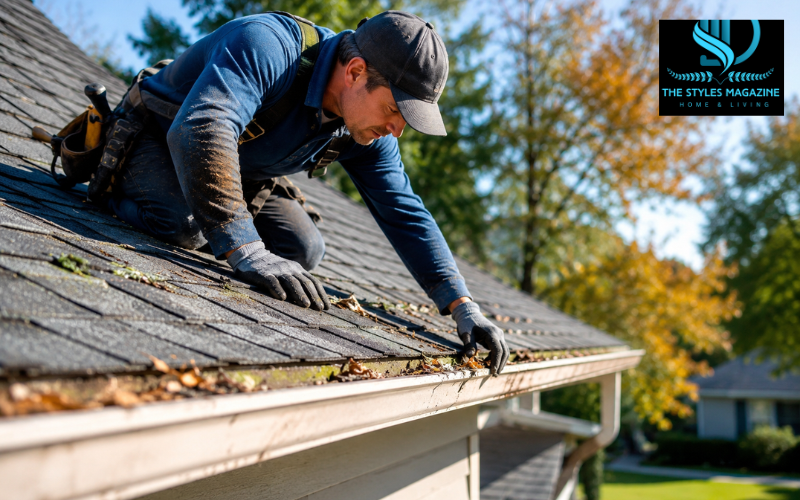
Gutter cleaning is one of the most important tasks. Clogged gutters can cause water to back up under shingles and damage roof edges. Keeping gutters clear allows rainwater to drain properly and helps prevent moisture-related issues.
Removing debris from the roof surface is equally important. Branches, leaves, and dirt can trap water and encourage mold or algae growth. This is especially common in areas with nearby trees or heavy seasonal storms.
Inspecting flashing and roof seals is another essential step. Areas around vents, skylights, and chimneys are more vulnerable to leaks because they contain openings in the roof structure. Checking these sections for cracks or rust helps maintain a watertight seal.
Homeowners should also inspect vents and drainage systems regularly. Poor ventilation may increase heat and moisture inside the attic, which can affect roofing materials over time.
After severe weather, a quick inspection can help identify damage early. Strong winds, hail, and heavy rain may loosen shingles or create hidden roof issues that worsen if ignored.
Following seasonal maintenance reminders is also helpful. Spring and fall are often considered the best times for routine roof maintenance because weather conditions are usually mild and roofing problems are easier to spot.
Creating a Roof Maintenance Schedule That Works
Having a regular roof maintenance schedule makes it easier to manage inspections and repairs throughout the year. Most roofing experts recommend inspecting residential roofs at least twice annually, typically during spring and fall.
Spring inspections help identify winter-related damage such as moisture problems, cracked shingles, or ice-related wear. Fall inspections prepare the roof for colder temperatures and help remove debris before winter storms arrive.
In addition to seasonal inspections, homeowners should check their roofs after major storms. Heavy winds, hail, and fallen branches can cause immediate damage that may not always be visible from the ground.
Long-term preventive care habits also play a major role in roof performance. Keeping trees trimmed away from the roof reduces the risk of falling limbs and helps limit debris accumulation. Monitoring attic ventilation and insulation can also improve roof durability.
A maintenance schedule does not need to be complicated. Even basic inspections and timely repairs can make a significant difference in extending roof lifespan and reducing repair costs.
Residential Roof Maintenance Tips for Different Roof Types
Different roofing materials require different maintenance approaches. Understanding the specific needs of each roof type helps homeowners provide better long-term care.
Asphalt shingles are among the most common roofing materials in the United States. These roofs should be checked regularly for curling shingles, granule loss, and algae streaks. Proper gutter drainage is especially important because standing water can shorten the life of shingles.
Metal roofs are known for durability, but they still require maintenance. Homeowners should inspect metal panels for rust, loose fasteners, and damaged seams. Cleaning debris from the surface also helps prevent moisture buildup.
Tile roofs, commonly found in warmer states, need careful inspection because cracked or shifted tiles may expose the underlayment below. Walking directly on tile roofs can also cause damage, so professional inspections are often recommended.
Flat roofs require extra attention to drainage. Water that remains on flat surfaces for long periods may weaken roofing materials and lead to leaks. Regular inspection for surface cracks, pooling water, and drainage blockages is important for maintaining these systems.
Roof Maintenance Cost: What Homeowners Should Expect
Roof maintenance cost varies depending on roof size, material type, local labor rates, and the condition of the roof itself. In general, preventive maintenance is far more affordable than major repair work or full roof replacement.
Basic roof inspections and minor maintenance services may cost a few hundred dollars per year, while larger repairs can become much more expensive if problems are ignored. Asphalt shingle roofs are usually less costly to maintain than tile or metal roofing systems because repairs are often simpler and materials are widely available.
The condition and age of the roof also affect maintenance expenses. Older roofs may require more frequent inspections and repairs, especially in regions with severe weather conditions.
Homeowners who invest in regular roof maintenance services often save money over time by avoiding emergency repairs and water damage restoration. Preventive care helps identify problems early before they spread throughout the home.
DIY Roof Maintenance vs Hiring Professionals
Some roof maintenance tasks can safely be handled by homeowners, while others are best left to professionals. Simple jobs such as gutter cleaning, removing debris, and visual inspections from the ground are usually manageable for most people.
However, climbing onto a roof can be dangerous, especially on steep or slippery surfaces. Falls are one of the biggest risks associated with DIY roof work. Inexperienced homeowners may also miss hidden damage that professionals can identify more easily.
Professional roof maintenance services provide more detailed inspections and technical expertise. Roofing contractors can identify structural weaknesses, damaged flashing, ventilation problems, and moisture issues before they become severe.
Professional inspections are especially important after major storms or when signs of leaks appear inside the home. Hiring experts also helps homeowners receive accurate repair recommendations and maintain roofing warranties when applicable.
How to Choose the Right Roof Maintenance Company
Choosing the right roof maintenance company is important for protecting both the home and the homeowner’s investment. A reliable contractor should have proper licensing, insurance coverage, and experience with the specific roof type installed on the property.
Checking online reviews and local reputation can provide useful insight into service quality. Homeowners should also ask questions about inspection methods, repair processes, and maintenance plans before hiring a contractor.
Insurance and licensing are especially important because they help protect homeowners from liability in case of accidents or property damage during roofing work.
It is also helpful to request written estimates and compare multiple contractors before making a decision. A trustworthy roofing company should explain maintenance recommendations clearly without using aggressive sales tactics.
Finding Reliable Roof Maintenance Near Me
Searching for reliable roof maintenance near me can produce many results, but not every contractor offers the same level of service. Comparing local roofing companies carefully helps homeowners avoid poor workmanship and unnecessary expenses.
A dependable local contractor should respond quickly, especially after storms or emergencies. Fast inspections and temporary repairs can help reduce further damage during severe weather situations.
Homeowners should look for companies with strong customer feedback, clear communication, and transparent pricing. Contractors who explain maintenance plans honestly and provide detailed documentation are often more trustworthy.
It is also important to avoid roofing scams, particularly after large storms. Some temporary contractors may offer extremely low prices but perform poor-quality work or disappear after receiving payment. Researching local reputation and verifying credentials helps reduce these risks.
Professional Roof Maintenance Services Explained
Professional roof maintenance services often include detailed inspections, preventive care, and repair support. Many roofing companies offer scheduled maintenance programs designed to help homeowners manage roof care throughout the year.
Routine inspections usually involve checking shingles, flashing, gutters, drainage systems, and attic ventilation. Contractors may also inspect for moisture damage, mold growth, or structural concerns.
Preventive maintenance programs often include debris removal, minor repairs, and seasonal inspections. These services help identify issues early and reduce the likelihood of expensive emergency repairs.
Leak detection is another important service. Some roof leaks are difficult to locate because water can travel through hidden areas before becoming visible inside the home. Professional inspections help identify the true source of moisture problems.
Emergency roof maintenance support may also be available after storms, fallen trees, or sudden leaks. Quick professional response can help minimize interior damage and protect the structure from further exposure.
Mistakes Homeowners Should Avoid During Roof Maintenance
Many homeowners unintentionally shorten roof lifespan by making avoidable maintenance mistakes. One common problem is ignoring small issues such as loose shingles or minor leaks. Small problems often grow into much larger repairs when left untreated.
Pressure washing shingles incorrectly is another mistake that can damage roofing materials. High-pressure water may remove protective granules and weaken the roof surface.
Delaying inspections after storms can also be costly. Even if damage is not immediately visible, hidden problems may develop over time. Early inspections help identify issues before they worsen.
Poor attic ventilation and drainage neglect can also affect roof performance. Excess heat and trapped moisture may damage roofing materials from inside the home. Proper airflow and drainage are essential for maintaining a healthy roofing system.
Conclusion
Roof maintenance is an important part of protecting any home throughout the year. Regular inspections, preventive care, and timely repairs help extend roof lifespan while reducing the risk of costly damage.
Whether homeowners perform simple maintenance tasks themselves or hire professional roof maintenance services, staying proactive makes a significant difference. A consistent roof maintenance schedule helps identify problems early and improves the overall performance of the roofing system.
Understanding the warning signs of roof damage, choosing the right roof maintenance company, and following proper maintenance habits can help homeowners avoid unnecessary stress and expenses. In the long run, regular roof maintenance is one of the smartest ways to protect a home, maintain property value, and ensure long-term peace of mind.
FAQs
How Often Should Roof Maintenance Be Done?
Most experts recommend roof maintenance at least twice a year, usually during spring and fall, plus additional inspections after severe storms or heavy weather conditions.
What Is Included In Roof Maintenance Services?
Roof maintenance services usually include inspections, gutter cleaning, debris removal, leak checks, flashing inspection, minor repairs, and checking roof ventilation and drainage systems.
How Much Does Roof Maintenance Cost?
Roof maintenance cost depends on roof size, material, and condition. Basic yearly maintenance typically costs much less than major roof repairs or full replacement work.
Can I Do Residential Roof Maintenance Myself?
Homeowners can safely clean gutters and inspect roofs visually, but steep roofs, storm damage, and leak repairs should be handled by professional roofing contractors.
Why Is Regular Roof Maintenance Important?
Regular roof maintenance helps prevent leaks, extends roof lifespan, improves energy efficiency, protects home value, and reduces expensive repair costs in the future.
Enjoyed it? Find more exclusive content on The Styles Magazine.
Disclaimer: This article is for general informational purposes only. Roofing conditions, repair needs, and maintenance requirements may vary depending on location, roof type, and weather exposure. Always consult a licensed roofing professional for inspections, repairs, or safety-related concerns.