Imagine growing a plant that looks striking in the garden and holds a fragrant hair rinse inside its flowers. That is the appeal of the shampoo ginger plant (Zingiber zerumbet), a tropical member of the ginger family also called awapuhi or pinecone ginger. Its unusual flower heads start green, gradually turn red, and contain a slippery liquid traditionally used to wash or condition hair in Hawaii.
Despite its tropical appearance, shampoo ginger is fairly straightforward to care for when it receives warmth, moisture and shelter from harsh sunlight. It can grow into a leafy garden clump in a warm climate or spend the summer outdoors in a pot in cooler places.
Quick Answer:
The shampoo ginger plant (Zingiber zerumbet) is a tropical perennial known for its red, pinecone-shaped flower heads. These produce a fragrant, slippery liquid traditionally used for hair care. It grows best in warm, partly shaded conditions.
Shampoo Ginger Plant Quick Guide
| Feature | Details |
| Botanical name | Zingiber zerumbet |
| Common names | Awapuhi, pinecone ginger, shampoo ginger |
| Plant type | Tropical perennial |
| Mature height | Approximately 3–7 feet |
| Sunlight | Partial shade or filtered sunlight |
| Soil | Fertile, moist, well-drained |
| Watering | Regularly during active growth |
| USDA hardiness | Zones 9–11 generally |
| Flowering season | Usually summer to autumn |
| Flower appearance | Green cones that gradually turn red |
| Propagation | Rhizome division or seeds |
| Main uses | Ornamental gardening and traditional hair care |
| Winter care | Protect rhizomes from freezing |
How to Collect Shampoo Ginger Liquid
- Choose a mature cone: Look for a healthy flower head that has turned red.
- Clean your hands: Use a clean container to collect the liquid.
- Squeeze gently: Apply light pressure to release the fragrant fluid without damaging the cone.
- Test before use: Try a small amount on your skin first to check for irritation.
- Use it fresh: Apply a little to clean, wet hair as a traditional hair rinse. Avoid your eyes and discard unused liquid rather than leaving it at room temperature.
What Makes the Shampoo Ginger Plant So Special?
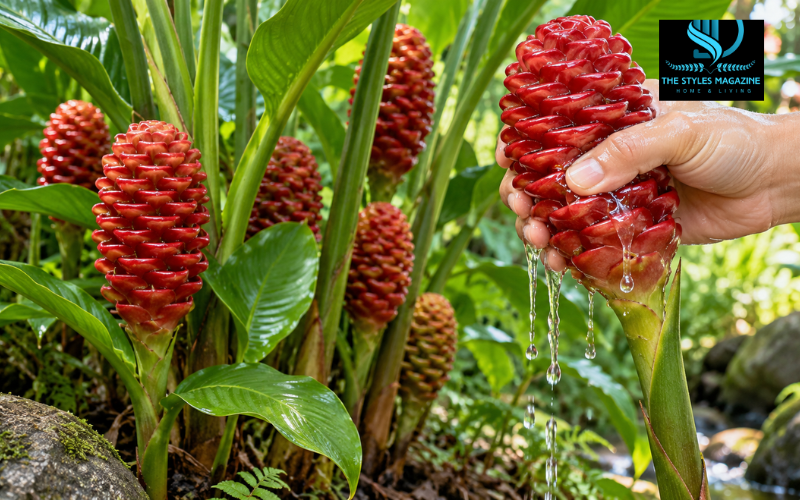
The most surprising feature of shampoo ginger is hidden in its flower heads. Once the cones mature, a gentle squeeze can release a clear, sweetly scented fluid with a smooth, slightly soapy feel. This liquid has a long history in Hawaiian hair care, where the plant is known as ʻawapuhi.
Shampoo ginger is a perennial, which means its underground parts can survive from one growing season to the next. The plant grows from rhizomes, thick underground stems that store energy and send up fresh shoots. In cooler or seasonally dry conditions, its leafy stems can disappear during dormancy and return when warmth and moisture increase.
Although it belongs to the same botanical family as kitchen ginger, it is not the same species. Common culinary ginger is Zingiber officinale; shampoo ginger is Zingiber zerumbet. Gardeners generally choose the latter for its broad leaves, colourful cones and traditional uses, not as a replacement for everyday cooking ginger.
Where Does the Shampoo Ginger Plant Grow Naturally?
Shampoo ginger originates from tropical and subtropical parts of Asia, including areas of South and Southeast Asia. It was introduced to Hawaii, where it became closely connected with traditional plant knowledge and hair care. In natural settings, it favours warm, damp environments, often with some protection from the strongest sun.
In gardens, the plant grows best where summers are warm, humidity is reasonably high and the soil does not dry out for long. Partial shade or filtered light usually suits it well. A little gentle morning sunshine can work, but exposed sites with intense afternoon sun may lead to damaged leaf edges, particularly when water is limited.
For reliable outdoor growing, USDA hardiness Zones 9–11 are a useful guide. Some plants may survive in protected parts of Zone 8, but hard freezes can damage their rhizomes, so survival is less certain. In Britain and other cool regions, it is safer to treat shampoo ginger as a tender plant that needs frost-free winter protection.
Recognising the Leaves, Flowers and Red Ginger Cones
A healthy shampoo ginger plant creates a clump of upright, leafy stems. These can reach roughly 1–2 metres (3–7 feet) in favourable growing conditions, although plants in pots may stay smaller. The long, pointed green leaves give it a lush, almost jungle-like appearance.
The flowers are easy to miss at first because they grow on separate, much shorter stalks near the ground. Each head resembles a small green pinecone made from overlapping sections called bracts. Small pale flowers appear between these sections before the cone gradually changes to a rich red colour.
The red stage is the one most people associate with natural shampoo. Mature cones hold the slippery, fragrant liquid that can be collected by gentle pressure. Cone development usually takes place in the warmer part of the growing season, often towards late summer or autumn. Timing varies with the climate, and not every young plant will flower immediately.
How to Plant Shampoo Ginger Successfully
Spring is a sensible time to plant shampoo ginger where winters are cold. Wait until the risk of frost has passed and the soil has warmed. Choose a healthy, firm rhizome with visible growth buds and avoid pieces that are soft, mouldy or badly shrivelled.
Set the rhizome horizontally in loose soil with its buds facing upwards, then cover it with a shallow layer of soil, around 2–5 cm. Water gently to settle the soil without soaking it. As shoots appear, increase watering to support active growth. If planting several rhizomes, leave generous space between them because mature clumps spread sideways.
The ideal soil holds some moisture while allowing excess water to escape. Mixing garden compost or other well-rotted organic matter into suitable garden soil can improve its structure. In a pot, use a good-quality, free-draining compost rather than heavy soil that stays saturated.
Shampoo Ginger Plant Care: Light, Water and Feeding
The secret to good shampoo ginger plant care is balance. This ginger enjoys brightness, but it does not need to sit in strong sunlight all day. Filtered light beneath taller plants or a position with morning sun and afternoon shade can encourage healthy leaves without excessive heat stress. Deep shade is tolerated, although flowering may be less reliable if light is very limited.
During active growth, aim to keep the soil evenly moist. Check the top layer before watering, especially in containers, which can dry out quickly during warm weather. Water thoroughly when needed, then let excess moisture drain away. Constantly soggy compost is different from comfortably moist soil and can cause underground parts to rot.
A layer of organic mulch around garden plants helps slow moisture loss, but avoid piling it tightly against emerging stems. If growth is weak in otherwise suitable conditions, an occasional balanced fertiliser during spring and summer may help. Follow the product directions rather than feeding heavily; extra fertiliser cannot make up for poor light or cold weather.
Remove damaged foliage when necessary and allow healthy leaves to remain until they naturally fade. Those leaves help the plant build energy in its rhizomes for future growth. As the season ends, reduce watering when stems begin to die back, particularly if the plant will spend winter dormant.
Growing Shampoo Ginger in Pots and Cooler Climates
A container is often the easiest option for UK gardeners. Choose a sturdy pot with drainage holes and enough room for the rhizomes to expand. A wide pot is particularly helpful because the plant forms spreading clumps. Use a moisture-retentive but free-draining potting mix, and do not leave the container standing in water after rain or watering.
During warm weather, a sheltered patio or partly shaded garden corner can suit a potted plant. Move it outside only after frosty nights have ended, introducing it gradually to brighter conditions. A greenhouse or warm conservatory can provide a longer growing season, which may improve the chances of flowering.
As temperatures fall, bring the container into a frost-free place before the first freeze. The foliage may yellow and die back; this is normal dormancy, not automatically a sign that the plant has died. Keep dormant rhizomes on the dry side, watering very sparingly, if at all, depending on storage conditions. Alternatively, rhizomes may be lifted and stored in a dry, frost-free medium until spring. Resume watering gradually once new shoots appear.
How Long Does a Shampoo Ginger Plant Take to Grow?
There is no single timetable for shampoo ginger. A healthy rhizome planted in warm soil may produce shoots within a few weeks, but cooler temperatures or dormancy can make the process slower. Once growth begins, the plant spends much of the season building tall leafy stems and strengthening its underground rhizomes.
Flowering usually comes later than leaf growth. In a warm climate, established clumps may produce cones during summer or autumn. A small rhizome or young division may need more than one growing season to build enough strength to flower well.
If you are wondering how long a shampoo ginger plant takes to produce the red cones, consider the conditions rather than expecting an exact number of months. A short UK summer, a cramped pot, insufficient warmth or very low light can all delay flowers. Even after a cone appears, it needs time to turn red and develop its liquid.
Propagating Shampoo Ginger From Rhizomes and Seeds
The simplest way to make more shampoo ginger plants is to divide an established clump. When the plant is dormant or just beginning fresh growth, carefully lift the rhizomes and separate healthy sections. Each division should have at least one firm growth bud, preferably more, along with healthy underground tissue.
Let any freshly cut surfaces dry briefly before planting to reduce the risk of rot. Place each piece in its own pot or a prepared planting area, keeping it warm and only lightly moist until growth starts.
Shampoo ginger seeds are another possibility, but they are less commonly available than rhizomes and can be harder to establish. Seed quality, freshness and growing conditions affect success, and seedlings take longer to become substantial plants. For a home gardener hoping to enjoy the leafy display and eventual cones, buying a healthy rhizome or plant is usually the more predictable approach.
How to Harvest the Liquid and Make a Natural Shampoo Ginger Hair Rinse
The best time to collect the liquid is when the cone is fully developed and has turned red. Choose a clean, healthy-looking cone with no visible mould or decay. Wash your hands and use a clean bowl or small container. Gently squeeze the cone from its sides, allowing the slippery liquid to run into the container. Press lightly rather than crushing it.
If you leave the cone attached, some liquid may build up again, sometimes as soon as the following day. This is not guaranteed, and repeated hard squeezing can damage the flower head. You can also cut a mature cone and squeeze it separately, but the harvested cone will not continue producing liquid on the plant.
For a simple traditional hair rinse, use a little freshly collected liquid on wet, clean hair, work it gently through the lengths and rinse with water if preferred. Some traditional practices leave the liquid in the hair. The texture may make hair feel smooth, but results vary, and this fresh plant liquid should not be assumed to remove oil, dirt and styling products as effectively as a formulated shampoo.
Try a small patch test before wider skin contact, especially if you are sensitive to botanical products. Keep the liquid away from your eyes and irritated skin, and stop using it if redness or itching develops. Freshly collected juice has no added preservative, so make only what you need and use it promptly rather than storing it at room temperature. Discard any leftover liquid that changes smell or appearance.
Shampoo Ginger Plant Benefits and Traditional Uses
Shampoo ginger has an established place in Hawaiian cultural traditions, particularly as a source of fragrant liquid for washing and conditioning hair. People also value the plant’s vivid cones in flower arrangements and its green foliage as a striking feature in sheltered gardens.
There are other traditional uses as well. Different communities have used parts of the plant in fragrant preparations and customary remedies, while leaves have sometimes been used to wrap food during cooking. These historical practices are interesting, but they should not be confused with modern evidence that the plant treats specific health conditions.
Researchers have investigated compounds found in Zingiber zerumbet, including zerumbone, for possible biological effects. Much of this work has involved laboratory or animal research, not clinical testing in people. Claims that the plant reliably cures inflammation, treats skin disease or stimulates hair growth therefore go beyond what has been established. Its most dependable benefits for home growers remain ornamental enjoyment and its documented traditional hair-care use.
Common Shampoo Ginger Growing Problems and Simple Solutions
Yellow leaves are not always a warning sign. If they appear as the season cools and growth slows, the plant may simply be entering dormancy. Yellowing during active growth, however, deserves a closer look. Overwatering, poor drainage, prolonged dryness and nutrient problems can all affect foliage, so check the soil and the plant’s surroundings before changing your routine.
Brown leaf tips or scorched patches often appear when the plant receives too much direct sun or dries out in hot weather. Move a container into brighter shade or provide afternoon protection. If stems collapse and rhizomes feel soft or smell unpleasant, root or rhizome rot may be involved. Remove damaged material, improve drainage and avoid leaving the roots constantly wet.
Shampoo ginger is usually not especially troubled by pests, though mites or whiteflies can occasionally appear. If your plant stays leafy but produces no cones, give it time and review its warmth, growing season, light and available root space. A healthy plant in a cool climate may simply need another season before flowering.
Where to Buy a Shampoo Ginger Plant and What to Look For
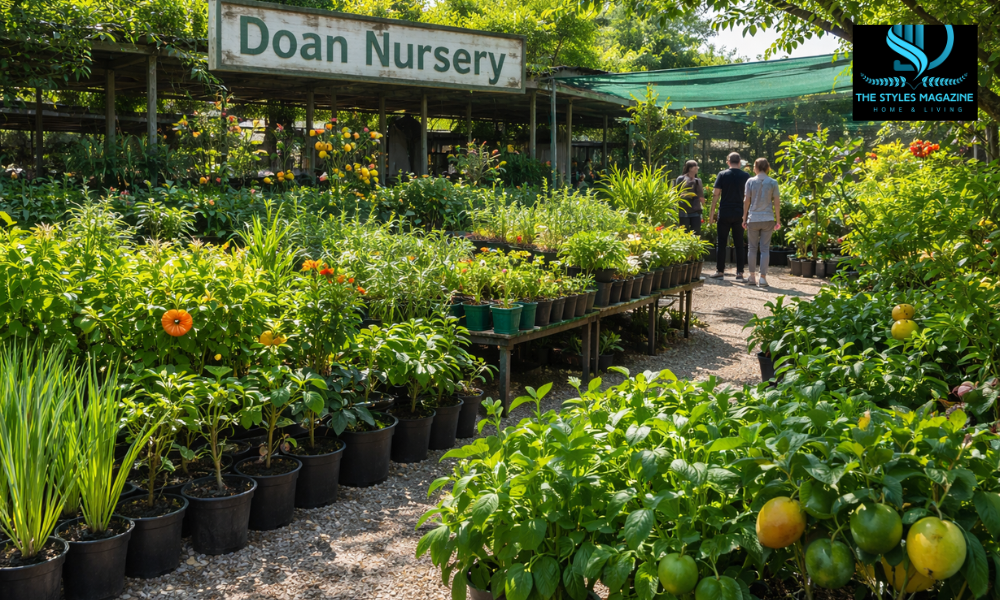
If you are searching for a shampoo ginger plant for sale, begin with specialist tropical-plant nurseries, established online plant shops or growers who offer unusual gingers. Availability may change with the season, especially in the UK, where suppliers sometimes offer rhizomes rather than full plants.
Check the botanical name before buying. The listing should say Zingiber zerumbet, since common names such as wild ginger or ornamental ginger can refer to different plants. Look for clear photographs, a realistic description of what will arrive and information about whether the plant is actively growing or dormant.
An established plant offers a head start but is usually harder to ship. A firm rhizome can be an economical choice if you can provide warmth for sprouting. Seeds may be worth trying if you enjoy experimenting, but verify their identity and freshness. Whatever you choose, check delivery timing, frost protection during shipping and the seller’s replacement policy before ordering.
Conclusion
The shampoo ginger plant brings something unusual to a garden: leafy tropical growth, bright red pinecone-shaped flower heads and a fragrant liquid with a long history in hair care.
Give it filtered light, moisture during active growth and soil that drains well. In cooler climates, protect its rhizomes from freezing temperatures and be patient if flowering takes time. With suitable conditions and sensible seasonal care, this fascinating ginger can return year after year and offer much more than an ordinary green backdrop.
Frequently Asked Questions
Can I Grow A Shampoo Ginger Plant In The UK?
Yes, but it usually needs a container and frost-free winter protection. Place it outdoors during suitable warm weather, then move it indoors or store dormant rhizomes safely before frost arrives.
Does The Shampoo Ginger Plant Really Produce Shampoo?
Its mature red cones release a fragrant, slippery liquid traditionally used in hair care. However, this plant liquid is not a tested replacement for modern shampoo, particularly when removing oils or styling products.
How Long Does A Shampoo Ginger Plant Take To Grow?
Rhizomes can sprout within weeks in warm conditions, but flowering may take a full growing season or longer. Climate, plant maturity, light and the length of summer all affect cone production.
Can Shampoo Ginger Plants Grow From Seeds?
Yes, shampoo ginger can grow from viable seeds, but seeds may be difficult to find and seedlings take time to establish. Rhizome division is generally easier and more dependable for home gardeners.
Is Shampoo Ginger Liquid Safe To Use On Hair And Skin?
Not everyone will tolerate fresh plant liquid. Try a small patch test first, avoid the eyes and broken skin, and stop using it if irritation develops. Never use liquid from mouldy cones.
Enjoyed it? Find more exclusive content on The Styles Magazine.
Disclaimer: The information in this article is provided for general gardening and educational purposes. Shampoo ginger growing conditions, flowering times and results may vary depending on climate, soil and plant care. Although its liquid has a history of traditional hair and skincare use, its medical and cosmetic benefits have not all been scientifically established in humans. Always test fresh plant liquid on a small area of skin before use, and seek professional medical advice for persistent skin or scalp problems.