Polymeric sand for pavers is a special type of joint sand used to fill the narrow spaces between pavers, bricks, patio stones, and similar hardscape materials. At first glance, it may look like regular sand, but it is designed to do much more than simply fill gaps. It contains fine sand mixed with binding agents that become active when water is added. Once it cures, it helps hold the joint material in place and creates a firmer surface between the pavers.
For many homeowners, the biggest problem with paver joints is that regular sand can wash away, shift, or become a place where weeds and ants appear. Over time, this can make a patio, walkway, or driveway look messy and uneven. Polymeric sand helps solve that problem by forming a more stable joint that resists erosion, weed growth, and insect activity better than loose sand.
The main difference between polymeric sand and regular sand is how they behave after installation. Regular sand stays loose, so it can move when it rains, when the surface is cleaned, or when people walk over it. Polymeric sand, on the other hand, hardens after it is activated with water. It does not turn into concrete, but it does create a bonded joint that is stronger and longer-lasting than ordinary sand.
Quick Guide Table: Polymeric Sand for Pavers
| Reader Need | Helpful Answer |
| Best use | Filling joints between pavers, bricks, patio stones, walkways, and driveways |
| Main benefit | Helps keep joints stable, cleaner, and more resistant to washout |
| Better than regular sand? | Yes, for finished paver projects because it hardens after water activation |
| Best joint condition | Clean, dry, and properly compacted joints |
| Common colors | Gray, tan, beige, black, brown, and natural tones |
| Biggest mistake | Watering before removing all sand dust from the paver surface |
| Buying tip | Check joint width, color, coverage, traffic level, and weather suitability before buying |
How Polymeric Sand Works Between Paver Joints
Polymeric sand works through a simple process. The sand is swept into the joints while it is dry. After the joints are filled and the surface is cleaned, water is gently applied. This water activates the polymers in the sand. As the mixture dries, the polymers bind the sand particles together and help lock them inside the joints.
This bonding process is important because pavers need stable joints to perform well. The joints help support the edges of each paver and reduce movement between individual stones. When the joint material is weak or missing, pavers can shift more easily, and the surface may begin to look uneven. Good joint filling helps the whole paved area feel more solid and finished.
Polymeric sand for pavers performs especially well on patios, walkways, driveways, pool decks, and other outdoor surfaces where the pavers are properly installed. It is not a fix for a poor base, bad drainage, or loose edging, but it can greatly improve the final result when the paver system underneath is already sound.
Main Benefits of Using Polymeric Sand for Pavers
One of the biggest benefits of using polymeric sand for pavers is that it helps reduce weed growth. Weeds often grow when loose sand or organic debris collects between pavers. Because polymeric sand hardens after curing, it gives weed seeds fewer easy places to settle and grow. It may not stop every weed forever, but it can make the surface much easier to maintain.
Another useful benefit is insect control. Ants and other small insects often dig through loose joint sand, which can leave small piles of sand on the surface and weaken the joints over time. A properly cured polymeric sand joint makes it harder for insects to tunnel through the gaps.
Polymeric sand also helps reduce washout. Regular sand can be carried away by heavy rain, sprinkler runoff, or pressure washing. Once polymeric sand cures, it holds together better and stays in place longer. This keeps the paver surface cleaner and reduces the need for frequent refilling.
It also improves the appearance of the project. Clean, filled joints give pavers a more complete and professional look. Whether the surface is a backyard patio, front walkway, or driveway, stable joints help the entire area look more finished.
Polymeric Sand vs Regular Sand for Pavers
Regular sand has been used between pavers for many years, and it can still work in some simple situations. However, it does not offer the same level of stability as polymeric sand. Regular sand remains loose, so it is more likely to shift, wash out, or be disturbed by insects.
Polymeric sand is stronger because it binds together after water activation. This makes it more resistant to weather, movement, and everyday wear. It also requires less maintenance when installed correctly. With regular sand, homeowners may need to sweep new sand into the joints more often, especially after storms or cleaning.
When it comes to weed and erosion resistance, polymeric sand usually performs better. Since the joints are firmer, weeds have a harder time growing through them, and rain is less likely to remove the material. This is one reason polymeric sand is often preferred for finished patios, walkways, and driveways where the homeowner wants a cleaner, longer-lasting result.
Regular sand may still be used for temporary projects, very small repairs, or situations where a flexible and low-cost joint filler is enough. But for most finished paver projects, polymeric sand offers better long-term value.
Best Polymeric Sand for Pavers: What Makes a Product Worth Choosing
The best polymeric sand for pavers is not always the most expensive one. The right choice depends on the type of pavers, the joint width, the expected traffic, the weather conditions, and the look you want.
Joint width is one of the first things to check. Some polymeric sands are designed for narrow joints, while others can handle wider gaps between large pavers or natural stone. Using a product outside its recommended joint width can lead to poor bonding, cracking, or early failure.
Strength after curing is also important. A patio or walkway may not need the same level of strength as a driveway. For areas with vehicles, heavier traffic, or frequent moisture, a higher-performance product may be a better choice.
Haze resistance is another feature worth considering. Polymeric haze is a cloudy or whitish film that can appear on the paver surface when polymer dust is not fully removed before watering. Some modern products are designed to reduce this risk, but proper installation is still the most important factor.
Color options also matter. Polymeric sand for pavers colors can change the final appearance of the surface. A good product should offer a color that blends well with the pavers or creates the contrast you want.
Popular Polymeric Sand Brands Homeowners Often Compare
Homeowners often compare several well-known brands when choosing polymeric sand for pavers. Techniseal polymeric sand for pavers is commonly used for residential and professional projects, with options for standard paver work as well as higher-performance installations. Products such as Techniseal HP NextGel are often associated with wider use cases, including surfaces with heavier traffic or more demanding conditions.
Alliance Gator polymeric sand is another popular name in the hardscape industry. Its Gator Maxx G2 and other G2 products are often considered by people looking for strong performance, especially where moisture, drainage, or wider joints are part of the project.
Dominator polymeric sand is also widely compared by homeowners and contractors. It is often chosen for patios, walkways, pool decks, and other outdoor paver projects where joint stability and appearance are important.
Budget-friendly products can also work well for basic residential installations, especially on small patios or walkways with standard joint sizes. Before choosing any brand, it is better to compare joint width, color, coverage, curing instructions, surface type, and whether the area will receive foot traffic or vehicle traffic.
Polymeric Sand for Pavers Colors and Finish Options
Polymeric sand for pavers colors can make a bigger difference than many people expect. The joint color affects how the entire surface looks once the project is finished. Common colors include gray, tan, beige, black, brown, and natural sand tones.
Gray is often used with concrete pavers because it blends easily with many modern patio and driveway designs. Tan and beige colors are common for warm-toned pavers, natural stone, and backyard patios. Polymeric sand for pavers tan is a good choice when the pavers have cream, buff, brown, or earth-tone shades. It creates a softer and more natural appearance.
Some homeowners prefer to match the sand color closely to the pavers for a seamless look. Others prefer contrast. For example, darker sand between light pavers can make the pattern stand out more clearly. This can look attractive on patios with strong geometric layouts.
Before buying, it is helpful to view the sand color in natural light if possible. Bag labels and online photos may not always show the exact final color. The cured sand can also look slightly different after it is wet and dried.
How to Use Polymeric Sand the Right Way
Learning how to use polymeric sand properly is just as important as buying the right product. Most problems happen because the installation steps are rushed or the surface is not prepared correctly.
The paver surface should be clean, dry, and stable before application. Any old loose sand, weeds, dirt, or debris should be removed from the joints. The pavers and joints must be completely dry because moisture can activate the polymers too early. If polymeric sand is applied over damp pavers, it may stick to the surface and create haze.
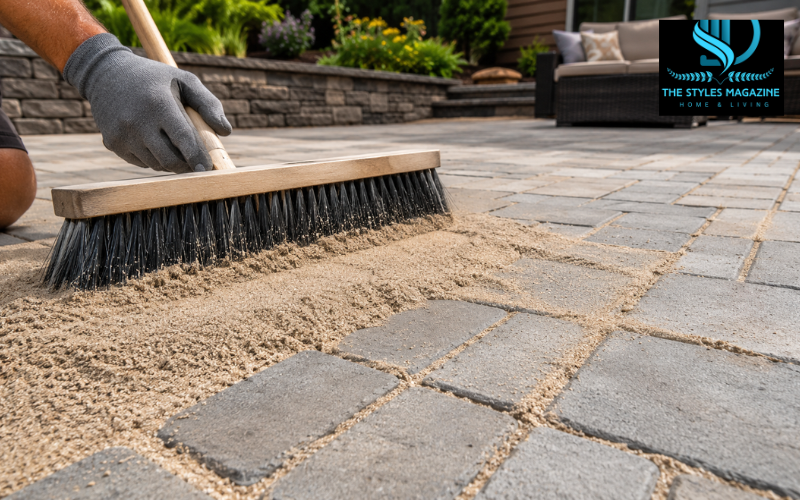
Once the area is ready, the sand is poured over the pavers and swept into the joints. The goal is to fill the gaps evenly, not leave piles on the surface. After sweeping, the sand should be compacted so it settles deeper into the joints. On larger projects, a plate compactor is usually used, while small areas may be handled with a hand tamper.
After compaction, more sand may be needed to top off the joints. The surface should then be cleaned carefully with a broom or leaf blower so no dust remains on top of the pavers. Water should be applied gently using a mist or shower setting. A strong stream of water can wash the sand out before it has time to cure.
Common Mistakes to Avoid During Installation
The most common mistake is applying polymeric sand on damp pavers. Even a small amount of moisture can cause the polymers to activate before the sand is fully in the joints. This often leads to staining, clumping, or a cloudy film on the paver surface.
Another mistake is leaving polymer dust on top of the pavers before watering. Once water touches that dust, it can bond to the surface and become difficult to remove. This is why careful sweeping and blowing are so important before activation.
Using too much water too quickly can also cause problems. Polymeric sand needs enough water to activate, but not so much that the joints flood or the sand washes away. Gentle watering in stages usually gives better results than soaking the surface all at once.
Skipping compaction is another issue. If the sand is only swept across the top, the joints may not be filled deeply enough. Later, the sand can settle and leave low spots. Joints should be filled to the recommended height, usually slightly below the top edge of the paver.
Weather timing matters as well. Installing polymeric sand before rain, heavy dew, or freezing temperatures can affect curing. It is best to follow the product label and choose a dry weather window.
Where to Buy Polymeric Sand for Pavers
If you are wondering where to buy polymeric sand for pavers, there are several good options. Local landscape supply stores often carry professional-grade products and may offer helpful advice based on your region, climate, and paver type. These stores can be useful if you are working on a larger patio, driveway, or hardscape project.
Big-box home improvement stores are another common choice. They usually carry standard polymeric sand products in popular colors such as gray and tan. This can be convenient for homeowners who need a few bags for a small or medium project.
Online retailers offer more variety, especially if you are looking for a specific brand, color, or joint-width range. However, shipping costs can be high because polymeric sand bags are heavy. For large projects, local pickup may be more affordable.
Contractor supply yards are also worth checking, especially for premium products or commercial-grade options. Before buying, always check the bag size, coverage estimate, color, joint width range, and return policy. Coverage can vary a lot depending on paver size and joint width, so it is better to buy carefully than guess.
Polymeric Sand for Pavers Near Me and Home Depot Buying Tips
Searching for polymeric sand for pavers near me is a practical way to compare local availability. Local stores may carry different brands based on region and season. Prices can also vary depending on bag size, color, and product performance level.
Polymeric sand for pavers Home Depot options are popular because many homeowners can check availability online, compare reviews, and choose pickup or delivery. Home Depot often carries well-known options such as Techniseal EZ Sand and other polymeric sand products in common colors. Availability may change by location, so it is smart to check your local store before planning the installation day.
When reading product reviews, look for patterns instead of focusing on one or two comments. Many poor results come from installation mistakes rather than the product itself. Reviews that mention joint width, weather conditions, watering method, and surface cleaning are often more useful than very short ratings.
Also confirm the bag size and estimated coverage. A small patio with narrow joints may need far less sand than a driveway with wider joints. If the project is large, delivery may be easier than carrying several heavy bags yourself.
How Long Polymeric Sand Lasts and When to Reapply It
Polymeric sand can last for years when it is installed correctly on a stable paver base. Its lifespan depends on weather exposure, drainage, traffic, cleaning habits, and the quality of the installation. A well-drained patio with light foot traffic will usually keep its joints longer than a driveway exposed to vehicles, runoff, and frequent cleaning.
Signs that polymeric sand needs repair include empty joints, loose sand, weeds growing between pavers, ant activity, or areas where the joint material has cracked or washed away. Small problem areas may only need spot repair. In that case, the damaged joint material can be removed and replaced without redoing the entire surface.
A full re-sanding may be needed when many joints are low, loose, or missing. This is more common on older paver surfaces or installations where the original sand was not applied correctly.
Maintenance can help extend performance. Keep the surface clean, avoid aggressive pressure washing directly into the joints, and fix drainage problems early. If water constantly runs across the pavers or pools in low areas, even good polymeric sand may fail sooner than expected.
Final Thoughts
Polymeric sand for pavers is a small detail that can have a big effect on how a patio, walkway, driveway, or pool deck looks and performs over time. It helps stabilize the joints, reduce washout, limit weed growth, and create a cleaner finished appearance.
The right product should match your joint width, paver type, color preference, traffic level, and weather conditions. A basic residential walkway may only need a standard product, while a driveway, pool deck, or high-moisture area may benefit from a stronger option. Color is also worth choosing carefully because the joint lines become part of the final design.
Most importantly, follow the installation instructions closely. Polymeric sand works best when the surface is dry, the joints are properly filled, the pavers are cleaned before watering, and the sand is activated gently. When used the right way, it can make your paver surface look more polished, stay cleaner, and require less maintenance over time.
FAQs
What Is Polymeric Sand For Pavers Used For?
Polymeric sand for pavers is used to fill the joints between pavers. It helps reduce weeds, ants, loose joints, and sand washout while giving patios, walkways, and driveways a cleaner finish.
Is Polymeric Sand Better Than Regular Sand?
Yes, polymeric sand is usually better for finished paver projects because it hardens after water activation. Regular sand stays loose, so it can wash away or attract weeds and insects faster.
How Long Does Polymeric Sand Last Between Pavers?
Polymeric sand can last for several years when installed correctly. Its lifespan depends on drainage, weather, traffic, cleaning habits, and whether the paver base is stable.
Can I Apply Polymeric Sand Over Old Sand?
You should remove loose, dirty, or weak old sand before applying new polymeric sand. The joints need enough clean depth so the new sand can bond properly and last longer.
What Color Polymeric Sand Should I Choose?
Choose a color that matches or complements your pavers. Tan works well with warm stone tones, gray suits many concrete pavers, and darker colors can make joint lines stand out.
Enjoyed it? Find more exclusive content on The Styles Magazine.
Disclaimer: This article is for general informational purposes only. Product performance may vary based on brand, weather, joint size, drainage, and installation method. Always follow the manufacturer’s instructions or consult a qualified hardscape professional for complex projects.