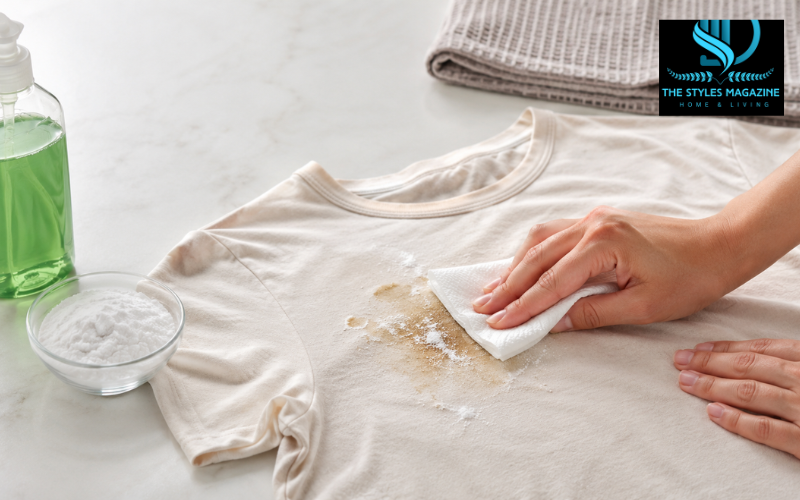
Oil stains are among the most common clothing stains, and they can also be some of the most stubborn. Whether the stain comes from cooking oil, butter, salad dressing, motor oil, makeup, or greasy food, the problem is usually the same: oil clings to fabric fibers and does not wash away easily with plain water. This is why a shirt or pair of pants may still look stained even after a normal wash cycle.
If you want to know how to remove oil stains from clothes, the most important thing to remember is that timing matters. Fresh oil stains are usually much easier to lift than old or dried stains. When oil sits on fabric for too long, it can sink deeper into the fibers. If the clothing has already gone through a hot dryer, the stain may become even harder to remove.
The safest basic method is simple: blot the oil, absorb as much grease as possible, treat the stain with a grease-cutting cleaner, wash the garment according to the care label, and air dry it before checking the result. This process works well for many everyday fabrics and common oil stains.
In this guide, you will learn simple home methods for fresh oil stains, old oil stains, dried stains, stains on colored clothes, and clothes that have already been washed. You will also learn what mistakes to avoid so you do not accidentally make the stain worse.
Quick Guide Table
| Oil Stain Situation | Best Method | Important Tip |
| Fresh oil stain | Blot, apply baking soda, then dish soap | Do not rub the stain |
| Old oil stain | Treat with dish soap or stain remover before washing | Let the cleaner sit longer |
| Already washed stain | Re-treat before drying with heat | Air dry and check again |
| Dried oil stain | Use repeat treatment with dish soap or enzyme remover | More than one try may be needed |
| Colored clothes | Use gentle dish soap and test first | Avoid bleach or harsh cleaners |
Why Oil Stains Are Difficult to Remove from Clothes
Oil stains are difficult because oil and water do not mix well. Since most washing methods rely on water, plain rinsing is usually not enough to remove grease from fabric. Water may pass over the stain without breaking it down completely, which is why oil marks often remain visible after washing.
Grease can also sink deep into the fibers of clothing. Some fabrics absorb oil faster than others, especially cotton, linen, and soft knit materials. Once the oil spreads into the fabric, the stain may look like a dark patch. Even if the fabric feels clean, the mark can stay behind.
Heat is another reason oil stains become stubborn. Hot water may sometimes help with grease, but dryer heat can set the stain if it has not been fully removed first. Once a stained garment goes into the dryer, the remaining oil can bond more strongly with the fabric. This is why it is always better to air dry the item first and inspect it carefully.
Different fabrics also need different care. A cotton T-shirt can often handle dish soap and warm water, while silk, wool, leather, and dry-clean-only clothing need a much gentler approach. Before treating any stain, always check the care label so you do not damage the garment while trying to save it.
What to Do Immediately After an Oil Stain Happens
The first few minutes after an oil stain happens can make a big difference. Start by blotting the stain gently with a clean paper towel, tissue, or cloth. Do not rub the stain, even if you feel tempted to scrub it quickly. Rubbing can push the oil deeper into the fabric and spread the stain over a larger area.
Try to remove as much excess oil as possible before using any cleaner. Press the towel onto the stain and lift it away. Repeat with a clean section of the towel until no more loose oil transfers easily. This step helps prevent the stain from spreading during treatment.
Do not put the clothing in the dryer while the stain is still visible. Dryer heat is one of the biggest reasons oil stains become difficult to remove. Even if you are in a hurry, it is better to air dry the clothing until you are sure the stain is gone.
Quick treatment usually gives the best results. If you cannot wash the garment right away, at least blot the oil and apply an absorbent powder such as baking soda, cornstarch, or baby powder. This can help pull out some of the grease until you are ready to treat the stain properly.
The Basic Step-by-Step Method to Remove Oil Stains from Clothes
The basic method for how to remove oil stains from clothes begins with blotting. Place the stained area on a flat surface and press a paper towel or clean cloth over the oil. Keep blotting until you have removed as much surface grease as possible. Avoid rubbing, twisting, or stretching the fabric.
Next, apply an absorbent powder. Baking soda, cornstarch, or baby powder can help draw oil out of the fibers. Cover the stain completely and let the powder sit for at least 30 minutes. For heavier stains, you can leave it for an hour. After that, gently brush the powder away with a soft toothbrush or dry cloth.
Once the excess oil has been absorbed, apply a few drops of grease-cutting liquid dish soap directly to the stain. Dish soap is often helpful because it is designed to break down grease. Gently work it into the fabric with your fingers or a soft toothbrush. Let it sit for 10 to 15 minutes so it has time to loosen the oil.
Rinse the stained area from the back of the fabric using warm water if the care label allows it. Rinsing from the back helps push the oil out instead of driving it deeper. Then wash the garment with regular laundry detergent using the warmest water that is safe for the fabric.
After washing, check the stain before drying. If the mark is still there, repeat the treatment while the fabric is still damp. Once the stain is fully gone, you can dry the clothing as usual.
How to Remove Oil Stains from Clothes Quickly
When the stain is fresh, you can often remove it quickly with a paper towel, baking soda, and dish soap. This method works well for common stains from cooking oil, butter, mayonnaise, salad dressing, or greasy food. The key is to act before the oil has time to settle deeply into the fabric.
Start by blotting the stain with a paper towel. Press down gently and lift. Do this several times using clean sections of the towel. Then cover the stain with baking soda or cornstarch. Even 15 to 30 minutes can help when you are short on time, though longer is better for larger stains.
After brushing off the powder, apply a small amount of liquid dish soap. Rub it in gently, let it sit for a few minutes, and rinse the area from the back. Then wash the item according to the care label. This quick method is often enough for light, fresh oil stains.
However, a quick method may not be enough if the stain is large, old, or already dried. Heavy grease stains may need a longer treatment time or a second round of cleaning. It is better to repeat a safe method than to use harsh products that may damage the clothing.
How to Remove Oil Stains from Clothes with Baking Soda
Baking soda is useful because it can absorb oil from fabric before the stain is washed. It works best on fresh oil stains or stains that still feel greasy. Baking soda is not a complete cleaner on its own, but it is a helpful first step before using dish soap or laundry detergent.
To use baking soda, place the garment on a flat surface and blot away extra oil first. Then sprinkle a thick layer of baking soda over the stain. Make sure the stained area is fully covered. Let it sit for 30 to 60 minutes. If the powder begins to clump, that means it is absorbing oil.
After waiting, gently brush away the baking soda with a soft toothbrush or dry cloth. Do not scrub too hard, especially on delicate fabrics. Once the powder is removed, apply a small amount of grease-cutting dish soap to the stain and gently work it in.
Combining baking soda with dish soap can give better results than using either one alone. The baking soda helps pull out the oil, while the dish soap helps break down the grease that remains. After treatment, rinse and wash the garment as recommended on the care label.
Best Oil Stain Remover Options for Clothes
The best oil stain remover depends on the fabric and the type of stain. For many everyday clothes, grease-cutting liquid dish soap is one of the most useful options. It is made to handle oil and grease, and it can be gentle enough for many washable fabrics when used carefully.
An enzyme-based laundry stain remover can also be helpful, especially for food-related grease stains. These stain removers are made to break down different types of stains before washing. Always follow the product instructions and test on a hidden area first if the fabric is colored or delicate.
Baking soda and cornstarch are good choices for absorbing fresh oil before washing. They are not strong cleaners, but they can remove excess grease and make the next cleaning step more effective. Baby powder can also be used in a similar way if that is what you have at home.
Regular laundry detergent is important for the final wash. After pre-treating the stain, detergent helps remove loosened oil from the fabric. Choose the safest option based on the clothing material. For delicate, expensive, or dry-clean-only items, professional cleaning may be the better choice.
How to Remove Oil Stain from Clothes That Have Already Been Washed
If an oil stain has already been washed, do not panic. Many washed oil stains can still be treated, especially if the garment has not gone through the dryer. First, check the stained area under good light. Sometimes oil stains are easier to see after the fabric dries.
If the item was washed but not dried with heat, treat it again with dish soap or a laundry stain remover. Apply the cleaner directly to the stain and gently work it into the fabric. Since the stain has already been through a wash cycle, let the treatment sit a little longer than you would for a fresh stain. Around 15 to 30 minutes is often helpful for washable fabrics.
After the treatment time, rinse the area from the back and wash the garment again according to the care label. Use regular detergent and the warmest water that is safe for the fabric. Avoid adding the garment to a hot dryer after washing.
Air dry the clothing and check the stain again. If the mark is lighter but still visible, repeat the process. Oil stains sometimes need more than one treatment, especially when they have already been washed once.
How to Remove Oil Stains from Clothes After Drying
Removing oil stains after drying can be more difficult because dryer heat may set the stain. Still, it is often worth trying before giving up on the garment. The goal is to loosen the oil again and break it down with a stronger repeat-treatment method.
Start by applying liquid dish soap directly to the dried stain. Gently massage it into the fabric with your fingers or a soft toothbrush. Let it sit for at least 20 to 30 minutes. For a more stubborn stain, you may use an enzyme-based stain remover if it is safe for the fabric.
After the treatment sits, rinse the area from the back with warm water if the care label allows it. Then wash the garment again with laundry detergent. Do not use the dryer afterward. Air dry the clothing and inspect the stain in natural light.
You may need to repeat the process several times. Dried oil stains usually do not lift as quickly as fresh ones. Be patient and avoid harsh scrubbing, because too much force can wear down the fabric or leave a faded patch.
Remove Old Oil Stains from Clothes Safely
Old oil stains often appear as dark, greasy, or slightly shiny patches on clothing. Sometimes they are easy to miss at first and only become noticeable after washing or drying. The older the stain is, the more carefully you should treat it.
To remove old oil stains from clothes safely, begin by loosening the stain. Apply a small amount of dish soap or stain remover to the area and let it sit. This helps rehydrate and break down the grease before washing. If the fabric is sturdy, you can gently work the cleaner in with a soft toothbrush.
Baking soda may help if the stain still feels oily. Sprinkle it over the treated area and let it sit for a while before brushing it off. Then apply dish soap again if needed. This layered method can help lift leftover grease from the fabric.
Avoid using harsh chemicals as your first choice. Strong products may damage color, weaken fibers, or leave marks of their own. Repeating a gentle method is usually safer than trying one aggressive treatment. If the stain does not improve after several attempts, professional cleaning may be the best option.
How to Remove Old Oil Stains from Clothes with Home Remedies
Home remedies can be helpful for old oil stains when they are used carefully. Baking soda is a good option for absorbing leftover grease, especially if the stained area still feels slightly oily. Apply it generously, let it sit, and brush it away before washing.
Dish soap is another simple home remedy because it helps break down oil. Apply a few drops to the old stain, gently rub it in, and let it sit before rinsing. For many washable fabrics, this is one of the most reliable home methods.
White vinegar is sometimes used in laundry care, but it should be used carefully. Only use it where the fabric allows, and never mix vinegar with bleach. Vinegar is not the main oil remover, but it may help with odors or residue in some laundry situations.
Cornstarch or baby powder can also help with delicate handling. These powders absorb oil without requiring hard scrubbing. No matter which home remedy you use, always test it on a hidden area first. This is especially important for colored clothes, delicate fabrics, and garments you care about.
How to Remove Oil Stains from Colored Clothes
Colored clothes need extra care because some stain removers can affect dye. Before treating the stain, check the care label and test the cleaner on a hidden seam or inside area. If the color does not change after a few minutes, it is usually safer to continue.
Avoid bleach or harsh lightening products on colored clothing unless the care label clearly says they are safe. Bleach can remove color and leave a permanent faded spot that may look worse than the original oil stain.
For most colored clothes, a gentle grease-cutting dish soap and cool-to-warm water are good starting points. Apply a small amount of soap directly to the stain, work it in gently, and let it sit. Rinse from the back of the fabric and wash as directed.
After washing, air dry the clothing before checking the stain. Heat can set any oil that remains, and it can also make color damage harder to fix. If the stain is still visible, repeat the treatment instead of using stronger products right away.
Common Mistakes That Can Make Oil Stains Worse
One of the biggest mistakes is rubbing the stain aggressively. Rubbing may seem helpful, but it often pushes oil deeper into the fabric and spreads the stain. Blotting is safer and more effective at the beginning.
Another common mistake is putting the clothing in the dryer too soon. Even if the stain looks lighter after washing, dryer heat can set any remaining oil. Always air dry first and check the stained area carefully before using heat.
Using too much heat on delicate fabric can also cause problems. Some fabrics shrink, weaken, or lose their shape when exposed to hot water or high dryer settings. Always follow the care label, especially for delicate or special clothing.
Skipping the absorbent powder step can make stain removal harder for fresh stains. Baking soda, cornstarch, or baby powder can remove extra oil before you apply soap. This gives the cleaner less grease to fight.
Using bleach on colored clothes is another mistake. It may create a faded spot instead of removing the oil. Washing without pre-treating the stain can also leave the oil behind, because regular detergent alone may not be enough for greasy marks.
When Oil Stains Need Extra Care or Professional Cleaning
Some oil stains should not be treated with regular home methods. Delicate fabrics like silk, wool, leather, suede, and dry-clean-only garments need special care. Water, dish soap, or stain removers may damage these materials or change their texture.
Large or deeply set stains may also need extra attention. If oil has spread across a wide area, home treatment may not remove it evenly. Expensive clothing, formal wear, or special fabrics should be handled with caution because the wrong method can cause permanent damage.
If you have tried safe methods several times and the stain remains, professional cleaning may be the best choice. A cleaner can choose a method based on the fabric and stain type. This is especially useful for old stains, dried stains, and items with sentimental or high value.
It is always better to seek help early than to keep applying stronger products at home. Too many treatments can weaken fabric or affect color. When in doubt, stop and ask a professional before the garment is damaged.
Conclusion
Learning how to remove oil stains from clothes is mostly about acting quickly and using the right method. Oil stains can be stubborn because grease does not wash away easily with water, but many stains can be removed with simple steps and common household items.
The safest process is to blot the stain, absorb extra oil with baking soda or another powder, treat the area with grease-cutting dish soap or a suitable stain remover, wash according to the care label, inspect the stain, and air dry before using heat. This method works well for many fresh stains and can also help with washed, dried, or older stains when repeated carefully.
Old or dried oil stains may take more than one attempt, so patience is important. Avoid rubbing, harsh chemicals, and dryer heat until you are sure the stain is completely gone. With the right approach, you can often save your clothes without making the stain worse.
FAQs
Can Oil Stains Be Removed After Washing?
Yes, oil stains can often be removed after washing if the clothing has not been dried with heat. Re-treat the stain with dish soap or stain remover, wash again, and air dry.
What Is The Fastest Way To Remove Oil Stains From Clothes?
The fastest way is to blot the stain, cover it with baking soda, apply dish soap, rinse, and wash. This works best when the oil stain is still fresh.
Does Baking Soda Remove Oil Stains From Clothes?
Baking soda helps absorb fresh oil from fabric, making the stain easier to clean. For better results, use baking soda first, then treat the area with grease-cutting dish soap.
How Do You Remove Old Oil Stains From Clothes?
To remove old oil stains, apply dish soap or an enzyme-based stain remover, let it sit longer, gently rub the fabric, wash again, and air dry before checking the result.
Can I Use Bleach On Oil Stains From Colored Clothes?
No, bleach is not a good choice for colored clothes because it can fade or damage the fabric. Use gentle dish soap and test any stain remover on a hidden area first.
Enjoyed it? Find more exclusive content on The Styles Magazine.
Disclaimer: This article is for general home laundry guidance only. Results may vary based on fabric type, stain age, oil type, and previous washing or drying. Always check the garment care label and test any cleaner on a hidden area first. For delicate, expensive, leather, silk, wool, or dry-clean-only clothing, professional cleaning is recommended.