Monkey grass is one of those plants that many homeowners notice in landscapes without always knowing its name. It forms thick, grass-like clumps, stays attractive for much of the year, and can fill awkward spaces where regular lawn grass struggles. It is commonly used along pathways, around trees, on slopes, and in shady garden beds where a simple, low-maintenance groundcover is needed.
The name “monkey grass” is a common garden name, not one exact plant. In most cases, it refers to plants from two groups: Liriope and Mondo Grass. Liriope usually has wider leaves and more noticeable flower spikes, while mondo grass has finer, narrower leaves and a softer look. Because both look similar and are used in similar ways, many people use the same name for both.
Homeowners like monkey grass because it is tough, easy to grow, and useful in many parts of the yard. It can create a neat border, cover bare soil, help reduce erosion on slopes, and even replace small areas of traditional lawn in shady spots. The key is choosing the right type for the right place. Once planted correctly, monkey grass usually needs only simple care to stay healthy and attractive.
Quick Guide Table: Monkey Grass at a Glance
| Feature | Quick Answer |
| Common Name | Monkey grass |
| Main Plant Types | Liriope and Mondo grass |
| Best Uses | Borders, ground cover, slopes, tree bases, shady lawn alternatives |
| Sun Needs | Full sun to shade, depending on type |
| Water Needs | Regular water when new, drought-tolerant once established |
| Best Border Type | Clumping Liriope or compact Mondo grass |
| Fast-Spreading Type | Liriope spicata |
| Best Low-Growing Type | Dwarf Mondo grass |
| Maintenance Level | Low |
| Best Time to Prune | Late winter or early spring |
What Is Monkey Grass?
Monkey grass is a grass-like perennial groundcover that grows in clumps or spreading patches, depending on the type. Even though it looks like grass, it is not the same as regular turf grass. It does not need frequent mowing, and it is usually grown more for edging, ground coverage, and landscape design than for open lawn use.
It is popular in landscaping because it solves common garden problems. Many yards have places where grass grows thin, soil washes away, or garden beds look unfinished. Monkey grass can help fill these spaces with dense green foliage. It gives a clean, organized look without requiring constant attention.
The main confusion comes from the fact that “monkey grass” may mean Liriope, mondo grass, or sometimes both. In garden centers, plant labels may say Liriope, lilyturf, mondo grass, or monkey grass. This is why it is important to check the plant name before buying. Liriope and mondo grass can look alike at first, but they grow differently and work better in different areas.
In home gardens, monkey grass works best along walkways, under trees, around shrubs, in narrow border spaces, and on slopes where bare soil needs protection. It is especially helpful in places where you want greenery without the maintenance of a normal lawn.
Main Monkey Grass Types
There are several common monkey grass types, and each one has its own best use. The most familiar type is Liriope muscari. It grows in clumps and is often used as a border plant. It has arching green leaves and usually produces purple or white flower spikes in late summer. Because it stays more controlled, it is a good choice for neat edging.
Liriope spicata is another common type, but it behaves differently. It spreads by underground runners and can fill a large area over time. This makes it useful as a groundcover, especially on slopes or in large bare spots. However, it can spread too aggressively in some gardens, so it is not always the best choice for tight borders.
Mondo grass, also called Ophiopogon japonicus, has thinner leaves and a finer texture. It grows more slowly than many types of Liriope and gives a softer, more delicate look. It is often used in shaded garden beds, between stepping stones, or in small areas where a refined groundcover is needed.
Dwarf mondo grass is a smaller form that stays low and compact. It is a popular option for small spaces, formal gardens, and areas where you want a lawn-like look without mowing. Black mondo grass is grown more for its dark, dramatic leaf color. It is slower growing but can make a striking accent near stones, light-colored mulch, or other green plants.
Mondo Grass vs Monkey Grass
When people search for mondo grass vs monkey grass, the answer can be a little confusing because mondo grass is often included under the common name monkey grass. In simple terms, all mondo grass may be called monkey grass by some gardeners, but not all monkey grass is mondo grass.
The easiest difference to notice is the leaf texture. Mondo grass has narrower, finer leaves that often look smoother and darker. Liriope usually has wider, coarser leaves and a bolder appearance. Liriope also tends to have more visible flower spikes, while mondo grass flowers are usually smaller and less noticeable because they often sit lower in the foliage.
Growth speed is another important difference. Mondo grass usually grows slowly and forms dense clumps or mats over time. It prefers partial shade to full shade and can struggle in hot, direct afternoon sun. Liriope is generally more flexible and can handle a wider range of light conditions, from sun to shade, depending on the climate and soil moisture.
For best use, mondo grass is ideal for small shaded areas, low borders, stepping-stone gaps, and places where a fine-textured look is wanted. Liriope is better for bold borders, larger groundcover areas, and spots where a tougher, faster-growing plant is needed.
Monkey Grass vs Liriope
The phrase monkey grass vs Liriope is also common because many people want to know whether they are the same plant. In many landscapes, when someone says monkey grass, they are talking about Liriope. Liriope is one of the most widely planted forms of monkey grass, especially in borders and foundation beds.
The key difference is that Liriope is a specific plant group, while monkey grass is a common name. Liriope includes both clumping and spreading types. Liriope muscari forms tidy clumps, making it useful for edging and formal borders. Liriope spicata spreads more quickly by underground stems, so it is better for filling large spaces but may be harder to control.
Liriope usually has wider leaves than mondo grass and produces upright flower spikes that can be purple, lavender, or white. These flowers appear above the foliage and add seasonal interest. After flowering, some types may produce small dark berries.
For borders, clumping Liriope is often the better choice because it stays where you plant it more easily. For ground cover on a slope or under trees, spreading Liriope may work well, but it should be used carefully so it does not move into areas where it is not wanted.
Best Landscaping Uses for Monkey Grass
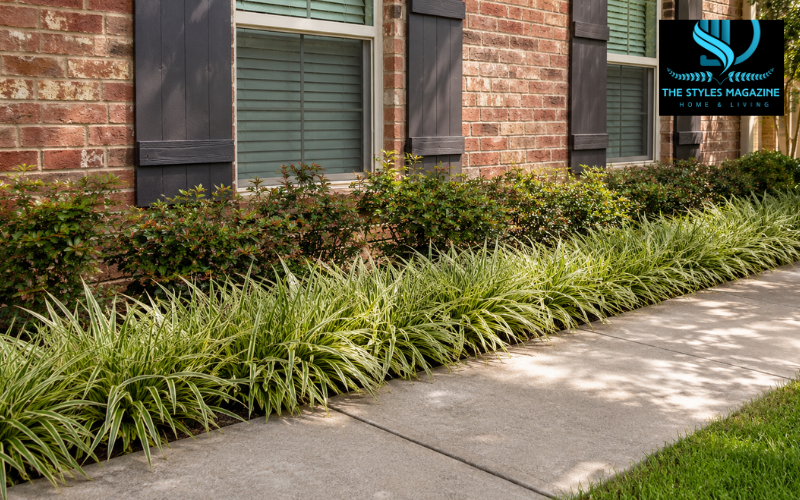
Monkey grass is useful because it can fit into many landscape designs without looking complicated. One of its most common uses is pathway edging. A row of monkey grass along a sidewalk, driveway, or garden path creates a soft but clean line. It makes the area look finished while also reducing the need for trimming.
It is also helpful as a garden bed border. When planted along the front of flower beds or shrub borders, monkey grass creates a green edge that stays attractive even when seasonal flowers fade. This makes the garden look more organized throughout the year.
Under trees, monkey grass can be a smart choice because regular lawn grass often struggles with shade and root competition. Monkey grass can handle these conditions better than many turf grasses once it is established. It can cover bare soil and make the area look intentional instead of patchy.
On slopes, monkey grass helps protect soil from washing away. Its thick root system and dense growth can hold the soil more firmly. It is not a solution for severe erosion problems, but it can help in mild to moderate slope areas.
Some homeowners also use monkey grass as a lawn alternative in shady areas. Dwarf mondo grass is especially popular for this purpose in small spaces. It is best for light foot traffic, not heavy play areas, but it can create a calm, green look without regular mowing.
Using Monkey Grass Border Planting
A monkey grass border is one of the easiest ways to make a landscape look cleaner. It works well because the plant has a naturally rounded shape and repeats nicely in a row. Along walkways and beds, it creates a soft edge that looks neat without feeling too formal.
Spacing is important for a good border. If plants are placed too far apart, the edge may look thin for a long time. If they are planted too close, they may become crowded quickly. For most Liriope borders, spacing plants about 12 to 18 inches apart works well, depending on the variety and the size of the plants. Smaller mondo grass types may be planted closer together for a fuller look.
The best types for clean edging are clumping forms, especially Liriope muscari and compact mondo grass. These stay more controlled and are easier to maintain along paths and beds. Spreading types can still be useful, but they may need edging or barriers to keep them from moving into lawns or nearby planting areas.
A common mistake is choosing the wrong type for a narrow border. Fast-spreading monkey grass may look good at first, but it can become a problem later. Another mistake is planting too deeply. The crown of the plant should sit near the soil surface so the plant can grow properly.
Monkey Grass Care Guide
Monkey grass care is simple once the plant is established. Most types grow best in well-drained soil with steady moisture during the first season. After the roots are settled, many types can handle dry periods better than regular lawn grass.
Light needs depend on the type. Liriope can often grow in full sun, partial shade, or deep shade, though growth may be slower in heavy shade. In hot climates, afternoon shade can help prevent leaf stress. Mondo grass usually prefers partial to full shade and may burn or fade in strong afternoon sun.
Watering is most important after planting. New plants should be watered deeply so the roots can settle into the soil. Once established, monkey grass usually needs less water, but it still benefits from occasional deep watering during long hot, dry spells.
Soil should drain well. Monkey grass does not like sitting in soggy ground for long periods. Adding compost before planting can help improve poor soil. Fertilizer is not always necessary, but a light feeding in spring may help weak plants grow better. Too much fertilizer can cause soft growth, so it is better to keep feeding simple.
Seasonal maintenance is also easy. Remove dead leaves, clear weeds from young plantings, and divide crowded clumps when needed. With basic care, monkey grass can remain attractive for many years.
How and When to Prune Monkey Grass
The best time to prune monkey grass is late winter or early spring before new growth appears. This timing helps remove old, damaged, or brown foliage while giving fresh new leaves room to grow. If you wait too long and cut after the new shoots have started, the new leaf tips may be damaged and look uneven for the rest of the season.
Old foliage should be removed because it can look tired after winter. Cutting it back refreshes the planting and helps the new growth appear cleaner. This is especially helpful for Liriope, which can collect brown tips or worn leaves over time.
For most monkey grass, you can cut the foliage down to a few inches above the ground. In large beds, some homeowners use a mower set high enough to avoid cutting into the crown of the plant. In smaller borders, hand shears or garden scissors give better control.
The main tip is to prune before the plant wakes up fully in spring. After pruning, remove the cut leaves from the bed so the area looks clean and air can move around the plants.
Growing Monkey Grass from Seeds
Monkey grass can grow from seeds, but it is not the most common or easiest method. Seeds may take time to germinate, and the young plants can grow slowly. Because of this, most gardeners prefer to grow monkey grass by division.
Division means separating an established clump into smaller sections and replanting them. This method is faster and more reliable because each section already has roots and shoots. It is also a practical way to spread monkey grass from one part of the yard to another without buying many new plants.
Monkey grass seeds may be worth trying if you enjoy starting plants from seed or want to experiment. However, the results may not always look exactly like the parent plant, especially with special varieties. Seed-grown plants also need patience because they may take longer to reach a full, finished look.
For most homeowners, division is the better choice. It gives quicker results and helps manage overcrowded clumps at the same time.
Planting and Spacing Monkey Grass Correctly
The best time to plant monkey grass is usually spring or fall, when the weather is mild. Planting during extreme summer heat can stress new plants, especially if they are not watered regularly. Fall planting works well in many areas because the soil is still warm and the roots have time to settle before the next growing season.
Before planting, loosen the soil and remove weeds. If the soil is heavy or poor, mix in compost to improve texture and drainage. Good soil preparation helps the plants establish faster and reduces problems later.
Spacing depends on how you want the area to look. For borders, plants are often spaced closer so they create a neat line. For ground cover, spacing may be wider because the plants will slowly fill in. Liriope may be planted about 12 to 18 inches apart, while smaller mondo grass can be spaced closer for a dense effect.
After planting, water deeply. Keep the soil lightly moist during the first few weeks, but do not let it stay constantly wet. Once the plants are established, they usually become much easier to maintain.
Buying Monkey Grass for Sale
When looking for monkey grass for sale, do not choose plants based only on appearance. Check the label carefully to see whether you are buying Liriope, mondo grass, dwarf mondo grass, or another type. This matters because each one grows differently.
Healthy plants should have firm, green foliage and a full root system. Avoid plants with many brown leaves, mushy roots, or signs of pests. A few brown tips may not be a serious issue, especially at the end of a season, but the plant should still look strong overall.
Container size also matters. Smaller pots may cost less, but they take longer to fill in. Larger containers give a faster finished look but are usually more expensive. For a long border or large groundcover area, buying smaller plants may be more budget-friendly if you are willing to wait.
Most importantly, match the plant to your landscape goal. For a clean border, choose a clumping type. For filling a larger bare area, a spreading type may be useful. For shaded, fine-textured spaces, mondo grass may be the better option.
Monkey Grass Lowe’s and Garden Center Buying Tips
Many people search for monkey grass Lowe’s because large garden centers often carry Liriope and mondo grass during planting seasons. Lowe’s, local nurseries, and garden centers can all be good places to buy it, but the most important step is reading the plant label before purchase.
Look for the botanical name if possible. Liriope muscari, Liriope spicata, and Ophiopogon japonicus are not exactly the same in the landscape. A label that only says “monkey grass” may not give enough information. If you are unsure, ask a garden center worker or compare the plant’s growth habit and leaf texture.
Check whether the plant is meant for sun or shade. Also look at the mature size. Some types stay small and low, while others grow taller and wider. This helps you avoid planting a large variety in a small border or a slow-growing type where you need fast coverage.
It is also smart to inspect the roots. If the plant is packed tightly in the pot with circling roots, loosen them gently before planting. A healthy start makes a big difference in how well monkey grass settles into the yard.
Common Monkey Grass Problems
Monkey grass is tough, but it can still have problems. Browning leaves are one of the most common issues. This can happen from winter damage, too much sun, drought stress, or old foliage that needs pruning. If the roots are healthy, fresh growth often returns after a proper spring cutback.
Overcrowding can happen when clumps grow too large. Crowded plants may look messy, flower less, or develop dead centers. Dividing the clumps every few years can refresh the planting and create new plants for other areas.
Poor flowering is usually not a major concern, especially if the plant is being grown mainly for foliage. However, too much shade, overcrowding, or weak growth can reduce flower spikes in Liriope. Giving the plant enough space and light can help.
Sun scorch is more common with mondo grass and some variegated types in hot afternoon sun. Leaves may look faded, dry, or burned at the tips. Moving the plant to a shadier spot or improving watering during dry spells can help.
Invasive spreading can also be a problem with some types, especially spreading Liriope. This is why plant selection matters. If you need a controlled border, avoid aggressive spreaders and choose a clumping variety instead.
Conclusion
Monkey grass is a useful, low-maintenance groundcover that can bring order and greenery to many parts of a yard. It works well for borders, shaded areas, slopes, tree bases, and small lawn alternatives. Its grass-like look makes it easy to blend with many landscape styles, while its toughness makes it practical for everyday home gardens.
The most important step is choosing the right type. Liriope is often better for bold borders and larger plantings, while mondo grass is a good choice for finer texture and shaded spaces. Clumping types are easier to control, while spreading types are better for covering larger areas but need more attention.
With simple care, proper spacing, occasional pruning, and the right location, monkey grass can stay attractive for years. It is not a plant that needs constant work, but a little planning in the beginning helps it become one of the most dependable features in the landscape.
FAQs
Is Monkey Grass The Same As Liriope?
Monkey grass often refers to Liriope, but not always. The name can also include Mondo grass. Liriope usually has wider leaves and more noticeable purple or white flower spikes.
What Is The Difference Between Mondo Grass And Monkey Grass?
Mondo grass is often called monkey grass, but it has finer, narrower leaves and prefers shade. Liriope is usually tougher, wider-leaved, and better for bold borders.
Is Monkey Grass Good For Borders?
Yes, monkey grass is excellent for borders because it creates a neat, green edge along paths, sidewalks, driveways, and garden beds with very little maintenance.
Can Monkey Grass Grow From Seeds?
Monkey grass can grow from seeds, but it is slow and less common. Most gardeners prefer division because it is faster, easier, and gives more reliable results.
Does Monkey Grass Need A Lot Of Care?
No, monkey grass is low-maintenance once established. It usually needs occasional watering, light cleanup, and pruning in late winter or early spring for fresh growth.
Enjoyed it? Find more exclusive content on The Styles Magazine.
Disclaimer: This article is for general gardening and landscaping information only. Plant growth can vary by climate, soil, sunlight, and local conditions. Always check plant labels and local gardening guidance before buying or planting monkey grass in your yard.