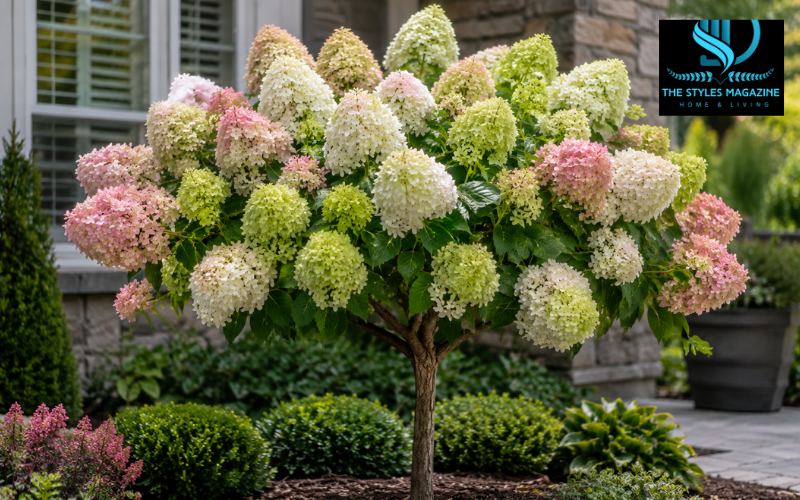
A limelight hydrangea tree is a tree-shaped form of the popular Limelight panicle hydrangea. It is not a large shade tree, but a flowering shrub that has been trained to grow with a single trunk and a rounded canopy on top. This gives it the elegant look of a small ornamental tree while still offering the big, showy flowers hydrangeas are known for.
Gardeners love the limelight hydrangea tree because it brings height, structure, and long-lasting color to outdoor spaces. It can look beautiful near a front entrance, along a walkway, in a patio garden, or as a focal point in a flower bed. Its large cone-shaped blooms usually open in soft lime green, fade toward creamy white, and then take on pink, rose, or burgundy tones as the season moves into fall.
Before planting or buying one, it helps to understand its size, care needs, pruning schedule, and possible drawbacks. This guide explains limelight hydrangea tree care in simple terms so you can decide if it is the right choice for your garden.
Quick Guide Table
| Feature | Quick Details |
| Plant Type | Tree-form panicle hydrangea |
| Mature Height | Usually 6 to 8 feet tall |
| Canopy Spread | Around 4 to 6 feet wide |
| Bloom Color | Lime green, creamy white, pink, burgundy |
| Best Sunlight | Full sun to partial shade |
| Watering | Deep watering, especially in first year |
| Pruning Time | Late winter or early spring |
| Best Planting Time | Spring or fall |
| Main Care Need | Pruning, watering, and trunk support |
| Best Use | Front yards, patios, borders, focal points |
Helpful Bullet Points for Readers
- Choose a spot with 4 to 6 hours of sunlight for better blooms.
- Plant in well-draining soil and keep it evenly moist during the first season.
- Prune in late winter or early spring because it blooms on new wood.
- Stake young trees to protect the trunk from leaning or breaking.
- Give it enough space because the canopy can spread 4 to 6 feet wide.
Limelight Hydrangea Tree Main Features
The main feature of a limelight hydrangea tree is its graceful tree-form shape. Instead of growing as a wide shrub from the ground, it has a visible trunk with a flowering canopy above it. This makes it useful in places where you want a more formal, upright look without planting a large tree.
Its flowers are another major reason for its popularity. Limelight hydrangeas belong to the panicle hydrangea group, which is known for cone-shaped flower clusters. The blooms can become quite large and dramatic, especially when the plant receives enough sunlight, water, and proper pruning. Missouri Botanical Garden lists ‘Limelight’ as a deciduous panicle hydrangea that grows in full sun to part shade and reaches about 6 to 8 feet in height and spread in shrub form.
Because it is deciduous, the limelight hydrangea tree loses its leaves in winter and returns with fresh growth in spring. Even so, it offers interest for much of the growing season, from fresh green leaves to summer flowers and warm fall bloom colors. Compared with many regular flowering shrubs, its raised canopy gives the garden a more designed and architectural look.
Limelight Hydrangea Tree Height and Mature Size
The average limelight hydrangea tree height is usually around 6 to 8 feet tall at maturity, depending on how it was trained, how it is pruned, and where it is planted. Many tree-form plants have a canopy spread of about 4 to 6 feet, though this can vary by grower and growing conditions. The trunk height is often set when the plant is young, so the canopy usually grows wider and fuller over time rather than the trunk becoming much taller.
Spacing matters because the flower heads can be heavy and the canopy needs room to open naturally. If planted too close to a wall, fence, or walkway, the branches may lean into the space once the plant is in full bloom. A good planting spot gives the canopy enough room to spread without constant trimming.
Pruning also affects the final shape. Light, yearly pruning helps keep the canopy neat and strong. If the tree is ignored for several years, it may become uneven, crowded, or top-heavy. In smaller gardens, near patios, or beside front steps, regular shaping is important to keep the tree looking balanced.
Limelight Hydrangea Tree vs Bush
Many gardeners compare a limelight hydrangea tree vs bush before deciding which one to plant. The main difference is shape. A limelight hydrangea bush grows naturally from multiple stems at ground level, creating a fuller shrub form. A limelight hydrangea tree has been trained into a single-trunk standard with the flowers held above the ground.
The tree form is often better when you want a clean, formal look. It works well near entries, along paths, in large containers, or as a small accent in a mixed border. The bush form is usually better when you want a fuller mass of flowers, a hedge-like effect, or a softer background plant.
Both forms can produce similar lime-green and white blooms because they come from the same plant type. However, their visual impact is different. The bush feels more natural and full, while the tree form feels more decorative and sculptural. The tree form may also need more support, especially while young, because its heavy flowering canopy sits on one main trunk.
Best Growing Zones and Climate Conditions
The limelight hydrangea tree is widely valued because it is hardy in many climates. Limelight-type panicle hydrangeas are generally suitable for cold regions and can also grow in warmer areas when given proper care. Proven Winners lists Limelight Prime, a related improved panicle hydrangea, for zones 3a through 9b, with part sun to sun exposure and average water needs.
In colder climates, this plant is appreciated because it blooms on new wood, meaning winter cold is less likely to destroy the flower buds. In warmer climates, the main challenge is often heat stress. The plant may need more water and some protection from harsh afternoon sun, especially during long dry spells.
Wind is another factor to consider. Because the blooms can become large and heavy, windy areas can cause branches to bend or break. If your garden is very exposed, choose a protected spot where the tree still gets enough sunlight but is not directly hit by strong wind.
Sunlight Needs for Healthy Blooms
A limelight hydrangea tree grows best in full sun to partial shade. In many regions, it performs well with at least 4 to 6 hours of direct sunlight each day. More sun usually encourages stronger stems and more flowers, but the plant still needs enough moisture to handle bright conditions.
In cooler areas, full sun is often ideal. In hotter regions, morning sun with some afternoon shade can be better. This helps reduce wilting and protects the flowers from browning too quickly during extreme heat. The goal is to give the tree enough light for strong blooming without allowing the root zone to dry out completely.
If the plant gets too little sun, it may grow leafy but produce fewer blooms. The canopy may also become loose or weak. If it gets too much hot sun without enough water, the leaves may droop and the flowers may look dry or scorched. A balanced location makes limelight hydrangea tree care much easier.
Soil and Watering Requirements
The limelight hydrangea tree is flexible about soil, but it still grows best in soil that drains well and holds some moisture. It does not like sitting in soggy ground for long periods, because overly wet soil can lead to root problems. At the same time, soil that dries out too quickly can cause wilting and brown flower edges.
One helpful thing about Limelight hydrangeas is that their bloom color is not controlled by soil pH in the same way as some bigleaf hydrangeas. Acidic or alkaline soil will not turn the flowers blue or pink. Their color change is part of the plant’s natural bloom cycle, not a result of soil amendments.
During the first growing season, deep watering is important because the roots are still settling in. Water the root zone thoroughly rather than sprinkling the leaves. Once established, the tree usually needs deep watering during dry weather, especially in summer heat. Garden Design notes that ‘Limelight’ hydrangeas prefer evenly moist conditions and may develop brown flowers if allowed to dry out.
Limelight Hydrangea Tree Care Through the Seasons
Good limelight hydrangea tree care changes slightly from season to season. In spring, the plant begins waking up from dormancy. This is the time to inspect the trunk, remove dead or damaged wood, refresh mulch, and apply a balanced slow-release fertilizer if the soil is poor or the plant needs support.
In summer, the main focus is watering and bloom support. As the flowers grow larger, the canopy may become heavy. During hot, dry weeks, deep watering helps the leaves and flowers stay fresh. Mulch around the base can also help hold soil moisture, but it should not be piled tightly against the trunk.
In fall, the blooms often become one of the plant’s best features. Their color may shift into pink, rose, or burgundy tones, giving the garden a warm seasonal look. In winter, the tree rests. In cold climates, avoid heavy late-season feeding because soft new growth can be more vulnerable to winter damage.
Limelight Hydrangea Tree Pruning Guide
Limelight hydrangea tree pruning is one of the most important parts of keeping the plant attractive and healthy. Because Limelight is a panicle hydrangea, it blooms on new wood. This means the flowers grow on stems produced during the current growing season, not on old buds formed the year before.
The best time to prune is usually late winter or early spring before strong new growth begins. University of Minnesota Extension explains that Hydrangea paniculata, including ‘Limelight,’ can be pruned back above a healthy bud and that many gardeners wait until late winter or spring because the cone-shaped flower heads can provide winter interest.
For a tree form, pruning should focus on keeping the canopy balanced. Remove dead, weak, crossing, or broken branches first. Then shorten the canopy lightly, often by about one-third, to encourage strong new stems and better flowers. Avoid cutting randomly or removing too much at once, because this can create weak growth or an uneven shape.
When to Plant a Limelight Hydrangea Tree
If you are wondering about limelight hydrangea tree when to plant, the best time is usually spring or fall. These seasons give the roots time to settle before the stress of extreme heat or deep winter. Spring planting is helpful in colder regions because the tree gets a full growing season to establish. Fall planting can work well in mild regions because the soil is still warm and the air is cooler.
Avoid planting during the hottest part of summer unless you can water carefully and protect the tree from stress. A newly planted hydrangea tree can wilt quickly if the roots are not established and the weather is very hot. Also avoid planting when the ground is frozen or overly wet.
Before planting, choose the location carefully. Think about mature height, canopy spread, sunlight, drainage, and wind exposure. A limelight hydrangea tree can live for years in the right spot, so it is better to plant it correctly the first time than to move it later.
Staking and Structural Support
Tree-form limelight hydrangeas often need staking, especially when they are young. The single trunk must support a rounded canopy that can become heavy with flowers. After summer rain, the blooms may hold water and weigh down the branches even more.
A sturdy stake helps keep the trunk straight while the root system strengthens. The tie should be secure but not too tight. It should support the trunk without cutting into the bark. Over time, the trunk may become stronger, but some gardeners keep support in place longer if the tree is in a windy spot or has a large canopy.
Structural support is not only about appearance. It also helps prevent leaning, cracking, and storm damage. Since the tree form carries weight higher than a shrub form, balance is especially important. Proper pruning and staking work together to keep the plant strong and attractive.
Common Problems and Drawbacks
The limelight hydrangea tree is generally easy to grow, but it is not completely problem-free. One common issue is branch bending after rain. The large flower panicles can become heavy, causing the canopy to droop. In severe cases, weak branches may crack, especially if the plant has not been pruned well.
Wilting can also happen during heat, drought, or shortly after planting. Some light afternoon wilting during very hot weather may not mean the plant is dying, but repeated wilting is a sign that it needs better watering or a more suitable location. Yellowing leaves may point to watering problems, poor drainage, transplant stress, or nutrient imbalance.
Weak blooming is often linked to too much shade, improper pruning, or general plant stress. Since Limelight blooms on new wood, late winter or early spring pruning usually supports flowering. However, cutting too harshly, ignoring the tree’s shape, or allowing the canopy to become too crowded can reduce the overall quality of the display.
Limelight Hydrangea Tree for Sale: Buying Tips
When looking for a limelight hydrangea tree for sale, choose carefully. A healthy plant should have a straight, sturdy trunk, a balanced canopy, and fresh-looking leaves. Avoid plants with cracked stems, badly leaning trunks, dry root balls, or signs of disease. If buying in bloom, remember that flowers can look slightly different depending on the season and growing conditions.
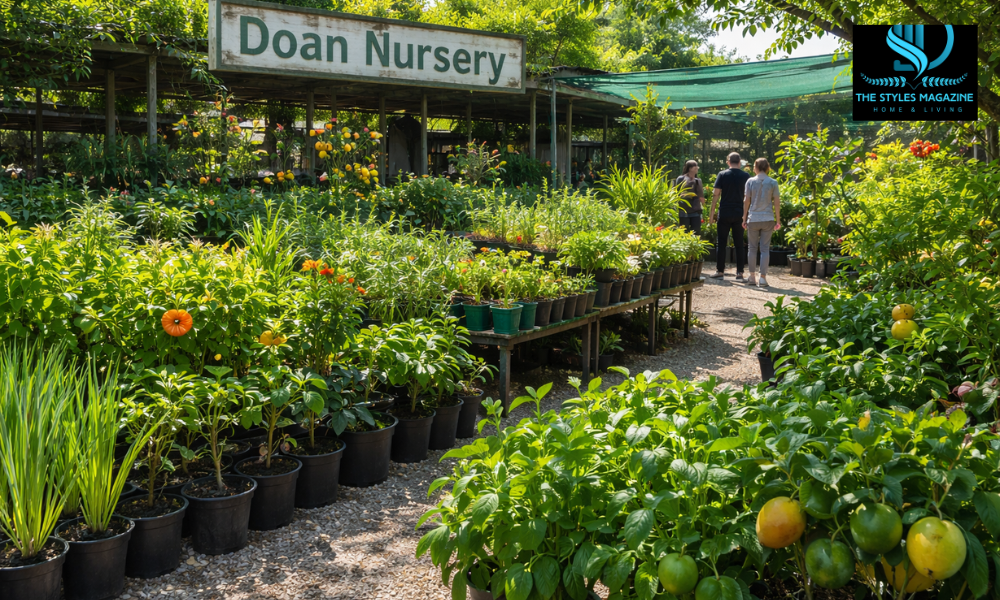
Many people search for a limelight hydrangea tree near me because local nurseries often carry plants suited to the region. Buying locally can also make it easier to inspect the shape and health of the tree before purchase. Online sellers may offer more size options, but shipping can be stressful for large plants.
Some shoppers also compare limelight hydrangea tree Home Depot options with local garden centers and online nurseries. Large retailers can be convenient, but availability changes by location and season. No matter where you buy, check the plant tag, mature size, hardiness zone, and care instructions before bringing it home. The best choice is not always the biggest plant, but the healthiest and best-shaped one.
Conclusion: Is a Limelight Hydrangea Tree Right for Your Garden?
A limelight hydrangea tree is a beautiful choice for gardeners who want height, long-lasting blooms, and a polished ornamental look. Its lime-green flowers, creamy summer color, and pink-to-burgundy fall tones make it a standout plant through much of the growing season.
It works especially well near patios, walkways, front entrances, borders, and garden focal points. It is also a good option for people who love hydrangeas but want something more upright and structured than a traditional shrub. With the right sunlight, deep watering, yearly pruning, and proper support, it can become one of the most eye-catching plants in the landscape.
At the same time, it is important to be realistic. A limelight hydrangea tree may need staking, careful pruning, and extra water during hot or dry weather. Its large blooms are beautiful, but they can also make the canopy heavy. If you are prepared for these simple care needs, this tree-form hydrangea can bring elegance, color, and charm to your garden for many years.
FAQs
What Is A Limelight Hydrangea Tree?
A limelight hydrangea tree is a tree-form panicle hydrangea trained with a single trunk and rounded flowering top. It produces large cone-shaped blooms that change color from green to white and pink.
How Tall Does A Limelight Hydrangea Tree Get?
A mature limelight hydrangea tree usually reaches about 6 to 8 feet tall, with a canopy spread of around 4 to 6 feet, depending on pruning and growing conditions.
When Should I Prune A Limelight Hydrangea Tree?
The best time to prune a limelight hydrangea tree is late winter or early spring before new growth starts. This helps shape the canopy and encourages strong fresh blooms.
Is A Limelight Hydrangea Tree Better Than A Bush?
It depends on your garden style. The tree form looks more formal and decorative, while the bush form gives a fuller, softer look for hedges, borders, and larger planting areas.
Where Can I Buy A Limelight Hydrangea Tree?
You can find a limelight hydrangea tree at local nurseries, garden centers, online plant sellers, and seasonal retailers like Home Depot. Always check the trunk, canopy, and roots before buying.
Enjoyed it? Find more exclusive content on The Styles Magazine.
Disclaimer: This article is for general gardening information only. Plant growth can vary based on climate, soil, sunlight, watering, and local conditions. Always check your plant tag or consult a local nursery for advice specific to your area.