Indian Laurel is a popular evergreen tree known for its thick green leaves, fast growth, and strong use in landscaping. In most cases, the name Indian Laurel refers to Ficus microcarpa, a tree that is also commonly sold or discussed as Ficus nitida. Many people know it as Indian Laurel fig because it belongs to the fig family, not the true laurel family.
This tree is loved in warm areas because it can create deep shade, tall privacy hedges, neat columns, and attractive green screens. It is also used for bonsai and container growing because it responds well to pruning and shaping. In landscapes, Indian Laurel can look clean, formal, and full when it is maintained properly.
However, before planting Indian Laurel, it is important to understand both its good and difficult sides. It can grow large, its roots can become aggressive, and it needs enough space to stay safe and healthy. Readers should know about its care needs, common problems, best planting zones, fruit, roots, and long-term size before choosing it for a yard or garden.
Quick Guide Table: Indian Laurel at a Glance
| Feature | Quick Details |
| Common Name | Indian Laurel, Ficus Nitida, Indian Laurel Fig |
| Botanical Name | Ficus microcarpa |
| Best Zones | USDA Zones 9–11 |
| Growth Type | Evergreen tree, hedge, column, or bonsai |
| Main Uses | Shade, privacy screen, hedge, landscaping, container growing |
| Sunlight | Full sun to partial shade |
| Main Concern | Aggressive roots near sidewalks, pipes, and foundations |
| Fruit | Small fig-like fruit, sometimes messy |
| Best For | Large warm-climate landscapes with enough space |
| Avoid Planting Near | Buildings, pools, pipes, driveways, and sidewalks |
What Is Indian Laurel?
Indian Laurel is commonly identified as Ficus microcarpa, an evergreen tree from the fig family. It is also widely called Ficus nitida, Indian Laurel fig, Chinese banyan, or simply ficus in some nurseries. Although the name includes “laurel,” it is not a true laurel tree. True laurels belong to a different plant family, while Indian Laurel belongs to the Moraceae family, the same broad family that includes many figs.
This naming confusion is common because many plants are given common names based on appearance rather than science. Indian Laurel has glossy green leaves that may remind some people of laurel leaves, but the tree itself is a ficus.
Indian Laurel is widely used in warm-climate landscaping because it grows quickly and stays green throughout the year. In areas with mild winters, it can become a large shade tree. When planted close together and trimmed often, it can also become a thick privacy hedge. This flexibility is one reason it is popular in places such as Southern California, Arizona, Florida, and other warm regions.
Indian Laurel Tree Appearance and Growth Habit
Indian Laurel has a clean, attractive appearance when it is healthy and well maintained. Its leaves are small to medium-sized, oval, smooth, and glossy green. Because the leaves grow densely along the branches, the tree can create a full canopy that blocks sunlight and views very well.
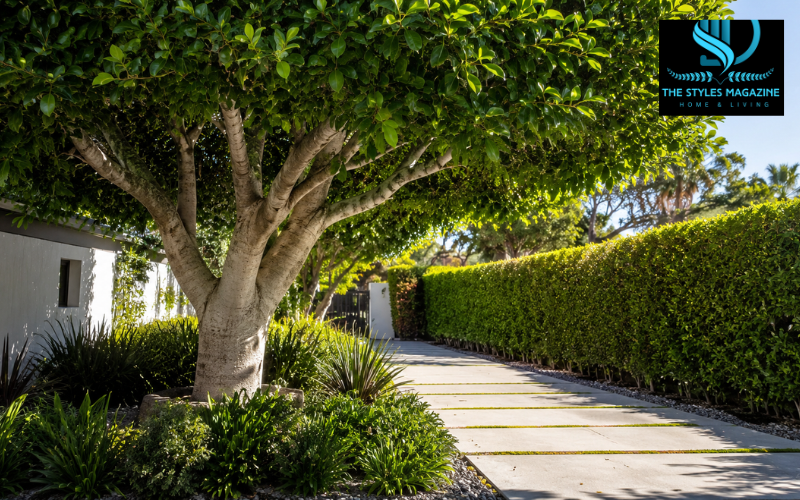
The bark is usually smooth and gray, giving mature trees a calm and elegant look. When grown naturally, Indian Laurel can become a broad shade tree with a wide crown. In suitable outdoor conditions, it may reach around 40 feet tall or more, with a wide spread if it has enough space. In tighter landscapes, it is often pruned shorter and narrower.
One of the most useful features of Indian Laurel is that it can be shaped in different ways. As a tree, it provides shade and structure. As a hedge, it becomes a dense green wall. As columns, it gives a more formal and vertical look. In humid climates, mature trees may also develop aerial roots, which are roots that grow down from branches toward the ground. These roots can give the tree a dramatic banyan-like appearance, but they also show why this tree needs thoughtful placement.
Indian Laurel Zone and Best Growing Climate
Indian Laurel grows best in warm climates. It is most suitable for USDA Hardiness Zones 9 to 11, where winters are mild and frost is limited. In these zones, it can stay evergreen and continue growing for much of the year.
The tree handles heat well, especially once established. This is why it is often planted in warm desert, tropical, and subtropical regions. In hot areas, its dense canopy can provide strong cooling shade, making outdoor spaces more comfortable.
Even though Indian Laurel is heat tolerant, it does not like hard freezes. Cold weather can damage leaves, branches, or young plants. In cooler areas, it is better grown in a container so it can be moved indoors or protected during cold weather. If planted outside in a borderline zone, it should be placed in a sheltered location away from strong cold winds.
For best results, Indian Laurel should receive plenty of sunlight. Full sun helps it grow thick and strong, especially when used as a hedge or screen. It can tolerate some light shade, but too much shade may lead to thinner growth.
Popular Uses of Indian Laurel in Landscaping
Indian Laurel is valued because it can serve many purposes in the landscape. One of its most common uses is as a shade tree. In large yards, parks, and streetscapes, it can create a wide green canopy that helps reduce heat and glare.
It is also popular as a privacy hedge. When planted in a row and trimmed regularly, Indian Laurel forms a thick screen that blocks unwanted views. This makes it useful along property lines, around patios, beside pools, or near outdoor sitting areas. Because of its dense foliage, it can also help soften noise and reduce wind.
Indian Laurel is used in urban landscaping because it looks formal, green, and full throughout the year. In the right place, it can make a property look more finished and established. It is also used in containers, especially when kept pruned. Bonsai growers appreciate Indian Laurel because it can develop a thick trunk, small leaves, and a mature tree shape in a small pot.
The most important point is that Indian Laurel works best when the use matches the space. It can be beautiful and useful, but it should not be planted where its roots or size will become a problem later.
Indian Laurel Columns and Hedge Design
Indian Laurel columns are tall, narrow plants that are trimmed into an upright shape. They are often used for modern privacy screens because they create height without looking as wide or informal as a regular hedge. In many landscapes, these columns give a clean and structured look.
Indian Laurel columns are especially useful when homeowners want privacy but do not want a fence to be the main feature. They can soften walls, frame entry areas, or create a green backdrop for patios and pools. However, they still need enough room for root growth and maintenance access.
Spacing is important. If Indian Laurel plants are placed too close together, they may compete for water and nutrients. If they are placed too far apart, the screen may take longer to fill in. The right spacing depends on the plant size, desired privacy level, and how often the hedge will be trimmed.
Regular pruning is necessary to maintain the column shape. Without trimming, Indian Laurel can grow wider and taller than expected. Light, consistent pruning is usually better than cutting the plant back severely after it has become overgrown.
The safest places for Indian Laurel columns are open borders, wide planting strips, and areas away from foundations, underground pipes, sidewalks, and pools.
Indian Laurel Tree Care Requirements
Indian Laurel is not difficult to grow in the right climate, but it does need regular care to look its best. It prefers full sun to bright light. A sunny location helps the foliage grow thick, which is especially important when using it as a hedge or privacy screen.
Watering is important during the first year after planting. Young Indian Laurel plants need steady moisture while their roots establish. Once mature, the tree can handle some dry periods, but it will look better with deep watering during hot weather. Overwatering should be avoided because soggy soil can lead to root stress.
Well-draining soil is best. Indian Laurel can adapt to different soil types, but poor drainage can cause problems. If the soil stays wet for too long, the tree may drop leaves or develop weak growth.
Fertilizer can be used during the growing season if the plant looks pale or slow. A balanced landscape fertilizer is usually enough. Too much fertilizer is not helpful and may lead to fast, weak growth that needs more pruning.
Pruning is one of the most important parts of Indian Laurel care. Trees may need shaping, thinning, or size control. Hedges and columns need more frequent trimming to stay neat. Container plants and bonsai need careful pruning to keep their shape and prevent overcrowded roots.
Indian Laurel Tree Problems
The biggest concern with Indian Laurel is its root system. The roots can be strong, wide-spreading, and invasive when the tree is planted in the wrong place. They may lift sidewalks, crack pavement, damage pipes, and create problems near foundations or pools. This is why Indian Laurel should never be treated like a small decorative shrub. It is a strong tree that needs planning.
Leaf drop is another common issue. Indian Laurel may shed leaves when it is stressed by sudden changes in temperature, watering, light, or location. Some leaf drop is normal, but heavy leaf loss can be a sign of poor care, pests, or root problems.
Pests may also appear, especially on stressed plants. Common issues can include scale insects, aphids, mites, or whiteflies. These pests are easier to manage when found early. Healthy plants in the right location usually handle minor pest pressure better than weak plants.
Overwatering and poor drainage can also cause problems. If the soil remains wet, the roots may struggle to breathe. This can lead to yellow leaves, dropping leaves, or weak growth.
Many Indian Laurel tree problems happen because the tree was planted too close to hardscape or buildings. Good placement from the beginning is the best way to avoid expensive problems later.
Indian Laurel Tree Pros and Cons
Indian Laurel has many benefits, but it is not the right tree for every property. Understanding the pros and cons helps readers make a better decision before planting.
The main advantages are clear. Indian Laurel is a fast-growing evergreen that provides year-round greenery. It works well as a privacy screen, hedge, shade tree, and bonsai. Its glossy foliage looks attractive, and its dense growth can make outdoor spaces feel more private and comfortable.
Its main disadvantages are connected to size and roots. Indian Laurel can become too large for small yards, and its root system can be invasive. It also needs regular pruning, especially when used as a hedge or column. If ignored, it can lose its neat shape and become harder to manage.
Another concern is the milky sap. Like many ficus plants, Indian Laurel can release white sap when cut or damaged. This sap may irritate skin in some people and can be harmful to pets if they chew or ingest parts of the plant. Pet owners should be careful when growing it indoors or in areas where animals can reach the leaves.
Overall, Indian Laurel is a strong and beautiful plant, but it should be planted only where there is enough space and a clear maintenance plan.
Indian Laurel Flower and Fruit
Indian Laurel does produce flowers, but they are not showy like the flowers on many garden plants. In ficus trees, the flowers are tiny and hidden inside small fig-like structures. Because of this, most people notice the fruit more than the flowers.
The Indian Laurel fruit is small and fig-like. It may appear on mature trees, especially in warm climates where the tree is healthy and conditions are suitable. The fruit can add interest to the tree, and birds or wildlife may be attracted to it.
For homeowners, the fruit can sometimes be a mixed feature. In some settings, it is considered ornamental and natural. In other places, it may become messy if it drops on sidewalks, driveways, patios, or parked cars. This is another reason to think carefully about where the tree is planted.
Fruit production may be more noticeable on older trees. In some regions, fruit development and seed spread can also depend on the presence of specific pollinating fig wasps. Where the right conditions exist, Indian Laurel may spread more easily, which is one reason it is considered invasive or a plant of caution in some areas.
Indian Laurel Wood
The phrase Indian Laurel wood can be confusing because it often does not refer to the same tree that gardeners call Indian Laurel. In landscaping, Indian Laurel usually means Ficus microcarpa. In woodworking, however, Indian Laurel wood often refers to Terminalia elliptica, a different tree entirely.
This difference matters. Someone searching for Indian Laurel as a landscape tree may be looking for planting, care, roots, hedges, or price information. Someone searching for Indian Laurel wood may be looking for timber used in furniture, cabinetry, veneers, or musical instruments such as acoustic guitars.
Terminalia elliptica is known for attractive wood that can have dark brown color and interesting grain patterns. It is valued in woodworking, while Ficus microcarpa is mainly valued as a living ornamental tree, hedge, shade tree, or bonsai plant.
Before buying Indian Laurel wood or an Indian Laurel tree, readers should check the scientific name. This simple step prevents confusion and helps buyers understand exactly what they are getting.
Indian Laurel Tree Price and Buying Tips
Indian Laurel tree price can vary widely depending on size, form, nursery quality, and region. A small container plant usually costs less than a large, trained column or mature field-grown tree. Plants sold as hedges may be priced differently from trees sold for shade or instant privacy.
Column-shaped Indian Laurel plants often cost more because they have already been trained and pruned into a formal shape. Larger trees may also cost more because they take longer to grow and require more effort to transport and plant.
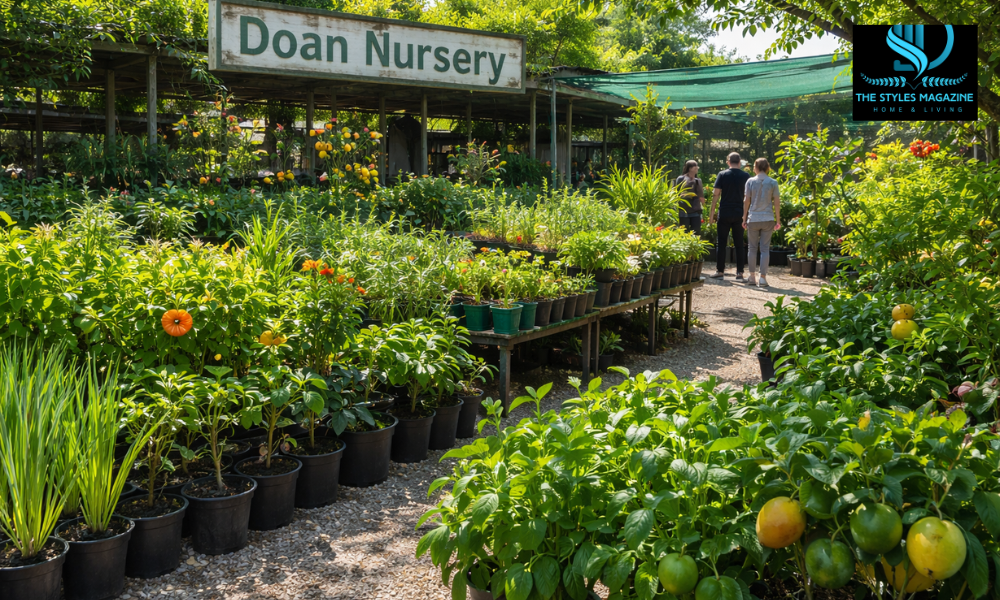
When buying Indian Laurel, do not choose only by price. A cheaper plant with weak roots, pests, or poor shape may cost more in the long run. Look for healthy green leaves, strong stems, and a root ball that is not badly crowded. Avoid plants with yellowing leaves, heavy leaf drop, broken branches, or signs of insects.
It is also helpful to ask the nursery how large the plant can grow in your area, how often it should be watered, and how far it should be planted from walls, sidewalks, pipes, and foundations. Good buying decisions begin with understanding the mature size, not just the current size.
Best Places to Plant Indian Laurel
The best place to plant Indian Laurel is a large, open area where it has room to grow safely. It is better suited to spacious landscapes than very small yards. If the tree is allowed to grow naturally, it needs enough space for both the canopy and the roots.
Indian Laurel should be planted away from foundations, sidewalks, driveways, underground pipes, septic systems, pools, and walls. This is especially important because its roots can spread and cause damage over time. Even if the young plant looks small, it can become much larger with age.
For privacy screens, Indian Laurel works best along wide property lines or open borders where pruning can be done easily. For columns, it should be placed where the roots have room and the plants can be trimmed regularly from all sides.
It is not the best choice for narrow planting strips, tiny front yards, or areas surrounded by concrete. In those spaces, a smaller and less aggressive plant may be a better long-term option.
Safe spacing depends on the final purpose. A hedge may use closer spacing, while a shade tree needs much more room. When in doubt, give Indian Laurel more space than you think it needs. This helps reduce future problems and allows the plant to grow in a healthier shape.
Conclusion
Indian Laurel is a beautiful, fast-growing evergreen that can bring strong shade, privacy, and year-round greenery to warm-climate landscapes. It is especially useful as a hedge, column, screen, bonsai, or shade tree when planted in the right location.
At the same time, Indian Laurel is not a plant to choose without planning. Its roots can be aggressive, its size can become large, and it needs regular pruning to stay controlled. Homeowners should also consider leaf drop, fruit mess, pet safety, and proper planting distance before adding it to a landscape.
If you have a large enough space and live in a suitable warm zone, Indian Laurel can be an excellent choice. The key is to plant it where it has enough room to grow safely, away from hardscape and underground utilities. With the right location and care, Indian Laurel can become a strong, attractive, and useful evergreen for many years.
FAQs About Indian Laurel
Is Indian Laurel The Same As Ficus Nitida?
Yes, Indian Laurel is commonly sold as Ficus nitida, but its accepted botanical name is usually Ficus microcarpa. It is an evergreen ficus tree often used for hedges, shade, and landscaping.
Is Indian Laurel Good For Privacy?
Indian Laurel is excellent for privacy because it grows fast and forms dense green foliage. With regular pruning, it can become a thick hedge, screen, or column-style barrier.
Does Indian Laurel Have Invasive Roots?
Yes, Indian Laurel can develop aggressive roots. It should not be planted near sidewalks, foundations, pipes, pools, or driveways because the roots may cause damage over time.
What Zone Does Indian Laurel Grow Best In?
Indian Laurel grows best in USDA Zones 9–11. It prefers warm desert, tropical, and subtropical climates and may suffer damage in areas with hard frost or freezing weather.
Is Indian Laurel Fruit Edible Or Messy?
Indian Laurel can produce small fig-like fruit, especially on mature trees. The fruit may attract birds, but it can also become messy if planted near patios, sidewalks, or driveways.
Enjoyed it? Find more exclusive content on The Styles Magazine.
Disclaimer: This article is for general gardening and landscaping information only. Plant growth, root behavior, price, and care needs can vary by climate, soil, location, and nursery. Always consult a local gardening expert, arborist, or nursery professional before planting Indian Laurel near buildings, pipes, sidewalks, or other important structures.