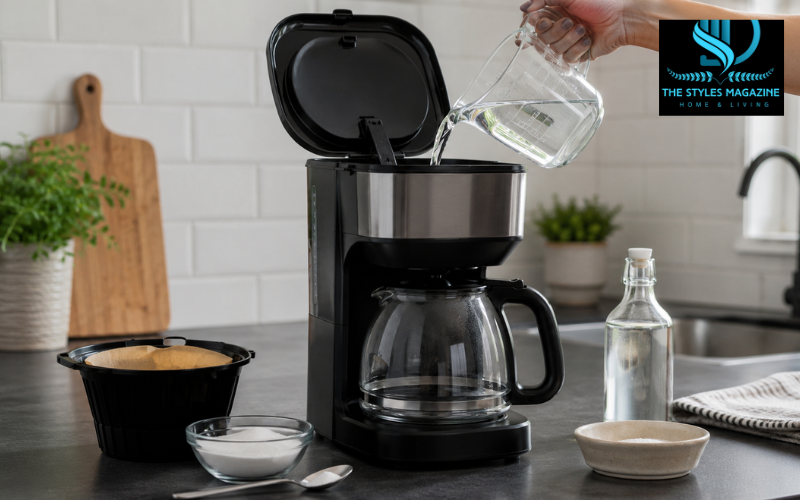
If your coffee tastes dull, your machine brews slowly, or the water does not seem as hot as before, your coffee maker may need descaling. Descaling means removing mineral buildup from inside the machine. This buildup is usually called limescale, and it comes from minerals in water, especially hard water.
Over time, minerals collect inside the water reservoir, tubes, heating parts, and other hidden areas of the coffee maker. You may not see this buildup from the outside, but it can affect how your machine works. It can slow down water flow, lower the brewing temperature, create strange tastes, and make the machine work harder than it should.
Learning how to descale coffee maker properly is an easy way to keep your coffee tasting fresh and your machine running smoothly. Descaling is not the same as wiping the outside or washing the carafe. It cleans the internal water system where mineral deposits build up. With the right method, you can improve coffee flavor, protect the machine, and avoid many common brewing problems.
Quick Guide Table: How to Descale Coffee Maker
| Step | What to Do | Why It Matters |
| 1. Empty the machine | Remove coffee grounds, pods, filters, and old water | Prevents mixing coffee residue with descaling solution |
| 2. Add descaling solution | Use vinegar-water, citric acid, or a commercial descaler | Helps break down mineral buildup and limescale |
| 3. Run a cycle | Use the clean/descale cycle or normal brew cycle | Moves the solution through the internal water system |
| 4. Let it sit if needed | Pause halfway for 15–30 minutes for heavy buildup | Gives the solution more time to loosen minerals |
| 5. Rinse well | Run 2–3 fresh water cycles | Removes leftover smell, taste, or descaling residue |
| 6. Clean removable parts | Wash carafe, brew basket, and drip tray | Keeps the whole machine fresh and ready to use |
Step-by-Step Guide
- Empty the reservoir, carafe, filter basket, and pod holder if your machine has one.
- Remove any charcoal water filter before descaling.
- Fill the reservoir with your chosen descaling solution.
- Run the clean/descale cycle, or use a normal brew cycle.
- For strong buildup, pause halfway and let the solution sit briefly.
- Discard the used liquid from the carafe or cup.
- Run several full cycles with clean water.
- Wash the carafe, basket, and removable parts before brewing coffee again.
Why Coffee Makers Need Descaling
Coffee makers use hot water every time they brew. When water passes through the machine, minerals such as calcium and magnesium can stay behind. These minerals slowly form limescale inside the water lines and heating parts. The more often you use your coffee maker, the more buildup can collect.
Hard water makes this happen faster because it contains more minerals. If you live in an area with hard water, your machine may need descaling more often than a machine used with filtered or softer water. Even if your water looks clear, minerals can still collect inside the coffee maker over time.
Limescale can affect the machine in several ways. It can block smooth water flow, make brewing slower, reduce heating performance, and change the taste of your coffee. A coffee maker with heavy mineral buildup may produce weak, bitter, flat, or lukewarm coffee.
Normal cleaning removes coffee oils, stains, grounds, and spills from visible parts of the machine. Descaling goes deeper. It removes mineral deposits from the internal water path. Both cleaning and descaling are important, but they solve different problems.
Signs Your Coffee Maker Needs Descaling
One of the most common signs is slow brewing. If your coffee maker used to finish a pot quickly but now takes much longer, mineral buildup may be restricting the water flow. You may also notice that the machine sounds louder, sputters, or makes unusual noises during brewing.
Taste is another important clue. Coffee may start tasting bitter, stale, chalky, or flat even when you use fresh coffee grounds or pods. This can happen when limescale affects the water temperature or leaves mineral traces in the brewing system.
Some coffee makers make the problem easier to spot by showing a clean or descale indicator light. If this light turns on, do not ignore it. It usually means the machine has reached the point where descaling is needed.
Poor water flow is also a warning sign. In single-serve machines, the cup may fill unevenly or not fill completely. In drip coffee makers, water may drip too slowly into the carafe. These small changes often mean it is time to descale before the buildup becomes harder to remove.
What to Use for Descaling a Coffee Maker
There are three common options for descaling a coffee maker: a commercial descaling solution, white vinegar mixed with water, or citric acid mixed with water. The best choice depends on your machine type, the manufacturer’s instructions, and your personal preference.
Commercial descaling solutions are made specifically for coffee machines. Many brands recommend using their own descaler because it is designed to remove limescale without damaging the internal parts. Urnex Dezcal, for example, is made for coffee and espresso machines and is used by dissolving the powder in water before running it through the system.
White vinegar is a common DIY option for many standard drip coffee makers. It is inexpensive and easy to find. However, it has a strong smell and may need extra rinsing. Some brands do not recommend vinegar, especially for certain espresso or capsule machines, so it is always wise to check the manual first.
Citric acid is another option. It can remove mineral buildup and usually has less odor than vinegar. Still, it should be diluted properly and used only when suitable for the machine.
Avoid harsh cleaners such as bleach, drain cleaners, abrasive powders, or strong household chemicals. These products are not safe for the internal water system of a coffee maker and can leave harmful residue.
How to Descale Coffee Maker With Vinegar
If your machine allows vinegar, this method is simple. Start by emptying the coffee maker completely. Remove old coffee grounds, paper filters, pods, and any water left in the reservoir. If your machine has a charcoal water filter, remove it before descaling so it does not absorb the vinegar solution.
Mix equal parts distilled white vinegar and water. For example, if your reservoir holds 8 cups, use 4 cups of vinegar and 4 cups of water. Pour the mixture into the water reservoir.
Place the empty carafe in position and start a brew cycle. If your machine has a clean cycle, use it. If it does not, run a normal brew cycle. For heavier mineral buildup, you can stop the machine halfway through the cycle and let the solution sit inside for about 15 to 30 minutes. This gives the vinegar more time to loosen the limescale. Then turn the machine back on and finish the cycle.
After the cycle is complete, pour out the used vinegar solution. Fill the reservoir with clean water and run a full cycle. Repeat this step several times until there is no vinegar smell or taste. This rinsing step is very important because leftover vinegar can affect the flavor of your next pot of coffee.
How to Descale Coffee Maker Without Vinegar
Some people prefer to descale a coffee maker without vinegar because of the smell, taste, or brand recommendations. In that case, a store-bought descaling solution is usually the safest choice. These products are made to dissolve mineral buildup while being gentle on the internal parts of the machine.
To use a commercial descaler, follow the product label carefully. Some products are powders that need to be dissolved in warm water, while others are liquids that are mixed with water before use. After adding the solution to the reservoir, run the machine’s clean cycle or normal brew cycle, depending on your model.
Citric acid can also be used in some machines as a vinegar-free method. It has a milder smell and can be useful for people who dislike the strong odor of vinegar. However, it should not be used too strongly. A gentle solution is better than an overly concentrated one.
The main benefit of descaling without vinegar is that it often leaves less odor behind. This is especially helpful for espresso machines and single-serve brewers, where small internal parts can hold onto smells and flavors longer.
How to Descale Coffee Maker With Citric Acid
Citric acid is a common vinegar alternative for removing limescale. It is usually sold as a powder and can be mixed with water to make a mild descaling solution. Many people like it because it does not have the sharp smell of vinegar.
To use citric acid, first check whether your coffee maker’s manual allows it. If it is suitable, dissolve the citric acid fully in water before adding it to the reservoir. Do not pour dry powder directly into the machine because it may not dissolve evenly.
Run the solution through a brew cycle or descaling cycle. If the buildup is heavy, let the solution sit briefly inside the machine before completing the cycle. Once finished, discard the solution and rinse the reservoir.
After using citric acid, flush the machine with clean water several times. Even though citric acid has less smell than vinegar, it can still leave a slight taste if not rinsed properly. The machine should run clear water smoothly before you brew coffee again.
Step-by-Step Descaling Process for Standard Drip Coffee Makers
A standard drip coffee maker is usually the easiest type to descale. Begin by turning off the machine and letting it cool. Empty the carafe, remove the filter basket, throw away used grounds, and rinse any removable parts.
Next, add your chosen descaling solution to the water reservoir. This may be a commercial descaler mixed with water, a vinegar-water solution, or a citric acid solution if your machine allows it. Put the clean carafe back in place so it can catch the liquid during the cycle.
Start the clean cycle if your coffee maker has one. If it does not, use the normal brew button. Let the solution run through the machine. For stronger buildup, pause the cycle halfway and let the solution sit for a short time before finishing.
When the cycle ends, discard the used solution. Rinse the carafe well. Then fill the reservoir with fresh water and run a complete cycle. Repeat this two or three times, or more if needed, until the machine smells clean and the water runs clear.
Finally, wash the carafe and brew basket with warm, soapy water. Let the parts dry before putting them back. Your coffee maker is now ready for fresh coffee.
How to Descale Keurig Coffee Maker
Keurig machines need regular descaling because minerals can collect inside the water lines and affect cup size, speed, and taste. Keurig recommends descaling many brewers every few months or when the descale light turns on. Some newer Keurig models also have a descale mode that can be activated with specific button steps, depending on the model.
To descale a Keurig, remove any pod from the holder and empty the water reservoir. If the machine has a water filter, take it out before starting. Add Keurig-approved descaling solution according to the instructions. Some Keurig guides also include vinegar descaling instructions for certain models, but the safest choice is to follow your specific brewer’s manual.
Place a large mug on the drip tray and run brew cycles without a pod. Empty the mug each time. Continue until the solution has passed through the machine. Some instructions may tell you to let the brewer sit during the process so the solution can work inside the system.
After descaling, fill the reservoir with fresh water and run several rinse cycles without a pod. Keep rinsing until there is no odor or taste left. This final flushing step helps make sure your next cup of coffee tastes normal.
How to Descale Keurig Mini With Vinegar
The Keurig Mini has a smaller reservoir, so the process is more compact than larger Keurig models. If your specific model allows vinegar, you can use a vinegar-water solution. Always check the manual first because instructions can vary by model.
Start by removing the pod and emptying the machine. Add the vinegar-water solution to the reservoir. Because the reservoir is small, you will run smaller brew cycles instead of one large cycle. Place a mug under the spout and run the machine without a pod.
For mineral buildup, let the vinegar sit briefly inside the machine before finishing the process. This helps loosen deposits inside the water path. After the solution has passed through, discard it and rinse the mug.
Now flush the machine with clean water. Run several fresh water cycles until the vinegar smell is gone. With small brewers, rinsing may take more cycles than expected because even a small amount of leftover vinegar can affect the taste of coffee.
How to Descale Nespresso and Breville Coffee Machines
Nespresso and Breville machines often have more specific descaling instructions than basic drip coffee makers. These machines may include official descaling modes, special button sequences, or recommended products. Because of this, it is best to follow the manual for your exact model.
Nespresso recommends descaling some machines every three months or after about 300 capsules, whichever comes first. Nespresso also warns that vinegar or non-approved descalers may damage certain machines, so using the official descaling solution is usually the safest option for Nespresso owners.
Breville guidance can vary by model. Breville’s cleaning advice includes removing the water filter before descaling and mixing the cleaning agent according to package directions. Some Breville guidance allows a one-to-one vinegar and water mixture, but because Breville has many different machines, the model manual should always come first.
Espresso machines often need more careful rinsing than basic drip machines. They have smaller water paths, pumps, and internal parts that can hold onto descaling solution. After descaling, run enough clean water through the system to remove any leftover taste or smell.
Common Mistakes to Avoid When Descaling
One common mistake is forgetting to remove the water filter. If a charcoal or replaceable filter stays in the reservoir, it may absorb the descaling solution. This can reduce the effect of descaling and may leave unwanted taste in the machine.
Another mistake is not rinsing enough. Whether you use vinegar, citric acid, or a commercial descaler, the machine must be flushed well with clean water. If you rush this step, your next coffee may taste sour, sharp, or chemical-like.
Avoid using bleach or harsh cleaners. These products are not meant for coffee maker water systems and can be unsafe. Also avoid guessing with strong mixtures. More solution does not always mean better cleaning. A solution that is too strong may harm seals, tubes, or other parts.
Do not ignore the descale light or the manual. If the machine is telling you it needs descaling, delaying it can make buildup worse. At the same time, descaling too often with strong solutions may be unnecessary. A balanced routine is best.
How Often to Descale a Coffee Maker
Most home coffee makers should be descaled every one to three months, depending on water hardness and how often the machine is used. A coffee maker used every day in a hard water area may need descaling more often than one used only a few times a week with filtered water.
If your machine has a clean or descale light, follow it. These reminders are designed to help you maintain the machine before buildup causes bigger problems. For machines without a warning light, watch for slow brewing, strange taste, weaker coffee, and changes in water flow.
Using filtered water can help reduce mineral buildup, but it does not always remove the need for descaling completely. Filters may lower the amount of minerals, but the machine can still collect deposits over time.
A simple schedule works well for most people. Clean removable parts regularly, wipe spills when they happen, and descale the internal system every few months or as recommended by the manufacturer. This keeps maintenance easy and prevents buildup from becoming a bigger issue.
Conclusion: Keeping Your Coffee Maker Clean and Reliable
Knowing how to descale coffee maker properly can make a noticeable difference in taste, speed, and performance. Descaling removes mineral buildup that normal washing cannot reach. It helps water flow smoothly, supports proper heating, and keeps your coffee from tasting flat or unpleasant.
The safest method depends on your machine. Standard drip coffee makers often work well with vinegar, commercial descaler, or citric acid when used correctly. Keurig, Nespresso, Breville, and other specialty machines may have their own instructions, so the manual should always guide your choice.
No matter which method you use, rinsing is the step you should never skip. Run clean water through the machine several times after descaling so no vinegar, citric acid, or descaling solution remains.
With regular care, your coffee maker can brew better-tasting coffee and work more reliably for longer. A few simple maintenance steps can help you enjoy a fresher cup every day without letting limescale slow your machine down.
FAQs
How Often Should I Descale My Coffee Maker?
Most coffee makers should be descaled every 1 to 3 months. If you use hard water or brew coffee daily, descale more often or follow the machine’s descale light.
Can I Descale A Coffee Maker With Vinegar?
Yes, many standard drip coffee makers can be descaled with equal parts white vinegar and water. Always check your machine manual first, especially for espresso or pod machines.
cWhat Can I Use Instead Of Vinegar To Descale A Coffee Maker?
You can use a commercial descaling solution or citric acid mixed with water. These options usually smell less than vinegar and may be safer for some coffee machine models.
Why Does My Coffee Taste Bad After Descaling?
Bad taste after descaling usually means the machine was not rinsed enough. Run several clean-water cycles until there is no vinegar, citric acid, or descaler smell left.
Is Descaling The Same As Cleaning A Coffee Maker?
No. Cleaning removes coffee oils, stains, and grounds from visible parts. Descaling removes mineral buildup from inside the water lines, heating parts, and internal system.
Enjoyed it? Find more exclusive content on The Styles Magazine.
Disclaimer: This article is for general coffee maker maintenance guidance only. Always check your specific coffee maker’s user manual before using vinegar, citric acid, or any descaling product, as instructions may vary by brand and model.