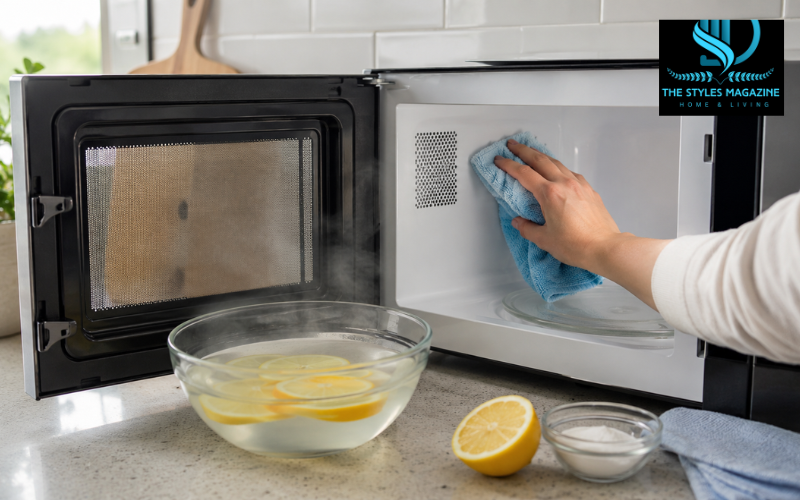
Microwaves are one of the most-used appliances in the kitchen, so it is no surprise that they get dirty quickly. A bowl of soup bubbles over, pasta sauce splatters on the walls, butter melts too fast, or leftovers leave behind a strong smell. Over time, these small messes turn into dried stains, sticky grease, and unpleasant odors that make the microwave look and smell less fresh.
The good news is that learning how to clean a microwave does not have to involve hard scrubbing or strong chemical sprays. In most cases, the easiest method is steam cleaning. Steam softens dried food and loosens grease, making the inside much easier to wipe clean with a cloth or sponge.
This guide explains how to clean a microwave using simple household items such as water, lemon, vinegar, dish soap, and baking soda. It also covers how to clean a microwave no vinegar, how to freshen bad smells, how to clean removable parts, and how to keep your microwave cleaner for longer. The goal is simple: a clean, fresh microwave without making the job harder than it needs to be.
Quick Guide: Best Ways to Clean a Microwave
| Cleaning Method | Best For | What to Use | Quick Tip |
| Water steam | Everyday cleaning | Water + microwave-safe bowl | Best first step for light messes |
| Lemon steam | Fresh smell | Water + lemon juice | Great for mild odors and light stains |
| Vinegar steam | Grease and stuck food | Water + white vinegar | Ventilate afterward if the smell is strong |
| Dish soap | Light grease and exterior | Warm water + mild dish soap | Use a damp cloth, not too much water |
| Baking soda | Stubborn spots and odors | Baking soda + water paste | Apply gently and avoid hard scrubbing |
| No-vinegar method | Vinegar-free cleaning | Lemon, water, dish soap, or baking soda | Best for people sensitive to vinegar smell |
What You Need Before Cleaning Your Microwave
Before you start, gather a few basic items. You do not need anything complicated. A microwave-safe bowl, clean water, a soft microfiber cloth or sponge, and oven mitts are enough for most microwave cleaning jobs. Depending on the type of mess, you may also use lemon juice, white vinegar, baking soda, or mild dish soap.
For everyday cleaning, plain water may be enough. For smells, lemon is a good choice because it leaves a light, fresh scent. Vinegar is useful for greasy splatters and stuck-on food, while baking soda works well for stubborn spots and lingering odors. Dish soap is helpful for light grease, the glass turntable, and the outside of the appliance.
Some people also use a store-bought microwave cleaner for tough messes, but it is important to choose one that is made for microwave use and follow the label carefully. Even then, avoid spraying harsh cleaners directly inside the microwave. Strong chemical smells can linger and may not be ideal in a space where food is heated.
Safety matters too. Never place metal bowls, foil, steel wool, or metal cleaning tools inside the microwave. Avoid abrasive pads because they can scratch or damage the interior surface. A soft cloth, warm water, and gentle cleaning ingredients are usually enough.
The Best Method: How to Clean a Microwave with Water and Steam
The easiest way to clean a microwave is with water and steam. If you want to know how to clean microwave with water, this method is the best place to start because it is simple, natural, and safe when done correctly.
Fill a microwave-safe bowl with about one cup of water and place it in the microwave. Heat it on high for three to five minutes, or until the water becomes hot enough to create steam and the microwave window looks foggy. The exact time can depend on the power of your microwave, so watch carefully and do not let the bowl boil dry.
After the timer stops, keep the door closed for another five minutes. This waiting time is important. The trapped steam settles on the walls, ceiling, and floor of the microwave, softening dried food and loosening grease. This is the key to how to clean microwave without scrubbing. Instead of fighting stuck-on splatters, you let the steam do most of the work.
When the waiting time is over, open the door carefully. The bowl and water will be very hot, so use oven mitts to remove it. Then wipe the inside with a damp microfiber cloth or soft sponge. Start with the ceiling, then clean the sides, door area, and floor. Most softened grime should come off easily. If you find one stubborn spot, hold the warm damp cloth over it for a few seconds before wiping again.
This steam method is ideal for regular cleaning and fresh spills. It is also a good first step before using lemon, vinegar, baking soda, or dish soap.
How to Clean Microwave with Lemon for Fresh Smell
If your microwave has light stains or food odors, lemon is one of the most pleasant ways to clean it. Many people search for how to clean microwave with lemon because it is simple and leaves behind a fresh citrus smell.
To use this method, add one cup of water to a microwave-safe bowl. Squeeze half a lemon into the water, then place the squeezed lemon halves in the bowl as well. Microwave the bowl for three to five minutes, until the water steams. Keep the door closed for another five minutes so the lemon steam can soften splatters and freshen the inside.
After that, carefully remove the hot bowl with oven mitts and wipe the interior with a soft cloth. Lemon works especially well after heating foods with mild smells, such as vegetables, rice, or pasta. It can also help reduce the odor from reheated leftovers.
Lemon is not always strong enough for heavy grease or very old stains, but it is excellent for everyday cleaning. It gives the microwave a cleaner smell without leaving the sharp scent that vinegar sometimes has.
How to Clean Your Microwave with Vinegar for Grease and Stains
White vinegar is a useful option when your microwave has greasy splatters or stuck-on food. If you want to know how to clean your microwave with vinegar, the process is almost the same as the water steam method, but with extra cleaning power.
Add one cup of water and two tablespoons of white vinegar to a microwave-safe bowl. Heat it for three to five minutes until it steams, then leave the door closed for five to ten minutes. The steam helps loosen dried food, while vinegar helps cut through grease and food residue.
Once the microwave has sat long enough, remove the bowl carefully with oven mitts. Wipe the inside with a damp cloth, paying extra attention to greasy areas near the walls and ceiling. If the vinegar smell feels too strong, leave the microwave door open for a few minutes after cleaning. You can also wipe once more with a clean damp cloth.
Vinegar is helpful for deep cleaning, but you do not need to use it every time. For light messes, plain water or lemon may be enough. For greasy stains, vinegar is one of the most effective natural choices.
How to Clean a Microwave with Dish Soap
Mild dish soap is another easy option, especially for light grease, fresh spills, the turntable, and the outside of the microwave. If you are wondering how to clean a microwave with dish soap, the key is to use only a small amount and wipe away any soap residue afterward.
Mix a few drops of mild dish soap with warm water. Dip a soft cloth or sponge into the mixture, squeeze out extra water, and wipe the inside surfaces. This works well when the microwave is not heavily stained but has a greasy film or small food marks.
Dish soap is also one of the best choices for cleaning the door, handle, and exterior. These areas often collect fingerprints and cooking grease, but they usually do not need steam or strong cleaning ingredients. After wiping with soapy water, go over the area again with a clean damp cloth. Then dry it with a microfiber cloth to prevent streaks or water spots.
Avoid using too much soap inside the microwave. A small amount is enough. The goal is to clean the surface, not leave behind a soapy smell that could affect the next food you heat.
How to Clean Microwave with Baking Soda for Stubborn Spots
Baking soda is helpful when steam alone does not remove a stubborn dried stain. It is also useful for odors because it naturally absorbs smells. If you need to know how to clean microwave with baking soda, use it gently and avoid heavy scrubbing.
Start by mixing baking soda with a small amount of water to make a soft paste. The paste should be thick enough to stay on the stain but not so dry that it feels gritty. Apply it gently to stuck-on food spots and let it sit for a few minutes. Then wipe it away with a damp cloth.
For stubborn areas, repeat the process instead of scrubbing hard. Baking soda is mild, but too much pressure can still damage delicate surfaces or dull the interior finish. A soft touch is better than force.
You can also place an open bowl of baking soda inside the microwave overnight to help absorb odors. This is especially useful after burnt popcorn, strong spices, or fish smells. Remove the bowl before using the microwave again.
How to Clean a Microwave Without Vinegar
Some people dislike the smell of vinegar, and that is completely fine. You can still clean your microwave effectively without it. If you are searching for how to clean a microwave no vinegar, there are several simple options.
The easiest alternative is plain water steam. It softens dried food and makes the microwave easier to wipe clean. For a fresher scent, use lemon and water instead. Lemon is especially helpful for light odors and everyday cleaning.
Dish soap and warm water are good for fresh spills, light grease, and exterior cleaning. For tougher spots, baking soda paste can help loosen dried food without needing vinegar. These methods are simple, affordable, and gentle when used correctly.
Vinegar is useful, but it is not required for every microwave cleaning job. If your microwave is only lightly dirty, water, lemon, dish soap, or baking soda may be all you need.
Cleaning the Turntable, Ring, and Removable Parts
The glass turntable often collects spills, crumbs, and sticky food residue. Before removing it, let it cool completely. A hot glass plate can crack or shatter if it touches cold water too quickly, so never rush this step.
Once cool, remove the glass plate and roller ring. Wash them in warm, soapy water using a soft sponge. Rinse well and dry completely before placing them back in the microwave. If your microwave manual says the turntable is dishwasher-safe, you can use the dishwasher, but checking the instructions is always the safest choice.
While the turntable is removed, wipe the floor of the microwave. Food often hides under the glass plate, especially near the center where the turntable sits. Cleaning this area helps prevent odors and keeps the microwave working smoothly.
Make sure everything is dry and correctly placed before using the microwave again. A poorly seated turntable can wobble, make noise, or heat food unevenly.
Cleaning the Microwave Door, Handle, and Outside
The outside of the microwave needs a different approach from the inside. The door, handle, keypad, and exterior surfaces collect fingerprints, steam marks, grease, and dust. Warm water with mild dish soap is usually enough to clean these areas.
Dip a soft cloth into soapy water, wring it out well, and wipe the handle, door, and outer surface. Be gentle around the keypad. Too much water near buttons or vents can cause problems, so the cloth should be damp, not dripping wet.
After cleaning, wipe again with a clean damp cloth to remove soap residue. Then dry with a microfiber cloth. Drying is important because it prevents streaks, water spots, and moisture from sitting near seams or controls.
If your microwave is stainless steel, wipe in the direction of the grain for a cleaner finish. Avoid abrasive pads, rough powders, or harsh sprays because they can scratch the surface.
How to Remove Bad Smells from a Microwave
Bad smells can stay inside a microwave even after the food splatters are gone. Burnt popcorn, fish, garlic, curry, and old food spills are common causes. The best method depends on how strong the smell is.
For mild odors, lemon steam works well. Heat water with lemon juice for a few minutes, let the steam sit, then wipe the inside. This freshens the microwave and removes light smells.
For stronger odors, vinegar steam may work better because vinegar helps neutralize smells and loosen residue. Use water with a small amount of white vinegar, heat until steaming, let it sit, and wipe clean. If you do not want to use vinegar, place a bowl of baking soda inside the microwave overnight while it is turned off. Baking soda can absorb lingering odors without leaving a strong smell of its own.
After cleaning, leave the microwave door open for a short time to let the inside air out. This helps moisture and odors escape. Just make sure the microwave is not in use and the area is safe.
Mistakes to Avoid When Cleaning a Microwave
Cleaning a microwave is simple, but a few mistakes can cause damage or make the appliance unsafe. One of the biggest mistakes is using steel wool, rough scrubbers, or abrasive pads. These can scratch the interior and may damage the protective coating.
Another mistake is spraying harsh chemical cleaners directly inside the microwave. Strong cleaners can leave behind smells or residue where food is heated. If you use any cleaner, make sure it is safe for microwaves and apply it to a cloth instead of spraying heavily inside.
Never use metal bowls, foil, or metal tools in the microwave. Also avoid removing any protective covers or panels inside the appliance. These parts are there for safety and proper operation.
Do not pour cold water on a hot glass turntable, and do not ignore strange burning smells, sparks, smoke, or electrical issues. If your microwave smells like burning wires or sparks while running, stop using it and check the manual or contact a qualified repair service.
Easy Ways to Keep Your Microwave Clean Longer
Once your microwave is clean, a few simple habits can keep it that way. The most helpful habit is covering food before heating. A microwave-safe splatter cover, paper towel, or loose microwave-safe lid can stop sauces and liquids from exploding onto the walls.
Wipe spills as soon as they happen. Fresh food splatters are much easier to remove than dried stains. Even a quick wipe with a damp cloth can prevent bigger cleaning jobs later.
For foods that bubble or pop, try using lower power or shorter heating times. Stirring food halfway through can also reduce splattering and help it heat more evenly.
If you use your microwave often, a quick weekly clean can make a big difference. You do not need to deep clean every time. A simple steam clean with water or lemon can keep odors and stains under control. After a messy spill, do a quick steam clean right away before the food dries hard.
Keeping a microwave-safe splatter cover nearby makes it easier to protect the microwave every day. Small habits like this save time and help your kitchen feel cleaner.
Conclusion
The easiest way to clean a microwave is to use steam, let it loosen the mess, and then wipe the inside with a soft cloth. If you are learning how to clean a microwave for the first time, start with water and steam because it is simple, gentle, and effective for everyday messes.
Lemon is a great choice when you want a fresh smell. Vinegar is helpful for grease and stuck-on food. Baking soda works well for stubborn spots and odors, while dish soap is useful for light cleaning, removable parts, and the outside of the appliance. If you prefer to avoid vinegar, plain water, lemon, dish soap, and baking soda can still do the job well.
A clean microwave does not require harsh scrubbing or complicated products. Clean spills early, use steam when food dries on, avoid abrasive tools, and cover food before heating. With these simple habits, your microwave can stay fresher, cleaner, and easier to maintain every day.
FAQs
How Often Should I Clean My Microwave?
You should wipe fresh spills immediately and give your microwave a deeper clean about once a week if you use it often. Regular cleaning prevents dried stains, grease buildup, and strong food odors.
Can I Clean A Microwave With Just Water?
Yes, plain water works well for light messes. Heating water creates steam, which softens food splatters and makes the inside easier to wipe clean without harsh scrubbing or strong cleaners.
Is Lemon Or Vinegar Better For Cleaning A Microwave?
Lemon is better for fresh smells and light cleaning, while vinegar is stronger for grease and stuck-on food. Both work well with steam, so choose based on the mess and your smell preference.
How Do I Clean A Microwave Without Vinegar?
Use plain water steam, lemon water, mild dish soap, or baking soda paste. These options can remove stains, soften food splatters, and reduce odors without leaving a vinegar smell behind.
What Should I Avoid When Cleaning A Microwave?
Avoid steel wool, abrasive pads, harsh chemical sprays, metal bowls, and too much water near vents or buttons. These can scratch surfaces, leave residue, or damage the microwave.
Enjoyed it? Find more exclusive content on The Styles Magazine.
Disclaimer: This article is for general home-cleaning guidance only. Always follow your microwave manufacturer’s instructions before cleaning. If your microwave sparks, smells like burning wires, or has electrical issues, stop using it and contact a qualified professional.