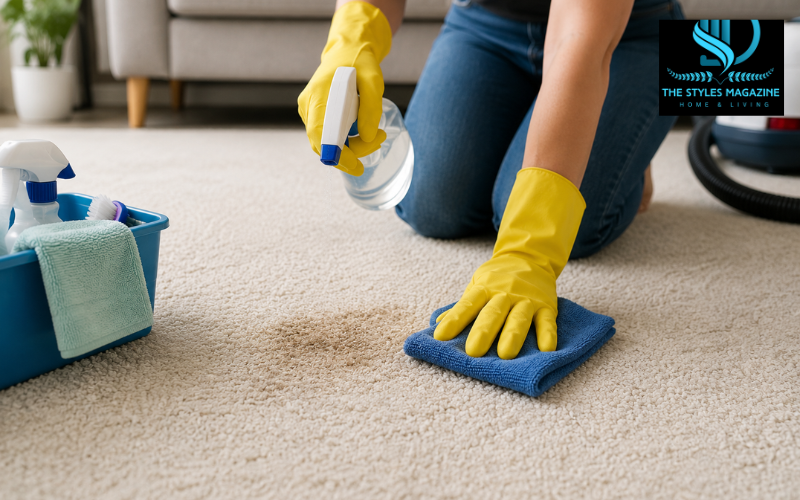
Learning how to clean a carpet means understanding how to remove loose dirt, treat stains, freshen the fibers, and dry the carpet properly without damaging it. A clean carpet does more than make a room look better. It can also help reduce dust, remove bad smells, improve indoor comfort, and protect the carpet from early wear.
Carpets collect more than what you see on the surface. Dust, crumbs, pet hair, soil from shoes, spilled drinks, and everyday dirt can settle deep into the fibers. If the carpet is not cleaned regularly, this buildup can make it look dull, feel rough, and smell unpleasant. Over time, tiny dirt particles can also rub against the fibers and slowly damage them.
The good news is that carpet cleaning does not always require expensive tools. You can clean a carpet by hand, use baking soda for odors, spot-treat stains, or deep clean carpet at home with a machine. This guide explains each method in a simple, practical way so you can choose the best option for your carpet, your room, and the level of dirt you are dealing with.
Quick Guide Table
| Carpet Cleaning Need | Best Method | Helpful Tip |
| Everyday dust and dirt | Vacuum slowly | Use overlapping passes for better results |
| Fresh spills | Blot with a white cloth | Never rub, as it can spread the stain |
| Bad odors | Use baking soda | Let it sit before vacuuming |
| No machine available | Hand clean with mild solution | Avoid soaking the carpet |
| Heavy dirt | Use a carpet cleaner machine | Do a clean-water rinse pass |
| White carpet | Gentle spot cleaning | Use white towels and dry quickly |
Why Carpet Cleaning Matters More Than You Think
Carpet fibers act like a soft filter inside the home. They trap dust, allergens, pet hair, lint, and small dirt particles that come from daily foot traffic. At first, this may not seem like a big problem because the carpet may still look clean from a distance. But when dirt builds up under the surface, the carpet can lose its freshness and softness.
A dirty carpet can also affect how a room smells. Food crumbs, pet accidents, moisture, and old stains can create odors that stay in the fibers. Even if the room is tidy, an unclean carpet can make the whole space feel less fresh. This is why regular vacuuming and occasional deep cleaning are important parts of home care.
Cleaning also helps protect the carpet for the long term. Dirt and grit can act like sandpaper when people walk across the floor. This can weaken the fibers and make high-traffic areas look flat or worn out. When you clean your carpet properly, you remove that hidden buildup and help the carpet stay softer, brighter, and more comfortable.
Things You Need Before Cleaning a Carpet
Before you start cleaning, it helps to gather everything in one place. You do not need many items, but the right tools make the job easier and safer. A vacuum cleaner is the first and most important tool because it removes dry dirt before moisture is added. You may also need a carpet cleaner, a mild cleaning solution, baking soda, white vinegar, clean towels or microfiber cloths, a soft brush, and a spray bottle.
A carpet cleaning machine is optional, but it can be useful if the carpet is very dirty or covers a large area. If you do not have one, you can still clean carpet without a machine using simple home methods. The main rule is to avoid using too much water or harsh products. Carpet should be cleaned carefully, not soaked.
It is also a good idea to use white towels when blotting stains. Colored towels may transfer dye to the carpet, especially if the carpet is light or white. If you plan to use any carpet cleaner or homemade solution, test it on a hidden spot first. This simple step can help prevent discoloration or fiber damage.
Step 1: Prepare the Carpet Before Cleaning
Good carpet cleaning starts before you apply any solution. First, remove small furniture, toys, shoes, cords, and other items from the room. This gives you open space to clean properly and helps you avoid missing hidden areas under chairs, tables, or storage baskets.
Next, pick up loose debris such as paper, crumbs, coins, or small objects that could block the vacuum. If the carpet has dried mud or food stuck to it, gently loosen it with your fingers or the edge of a dull tool before vacuuming. Do not pull hard on the fibers, especially if the carpet is delicate.
Before using any liquid cleaner, check the carpet material if possible. Some carpets are more sensitive than others. Wool, natural fibers, and some specialty carpets may need extra care. If there is a care label or manufacturer’s cleaning guide, follow it. If you are unsure, always test your cleaning solution in a corner or under furniture where it will not be easily seen.
Step 2: Vacuum Slowly and Thoroughly
Vacuuming is one of the most important steps in how to clean a carpet because it removes dry dirt before it turns into muddy residue during wet cleaning. Many people vacuum too quickly, which only cleans the surface. For better results, move the vacuum slowly and make overlapping passes across the carpet.
A good method is to vacuum in one direction, then vacuum again from another angle. This helps lift the fibers and pull dirt from different sides. High-traffic areas, such as hallways, living room paths, and areas near doors, need extra attention because they collect more dirt than corners or low-use spaces.
Use attachments along baseboards, under furniture edges, and in corners where dust often settles. If you have pets, vacuuming alone may not remove all the hair. A rubber squeegee, carpet brush, or pet hair tool can help loosen fur trapped in the fibers. Once the hair is lifted, vacuum again to collect it.
Step 3: Spot-Treat Stains Before Deep Cleaning
Stains should be treated before you deep clean the full carpet. If you skip this step, some stains may spread or become harder to remove. The safest rule for fresh spills is to blot, not rub. Press a clean white cloth over the spill and let it absorb the liquid. Rubbing can push the stain deeper and damage the carpet fibers.
For solid messes, such as food, dried mud, or thick spills, gently lift the material with a dull knife, spoon, or card edge. Work from the outside of the stain toward the center so it does not spread. After removing the solids, blot the area with a small amount of mild cleaning solution.
Different stains need different care. Food stains may respond well to mild dish soap and warm water. Grease stains often need baking soda first to absorb the oil before blotting with a gentle cleaner. Wine or juice stains should be blotted quickly before they settle. Pet accidents are best treated with an enzyme-based carpet cleaner because it helps break down odor at the source.
How to Clean a Carpet by Hand
Knowing how to clean a carpet by hand is helpful when you do not have a machine or when you only need to clean a small room or delicate area. This method works best when the carpet is not extremely dirty but needs freshening, stain removal, or light deep cleaning.
Start by vacuuming very well. Then mix a mild cleaning solution using warm water and a small amount of gentle dish soap or a carpet-safe cleaner. Dip a soft brush or cloth into the solution, but do not pour liquid directly onto the carpet. The goal is to dampen the fibers lightly, not soak the backing.
Work in small sections and scrub gently using circular motions. Too much pressure can fray or roughen the fibers. After cleaning each section, press a clean towel over the area to absorb moisture and loosened dirt. You may need to repeat this with dry towels until the carpet feels only slightly damp. Hand cleaning takes patience, but it can be very effective when done carefully.
How to Clean Carpet Without a Machine
Many people search for how to clean carpet without a machine because they want a simple method using household items. This can be done, especially for light dirt, odors, and small stains. The key is to clean slowly and avoid over-wetting the carpet.
Baking soda is one of the easiest options for freshening carpet. Sprinkle it evenly over the carpet and let it sit for at least 15 to 30 minutes. For stronger odors, you can leave it longer. After that, vacuum thoroughly to remove the powder and trapped smells.
If the carpet needs more than deodorizing, lightly mist it with a mix of water and white vinegar. Use only a small amount. The carpet should be lightly damp, not wet. Gently brush the fibers, then blot with clean towels. Once the carpet is fully dry, vacuum again. This method is useful for refreshing a room, but it may not replace machine cleaning for heavily soiled carpets.
How to Clean Carpet With Baking Soda
Baking soda is popular because it is simple, affordable, and useful for odor control. When people ask how to clean carpet with baking soda, they are usually looking for a natural way to freshen the carpet without strong smells or heavy chemicals.
To use it properly, vacuum the carpet first. Then sprinkle baking soda evenly across the area. Do not dump too much in one spot because thick piles can be harder to remove. Let the baking soda sit so it can absorb odors and some light moisture. For normal freshening, 30 minutes may be enough. For stronger smells, leaving it for a few hours may work better.
After waiting, vacuum slowly and thoroughly. If the carpet still smells, repeat the process instead of adding too much liquid. You can lightly mist the carpet before applying baking soda in some cases, but be careful with moisture. Baking soda should not be left wet inside the carpet because it can become difficult to remove and may leave residue.
How to Deep Clean Carpet at Home
Deep cleaning is needed when vacuuming and spot cleaning are no longer enough. You may notice the carpet looks dull, feels sticky, smells musty, or has darker paths where people walk often. These are signs that dirt has moved deeper into the fibers.
To deep clean carpet at home, start with a full vacuuming session. Then treat stains one by one. After that, choose either a hand-cleaning method or a carpet cleaning machine. Deep cleaning is different from surface cleaning because it focuses on pulling out embedded grime, not just removing visible debris.
High-traffic areas may need more time than the rest of the room. Clean them slowly and avoid using too much soap. Soap residue can attract more dirt later, making the carpet look dirty again faster. For most homes, deep cleaning every 6 to 12 months is reasonable, but homes with pets, children, or heavy foot traffic may need it more often.
How to Deep Clean Carpet With a Machine
If your carpet is very dirty or you want a stronger clean, learning how to deep clean carpet with machine equipment can help. A carpet cleaner or extractor sprays cleaning solution into the fibers and then pulls dirty water back out. This method is useful for large rooms and carpets with heavy soil.
Before using the machine, read the instructions carefully. Fill the clean water tank with hot water if the machine allows it, and add only the recommended amount of carpet cleaner. More shampoo does not mean better cleaning. In fact, too much product can leave sticky residue behind.
Start in the farthest corner of the room and work toward the doorway so you do not step on wet carpet. Make slow passes. Usually, you press the trigger while moving forward to release solution, then release the trigger and pull backward to extract water. After cleaning, it is smart to do a rinse pass with clean water only. This helps remove leftover cleaner and leaves the carpet feeling fresher.
Best Way to Clean Carpets Professionally
The best way to clean carpets professionally often depends on carpet type, stain level, and the condition of the fibers. Many professionals use hot water extraction, which is sometimes called steam cleaning. This method uses hot water, cleaning solution, and strong suction to remove deep dirt from the carpet.
Professional carpet cleaners may also pre-treat stains, clean high-traffic areas more carefully, and use equipment with stronger extraction than home machines. This can help the carpet dry faster and reduce leftover moisture. Professional cleaning may be a better choice if your carpet has large stains, strong pet odors, water damage concerns, or years of buildup.
DIY cleaning is useful for regular maintenance, but it has limits. If stains keep coming back, odors do not go away, or the carpet stays damp for too long, calling a professional may save time and protect the carpet. A good professional cleaning should leave the carpet cleaner, softer, and free from sticky residue.
How to Clean White Carpet Without a Machine
White carpet needs extra care because stains, water marks, and discoloration show more easily. If you want to know how to clean white carpet without a machine, the safest approach is to use gentle methods and avoid harsh products.
Start by vacuuming well so dry dirt does not turn into a gray smudge when moisture is added. For stains, blot with a white cloth and use a small amount of mild cleaner. Avoid colored towels, strong dyes, bleach, or dark cleaning solutions. Even some homemade mixtures can leave marks if used too heavily.
Use as little moisture as possible and blot often. If you use baking soda, make sure it is fully vacuumed after drying. If you use vinegar and water, mist lightly rather than soaking the carpet. White carpet should dry quickly because slow drying can leave water rings or musty smells. Fans and open windows can help speed up the process.
Drying, Fluffing, and Final Carpet Care
Drying is just as important as cleaning. A carpet that stays wet for too long can develop musty odors and may even encourage mold or mildew in the backing or padding. After any wet cleaning method, open windows if the weather allows, turn on ceiling fans, or place floor fans around the room.
Try not to walk on the carpet while it is damp. If you must walk through the room, use clean socks or place towels in a path. Do not move heavy furniture back too soon because it can crush damp fibers or leave marks. Some furniture legs may also transfer color or cause rust stains if placed on wet carpet.
Once the carpet is fully dry, vacuum again. This final vacuum helps lift the pile, remove loosened debris, and make the carpet look more even. You can also gently fluff flattened areas with your fingers or a soft brush. Regular care after cleaning will help the carpet stay fresh for longer.
Conclusion
Knowing how to clean a carpet the right way can make your home feel cleaner, fresher, and more comfortable. The safest routine is simple: prepare the area, vacuum slowly, treat stains carefully, choose the right cleaning method, and dry the carpet completely. These steps help remove dust, odors, and embedded dirt without causing damage.
For light cleaning, baking soda and gentle hand cleaning may be enough. For deeper dirt, a carpet cleaner or extractor can give better results. For white carpets, delicate fibers, strong odors, or difficult stains, extra care is needed. Sometimes professional cleaning is the better choice, especially when the carpet has heavy buildup or stains that keep returning.
The best method depends on your carpet type, the amount of dirt, the stain level, and the tools you have available. With regular vacuuming, quick stain treatment, and occasional deep cleaning, your carpet can stay softer, cleaner, and fresher for years.
FAQs
How Often Should You Clean A Carpet?
You should vacuum carpets at least once a week and deep clean them every 6 to 12 months. Homes with pets, kids, or heavy foot traffic may need cleaning more often.
Can I Clean A Carpet Without A Machine?
Yes, you can clean carpet without a machine using baking soda, mild soap, vinegar solution, a soft brush, and clean towels. The key is to avoid using too much water.
What Is The Best Way To Remove Carpet Stains?
The best way is to blot the stain quickly with a clean white cloth, then apply a suitable carpet cleaner. Avoid rubbing because it can push the stain deeper.
Is Baking Soda Good For Cleaning Carpets?
Yes, baking soda is good for absorbing odors and freshening carpets. Sprinkle it evenly, let it sit, and vacuum thoroughly. It works best for light smells and surface freshness.
How Do I Dry Carpet After Cleaning?
Open windows, turn on fans, and avoid walking on the carpet until it is fully dry. Proper drying helps prevent musty smells, water marks, and mildew problems.
Enjoyed it? Find more exclusive content on The Styles Magazine.
Disclaimer: This article is for general informational purposes only. Carpet materials, stains, and cleaning results may vary. Always test any cleaner on a hidden area first and follow your carpet manufacturer’s care instructions.