How much is a storage unit? In most cases, a storage unit costs around $40 to $250 per month, depending on the size, location, access type, and features you choose. A small unit may cost much less, while a large unit or climate-controlled space in a busy city can cost more.
People use storage units for many reasons. Some need extra space while moving. Others use them during home renovation, downsizing, college breaks, business inventory storage, or seasonal item storage. A storage unit gives you a separate space where you can keep furniture, boxes, tools, clothes, documents, or household items without crowding your home.
If you are wondering how much is a storage unit per month, the simple answer is that a medium unit often falls around $100 to $160 per month, while smaller spaces may start near $30 to $75 per month in many areas. Larger spaces can go above $200 per month, especially in expensive cities or popular facilities. Recent 2026 storage pricing guides show common average prices such as about $40 for a 5×5 unit, $119.50 for a 10×10 unit, and $216.50 for a 10×20 unit, though real prices change by location and availability.
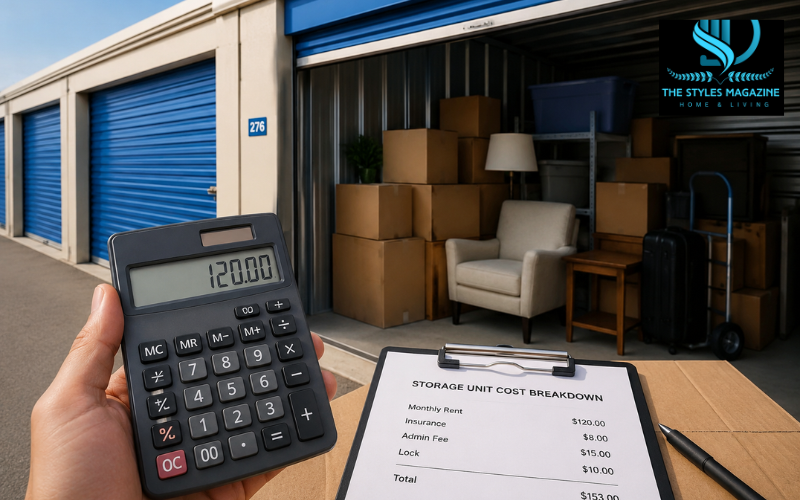
The final price is not only about size. Your total cost may also include climate control, insurance, admin fees, special locks, drive-up access, and promotional price changes after the first month. That is why it is important to compare the full monthly cost before renting.
Average Storage Unit Cost Per Month
Storage unit prices usually depend on how much space you need. A small unit is the cheapest option and is best for boxes, small furniture, seasonal items, or dorm room storage. A small 5×5 storage unit may cost around $30 to $75 per month for a standard unit, while climate-controlled versions may cost more.
Medium units are the most common choice for many renters. A 10×10 unit can often hold items from a one-bedroom apartment, including a mattress, sofa, small appliances, boxes, and furniture. Based on recent storage pricing data, a 10×10 unit may average around $119.50 per month, but the price can be higher in busy cities or when climate control is included.
Large units cost more because they offer much more floor space. A 10×20 or 10×30 unit may be used for multi-room homes, business supplies, equipment, or even vehicle storage where allowed. A 10×20 unit may average around $216.50 per month, while larger units can go higher.
Prices are not the same everywhere because storage works like local real estate. If land is expensive, demand is high, and available units are limited, prices rise. If the area has many storage facilities and lower demand, prices may be more affordable.
Storage Unit Prices by Size
The size of the unit is one of the biggest price factors. A 5×5 storage unit is about the size of a small closet. It is useful for boxes, small shelves, holiday decorations, office supplies, sports gear, or a few small pieces of furniture. It is not made for full-room storage, but it works well when you only need a little extra space.
A 5×10 unit gives you more room and can work for a dorm room, small bedroom furniture, several boxes, a mattress set, or a few appliances. This size is popular for students, apartment renters, and people who are clearing space during a move.
A 10×10 unit is one of the most common medium-size choices. It is often suitable for the contents of a one-bedroom apartment or a small living space. If someone asks how much is a storage unit for regular household items, this is usually the size they are thinking about.
A 10×20 unit or larger is better for bigger storage needs. These units can hold furniture from a multi-bedroom home, business inventory, large appliances, or outdoor equipment. Some facilities also allow vehicle storage in larger units, but rules vary by location, so it is important to check before renting.
What Affects the Price of a Storage Unit
The first cost factor is city and neighborhood demand. A storage facility in a crowded city usually costs more than one in a smaller town. Areas near apartments, universities, military bases, or business districts may also have higher demand.
Unit size also matters. The larger the unit, the more you will pay each month. However, larger units sometimes have a lower price per square foot compared with small units. This means a bigger unit may offer better value if you truly need the space.
Indoor and outdoor access can also change the price. A drive-up outdoor unit is convenient because you can park near the door and load items easily. Because of that convenience, it may cost more than an upper-floor indoor unit that requires elevator access.
Rental terms can also affect the final cost. Many storage units are rented month to month, which is flexible. However, promotional pricing may only apply for the first month or first few months. After that, the monthly rate may increase.
Security and facility quality also matter. A clean facility with cameras, gated access, good lighting, and on-site staff may charge more than a basic storage location. For valuable items, paying a little more for better security may be worth it.
Climate-Controlled Storage Costs
Climate-controlled storage usually costs more because it helps protect items from extreme heat, cold, and moisture. These units are often indoors and keep the temperature more stable than a standard unit. The extra cost may be worth it if you are storing items that can be damaged by humidity or temperature changes.
Items that may need climate control include wooden furniture, electronics, artwork, books, documents, musical instruments, leather items, mattresses, antiques, and important business records. If these items sit in a hot, cold, or damp space for months, they may warp, crack, smell, or grow mold.
Climate control is not always necessary. If you are storing plastic bins, garden tools, metal items, or short-term moving boxes, a standard unit may be enough. But if your items are valuable, sensitive, or stored for a long time, climate control can prevent costly damage.
How Location Changes Storage Unit Pricing
Location can change the answer to how much is a storage unit near me. In large cities, storage is usually more expensive because land, building costs, and demand are higher. In smaller towns or rural areas, storage units may be cheaper because facilities have more space and lower operating costs.
Urban storage facilities may also charge more for convenience. If a facility is near downtown, apartment buildings, public transport, or business areas, it may have higher rates. A facility farther from the city center may cost less, but you may spend more time and fuel reaching it.
This is why “near me” pricing matters. Two facilities in the same city can have very different prices depending on the neighborhood, access type, promotions, and available unit sizes. Before renting, compare at least three nearby facilities and check the total monthly cost, not just the first advertised price.
Storage Unit Costs in Washington, DC
Storage in Washington, DC can be more expensive than in many smaller cities because it is a high-demand urban area. Space is limited, land is costly, and many people live in apartments with limited storage. That creates strong demand for storage units.
A recent Washington, DC storage pricing page shows that storage costs can vary by unit size and price per square foot, with smaller units often costing more per square foot than larger units. Another storage marketplace listed Washington, DC averages such as around $63 for 5×5, $130 for 10×10, and $253 for 10×20, with prices changing often based on availability.
If you are searching for a storage unit DC, compare different neighborhoods and nearby areas. Sometimes a facility just outside the most expensive part of the city may offer better monthly prices. To find cheap storage units in DC, check online move-in deals, smaller unit sizes, non-climate-controlled options, and facilities a little farther from central locations.
Popular Storage Companies and Pricing Differences
National storage brands often price units based on location, size, demand, and available promotions. Companies such as Public Storage may offer online rates, first-month promotions, or different prices for indoor, outdoor, and climate-controlled units. For example, Public Storage lists Washington, DC 10×10 units with an estimated range of $119 to $199 per month on one of its local unit pages.
Self Storage Plus and other regional or local storage companies may also have different rates depending on facility features and location. Some may focus on modern indoor storage, while others may offer convenient drive-up units, vehicle storage, or business storage options.
Brand-name facilities may offer stronger online systems, wider availability, and more locations. Local storage facilities may sometimes offer better rates, flexible service, or fewer extra fees. The best choice depends on your budget, distance, item type, and how often you need access.
Hidden Fees to Check Before Renting
The advertised storage price is not always the final amount you will pay. Many facilities charge an admin or setup fee when you first rent the unit. This is usually a one-time fee, but it can still increase your move-in cost.
Insurance is another common cost. Some facilities require storage insurance, either through their own plan or through proof of your homeowner’s or renter’s insurance. This can add a monthly charge if you do not already have coverage.
You may also need to buy a special lock. Some facilities require a disc lock or cylinder lock for better security. This is usually not a huge cost, but it is still part of the total amount due.
Late payment fees can also add up. Storage facilities usually have strict payment dates, and missed payments may lead to fees or even account problems. Always read the rental agreement before signing.
Promotional rates are another thing to watch. A low first-month price can be helpful, but the monthly rate may rise later. Before choosing a unit, ask what the regular rate will be after the promotion ends.
Cheap Storage Units: How to Save Money
The easiest way to save money is to compare several storage units near me before renting. Do not choose the first price you see. Prices can be very different even for the same unit size in the same city.
Choosing the right size is also important. Renting a unit that is too large means you are paying for empty space. Make a list of what you need to store, then choose the smallest unit that can safely fit those items.
You can also save money by avoiding upgrades you do not need. Climate control, drive-up access, and premium locations are useful, but not always necessary. If you are storing basic items for a short time, a simple standard unit may be enough.
Online discounts can also reduce the cost. Many storage companies offer lower web rates or move-in promotions. However, always check whether the discount is temporary and what the price will be later.
Short-Term vs Long-Term Storage Costs
Short-term storage is useful when you are moving, renovating, traveling, or waiting to settle into a new home. A month-to-month rental gives you flexibility because you are not locked into a long contract.
Long-term storage can be helpful if you need extra space for seasonal items, business supplies, records, or furniture you do not use every day. However, long-term renters should pay close attention to price increases. A unit that starts cheap may become more expensive after several months.
If you need storage for only one or two months, convenience may matter more than the lowest price. But if you plan to store items for a year or more, even a small monthly difference can become expensive over time. For long-term storage, compare regular rates carefully and ask about future increases.
How to Choose the Right Storage Unit Size
Before renting, make an item list. Write down large furniture, boxes, appliances, tools, and special items. This helps you avoid guessing and paying for more space than you need.
Think about access too. If you may need to visit the unit often, leave a small walkway inside. A tightly packed unit can save money, but it may be frustrating if you need something from the back.
Match the unit size to your home or apartment size. A 5×5 unit works for small extras. A 5×10 unit may work for a dorm room or small bedroom. A 10×10 unit is better for a one-bedroom apartment. A 10×20 unit or larger is more suitable for a full home, large furniture, or business items.
If you are unsure, ask the facility for a size guide. Many storage companies provide online size tools that show what each unit can usually hold.
Quick Cost Comparison Table
| Unit Size | Estimated Monthly Cost | Best For | Notes |
| 5×5 storage unit | $30–$75 | Boxes, small items, seasonal storage | Climate control may cost more |
| 5×10 unit | $60–$120 | Dorm room, small furniture, mattress | Good for light moving storage |
| 10×10 unit | $100–$180 | One-bedroom apartment items | Common medium-size choice |
| 10×15 unit | $140–$220 | Larger apartment or extra furniture | Useful for mixed household items |
| 10×20 unit | $200–$300+ | Multi-room home, vehicle, business items | Drive-up access may cost more |
| 10×30 unit | $275–$500+ | Large home, major storage needs | Best for big loads or long-term use |
These numbers are general estimates. Your real price may be higher or lower depending on your city, facility, unit type, and current promotions.
Conclusion
So, how much is a storage unit? For most renters, the monthly cost usually falls between $40 and $250, but small units can be cheaper and large or climate-controlled units can cost more. A medium storage unit often sits around the $100 to $160 per month range, depending on location and features.
The best way to find the right price is to compare size, location, access, climate control, insurance, and fees together. Do not focus only on the advertised monthly rate. Check the full cost before renting, including admin fees, locks, insurance, and future price changes.
A storage unit can be a helpful solution when you need extra space, but the right choice depends on your items and budget. Choose only the space you need, compare nearby options, and make sure the total monthly cost feels fair before you sign.
FAQs
How Much Is A Storage Unit Per Month?
A storage unit usually costs between $40 and $250 per month. Smaller units are cheaper, while large, climate-controlled, or city-based units usually cost more.
Is A 5×5 Storage Unit Enough?
A 5×5 storage unit is enough for boxes, small furniture, seasonal items, and office supplies. It is not ideal for full-room furniture or large appliances.
Why Do Storage Unit Prices Change By Location?
Storage prices change because rent, land cost, demand, and availability are different in every city. Big cities usually have higher storage prices than small towns.
Are Climate-controlled Storage Units Worth It?
Climate-controlled units are worth it for furniture, electronics, documents, books, artwork, or anything sensitive to heat, cold, or moisture.
What Extra Fees Should I Check Before Renting?
Check for admin fees, insurance charges, lock costs, late fees, and promotional price increases. These can make the total cost higher than the listed monthly rate.
Enjoyed it? Find more exclusive content on The Styles Magazine.
Disclaimer: This article is for general informational purposes only. Storage unit prices can change by location, facility, unit size, availability, and promotions. Always confirm current pricing directly with the storage provider before renting.