Gardening is the practice of growing and caring for plants in a chosen space. That space may be a backyard, a raised bed, a balcony, a patio, or even a bright windowsill. The basic idea is simple: plants need suitable soil or growing material, enough light, the right amount of water, and regular care. When these needs are balanced, plants have a much better chance of growing well.
For beginners, gardening is less about knowing everything in advance and more about learning to observe. You will notice which areas dry out quickly, which plants lean toward the light, which leaves change color, and which crops grow well in your local season. A small garden can teach the same core skills as a large one.
This guide covers the practical foundations of home gardening, including choosing a growing space, preparing soil, selecting plants, planting, watering, feeding, growing food, choosing tools, managing common problems, and caring for a garden through the seasons.
Quick Gardening Guide
| Gardening Type | Works Well For | Main Consideration |
| In-ground garden | Larger yards, vegetables, flowers, shrubs | Soil quality and drainage |
| Raised beds | Organized gardens and easier soil management | Filling and maintaining suitable soil |
| Container gardening | Balconies, patios, and small spaces | Containers can dry out faster and need regular checking |
| Indoor gardening | Herbs and compact plants | Providing enough suitable light |
| Edible garden | Herbs, vegetables, and suitable fruits | Matching crops to space, climate, and season |
Simple Gardening Steps
- Study your space: Check sunlight, shade, drainage, wind, and available growing room.
- Choose suitable plants: Match each plant with the light, climate, moisture, and space it needs.
- Prepare the growing area: Improve soil when necessary or use an appropriate growing medium for containers.
- Plant correctly: Follow recommended planting depth, spacing, and seasonal timing. Seed packets are useful for crop-specific sowing instructions.
- Water according to need: Check soil moisture rather than depending on the same watering schedule every day.
- Maintain regularly: Watch for weeds, pests, plant damage, dry soil, overcrowding, and unhealthy growth.
- Learn each season: Keep simple notes about plants that performed well and problems you want to avoid next time.
Start by Understanding Your Growing Space
Before buying plants, spend a few days watching your space. Notice where direct sunlight falls in the morning, around midday, and later in the afternoon. A place that looks bright may still receive only a short period of direct sun. Plant labels often describe a plant as preferring full sun, partial shade, or shade, so your observations will help you make better choices.
Also look at drainage, wind, and access. Water should not remain pooled around most garden plants for long periods, while exposed balconies and open yards can dry faster because of wind. Think about how easily you can reach the area with a watering can or hose and whether you can move comfortably around beds or containers.
Local climate matters just as much as the shape of the space. Planting dates and growing seasons vary by region, and weather can shift from year to year. Instead of following one universal calendar, use local planting guidance and the needs of each plant. A simple sketch showing sunny spots, shaded areas, paths, beds, and containers can prevent expensive mistakes later.
Choose the Right Type of Home Garden
An in-ground garden works well where you have usable soil, enough space, and reasonable drainage. It can support flowers, shrubs, herbs, vegetables, and larger plants without the root limits created by pots. However, poor soil or difficult drainage may require improvement before planting.
Raised beds offer more control over the growing area and can make planting, weeding, and soil management easier. They are especially useful when the existing ground is compacted or unsuitable, although the soil placed in the bed still needs good structure and sensible nutrient levels. Too much compost or manure can create nutrient problems, so more is not always better.
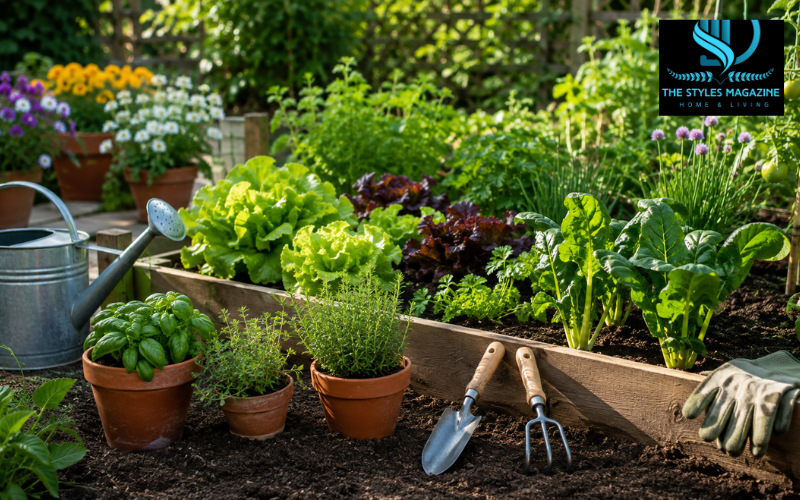
Containers are a flexible choice for patios, balconies, doorsteps, and small homes. Many flowers, herbs, vegetables, shrubs, and even some small trees can grow in containers, but pots usually dry out faster and need more regular attention than plants in the ground. Indoor or windowsill growing is best for compact plants that can receive enough light. The right garden type is the one that fits your space, time, and ability to maintain it consistently.
Build Healthy Soil Before You Plant
Healthy roots depend on soil that can hold both moisture and air. Soil texture is largely influenced by the balance of sand, silt, and clay. Sandy soil usually drains quickly but may hold less water. Clay-rich soil tends to hold water longer and can drain slowly. Loam contains a more balanced mix of particle sizes and is often easier to work with.
Before planting, check whether water drains reasonably well and whether the soil is hard, sticky, loose, or compacted. Adding suitable organic matter such as finished compost can improve soil structure and water-holding capacity. Compost can also contribute nutrients, but it should be used as a soil improvement rather than treated as a cure for every problem.
Mulch sits on the soil surface rather than being mixed deeply into it. It can help reduce moisture loss and weed growth. Fertilizer is different: it supplies nutrients and should be used according to plant needs and soil conditions. If you are unsure about pH or nutrient levels, a soil test from a reputable local service can help you avoid unnecessary amendments.
Choose Gardening Plants That Suit Your Conditions
Successful plant selection starts with the site, not with appearance. Match each plant to the amount of light, moisture, temperature, and root space available. A sun-loving plant kept in deep shade may stretch or flower poorly, while a plant that prefers moist soil may struggle in a hot container that dries quickly.
It also helps to understand plant life cycles. Annuals complete their life cycle in one growing season. Biennials usually grow over two seasons, often producing leaves first and flowers or seed later. Perennials can live for several years when local conditions suit them.
You can mix flowers, herbs, vegetables, shrubs, and other plants, but always check their mature size. A small nursery plant can become much wider or taller than expected. Choosing plants that already suit your climate and site usually creates a healthier, lower-maintenance garden than trying to force a fashionable plant into the wrong conditions.
Planting Basics: Seeds, Seedlings, Spacing, and Timing
Some plants are easy to start directly from seed, while others are convenient to buy as young transplants. Direct sowing works well for crops that dislike root disturbance, while transplants can shorten the time needed to establish a garden. The best method depends on the plant and your local growing season.
Follow the seed packet or plant label for planting depth and spacing. Seeds planted too deeply may struggle to emerge, while plants set too close together can compete for light, water, and nutrients. Crowding can also reduce airflow, which may increase the chance of some plant diseases.
Timing matters because different plants tolerate different temperatures. Cool-season crops and warm-season crops should not automatically be planted at the same time. Give roots enough room to establish and resist the urge to fill every empty patch immediately. A garden often looks sparse at planting time and much fuller several weeks later.
Watering, Mulching, and Feeding Plants Properly
There is no single watering schedule that works for every garden. Weather, soil type, plant size, root depth, and whether a plant is newly planted all affect how quickly water is used. Checking moisture below the surface is more reliable than watering simply because a certain day of the week has arrived.
When water is needed, apply it slowly enough to reach the root area rather than giving the surface a quick splash. Newly planted plants and containers usually need closer attention than established plants in the ground. Containers can dry rapidly in warm or windy conditions, so they may need checking often.
Mulch can help the soil retain moisture and suppress weeds, while feeding should be based on actual need. Too much fertilizer can cause poor growth or nutrient imbalance just as too little can. Watch for wilting, dry soil, yellowing, or persistently wet conditions, but remember that similar symptoms can have different causes. Check the soil before assuming water is the problem.
Growing Food at Home
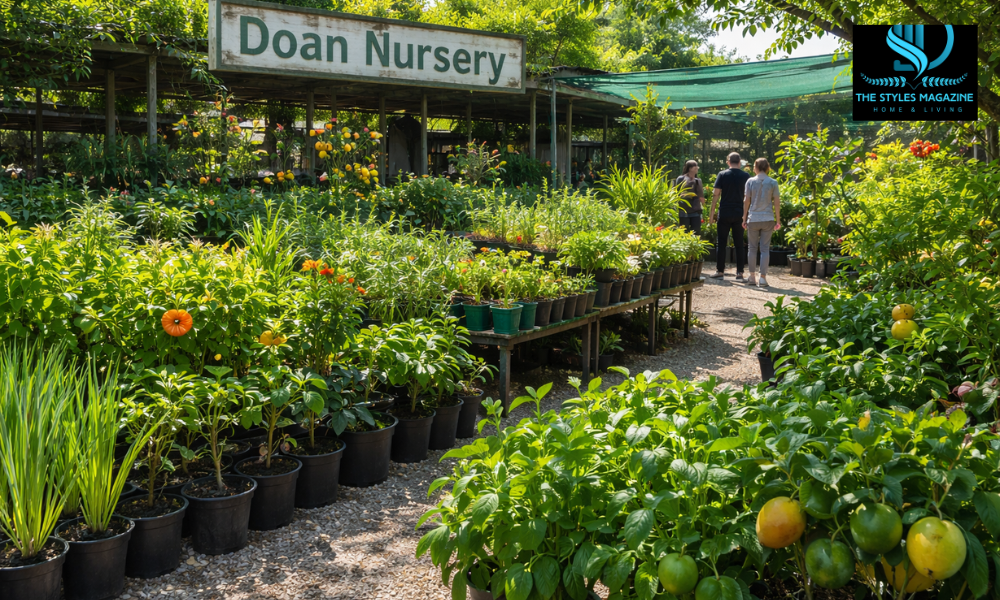
Growing food can be part of almost any garden. Herbs, salad leaves, radishes, beans, tomatoes, peppers, and many other edible plants can be grown in beds or containers when the climate and available space suit them. Beginners usually do better by choosing a few foods they actually eat rather than trying to grow a long list at once.
Place edible crops where they can receive the light they need and where watering is convenient. Keep enough space between plants for healthy growth and easy harvesting. In smaller gardens, containers and raised beds can make it easier to organize crops and replace them as the season changes.
Succession planting can extend harvests by planting a new crop after an earlier one finishes, or by making smaller sowings at intervals where the season allows. The exact timing depends on local temperatures and how long each crop takes to mature. Harvest regularly once crops are ready, and remove declining plants when they are no longer productive so the space can be used well.
Gardening Ideas for Small and Large Spaces
A useful garden does not have to be large. On a balcony, several containers can be grouped by light and watering needs. Taller plants can sit behind shorter ones, while suitable climbers can use a trellis or other vertical support. This makes better use of limited floor space without overcrowding roots.
In larger gardens, pathways make beds easier to reach and reduce the need to step on growing areas. Raised beds can create clear working zones, while borders and grouped pots can give the space structure. Edible and ornamental plants can also share a garden when they have compatible growing needs.
Good design ideas should solve a practical problem as well as look attractive. Before adding a feature, ask whether it improves access, plant health, food production, shade, privacy, or ease of maintenance. A simpler plan that you can care for is usually more successful than a complicated design that becomes difficult to manage.
Essential Gardening Supplies and Tools
Most beginners need fewer tools than they expect. A hand trowel, a hand fork or cultivator, gloves, a watering can or hose, and a pair of suitable pruning tools can cover many basic jobs. For larger in-ground beds, a spade, garden fork, rake, or hoe may also be useful.
Containers need drainage holes and a growing medium suitable for the plants being grown. Other helpful supplies may include plant labels, ties, stakes, supports, compost, mulch, and fertilizer when required. Choose watering equipment that lets you direct water near the base of plants without making routine care difficult.
Extra tools are optional. Moisture meters, automatic irrigation systems, specialized weeders, and large tool sets may be useful in particular situations, but they are not essential for everyone. Buy tools for jobs you actually perform, choose comfortable handles, and favor durable items that can be cleaned and reused.
Keep Plants Healthy Through Regular Garden Care
Regular observation is one of the most useful habits a grower can develop. Walk through the garden often and look at leaves, stems, flowers, soil, and new growth. Early changes are easier to deal with than severe damage. Pull young weeds before they become established and compete strongly with wanted plants.
When you see holes, spots, wilting, discoloration, or distorted growth, identify the likely cause before reaching for a treatment. Insects are not automatically pests, and plant problems can come from weather, watering, nutrient imbalance, physical damage, or disease. Proper spacing, cleaner growing areas, and watering near the root zone can help reduce conditions that favor some diseases.
Pruning, staking, deadheading, or pinching may be useful depending on the plant. Remove clearly diseased or badly damaged material when appropriate and clean tools when there is a risk of spreading a problem. If a plant repeatedly fails because the site does not meet its needs, replacing it with a better-suited plant can be more practical than constant intervention.
Seasonal Gardening and Year-Round Maintenance
Garden work changes through the year, and local seasons should guide your timing. Before the main planting period, clear problem weeds, prepare beds, check containers, repair supports, and review what you want to grow. Plant only when conditions are suitable for the species involved.
During active growth, focus on watering when needed, weeding, feeding when justified, supporting plants, checking for pests or disease, and harvesting edible crops. Remove spent annuals and unhealthy plant material as the season moves on, but remember that some plants and garden wildlife benefit from stems or seed heads being left in place for part of the dormant period.
In colder climates, tender container plants and exposed roots may need protection. In warmer climates, heat and dry periods may be the bigger seasonal challenge. Keep short notes on planting dates, successful varieties, pest problems, and watering patterns. Those records can make next year’s choices more accurate. Container plants are particularly exposed to seasonal temperature and moisture changes because their roots are less insulated than roots in the ground.
Gardening for Beginners: Mistakes, Useful Terms, and Reliable Learning
Common beginner mistakes include watering on a rigid schedule, choosing plants before checking the site, planting too closely, and starting with more space than can be maintained. A manageable first garden gives you time to notice what works and make changes without turning routine care into a burden.
A few common terms also make plant-care advice easier to understand. “Green thumb” is casual slang for someone who seems naturally good at growing plants. “Leggy” describes stretched, weak-looking growth with long spaces between leaves, often linked with insufficient light. “Deadheading” means removing spent flowers, while “bolting” describes a plant shifting rapidly toward flower and seed production, a common concern with some leafy crops.
Gardening slang is useful in conversation, but it should not replace clear plant-care instructions. The same applies to YouTube videos about plant growing. Video can be excellent for learning visual tasks such as pruning, sowing, transplanting, or building a simple support, but advice from one climate or garden may not transfer directly to another. For decisions involving planting dates, soil problems, diseases, or local pests, use reputable horticultural organizations, university or extension-style services, and knowledgeable local specialists.
Conclusion
A healthy garden begins with matching plants to the conditions you can actually provide. Soil, sunlight, water, temperature, space, and regular care all matter, but success does not require perfection. The most useful skill is learning to observe your plants and respond to what is happening rather than following a fixed routine without question.
Start at a scale you can manage, choose plants suited to your space, and build your knowledge one season at a time. Some plants will thrive, others may struggle, and each result teaches you something useful. With consistent care and a willingness to adjust, gardening becomes less about guesswork and more about understanding how your particular growing space works.
FAQs
What Is The Easiest Way To Start Gardening?
Start with a small, manageable growing area and a few plants suited to your local conditions. Learning to manage sunlight, watering, soil, and plant spacing is more useful than creating a large garden immediately.
How Often Should Garden Plants Be Watered?
There is no universal watering schedule. Water needs change with weather, soil, plant type, growth stage, and container size, so checking moisture around the root area is usually more reliable.
Can I Start Gardening Without A Backyard?
Yes. Containers can support many herbs, vegetables, flowers, shrubs, and other plants, making gardening possible on patios, balconies, doorsteps, and other small spaces.
What Gardening Supplies Does A Beginner Need?
Most beginners can start with basic items such as gloves, a hand trowel, watering equipment, suitable soil or growing medium, containers when needed, and pruning tools for plants that require trimming.
What Is The Most Common Gardening Mistake For Beginners?
A common problem is caring for every plant in the same way. Different plants have different requirements, so matching plants to their light, moisture, soil, space, and seasonal needs is important.
Enjoyed it? Find more exclusive content on The Styles Magazine.
Disclaimer: The gardening information in this article is provided for general educational purposes. Plant requirements, growing seasons, watering needs, pests, soil conditions, and suitable gardening methods can vary considerably by climate, location, and plant variety. Always follow plant-specific instructions and consult a reputable local horticultural or gardening service when dealing with serious plant diseases, pests, soil problems, or conditions specific to your region.