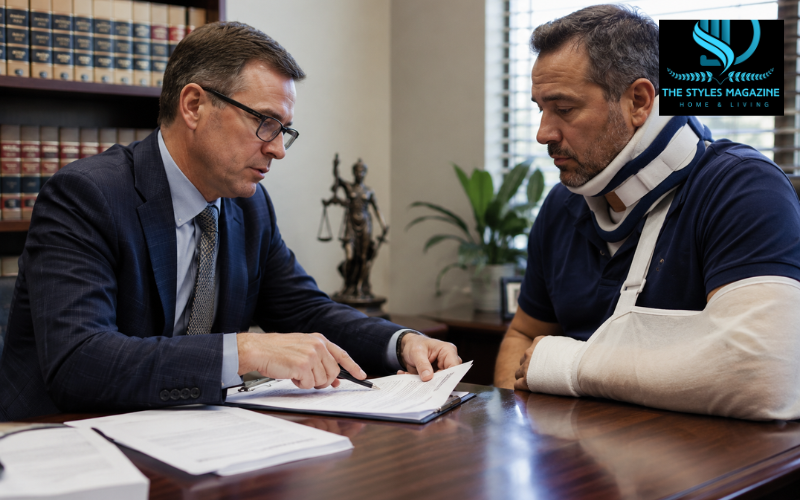
A serious work injury can change more than a person’s daily routine. It can shake their confidence, disrupt their income, and leave them wondering whether they will ever feel useful, capable, or secure again. Recovery is not always just about healing the body. Sometimes, the bigger challenge is figuring out what work looks like after the injury.
That is where vocational rehabilitation can make a real difference. It gives injured workers practical support as they adjust to new limits, explore new job options, and rebuild a career path that still feels meaningful. When people search for guidance, they may come across resources connected to liberty bell workers compensation of allentown, pa reviews, but the most important thing is understanding how this process can help someone move forward with more clarity and less fear.
A Fresh Start After A Difficult Setback
Vocational rehabilitation is designed to help injured workers return to suitable employment when they cannot simply go back to their old job in the same way. It is not about rushing someone back before they are ready. It is about finding a realistic path that respects their medical condition, work experience, skills, and long-term earning potential.
For many workers, the emotional side of this process is just as important as the practical side. A person who spent years doing physically demanding work may feel lost if their body can no longer handle the same tasks. Vocational support helps turn that uncertainty into a plan. Instead of focusing only on what the worker can no longer do, it looks closely at what they can still do and how those strengths can be used in a new or modified role.
Understanding What The Worker Can Safely Do
The first major step in vocational rehabilitation is usually an assessment. This helps identify the worker’s physical restrictions, education, job history, transferable skills, and career interests. It can also reveal whether the worker may return to their previous position with changes or whether a new direction is needed.
This part matters because guessing can lead to poor outcomes. A worker may try to return too soon and reinjure themselves. An employer may assume the worker cannot contribute anymore. A rehabilitation specialist helps bring structure to the conversation, using medical guidance and job-related information to create a safer, more realistic plan. The goal is not just employment. The goal is work that the person can actually sustain.
Turning Old Skills Into New Opportunities
One of the most encouraging parts of vocational rehabilitation is discovering that a career is rarely built on one job title alone. A worker may have developed communication skills, problem-solving ability, leadership habits, customer service experience, technical knowledge, or strong attention to detail without even realizing how valuable those qualities are.
The utility of transferable skills is significant in this transition. An individual restricted from strenuous physical labor often retains deep knowledge of safety protocols, equipment management, scheduling, client relations, or team leadership. Professional guidance can help pivot these competencies toward roles in administration, supervision, dispatch, or technical inspection. Because navigating a workers’ compensation claim involves substantial legal and logistical pressure, many individuals also consult with California Workers’ Compensation Lawyers to help clarify their career trajectory.
The shift can feel intimidating at first. Many people tie their identity to the work they have always done. Vocational rehabilitation helps separate the person’s value from the injury. It shows that a career can change shape without disappearing.
Training That Makes The Next Chapter Possible
Vocational rehabilitation may include training when a worker needs new skills to qualify for suitable employment. This does not always mean years of schooling. Sometimes it may involve a short certification, computer training, job readiness coaching, resume development, interview preparation, or learning how to use adaptive tools.
The best training plans are practical and tied to real job opportunities. They should account for the worker’s physical limits, schedule, learning style, and realistic earning goals. For example, a person who cannot stand for long periods may need a role with seated work. Someone with lifting restrictions may need training that moves them toward coordination, communication, or office-based responsibilities.
Good training also rebuilds confidence. After an injury, workers may worry that employers will overlook them or that they are starting over too late. Learning new skills can remind them that they are still capable of growth. That confidence often becomes one of the most important parts of returning to the workforce.
Job Placement Support That Reduces The Guesswork
Looking for work after an injury can be stressful. The worker may need to explain restrictions, search for suitable roles, update an outdated resume, or prepare for interviews after a long absence. Vocational rehabilitation can make the job search feel less overwhelming by offering guidance throughout the process.
A rehabilitation specialist may help identify roles that match the worker’s abilities, prepare applications, connect with potential employers, and practice interview answers. They may also help the worker understand how to discuss limitations without making the injury the entire focus of the conversation. That balance is important. Workers deserve to be honest about what they need while still presenting themselves as capable, dependable candidates.
In some cases, the goal may be to return to the same employer in a modified role. This can involve adjusted duties, lighter physical demands, changed schedules, ergonomic tools, or a gradual return-to-work plan. When handled well, this approach can preserve the worker’s experience while reducing the risk of another injury.
Protecting Dignity During The Return-to-work Process
Vocational rehabilitation is not just a set of career services. At its best, it protects a worker’s dignity. It recognizes that being injured can make a person feel powerless, especially when medical appointments, paperwork, financial pressure, and job uncertainty all pile up at once.
A strong rehabilitation plan gives the worker a voice. Their goals, concerns, and lived experiences should matter. The process should not push them into unsuitable work simply to close a file or reduce costs. It should focus on a stable future that makes sense medically, financially, and personally.
Workers should also pay attention to whether the proposed plan feels realistic. If a job requires tasks that conflict with medical restrictions, the worker may need further clarification. If training is recommended, it should connect to actual employment prospects. If the worker feels pressured or confused, asking questions is not being difficult. It is part of protecting their future.
Rebuilding A Career Takes More Than A Job Offer
Returning to work after an injury is rarely a single moment. It is a process of rebuilding trust in the body, adjusting expectations, learning new routines, and sometimes accepting a different version of success. Vocational rehabilitation can support that transition by offering structure, encouragement, and practical tools.
For some injured workers, the outcome may be a modified version of the job they already know. For others, it may be a new field, new training, or a role they never expected to enjoy. Either way, the purpose is the same: helping the worker move from uncertainty toward stability.
A work injury may close one door, but it does not have to end a career. With thoughtful vocational rehabilitation, injured workers can rediscover their strengths, build new skills, and create a future that still feels productive, respected, and worth looking forward to.
Enjoyed it? Find more exclusive content on The Styles Magazine.