If you have ever shopped for furniture online or in a showroom, you may have come across the term “contract grade” and wondered what it actually means. In simple words, contract grade refers to products—especially furniture and fabrics—that are designed and built for heavy, everyday use in commercial spaces like hotels, offices, restaurants, and public areas.
You will often see this label on sofas, couches, chairs, and even upholstery fabrics. Many people search for what does contract grade mean because they want to know whether it is worth paying extra for, especially when choosing furniture for their home.
At first glance, contract-grade furniture can look very similar to regular residential pieces. However, the difference lies in how it is built, tested, and designed to perform over time. While home furniture is made for occasional use, contract-grade items are created to handle constant use by many people every day.
In this guide, you will learn what contract grade really means, how it differs from standard furniture, and whether it is a smart choice for your home.
Contract Grade vs Residential Furniture
| Feature | Residential Furniture | Contract Grade Furniture |
| Usage | Light home use | Heavy daily commercial use |
| Durability | Moderate | High and long-lasting |
| Materials | Basic wood, standard foam | Hardwood, metal, high-density foam |
| Safety Standards | Basic testing | Strict safety & fire regulations |
| Fabric Strength | Low to medium | High abrasion resistance |
| Lifespan | Few years | 10+ years with proper care |
| Cost | Lower upfront | Higher upfront, better long-term |
What Contract Grade Really Means in Everyday Terms
In everyday language, contract grade simply means “built for heavy use.” It is a label used for furniture and materials that meet higher standards of strength, safety, and durability.
These products are commonly used in places where furniture is used almost nonstop. Think about hotel lobbies, busy restaurants, airport waiting areas, or office spaces. In these environments, furniture is used by hundreds of people daily, so it must be strong enough to handle wear and tear without breaking down quickly.
Because of this, contract-grade items are designed with durability as the top priority. They are tested to make sure they can handle repeated use, weight, and movement without losing their shape or structure. Safety is also a major factor. Many contract-grade products must meet strict fire and stability standards, which are not always required for regular home furniture.
So, when you see the term contract grade, it means the product has been made to perform reliably in demanding, high-traffic environments.
How Contract Grade Furniture Is Built Differently
One of the main reasons contract-grade furniture lasts longer is the way it is built. The construction process focuses on strength and long-term use rather than just appearance.
Contract-grade furniture often uses stronger materials such as solid hardwood or metal frames. These materials provide a stable base that can support more weight and resist damage over time. The joints and connections are also reinforced, which helps prevent wobbling or loosening after repeated use.
Another key difference is in the overall design. Contract-grade pieces are made to handle daily stress, such as people sitting down frequently, moving the furniture around, or placing heavy items on it. This means the structure is more solid and less likely to weaken over time.
While residential furniture may focus more on style and comfort, contract-grade furniture is built with performance in mind. It is designed to stay functional and stable even after years of heavy use.
Contract Grade vs Residential Furniture: The Real Difference
Understanding the difference between contract grade and residential furniture can help you make better buying decisions.
The biggest difference is usage. Residential furniture is made for home environments, where only a few people use it regularly. Contract-grade furniture, on the other hand, is built for commercial spaces where many people use it every day.
Durability is another key factor. Residential furniture often uses lighter materials and simpler construction methods. This makes it more affordable but also less durable over time. Contract-grade furniture uses stronger materials and reinforced designs, allowing it to last much longer.
Safety is also handled differently. Contract-grade products usually go through stricter testing for fire resistance, stability, and weight capacity. Residential furniture may meet basic safety requirements, but it is not always tested to the same level.
Even though both types of furniture can look similar, their performance is very different. Contract-grade furniture is designed to handle pressure and constant use, while residential furniture is meant for comfort and lighter use.
Understanding Contract Grade in Sofas and Couches
When people ask what does contract grade mean sofa or what does contract grade mean couch, they are usually trying to understand how this label affects comfort and durability.
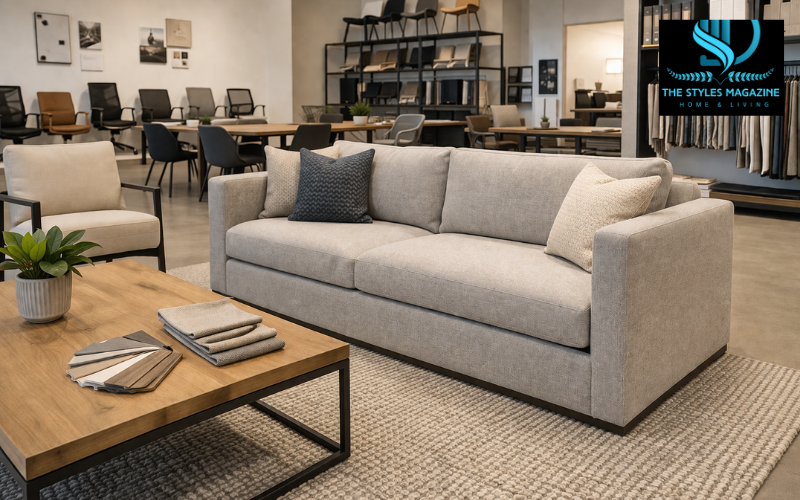
In sofas and couches, contract grade means the piece has been built to handle frequent use without losing its shape or support. The frame is typically stronger, often made from hardwood or metal, and designed to stay stable over time.
The cushioning is also different. Contract-grade sofas often use high-density foam, which may feel slightly firmer than standard home cushions. This type of foam keeps its shape longer and does not sag easily, even after years of use.
Fabric quality is another important factor. Contract-grade couches use durable fabrics that resist wear, stains, and fading. This makes them a good choice for busy homes as well as commercial spaces.
Many furniture stores now label sofas and couches as contract grade to show that they meet higher standards. This helps buyers understand that they are investing in something more durable than a typical home sofa.
Fabric Strength and Durability Standards Explained
One of the most important parts of contract-grade furniture is the fabric. These fabrics are tested to make sure they can handle repeated use without wearing out.
A common way to measure fabric durability is through abrasion tests, often referred to as “double rubs.” This test checks how many times a fabric can be rubbed before it starts to show signs of wear. Contract-grade fabrics usually have very high ratings, often in the range of 30,000 to 50,000 rubs or more.
This high level of durability means the fabric can handle daily use without tearing, fading, or thinning quickly. It also makes the furniture easier to maintain over time.
Another advantage is stain resistance. Many contract-grade fabrics are treated to resist spills and stains, which is especially useful in busy environments. Cleaning is usually easier, and the fabric keeps its appearance for longer.
Because of these qualities, contract-grade fabrics are often chosen for both commercial and residential use where durability is important.
Safety and Certification Standards Behind Contract Grade Products
Contract-grade furniture is not just about durability; it also meets certain safety and environmental standards.
Many products are tested by recognized organizations to ensure they meet specific requirements. For example, some standards focus on structural strength and stability, making sure the furniture can support weight safely. Others focus on materials and emissions, ensuring that the product is safe for indoor use.
Fire safety is another important area. Contract-grade furniture often meets stricter fire resistance standards, which are especially important in public spaces like hotels and offices.
These certifications help ensure that the furniture is reliable, safe, and suitable for high-use environments. While not every product will have the same certifications, the presence of these standards is a strong indicator of quality.
What Contract Grade Means on Brands Like Pottery Barn and West Elm
If you have seen labels like what does contract grade mean on Pottery Barn or West Elm, you may be wondering how this applies to everyday shopping.
Many well-known furniture brands now offer contract-grade options for residential customers. This means they take their standard designs and upgrade them to meet higher durability and safety standards.
For buyers, this offers a useful choice. You can get furniture that looks stylish and fits your home while also benefiting from stronger construction and longer lifespan.
The main difference between standard and contract collections is in the materials and testing. Contract-grade versions are built to last longer and handle more use, while standard versions may focus more on comfort and cost.
This option has become popular because it gives homeowners access to commercial-level quality without sacrificing design.
Is Contract-Grade Furniture Better for Home Use?
A common question is is contract-grade furniture better for everyday home use. The answer depends on your needs.
For many households, contract-grade furniture can be a smart investment. It is especially useful in homes with children, pets, or high daily activity. In these situations, furniture is used more often and can wear out quickly, so durability becomes more important.
Contract-grade pieces are also a good choice for items that get frequent use, such as dining chairs, sofas, and lounge seating. They tend to last longer and require less maintenance over time.
However, it may not always be necessary for every situation. If you are furnishing a space that is used occasionally, standard residential furniture may be enough. Contract-grade furniture can sometimes feel firmer, and it usually comes at a higher price.
The key is to balance durability with comfort and budget based on how you plan to use the furniture.
Pros and Cons of Choosing Contract Grade Furniture
Choosing contract-grade furniture has both advantages and drawbacks, and understanding these can help you decide if it is the right option.
One of the biggest benefits is durability. Contract-grade furniture is built to last, often for many years, even with heavy use. This makes it a good long-term investment.
Maintenance is another advantage. The materials used are often easier to clean and more resistant to stains and damage, which helps keep the furniture looking new for longer.
On the other hand, the upfront cost is usually higher compared to standard furniture. While you may save money over time due to its durability, the initial investment can be a concern for some buyers.
Comfort can also be slightly different. Because contract-grade furniture uses denser materials, it may feel firmer than typical home furniture. Some people prefer this, while others may find it less comfortable.
Overall, the decision depends on your priorities and how you plan to use the furniture.
How to Tell If Furniture Is Truly Contract Grade
When shopping for furniture, it is important to know how to identify true contract-grade products.
Start by checking the product description. Many brands clearly label items as contract grade and provide details about the materials and construction. Look for mentions of stronger frames, high-density foam, and durable fabrics.
Certifications can also be a helpful indicator. Products that meet recognized standards for safety and performance are more likely to be genuine contract-grade items.
It is also important to be aware of marketing terms. Some products may use phrases that sound similar to contract grade without actually meeting the same standards. Reading the details carefully can help you avoid confusion.
Taking the time to research and understand these factors will help you make a more informed purchase.
Conclusion
So, what does contract grade mean? In simple terms, it refers to furniture and materials that are built to handle heavy use, meet higher safety standards, and last longer than typical residential options.
While it is commonly used in commercial settings, contract-grade furniture has become a popular choice for homes as well. It offers durability, reliability, and peace of mind, especially in busy households.
However, it is not always necessary for every situation. The best choice depends on how you plan to use your furniture and what matters most to you—whether it is comfort, cost, or long-term value.
By understanding what contract grade really means, you can make smarter decisions and choose furniture that fits both your lifestyle and your expectations.
FAQs
What Does Contract Grade Mean In Furniture?
Contract grade furniture is built for heavy use in places like hotels and offices. It is stronger, safer, and more durable than regular home furniture, making it last longer.
What Does Contract Grade Mean Sofa Or Couch?
A contract-grade sofa or couch is made with stronger frames, high-density foam, and durable fabric. It resists sagging and wear, making it ideal for high-use areas.
Is Contract-grade Furniture Better For Home Use?
Yes, especially for busy homes. It lasts longer, handles daily use well, and requires less maintenance, though it may cost more and feel slightly firmer than regular furniture.
What Does Contract Grade Mean On Pottery Barn Or West Elm?
It means the furniture meets higher durability and safety standards. These pieces are upgraded versions designed for both commercial and long-term home use.
Why Is Contract-grade Furniture More Expensive?
It uses better materials, stronger construction, and passes strict testing. The higher cost reflects durability, safety, and longer lifespan compared to standard furniture.
Enjoyed it? Find more exclusive content on The Styles Magazine.
Disclaimer: This article is for informational purposes only. Product quality and standards may vary by brand, so always check specific product details and certifications before making a purchase decision.