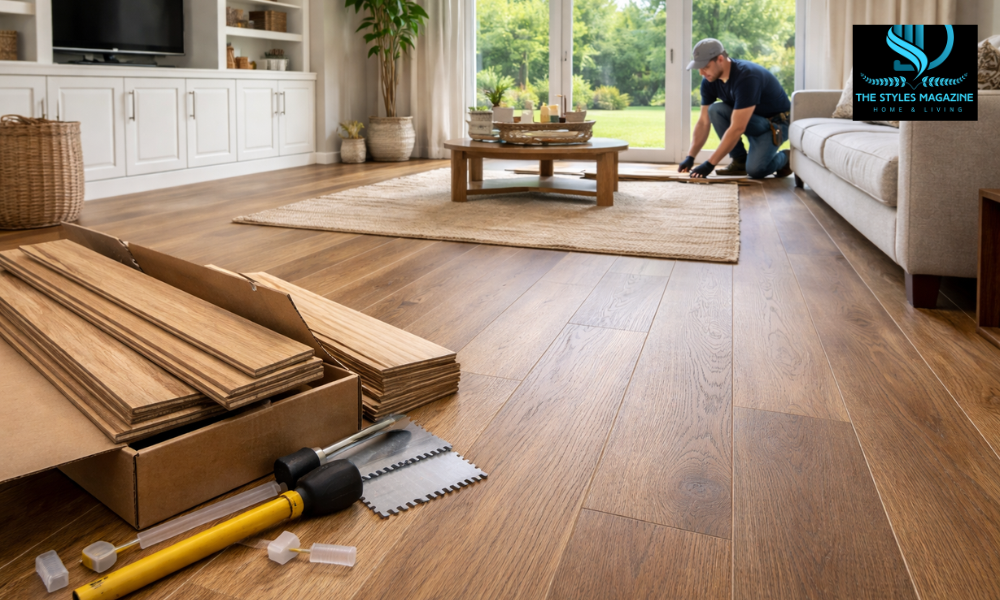
You’re probably used to radiators, those bulky panels taking up wall space. But imagine a home where warmth rises gently from the floor, enveloping your rooms in consistent comfort. It’s a game-changer for UK homes, offering more than just heat. Let’s explore why underfloor heating might be the smart upgrade you hadn’t fully considered.
Why It’s Honestly The Best Feeling For Your Feet
Imagine stepping out of bed on a chilly winter morning, not onto a cold floor, but onto a surface that’s gently warm. That’s the daily luxury underfloor heating offers you – a subtle, all-encompassing warmth right where you feel it most, from the ground up. It’s a truly comforting sensation.
Saying Goodbye To Those Annoying Cold Spots
You know those drafts and cold pockets radiators often leave? Underfloor heating eliminates them entirely. It creates an even temperature distribution across your entire room, so you won’t find yourself seeking out the warmest corner anymore. Every spot becomes comfortable.
How The Heat Actually Spreads Around The Room
The system works by radiating heat upwards from the entire floor surface. This means the warmth isn’t concentrated in one area, as it is with a radiator. Instead, it rises evenly, blanketing the whole space in a gentle, consistent heat.
This radiant heat then warms objects and people directly, not just the air. It’s a bit like the sun warming your skin, rather than a blast of hot air from a hairdryer. This method feels much more natural and less stuffy than traditional convection heating, leading to a more pleasant indoor climate overall.
Freeing Up Your Walls – The Real Deal On Space
Why You Don’t Need Those Bulky Radiators Anymore
Imagine your rooms without those clunky metal boxes taking up valuable wall space. You won’t have to plan furniture around them, and those awkward gaps they create? Gone. It’s a clean, uninterrupted look that instantly makes a room feel bigger and much more open.
Getting Creative With Your Furniture Layout
This is where underfloor heating truly shines for interior design. You’re no longer restricted by where the radiators are, meaning you can place sofas, bookshelves, or even dining tables exactly where you want them, not where the heating dictates.
Think about that bay window you’ve always wanted to turn into a cosy reading nook, but a radiator always got in the way. Or perhaps you’d love a long, uninterrupted wall for a gallery display. With underfloor heating, these design dreams become entirely achievable, giving you complete freedom to arrange your living space in a way that truly reflects your style and needs.
Will This Actually Save You Money On Bills?
You’re probably wondering if underfloor heating is just a luxury or if it actually makes a dent in those ever-increasing energy bills. The good news is, for many UK homes, it really can. It’s all about how efficiently it operates and how you manage it.
Running Things At A Lower Temperature
Think about it: radiators need to get seriously hot to warm a room. Underfloor heating, however, spreads warmth across the entire floor surface, meaning you can set your thermostat several degrees lower – often 2-3°C – and still feel just as toasty.
| Traditional Radiators | Underfloor Heating |
| Require higher water temperatures to heat a room effectively. | Operates efficiently at lower water temperatures (e.g., 35-50°C). |
| Heat rises quickly, leaving cooler spots near the floor. | Provides an even, radiant warmth from the floor upwards. |
Why Smart Controls Are A Total Game Changer
This is where the real savings kick in. Modern smart thermostats for underfloor heating aren’t just fancy gadgets; they’re intelligent systems designed to optimise your energy use. You can program your heating to come on only when and where you need it, perhaps warming the kitchen for breakfast and then switching off until you’re back home in the evening. Some systems even learn your habits over time, adjusting automatically to ensure maximum comfort with minimum waste, giving you precise control over your energy consumption.
The Truth About Dust And Your Allergies
You know that constant battle with dust, don’t you? It’s often worse than you think. Traditional radiators create convection currents, circulating dust mites, pet dander, and pollen right into your breathing space. This can seriously aggravate allergies and asthma.
Keeping The Air Much Cleaner For Everyone
Underfloor heating works differently. It provides radiant heat, so there are no strong air currents kicking up all that irritating dust. This means fewer allergens floating around, making your home a much healthier environment, especially for those with respiratory issues.
Why It’s Way Easier To Keep The House Tidy
Imagine not having those dusty radiator fins to clean anymore. It’s a game-changer! You’ll find yourself spending less time on chores and more time enjoying your pristine home.
Without radiators taking up wall space, you’ve got fewer nooks and crannies for dust bunnies to gather. Cleaning becomes a simple sweep or vacuum across an unobstructed floor, which genuinely simplifies your weekly routine. And let’s be honest, who doesn’t want less cleaning to do?
What’s The Catch With Different Floor Types?
You’re probably wondering if your existing flooring will play nice with underfloor heating. It’s a fair question, as not all materials conduct and retain heat in the same way. Different floor coverings have varying thermal resistances, which means some will be more efficient than others. Assume that the type of floor you have dictates the system’s responsiveness and overall running cost.
- Thermal Conductivity
- Heat-Up Time
- Efficiency Levels
- System Compatibility
- Installation Considerations
| Floor Type | Compatibility & Considerations |
| Tiles & Stone | Excellent thermal conductivity; heats up quickly and retains heat well. An ideal choice. |
| Engineered Wood | Good compatibility, but you’ll need a system designed for lower temperatures to prevent warping. |
| Laminate | Generally compatible, but check the manufacturer’s guidelines for maximum temperature limits. |
| Carpet | Can work, but needs a low tog rating (under 2.5) to allow heat to pass through effectively. |
| Vinyl | Most vinyl is suitable, but always confirm with the product’ specifications for temperature resistance. |
Why Tile And Stone Are A Perfect Match
These materials really shine with underfloor heating. Stone and ceramic tiles are fantastic conductors, meaning they transfer heat quickly and hold onto it for ages. Your system won’t have to work as hard, making it super efficient and giving you that lovely, consistent warmth.
Making It Work With Wood Or Carpet
You can absolutely pair underfloor heating with wood or carpet, but there are a few extra things to consider. Wood, especially solid wood, can expand and contract with temperature changes. Carpets, on the other hand, act as an insulator, which can block some of that lovely warmth from getting into your room.
For wooden floors, engineered wood is generally preferred over solid wood because it’s more stable and less prone to warping. You’ll also need a system that operates at a lower flow temperature to protect the timber. With carpets, the key is the tog rating – you’ll want one that’s relatively low, usually under 2.5, so the heat can easily pass through and warm your space effectively.
Is It A Nightmare To Install? My Take On The Setup
You might picture builders tearing up your entire home, but it’s not quite that dramatic. Yes, there’s a bit of disruption during installation, especially if you’re retrofitting, but a good installer makes all the difference. Think of it as a significant home improvement that pays off in comfort and aesthetics for years to come.
Choosing Between Electric And Water Systems
Your choice here often boils down to project scope. Electric systems are simpler for a single room, like a bathroom renovation, since they’re thin mats laid under the flooring. Water-based systems, however, are usually better for whole-house heating, integrating with your boiler.
Why It’s Basically Maintenance-free Once It’s In
Once your underfloor heating is installed and commissioned, you really don’t need to do much. There are no radiators to bleed, no exposed pipework to check for leaks, and no filters to clean. It’s a ‘fit and forget’ solution.
The components are designed to last for decades, often exceeding the lifespan of traditional boiler systems themselves. You’re talking about pipes or electric mats sealed beneath your floor, protected from everyday wear and tear. This means fewer call-outs for repairs and a lot less hassle than constantly tending to a conventional heating system.
Summing up
You’re clearly looking for a heating solution that offers comfort, efficiency, and a touch of modern living for your UK home. Underfloor heating delivers on all these fronts, giving you consistent warmth, more usable wall space, and potentially lower energy bills. It’s a smart upgrade worth serious consideration.
Enjoyed it? Find more exclusive content on The Styles Magazine.