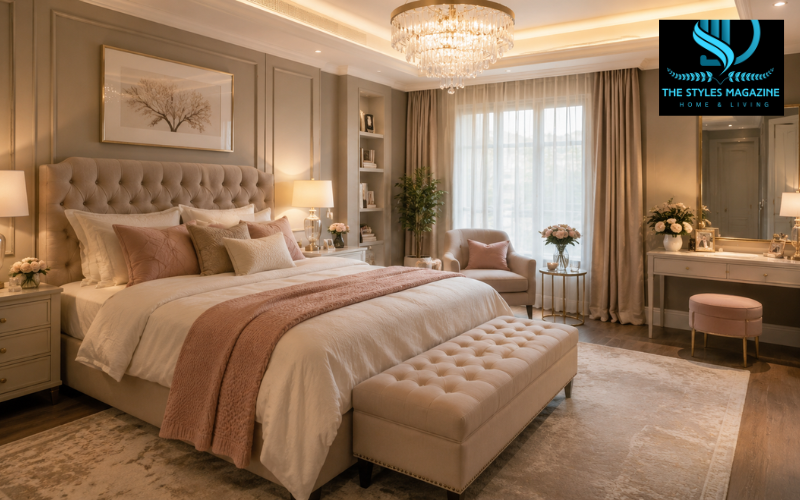
A wifes bedroom should feel like more than a place to sleep. It should be a comfortable and personal space where she can rest, get ready, read, relax, and enjoy a little quiet time. The best bedroom design is not based only on what looks attractive in photographs. It should reflect her personality, daily routine, comfort needs, and preferred style.
When planning a wifes bedroom, several design elements need to work together. The colors should create the right mood, the furniture should fit the room, and the lighting should support different activities. Soft bedding, practical storage, curtains, rugs, artwork, and personal items can then bring warmth and character to the space.
A thoughtful bedroom does not need to be large or expensive. Even small changes, such as adding warmer lighting, improving the bedding, or creating an organized vanity area, can make a noticeable difference. The following ideas can help turn an ordinary bedroom into a peaceful retreat that feels beautiful, practical, and truly personal.
Quick Guide to Designing a Wife’s Bedroom
| Design Area | Best Approach | Why It Matters |
| Color palette | Use one main shade, a neutral base, and subtle accents | Creates a calm and coordinated appearance |
| Bed area | Add a comfortable headboard, layered bedding, and balanced bedside tables | Makes the bed a practical focal point |
| Lighting | Combine ceiling, bedside, vanity, and accent lighting | Supports relaxation and everyday activities |
| Vanity | Include a clear mirror, comfortable seat, and organized storage | Creates a useful area for personal care |
| Storage | Use wardrobes, under-bed boxes, drawers, and storage benches | Keeps clutter hidden and the room peaceful |
| Relaxation area | Add a chair, lamp, cushion, or compact window seat | Provides space for reading and quiet time |
| Personal décor | Display selected photographs, artwork, books, or flowers | Makes the bedroom feel meaningful and unique |
Helpful Bedroom Essentials
- Comfortable and breathable bedding
- Warm, adjustable bedside lighting
- Curtains that provide privacy and light control
- Practical storage for clothing and personal items
- A mirror or well-lit vanity area
- A soft rug beside or underneath the bed
- A few meaningful decorations rather than excessive accessories
Begin With Her Style, Comfort, and Everyday Needs
Before buying furniture or choosing paint, think about the person who will use the room. Ask what colors she enjoys, which materials feel comfortable, and whether she prefers modern simplicity, traditional elegance, romantic details, or a mix of styles. Designing around her real preferences will create a more meaningful result than following a general idea of what a feminine bedroom should look like.
It is also important to consider how she uses the room. She may need a quiet place for reading, a well-lit area for makeup, additional clothing storage, or a small desk for occasional work. Understanding these daily needs makes it easier to decide which features deserve the most space.
Room size and budget should also guide the plan. Measure the walls, windows, doors, and existing furniture before making changes. Decide which items can remain and which ones need replacing. A realistic plan prevents unnecessary spending and helps create a bedroom that feels comfortable rather than overcrowded.
Choosing the Right Style for a Wife’s Bedroom
There is no single correct style for a wife’s bedroom. The right choice depends on her taste and the atmosphere she wants to create.
Romantic glamour works well for someone who enjoys a rich and elegant look. Velvet upholstery, soft pink or beige tones, metallic details, flowing curtains, and a graceful ceiling light can create a boutique-hotel feeling. These features should be used carefully so the room still feels calm and comfortable.
A more classic feminine style may include pastel colors, floral patterns, a tufted headboard, delicate lamps, and mirrored or painted furniture. This approach can feel bright, soft, and timeless when patterns are balanced with plain surfaces.
For a modern bedroom, warm neutrals, natural fabrics, simple furniture, and wood accents can create a peaceful and uncluttered space. Cream, taupe, soft grey, and warm white often work well with clean lines and subtle textures.
Different styles can also be combined. For example, a modern wooden bed can be softened with velvet cushions, while a classic vanity can work in a neutral room. Repeating a few colors and materials will help the mixture feel intentional.
Building a Calm and Cohesive Color Palette
Color affects how a bedroom feels throughout the day. A calm color palette can make the room appear more restful, organized, and welcoming. Instead of using many unrelated shades, begin with one main color, one supporting neutral, and a few smaller accent colors.
Warm beige, cream, taupe, and soft grey create a flexible base. Blush, dusty rose, sage green, muted blue, or gentle lavender can then add personality without overpowering the room. Deeper shades, such as dark green, navy, chocolate brown, or charcoal, can be introduced through cushions, artwork, or a single piece of furniture.
Feminine colors do not have to make the room look childish. Soft pink, for example, can feel mature when paired with warm wood, cream fabrics, black details, or brushed metal. Floral colors can also be balanced with plain bedding and simple furniture.
Always test paint and fabric samples in the actual bedroom. A color may appear different in daylight, evening light, and artificial lighting. Looking at samples at several times of day can prevent an expensive mistake.
Planning a Comfortable and Practical Bedroom Layout
A good layout supports movement, comfort, and everyday activities. In most bedrooms, the bed is the largest item and should be positioned first. When possible, place it against a solid wall where it feels visually balanced and can be reached easily from both sides.
Walking paths should remain clear. Avoid placing large furniture near doors, narrow passages, or areas where drawers need to open. A beautiful bedroom can quickly become frustrating when it is difficult to move around.
In a small wifes bedroom, choose furniture that serves more than one purpose. A storage bed, wall-mounted bedside shelves, or a narrow vanity can save valuable floor space. Medium-sized bedrooms may have enough room for a chair, bench, or larger dresser. A spacious bedroom can be divided into separate zones for sleeping, dressing, reading, and storage.
The layout should also respond to natural light. A vanity may work best near a window, while a reading chair should have access to both daylight and a nearby lamp. Thoughtful placement makes the room easier to use without adding more furniture.
Making the Bed an Elegant Focal Point
The bed is usually the first feature people notice, so it should guide the overall design. A well-chosen headboard can give the room structure and create a clear focal point. Upholstered headboards feel soft and comfortable, wooden designs bring warmth, and simple panelled styles create a clean, modern appearance.
Bedside tables should suit the size of the bed and provide enough surface space for a lamp, phone, water, or book. Drawers or shelves can help keep small items out of sight. Matching tables create symmetry, but different pieces can also work when they share a similar color, height, or material.
The wall behind the bed offers another opportunity to add interest. A large artwork, subtle wallpaper, painted wall panels, or full-length curtains can make the bed area feel complete. However, too many decorations can make the focal wall look busy.
Choose one main feature and let it stand out. When the headboard, bedding, lighting, and wall decoration support one another, the bed feels elegant without needing excessive accessories.
Layering Bedding for a Soft, Luxurious Look
Comfortable bedding is one of the most important parts of any bedroom. Start with sheets that feel pleasant against the skin and are easy to wash. Fabric quality matters, but a very high thread count is not always necessary. Breathable cotton, linen, and soft blended fabrics can all provide good comfort.
Add a duvet or comforter that suits the climate and personal sleeping preference. Someone who becomes warm at night may prefer a lighter layer, while a colder room may require a thicker filling. A washable duvet cover can make regular care easier.
Decorative pillows can add color and texture, but they should not take over the bed. Two or three accent cushions are often enough. A folded throw blanket placed across the lower part of the bed can introduce warmth and make the space look more finished.
Mixing materials creates visual depth. Smooth sheets, a quilted cover, a knitted throw, and one velvet cushion can work well together. Keep the colors connected so the bed looks inviting rather than untidy.
Creating a Warm Layered Lighting Plan
A single bright ceiling light is rarely enough for a relaxing bedroom. Layered lighting uses different light sources for different purposes, allowing the room to feel practical during the day and peaceful at night.
A central ceiling fixture can provide general light. This may be a simple pendant, a flush-mounted fitting, or a decorative chandelier, depending on the ceiling height and room style. Bedside lamps offer softer light for reading and evening routines. Wall-mounted lamps can save space on small tables.
Accent lighting may be added behind a headboard, inside a wardrobe, beneath shelving, or near artwork. It should remain subtle and should not shine directly into the eyes. Warm-toned bulbs usually create a softer and more relaxing atmosphere than very cool white light.
Dimmers are useful because they allow the brightness to change throughout the day. Vanity lighting should be clear and balanced, while wardrobe lighting should make clothing easy to see. A layered plan gives the wifes bedroom both comfort and function.
Designing a Dedicated Vanity Station
A vanity area can make the bedroom more organized and enjoyable, especially when makeup, skincare, hair tools, and accessories are used regularly. It does not need to be large. A narrow table, floating shelf, or small desk can become a useful vanity when paired with a mirror and comfortable seat.
Lighting is essential. Place lights on both sides of the mirror when possible, as this reduces strong shadows on the face. A lamp placed only above the mirror may create uneven lighting. Natural daylight is helpful, but the vanity should also work during early mornings and evenings.
Drawers, trays, and small containers can keep products separated and easy to find. Frequently used items should remain within reach, while less-used products can be stored inside drawers. A stool that fits beneath the table will save space when the vanity is not being used.
Electrical outlets should be close enough for hair tools, but cords should not create a safety problem. Heat-producing tools should also have a safe place to cool before storage.
Adding a Cozy Reading or Relaxation Nook
A small relaxation area can make the bedroom feel more like a personal retreat. An unused corner near a window, a space beside the wardrobe, or an area at the foot of the bed may be suitable for a reading nook.
The basic setup can be simple: a comfortable chair, a soft cushion, a small side table, and a lamp. The chair should support the back and fit the available space. A large armchair may feel luxurious in a spacious room, while a compact accent chair works better in a smaller bedroom.
Keep the nook connected to the main design by repeating colors or materials from the bed area. For example, the chair cushion may match the curtains, or the table may use the same wood tone as the bedside furniture.
When floor space is limited, a padded window seat, storage bench, or comfortable corner cushion can provide a place to sit. Even a small dedicated area can encourage reading, reflection, or quiet time.
Smart Storage That Keeps the Bedroom Peaceful
Clutter can make a bedroom feel smaller and less relaxing. Good storage allows everyday belongings to remain accessible without covering every visible surface.
Built-in wardrobes use vertical space effectively and can be designed around clothing, shoes, handbags, and accessories. Freestanding wardrobes are a practical alternative when permanent changes are not possible. Storage boxes beneath the bed can hold seasonal clothing, spare bedding, or items that are not used daily.
An upholstered bench at the foot of the bed can provide seating and hidden storage. Bedside drawers are useful for personal items, chargers, books, and medication. Drawer dividers and small organizers can prevent cosmetics and accessories from becoming mixed together.
Storage should follow daily habits. Items used frequently belong in easy-to-reach places, while occasional items can be stored higher or farther away. Leaving some empty space is also helpful because storage needs often change over time. An organized bedroom feels calmer and is easier to clean.
Curtains, Rugs, and Textures That Add Warmth
Soft furnishings help a bedroom feel comfortable and complete. Curtains provide privacy, control natural light, and soften the appearance of windows. Light-filtering curtains can create an airy daytime look, while blackout curtains may improve sleep by reducing outside light.
A rug adds warmth underfoot and can visually connect the bed with the surrounding furniture. In a large room, a rug may sit beneath most of the bed. In a smaller room, runners placed along the sides can provide comfort without covering the entire floor.
Texture keeps a neutral room from feeling plain. Linen curtains, cotton bedding, a boucle chair, a knitted throw, or a velvet cushion can create variety. However, too many strong textures may make the room look heavy.
Repeat selected materials in different areas. A velvet cushion might connect with an upholstered bench, while warm wood may appear in the headboard, vanity, and picture frames. Repetition helps the design feel balanced and carefully planned.
Personal Details That Make the Bedroom Feel Like Hers
Personal items turn a decorated room into a meaningful space. Photographs, favorite books, artwork, travel objects, flowers, or treasured gifts can all make the bedroom feel connected to her life and memories.
Her interests can guide the smaller details. A person who enjoys reading may appreciate visible books and a comfortable chair. Someone who loves plants may prefer a few easy-care indoor plants near a bright window. Music, fashion, art, or travel interests can be reflected through subtle objects rather than strong themes.
Fragrance can also influence the atmosphere. A lightly scented candle, diffuser, or fresh flowers may create a pleasant experience, although strong scents should be avoided when they disturb sleep or cause sensitivity.
Personal decoration should not cover every surface. A few carefully selected objects often have more impact than a large collection. Leave space for new photographs, changing interests, and future needs so the bedroom can continue to grow with her.
Common Wife’s Bedroom Design Mistakes to Avoid
One of the biggest mistakes is designing around stereotypes instead of personal preference. Not every woman wants pink walls, floral patterns, mirrored furniture, or glamorous decoration. The room should reflect the individual rather than a general idea of femininity.
Using too many colors and patterns can also make the space feel restless. Choose a limited palette and allow some plain areas to balance detailed fabrics or wallpaper. Too many decorative pillows may look attractive for a moment, but they can become inconvenient during everyday use.
Poor lighting is another common problem. A strong overhead light without bedside or task lighting can feel harsh and make evening routines less comfortable. Similarly, a beautiful vanity is not very useful when the mirror area is too dark.
Comfort and function should never be ignored for appearance. Furniture must fit the room, drawers should open properly, and fabrics should be practical to maintain. The most successful wifes bedroom is one that remains attractive while making daily life easier.
Conclusion: A Thoughtfully Designed Bedroom She Can Enjoy Every Day
Creating a comfortable wife’s bedroom is about combining personal style with practical design. Colors, lighting, furniture, bedding, storage, and decoration should work together to support rest and everyday routines. The room should feel peaceful, but it should also provide useful areas for dressing, reading, organizing belongings, or enjoying quiet time.
A meaningful bedroom makeover does not require a large budget. Improving the layout, changing the lighting, adding softer bedding, reducing clutter, or displaying a few personal items can transform the atmosphere. The most important step is understanding what she genuinely likes and needs.
A well-designed bedroom should not feel like a showroom. It should feel lived in, comfortable, and personal. By focusing on her preferences rather than temporary trends, an everyday room can become a welcoming retreat that she enjoys at the beginning and end of every day.
Frequently Asked Questions
What Colors Work Best In A Wife’s Bedroom?
Warm beige, cream, blush, sage, taupe, dusty rose, and soft grey can create a peaceful atmosphere. The best choice should reflect her taste and complement the room’s natural light.
How Can I Make A Wife’s Bedroom Feel Luxurious On A Budget?
Improve the bedding, add warm lamps, hang full-length curtains, organize visible clutter, and introduce one elegant feature, such as an upholstered headboard, textured throw, or attractive bedside mirror.
What Furniture Should A Wife’s Bedroom Include?
The essential furniture usually includes a comfortable bed, bedside table, wardrobe, and suitable lighting. A vanity, dresser, storage bench, or reading chair can be added when space and daily needs allow.
How Do I Decorate A Small Wife’s Bedroom?
Choose compact furniture, use vertical storage, place boxes beneath the bed, and keep the color palette simple. Wall-mounted lights, floating shelves, and a narrow vanity can also save valuable floor space.
Does A Wife’s Bedroom Have To Use Feminine Colors?
No. A wife’s bedroom should reflect her personal preferences rather than traditional stereotypes. Neutral, dark, earthy, colorful, modern, or minimalist designs can all work when they make her feel comfortable.
Enjoyed it? Find more exclusive content on The Styles Magazine.
Disclaimer: This article provides general bedroom design ideas. Room size, budget, personal preferences, and safety needs may vary, so choose furniture, lighting, and décor that suit your individual space.