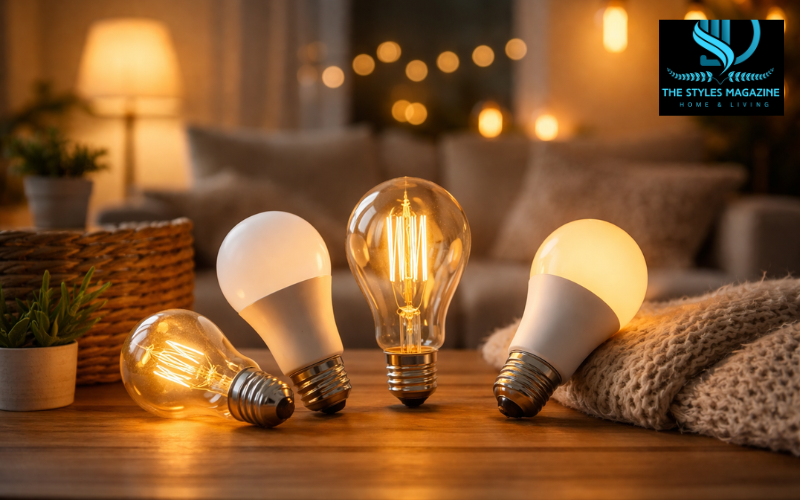
Warm light bulbs are one of the most popular lighting choices for homes today, and for good reason. They create a soft, comfortable glow that makes spaces feel relaxing and inviting. Unlike harsh white lighting, warm light has a gentle yellow tone that feels closer to traditional incandescent bulbs many people grew up with.
In simple terms, “warm light” refers to light that falls within the range of about 2700K to 3000K on the Kelvin scale. The Kelvin scale is used to measure the color of light, not its brightness. Lower numbers mean warmer, more yellow light, while higher numbers produce cooler, bluish tones.
Warm lighting plays an important role in everyday life. It helps set the mood in your home, supports relaxation after a long day, and can even improve sleep by reducing exposure to blue light. Whether you are designing a cozy bedroom or a comfortable living room, the right lighting makes a big difference.
In this guide, you will learn what warm light bulbs are, how they work, and how to choose the best option for every room in your home.
Warm vs Cool Light
| Feature | Warm Light Bulbs | Cool Light Bulbs |
| Color Tone | Yellow / Soft White | White / Bluish |
| Kelvin Range | 2700K – 3000K | 4000K – 6500K |
| Best For | Bedrooms, living rooms | Kitchens, offices |
| Mood Effect | Relaxing, cozy | Bright, energizing |
| Blue Light Level | Low | High |
| Eye Comfort | More comfortable | Can feel harsh |
What Warm Light Bulbs Are and How They Work
Warm light bulbs are designed to produce light in the 2700K to 3000K range. This range gives off a soft yellow-white glow that feels natural and calming. It is often compared to the light from traditional incandescent bulbs, but modern versions are usually more energy-efficient.
Most warm light bulbs today use LED technology. LEDs create light differently from older bulbs. Instead of heating a filament, they use electronic components to produce light. This allows manufacturers to control the color temperature more precisely, making it easy to create consistent warm tones.
Although LED bulbs are different in how they work, they can closely mimic the look of older incandescent bulbs. The main difference is efficiency. LED warm light bulbs use less energy, last much longer, and produce less heat. This makes them a practical and cost-effective choice for modern homes while still providing that familiar warm glow.
Understanding Kelvin Ratings and Light Appearance
To choose the right warm light bulbs, it helps to understand the Kelvin scale. Kelvin, often written as “K,” measures the color of light. It does not measure brightness, but rather how warm or cool the light appears.
At around 2700K, the light is very warm and slightly yellow, similar to classic incandescent bulbs. At 3000K, the light becomes a bit brighter and more neutral, while still maintaining a warm feel. As you move beyond 3000K, the light starts to look whiter and eventually bluish at higher levels.
Even small changes in Kelvin can affect how a room feels. A lower Kelvin value creates a cozy and relaxing environment, while a slightly higher value can make a space feel more active and clear. This is why choosing the right temperature is important. It allows you to match the lighting to the purpose of the room without changing the overall design.
Why Warm Light Is Ideal for Comfortable Living Spaces
Warm light bulbs are widely used in homes because they support comfort and relaxation. The soft glow helps create a calm environment, making it easier to unwind after a busy day. This is especially important in spaces where people spend time resting or socializing.
Another benefit of warm lighting is that it contains less blue light compared to cooler lighting options. Blue light can interfere with the body’s natural sleep cycle, especially in the evening. By using warm light bulbs in the evening, you can create a more sleep-friendly environment.
Warm lighting also adds a welcoming feel to a space. It softens shadows, enhances warm colors in furniture and decor, and creates a more inviting atmosphere overall. This is why it is often preferred in living rooms, bedrooms, and dining areas.
Best Places to Use Warm Light Bulbs at Home
Warm light bulbs work best in areas where comfort and relaxation are the priority. Bedrooms are one of the most common places to use them. The soft light helps create a peaceful environment that supports rest and sleep.
Living rooms and lounges also benefit from warm lighting. These spaces are often used for relaxing, watching television, or spending time with family. Warm light enhances the cozy feeling and makes the room more enjoyable.
Dining areas are another great place for warm light bulbs. The gentle glow creates a pleasant atmosphere for meals and gatherings. It can also make food look more appealing by enhancing natural colors.
However, warm light may not always be the best choice for every area. In spaces like kitchens, bathrooms, or home offices, where clear visibility is important, slightly cooler lighting may be more practical. In these cases, a mix of lighting types can provide both comfort and functionality.
Warm Light vs Cool Light: Choosing the Right Option
Understanding the difference between warm light and cool light can help you make better decisions for your home. Warm light bulbs produce a yellow-toned glow, while cool light bulbs give off a brighter, bluish-white light.
Warm light is softer and more relaxing, making it ideal for spaces where comfort is the goal. Cool light, on the other hand, is sharper and more energizing. It is often used in workspaces, kitchens, and areas where attention to detail is important.
Choosing between warm and cool light depends on how you use each room. Many homes use a combination of both. For example, you might use warm light in the living room and bedroom, while using cooler light in the kitchen and bathroom.
Balancing different types of lighting can create a more functional and comfortable home. The key is to match the lighting to the purpose of the space rather than using the same type everywhere.
Features to Look for When Buying Warm Light Bulbs
When selecting warm light bulbs, there are a few important features to consider. Brightness is one of the most important factors. Instead of focusing on watts, it is better to look at lumens, which measure how much light the bulb produces. This helps you choose the right level of brightness for each room.
Another important factor is the Color Rendering Index, or CRI. This measures how accurately colors appear under the light. A higher CRI means colors will look more natural and vibrant, which is especially important in living spaces.
Dimmability is also worth considering. Dimmable warm light bulbs allow you to adjust the brightness to match your mood or activity. However, it is important to make sure the bulb is compatible with your dimmer switch.
Energy efficiency and lifespan are additional factors that should not be overlooked. Modern LED warm light bulbs are designed to last for many years while using less electricity, making them a cost-effective choice over time.
Popular Types of Warm Light Bulbs Available Today
There are several types of warm light bulbs available, each designed for different needs. Standard LED bulbs are the most common option. They are affordable, energy-efficient, and suitable for everyday use in most fixtures.
Vintage or Edison-style bulbs are popular for decorative purposes. These bulbs often have visible filaments and are designed to be used in exposed fixtures. They provide warm light while adding a stylish, classic look to a room.
Smart warm light bulbs are becoming more common in modern homes. These bulbs can be controlled using a smartphone app or voice assistant. They allow you to adjust brightness, set schedules, and sometimes even change color temperature.
Another advanced option is dim-to-warm technology. These bulbs become warmer in color as they are dimmed, similar to traditional halogen lamps. This creates a more natural lighting experience and adds extra flexibility.
Top Warm Light Bulb Options Worth Considering
When looking for the best warm light bulbs, it helps to focus on reliable and well-reviewed options. Many homeowners prefer bulbs that offer consistent performance, smooth dimming, and natural color quality.
Some bulbs are designed for everyday use and provide a balance of brightness, efficiency, and affordability. Others focus on value, offering good performance at a lower price. Decorative bulbs are ideal for fixtures where the bulb is visible, combining style with functionality.
Smart lighting options are also worth considering, especially for those who want more control over their home environment. These bulbs allow you to adjust lighting easily and create different settings for different times of the day.
Choosing the right option depends on your needs, budget, and the type of fixture you are using.
Choosing the Right Warm Light Bulb for Each Room
Selecting the right warm light bulbs for each room involves more than just choosing a color temperature. It is also important to consider brightness and how the space is used.
In bedrooms, softer and slightly dimmer lighting works best. In living rooms, a mix of lighting sources can create a balanced and comfortable environment. Dining areas benefit from warm light that enhances the atmosphere without being too bright.
Layering lighting is a helpful approach. This means combining different types of light, such as ceiling lights, table lamps, and accent lighting. This creates depth and allows you to adjust the mood of the room more easily.
Consistency is also important. Using similar color temperatures throughout connected spaces can create a more cohesive look and feel in your home.
Common Mistakes to Avoid When Using Warm Lighting
While warm light bulbs are easy to use, there are some common mistakes to avoid. One of the most common issues is choosing the wrong brightness. A bulb that is too dim may not provide enough light, while one that is too bright can reduce the cozy effect.
Another mistake is using warm light in areas where stronger, clearer lighting is needed. This can make tasks like cooking or reading more difficult. In these cases, combining warm and neutral lighting can provide better results.
It is also important to check compatibility with fixtures and dimmer switches. Not all bulbs work with all systems, and using the wrong combination can lead to flickering or reduced performance.
Avoiding these mistakes can help you get the most out of your warm lighting setup.
Conclusion
Warm light bulbs continue to be a popular choice for homes because they offer comfort, style, and practicality. Their soft glow creates a relaxing environment that supports everyday living, from unwinding in the evening to enjoying time with family.
Choosing the right warm light bulbs depends on understanding your space and how you use it. By considering factors like brightness, color temperature, and bulb type, you can create a lighting setup that feels both functional and inviting.
In the end, the goal is to create a balanced environment where lighting enhances your home rather than overpowering it. With the right approach, warm light bulbs can transform any space into a cozy and welcoming place to live.
FAQs (People Also Ask)
What Is The Best Kelvin For Warm Light Bulbs?
The ideal range is 2700K to 3000K. 2700K is more cozy and yellow, while 3000K is slightly brighter but still warm.
Are Warm Light Bulbs Good For Eyes?
Yes, warm light bulbs are generally easier on the eyes because they emit less blue light and create a softer visual environment.
Can I Use Warm Light Bulbs In The Kitchen?
You can, but slightly cooler light (3000K–4000K) is often better for tasks like cooking where clarity is important.
Do Warm Light Bulbs Help With Sleep?
Yes, they reduce blue light exposure, which can help your body relax and improve sleep quality, especially in the evening.
Are LED Warm Light Bulbs Better Than Incandescent?
Yes, LED warm light bulbs are more energy-efficient, last longer, and provide similar cozy lighting without high electricity costs.
Enjoyed it? Find more exclusive content on The Styles Magazine.
Disclaimer: This content is for informational purposes only. Product recommendations and lighting suggestions may vary based on individual needs, preferences, and local availability. Always check product specifications and consult a professional if needed before making final decisions.