A modern adobe house represents a unique blend of traditional building techniques and contemporary architectural design. At its core, adobe construction uses natural materials—primarily earth, water, and straw—to create strong bricks that form thick walls. These walls provide durability, insulation, and a natural connection to the surrounding environment. While adobe homes have existed for centuries, modern versions combine these ancient methods with new design ideas, materials, and technologies to create comfortable and stylish living spaces.
The history of adobe construction goes back thousands of years. Many early civilizations relied on earth-based materials because they were widely available, affordable, and well suited for local climates. Over time, builders refined these techniques to improve strength and comfort. Today, architects have adapted traditional adobe construction to meet modern needs, resulting in homes that feel both timeless and contemporary.
In recent years, interest in eco-friendly housing has grown significantly. Many homeowners are now searching for buildings that reduce energy consumption and rely on sustainable materials. A modern adobe house naturally fits this trend because adobe walls help regulate indoor temperatures and reduce the need for artificial heating and cooling.
Another reason these homes have gained attention is their visual appeal. Modern adobe architecture often combines natural textures with clean, minimalist design. The result is a house that feels warm and organic while still offering the sleek appearance many people associate with modern living.
This article explores the world of the modern adobe house in detail. It looks at the origins of adobe architecture, explains how these homes are designed today, and examines the sustainable benefits that make them increasingly popular among architects and homeowners.
The Origins of Adobe Architecture and Its Evolution Into Modern Design
Adobe is one of the oldest building materials used by humans. It is created by mixing soil, water, and straw to form bricks that are dried naturally in the sun. This simple process has been used for thousands of years in different parts of the world, especially in regions with warm and dry climates.
Early civilizations such as those in the Middle East, North Africa, and the American Southwest relied heavily on adobe construction. Because the materials were readily available, communities could build homes without needing complex tools or expensive resources. Adobe houses provided natural insulation and protection from extreme temperatures, making them ideal for desert environments.
Traditional adobe homes often featured thick walls, small windows, and exposed wooden beams known as vigas. These beams supported the roof and also became a recognizable architectural feature. The thick walls not only strengthened the structure but also helped maintain comfortable indoor temperatures.
Over time, architects began experimenting with new ways to incorporate adobe into modern homes. Instead of following only traditional designs, they combined adobe with modern architectural principles. This approach led to a new style that maintains the warmth and character of adobe while introducing contemporary features such as open floor plans, larger windows, and improved structural systems.
Today’s modern adobe house reflects this evolution. It honors the past while embracing modern design ideas, creating homes that are both functional and visually appealing.
What Defines a Modern Adobe House
A modern adobe house is defined by its ability to combine traditional earthen construction with contemporary design. Unlike historic adobe homes that focused mainly on practicality, modern versions place equal importance on aesthetics, comfort, and energy efficiency.
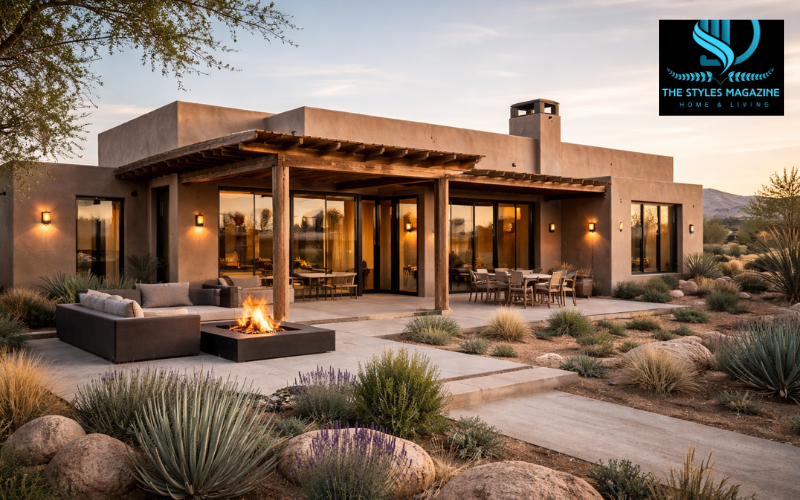
One key characteristic is the integration of natural materials with modern architectural concepts. Adobe walls remain central to the structure, but they are often paired with materials such as glass, steel, and concrete. This combination creates a balanced design where natural textures meet sleek, modern surfaces.
Simplicity also plays an important role in modern adobe architecture. Many homes emphasize clean lines, open spaces, and organic shapes that reflect the natural environment. Rather than using complex decorative elements, the beauty of the building often comes from the materials themselves.
Modern construction techniques have also improved the performance of adobe buildings. Stabilized adobe bricks may include small amounts of cement to increase durability and resistance to moisture. At the same time, modern engineering allows architects to design larger spaces and stronger structures while maintaining the traditional character of adobe.
Ultimately, a modern adobe house achieves a balance between heritage architecture and contemporary living. It respects traditional building methods while offering the comfort and convenience expected in modern homes.
Key Architectural Features Found in Modern Adobe Homes
One of the most recognizable features of a modern adobe house is its thick earthen walls. These walls often have a sculptural appearance, with smooth curves and rounded edges that give the building a soft and organic look. The thickness of the walls also provides structural strength and insulation.
Exposed wooden beams, commonly known as vigas, are another defining element. These beams support the roof while adding warmth and visual character to the interior. In modern homes, they are often combined with simple ceiling designs that highlight the natural beauty of the wood.
Rounded corners and smooth plaster finishes are also typical. Lime or synthetic plaster is often applied to protect the adobe bricks and create a clean exterior surface. This finish gives modern adobe houses a refined appearance while maintaining their traditional roots.
Roof designs tend to be flat or gently sloped, which reflects traditional adobe architecture while complementing modern aesthetics. These roofs also allow for features such as rooftop terraces or solar panel installations.
Deep window openings are another distinctive characteristic. The thick walls create recessed windows that help control sunlight and improve insulation. These openings also create interesting patterns of light and shadow throughout the day.
Many modern adobe homes are designed with open layouts that connect indoor living areas to outdoor spaces. Large sliding doors or glass walls often lead to patios or courtyards, allowing residents to enjoy natural surroundings while maintaining comfort indoors.
How Adobe’s Natural Thermal Mass Improves Energy Efficiency
One of the most practical advantages of a modern adobe house is its ability to regulate indoor temperatures naturally. This is possible because adobe has high thermal mass, meaning it can absorb and store heat.
During the day, adobe walls absorb heat from the sun and prevent it from quickly entering the interior space. As temperatures drop in the evening, the stored heat is slowly released, helping maintain a stable indoor climate.
This natural temperature regulation significantly reduces the need for artificial heating and cooling systems. In many cases, homeowners can lower their energy consumption by a large margin compared with conventional buildings.
The energy efficiency of adobe is particularly noticeable in hot and dry climates. The thick walls keep interiors cool during the day and comfortable at night, making the home naturally suited to desert environments.
Over time, this efficiency can lead to substantial cost savings. Lower energy use not only reduces monthly utility bills but also decreases the environmental impact of the home.
Exterior Design Elements That Give Modern Adobe Houses Their Distinct Look
The exterior design of a modern adobe house often reflects the natural environment around it. Smooth plaster finishes are commonly used to protect the adobe walls while creating a clean and elegant surface. Lime-based plasters are especially popular because they allow the walls to breathe while resisting moisture.
Color also plays an important role in the design. Many adobe homes use earth-toned shades such as sand, clay, and warm beige. These colors blend naturally with desert landscapes and help the house feel like part of its surroundings.
Modern adobe architecture often combines clean architectural lines with organic shapes. Straight edges may appear alongside curved walls or rounded corners, creating a balanced visual style.
Outdoor living spaces are another defining element. Courtyards, patios, and shaded terraces extend the living area beyond the walls of the house. These spaces provide comfortable areas for relaxation while taking advantage of natural light and fresh air.
Large windows and glass panels are also common in modern designs. They allow natural light to enter the home while providing views of the surrounding landscape. This connection between indoor and outdoor spaces is a key feature of modern adobe living.
Interior Design Styles That Complement Modern Adobe Living
The interior of a modern adobe house often emphasizes simplicity and natural beauty. Open-concept floor plans are common, allowing living rooms, kitchens, and dining areas to flow together in a comfortable and spacious layout.
Flooring materials typically reflect the natural character of the building. Concrete, stone, or polished earthen floors are popular choices because they complement the texture of adobe walls and help maintain a cohesive design.
Interior design tends to follow a minimalist approach. Rather than filling the space with excessive decoration, designers focus on natural textures and carefully chosen furnishings. This approach creates a calm and inviting atmosphere.
Many modern adobe homes include a contemporary interpretation of the traditional kiva fireplace. These fireplaces often have smooth, rounded shapes that echo the curves of adobe walls while providing warmth and visual interest.
Neutral color palettes inspired by nature are also common. Soft shades of sand, clay, and warm gray help create a peaceful environment that highlights the architectural features of the home.
Large sliding glass doors often connect the interior to patios or gardens. This design approach allows natural light to fill the space and strengthens the relationship between the home and its surroundings.
Sustainable Building Principles Behind Modern Adobe Construction
Sustainability is one of the main reasons modern adobe houses continue to attract attention. Adobe construction relies heavily on natural and locally sourced materials, which reduces the environmental impact associated with transportation and manufacturing.
Compared with many modern building materials, adobe has a relatively low carbon footprint. The bricks are typically dried in the sun rather than fired in kilns, which saves energy during production.
Modern adobe homes also incorporate passive solar design. This approach uses building orientation, window placement, and thermal mass to maximize natural heating and cooling. As a result, the house can maintain comfortable temperatures with minimal energy use.
Rainwater harvesting systems are sometimes integrated into the design as well. These systems collect and store rainwater for irrigation or other household uses, helping conserve water in dry climates.
Renewable energy technologies, such as solar panels, are also commonly included in modern adobe houses. When combined with the natural energy efficiency of adobe walls, these systems create homes that are both environmentally responsible and economically practical.
Another important aspect of sustainability is longevity. Adobe structures can last for many decades when properly maintained, reducing the need for frequent rebuilding or major repairs.
Materials Used in Contemporary Adobe House Construction
Traditional adobe bricks remain the foundation of most adobe homes. These bricks are created from a mixture of earth and straw that is molded and dried naturally. The result is a strong and durable building material that provides excellent insulation.
In modern construction, stabilized adobe bricks are sometimes used. These bricks contain small amounts of cement or other stabilizing agents that increase their resistance to moisture and structural stress.
Exterior surfaces are typically protected with lime plaster or modern stucco coatings. These finishes shield the adobe bricks from weather while maintaining the natural appearance of the walls.
Modern adobe houses often incorporate additional materials to improve structural performance. Steel supports may be used to reinforce large openings or support modern roof designs. Glass panels are commonly added to create bright interior spaces and connect the home with the landscape.
Concrete is sometimes used for foundations and flooring, providing stability and durability. Natural wood elements remain important as well, especially in beams, ceilings, and decorative finishes.
Integrating Modern Technology Into Adobe Homes
Although adobe construction is based on ancient techniques, modern adobe houses often include advanced technologies that improve comfort and efficiency.
Smart home systems can control lighting, temperature, and security through digital devices. These systems help homeowners manage energy use more effectively while enhancing convenience.
Solar energy systems are also widely used. Rooftop panels generate electricity that can power household appliances, and battery storage systems allow homeowners to store excess energy for later use.
Energy-efficient windows are another important upgrade. Modern glazing technology improves insulation while allowing plenty of natural light to enter the home.
Plumbing and electrical systems are carefully designed to work within adobe structures without compromising their integrity. Advances in construction methods have made it easier to integrate these systems seamlessly.
Together, these technologies help transform a traditional building method into a modern, high-performance home.
Climate Suitability and Where Modern Adobe Houses Work Best
Adobe construction works best in climates that are warm and relatively dry. In these conditions, the earthen walls remain stable and provide effective temperature regulation.
Regions such as the American Southwest, parts of Mexico, and certain Mediterranean climates are well known for adobe architecture. These areas benefit from the natural cooling properties of adobe walls.
Dry climates support adobe longevity because the material performs best when protected from excessive moisture. Heavy rainfall or persistent humidity can weaken unprotected adobe over time.
However, modern building techniques allow adobe homes to be adapted for different environments. Stabilized bricks, protective finishes, and proper roof design can improve resistance to moisture.
Careful site planning and drainage systems also help protect adobe structures from water damage. With these strategies, modern adobe houses can be built successfully in a wider range of climates.
Maintenance and Longevity of Modern Adobe Structures
Maintaining a modern adobe house is relatively straightforward, but it requires attention to a few key areas. The most important factor is protecting the walls from moisture.
Exterior plaster coatings should be inspected periodically to ensure they remain intact. If cracks or damage appear, the plaster can be repaired to prevent water from reaching the adobe bricks.
In traditional adobe homes, replastering may be required every few years. However, modern finishes can extend the lifespan of the protective coating and reduce maintenance frequency.
Routine inspections also help identify small issues before they become major problems. Checking for cracks, erosion, or drainage issues can prevent long-term structural damage.
When properly maintained, adobe houses can last for generations. Many historic adobe buildings around the world have remained standing for hundreds of years, demonstrating the durability of this construction method.
Modern Adobe Houses Compared With Traditional Adobe Homes
Although modern adobe houses are inspired by traditional designs, several important differences set them apart.
Traditional adobe homes were built primarily for practical reasons, focusing on protection from the climate and efficient use of local materials. Their layouts were often simple and compact.
Modern adobe homes, on the other hand, place greater emphasis on design, comfort, and lifestyle. Architects frequently incorporate larger windows, open floor plans, and modern materials to create bright and spacious interiors.
Building techniques have also improved over time. Modern engineering allows adobe structures to meet current safety standards while maintaining their traditional appearance.
Insulation, moisture protection, and energy systems have also advanced, making modern adobe houses more efficient and durable than many historic examples.
Despite these differences, both traditional and modern adobe homes share a deep connection to natural materials and sustainable building principles.
Design Trends Shaping the Future of Modern Adobe Architecture
The future of the modern adobe house is closely tied to the growing interest in sustainable living. As environmental awareness increases, many architects are exploring building methods that reduce energy use and rely on natural materials.
Organic modern design has become an important trend in architecture. This style blends clean modern lines with natural textures and forms, making adobe an ideal material for contemporary homes.
Architects are also experimenting with new eco-friendly materials and passive design strategies. These approaches further enhance the sustainability of adobe construction while maintaining its traditional character.
Another emerging trend is the combination of adobe with minimalist architecture. Large glass panels, simple geometric forms, and natural finishes create homes that feel both modern and timeless.
As technology continues to evolve, future adobe homes may become even more energy efficient. Innovations in solar energy, water management, and sustainable materials could further strengthen adobe’s role in modern housing.
Conclusion: The Lasting Appeal of the Modern Adobe House
The modern adobe house stands as a remarkable example of how ancient building traditions can adapt to modern needs. By combining natural materials with contemporary design, these homes offer both visual beauty and practical benefits.
Their thick earthen walls provide natural temperature control, reducing energy consumption and improving indoor comfort. At the same time, modern architectural techniques allow these houses to include spacious layouts, large windows, and modern amenities.
The sustainable nature of adobe construction makes it especially relevant in a time when environmental responsibility is becoming increasingly important. With its low environmental impact, long lifespan, and natural efficiency, adobe offers a compelling alternative to many conventional building methods.
As architects continue exploring ways to merge tradition with innovation, the modern adobe house is likely to remain an inspiring model for sustainable and thoughtful design. It demonstrates that homes built from the earth can still meet the expectations of modern living while maintaining a strong connection to nature and history.
FAQs
What Is A Modern Adobe House?
A modern adobe house is a home built using traditional adobe materials such as earth, water, and straw, combined with modern architectural design and construction techniques to create a comfortable and energy-efficient living space.
Are Modern Adobe Houses Energy Efficient?
Yes, modern adobe houses are known for their natural energy efficiency. The thick adobe walls store heat during the day and release it at night, helping maintain stable indoor temperatures and reducing the need for artificial heating or cooling.
Where Are Modern Adobe Houses Commonly Built?
Modern adobe houses are most common in dry and warm regions such as the American Southwest, parts of Mexico, and other desert or semi-arid climates where adobe materials perform best.
Do Adobe Homes Require Special Maintenance?
Adobe homes require occasional maintenance, mainly protecting the exterior walls from moisture. Periodic plaster repairs and regular inspections help keep the structure strong and long-lasting.
Can Modern Adobe Houses Include Modern Technology?
Yes, modern adobe homes can easily include modern features such as solar panels, energy-efficient windows, smart home systems, and modern plumbing and electrical installations.
Disclaimer: This article is for informational and educational purposes only. The information provided about modern adobe houses, construction methods, and design concepts is intended to offer general guidance and should not be considered professional architectural, engineering, or construction advice. Building requirements, materials, and regulations may vary depending on location and climate conditions. Before starting any construction or renovation project, it is recommended to consult qualified professionals such as architects, builders, or local authorities to ensure compliance with local building codes and safety standards.
Loved Reading This? Discover More Exclusive Stories And Updates At The Styles Magazine!