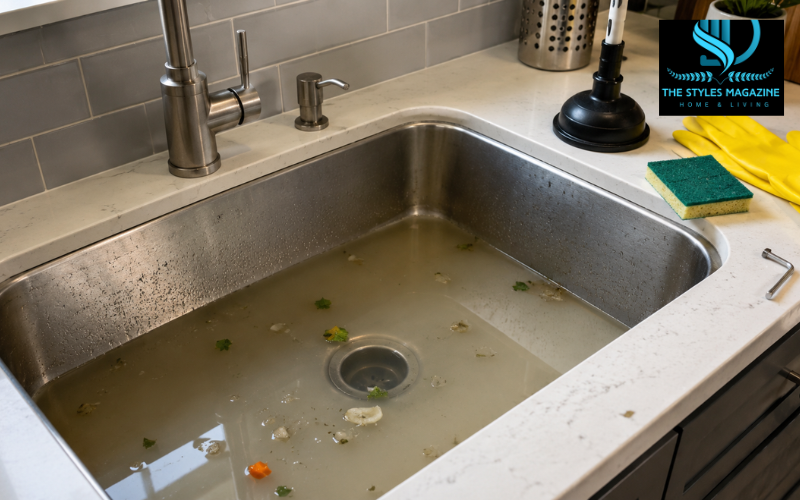
When your kitchen sink won’t drain, it can quickly interrupt your whole day. Water may sit in the basin, drain very slowly, or make gurgling sounds as it struggles to move through the pipe. In many cases, this does not mean your plumbing is completely broken. It usually means something is blocking the normal flow of water or slowing it down somewhere in the drain system.
A kitchen sink handles more than water. Small food scraps, grease, soap residue, coffee grounds, and other debris can build up inside the pipes over time. Even if your sink does not look fully clogged, the drain may still be narrow inside because of sticky buildup. This is why some sinks drain slowly for days before finally stopping altogether.
Sometimes the issue is close to the drain opening. Other times, the problem is deeper in the P-trap, garbage disposal, wall pipe, or even the main drain line. A kitchen sink not draining but not clogged can also happen when there is an airflow problem or when the clog is hidden beyond the visible pipes.
The good news is that many kitchen sink drainage problems can be fixed at home with safe, simple steps. This guide explains what to do first, how to deal with standing water, how to check the garbage disposal, which quick remedies may help, how to plunge correctly, what to do with a double sink, how to clean the P-trap, and when it is time to call a plumber.
Kitchen Sink Wont Drain
| Problem | Likely Cause | Best First Step |
| Standing water in sink | Full or partial blockage | Remove water with a cup or sponge before trying fixes |
| Sink drains slowly | Grease, soap, or food buildup | Try hot water with dish soap |
| Disposal hums but does not spin | Jammed garbage disposal | Turn it off and use the reset button or Allen wrench |
| Double sink backs up | Shared drain line clog | Seal one side and plunge the other |
| P-trap is clear but sink still won’t drain | Deeper wall pipe clog | Use a drain snake or call a plumber |
| Bad smell with slow drain | Food buildup or dirty trap | Clean the P-trap and flush the drain |
Common Reasons a Kitchen Sink Won’t Drain
The most common reason a kitchen sink will not drain is a buildup of everyday kitchen waste. Grease is one of the biggest causes. It may go down the drain as a liquid, but once it cools, it can stick to the inside of the pipe. Over time, food particles and soap residue attach to the grease and create a thick layer that slows the water.
Food scraps can also cause problems, especially rice, pasta, eggshells, potato peels, coffee grounds, and fibrous vegetables. These items may seem small, but they can expand, clump together, or wrap around parts inside the drain or garbage disposal.
A jammed garbage disposal is another common reason your kitchen sink won’t drain. If the disposal blades or grinding plate cannot move freely, water and food waste may stay trapped in the sink. In some cases, the disposal may hum but not spin, which usually means something is stuck inside.
The P-trap under the sink can also become blocked. This curved pipe holds a small amount of water to stop sewer smells from coming back into your kitchen, but it can also collect food, grease, and other debris. If the P-trap is dirty or blocked, the sink may drain very slowly or not at all.
Sometimes, the visible pipes look clear, but the problem is farther away. A blockage can form inside the wall drain line, where you cannot see it. In other cases, poor venting can stop air from moving properly through the plumbing system. When air cannot flow as it should, water may drain slowly, bubble, or make gurgling sounds.
What to Do First When There Is Standing Water
If there is standing water in the sink, remove as much of it as possible before trying any drain-clearing method. This step matters because any product or homemade mixture you pour into the sink will be diluted if the basin is full of water. It may never reach the clog properly.
Use a cup, bowl, or small container to scoop the water into a bucket. When the water level gets low, use a sponge or towel to soak up the rest. Wear rubber gloves if the water contains food waste or looks dirty.
Avoid pouring chemicals, powders, baking soda, vinegar, or boiling water into a sink full of standing water. These methods work best when they can go directly into the drain opening. A full sink also makes it harder to plunge correctly because dirty water may splash onto the counter or floor.
This is the first important step when learning how to unclog a kitchen sink with standing water. Once the basin is mostly empty, you can see the drain better and choose the next method more safely.
Check the Garbage Disposal Before Trying Other Fixes
If your kitchen sink has a garbage disposal, check it early in the process. A stuck disposal can stop water from draining even when the pipe itself is not fully clogged.
First, turn off the disposal switch. Never put your hand inside the disposal. If the unit has stopped working, look under the sink at the bottom of the disposal. Many units have a small red or black reset button. Press it firmly, then try turning the disposal on briefly while running cold water.
If the disposal makes a humming sound but does not grind, it may be jammed. Turn it off right away. Most disposals have a small hole in the center of the bottom where you can insert an Allen wrench. Turn the wrench back and forth to loosen the jam. This can help free stuck food or small objects inside the grinding area.
After that, run cold water and turn the disposal on for a short time. If it starts working and the water drains, the disposal was likely the cause. If it still hums, trips the reset button, smells burned, or does not respond, stop using it. Running a jammed disposal for too long can damage the motor.
Fast Drain-Clearing Methods for Minor Kitchen Sink Clogs
If the disposal is not the issue, or if your sink does not have one, you can try simple drain-clearing methods for minor clogs. These work best when the clog is caused by grease, soap film, or light food buildup.
A hot water flush may help loosen greasy residue. Heat water until it is very hot, then pour it slowly into the drain. However, be careful with boiling water if you have PVC pipes. Very hot water can soften or stress some plastic pipes, especially if used often. Hot tap water is safer for many homes.
Another common slow kitchen sink drain remedy is baking soda and vinegar. Pour baking soda into the drain first, then add white vinegar. The mixture will fizz and may help loosen light buildup near the drain opening. Cover the drain for several minutes, then flush it with hot tap water.
Dish soap and hot water can also help with grease. Add a generous amount of dish soap into the drain, wait a few minutes, and then rinse with hot water. Dish soap is designed to break down grease, so it may help when the clog is soft and oily.
These methods are best for mild clogs or slow drains. They are unlikely to work if the sink is fully blocked, if the P-trap is packed with debris, or if the clog is deep inside the wall line.
How to Unclog a Kitchen Sink Drain Fast With a Plunger
A plunger can be one of the fastest ways to clear a kitchen sink clog. For this job, use a flat-bottomed sink plunger, not a toilet plunger with a flange. The flat shape creates a better seal around the kitchen drain.
Start by making sure there is enough water in the basin to cover the rubber cup of the plunger. Usually, two or three inches of water is enough. If the sink is completely dry, add a little water. If it is full, remove some water first to avoid splashing.
Place the plunger over the drain and press down gently to create a seal. Try to push out trapped air under the cup before you begin. Then move the plunger up and down with strong, steady strokes for about 20 to 30 seconds. Keep the seal tight so pressure moves through the pipe instead of escaping around the plunger.
After plunging, lift the plunger and see if the water drains. If it starts moving, run hot tap water for a short time to help flush loose material through the pipe. Plunging works well for soft blockages because the pressure can push or pull the clog loose.
If you are trying to figure out how to unclog a kitchen sink drain fast, plunging is often a better choice than repeatedly pouring mixtures into the drain.
Double Kitchen Sink Not Draining: What Makes It Different
A double kitchen sink not draining can be more confusing because the two bowls usually share the same drain line. If one side backs up into the other, or both bowls fill with water, the clog may be after the point where the two drains connect.
If you use a plunger on one side of a double sink, you must seal the other drain opening. Use a wet rag, stopper, or drain cover and hold it firmly in place. If you do not seal the second drain, the plunging pressure will simply escape into the other basin instead of pushing against the clog.
If one side has a garbage disposal, pay attention to which side is backing up. A disposal-side problem may mean the disposal is jammed or clogged. If the non-disposal side backs up when the disposal runs, the shared pipe may be blocked.
When both bowls fill at the same time, the clog is often in the common drain pipe, P-trap area, or wall line. In that case, simple surface cleaning may not be enough.
Cleaning the P-Trap Under the Sink
The P-trap is the curved pipe under your sink. It is easy to recognize because it looks like a U-shaped bend. Its main job is to hold water that blocks sewer gases from coming back into your home. But because of its shape, it can also catch food scraps, grease, and small objects.
If the sink still will not drain after trying safer surface methods, the P-trap may need cleaning. Place a bucket under the trap before loosening anything because water and debris will spill out. Most plastic slip nuts can be loosened by hand, but older or tighter fittings may need pliers.
Remove the curved section carefully and empty it into the bucket. Clean the inside with a brush, paper towel, or running water from another sink. Check for compacted food, grease, or small items such as bottle caps, twist ties, or pieces of plastic.
Before reinstalling the trap, inspect the washers and nuts. Make sure everything lines up correctly and tighten the fittings securely, but do not overtighten plastic parts. After reinstalling, run water and check for leaks.
If the P-trap is clean but the kitchen sink still will not drain, the clog is probably farther down the line.
Kitchen Sink Won’t Drain but Pipes Are Clear
Sometimes a homeowner checks the visible pipes under the sink and everything looks fine. This can make the problem frustrating. A kitchen sink won’t drain but pipes are clear usually means the blockage is hidden deeper inside the drain system.
The wall drain line is a common place for deeper clogs. This is the pipe that carries water away from the sink and into the home’s larger plumbing system. Grease and food residue can collect inside this pipe over time, especially if the sink has had slow-drain problems before.
A venting issue can also cause slow drainage. Plumbing vents allow air to enter the system so water can move smoothly. If the vent is blocked or not working well, the sink may gurgle, drain slowly, or seem clogged even when the nearby pipes are clear.
In some cases, the issue may be connected to the main drain line. This is more likely if other fixtures in the home are also draining slowly. For example, if the dishwasher, laundry drain, bathroom sink, or shower is also backing up, the problem may be larger than the kitchen sink.
When the kitchen sink won’t drain and the P-trap is clear, the next step is usually a drain snake. A hand-crank snake can sometimes reach clogs inside the wall pipe. If the clog is too deep or too solid, professional drain cleaning may be needed.
When You’ve Tried Everything and the Kitchen Sink Is Still Clogged
If your kitchen sink clogged tried everything situation has reached the point where hot water, baking soda, plunging, disposal checks, and P-trap cleaning have not worked, it is time to slow down and avoid making the problem worse.
Repeated use of chemical drain cleaners can be risky. These products may sit in the pipe if the sink is not draining, which can damage plumbing parts or create danger for anyone who later opens the pipes. Mixing different drain cleaners is especially unsafe because it can create harmful fumes or strong reactions.
A clog that survives several DIY methods is often beyond the trap or located in the branch drain line. It may be made of hardened grease, packed food waste, or debris that has built up over a long time. A basic plunger or homemade mixture may not create enough force to move it.
A drain snake may help if used carefully. Feed it slowly into the wall pipe after removing the P-trap, then turn the handle to break through or pull back the clog. If the snake does not move freely, do not force it. Forcing tools too hard can damage pipes, especially older ones.
If the sink still will not drain after snaking, or if the clog keeps returning, professional equipment may be the smarter choice.
Safe Methods to Avoid Making the Drain Problem Worse
When a kitchen sink won’t drain, it is natural to want a quick fix. But some actions can create bigger problems. Never mix chemical drain cleaners with each other or with homemade mixtures like vinegar and baking soda. This can create fumes or strong reactions.
Be careful with boiling water, especially if you have PVC pipes. Occasional hot water may be fine, but repeated boiling water can stress some plastic fittings. Hot tap water is usually safer.
Do not keep running the garbage disposal if water is not draining. The disposal needs water flow to move waste through the pipe. Running it over and over while the sink is backed up can make the clog worse or damage the motor.
If you remove pipes under the sink, protect the cabinet floor with towels and keep a bucket nearby. Check fittings carefully when you put everything back together. A loose washer or misaligned pipe can cause leaks after the drain starts working again.
How to Prevent Your Kitchen Sink From Clogging Again
Once your sink is draining properly, a few simple habits can help prevent future problems. Never pour grease, oil, or fat down the kitchen sink. Let it cool, place it in a container, and throw it in the trash.
Scrape plates into the garbage before rinsing them. Use a sink strainer to catch food scraps before they enter the drain. Avoid sending coffee grounds, rice, pasta, eggshells, and fibrous peels down the sink, even if you have a garbage disposal.
Run cold water when using the garbage disposal and keep it running for a few seconds after grinding is finished. This helps move small particles through the drain. Clean the disposal regularly with safe methods, such as grinding small pieces of ice or citrus peels if your unit allows it.
For regular maintenance, flush the drain with hot tap water and a little dish soap. This simple habit can reduce greasy buildup and help prevent slow kitchen sink drain problems.
When to Call a Plumber for a Kitchen Sink That Won’t Drain
Some clogs are simple. Others need professional help. Call a plumber if the clog keeps coming back, if water backs up into both basins, or if bad smells continue after cleaning the trap.
You should also get help if a drain snake does not clear the line, if water leaks under the sink after repairs, or if multiple fixtures in the home are draining slowly. These signs may point to a deeper blockage, vent issue, or main-line problem.
A plumber has tools that can reach farther into the drain system and clear tougher blockages safely. In some cases, they may use a powered auger or camera inspection to find the exact problem.
Conclusion: Start Simple, Then Work Deeper
When your kitchen sink won’t drain, start with the safest and simplest steps first. Remove standing water, check the garbage disposal, try gentle drain-clearing methods, and use a plunger correctly. If the sink still will not drain, clean the P-trap and consider whether the blockage may be deeper in the wall line.
Many kitchen sink clogs can be fixed without calling a plumber, especially when the problem is caused by soft buildup or a jammed disposal. But if the P-trap is clear, the pipes look clean, and the water still will not move, the clog may be farther down the plumbing system.
The best approach is to work step by step and avoid harsh or risky methods. If DIY fixes do not solve the problem, professional drain cleaning can save time, protect your pipes, and get your kitchen sink working properly again.
FAQs
Why Is My Kitchen Sink Not Draining But Not Clogged?
Your sink may look clear, but grease, food sludge, or a deeper blockage inside the wall pipe can still slow or stop drainage.
How Do I Unclog A Kitchen Sink With Standing Water?
First remove the standing water with a cup or sponge. Then try plunging, checking the disposal, or cleaning the P-trap.
Can I Pour Boiling Water Down A Kitchen Sink?
Use caution. Boiling water may help grease in metal pipes, but it can damage or soften some PVC plumbing. Hot tap water is safer.
Why Is My Double Kitchen Sink Not Draining?
A double kitchen sink usually shares one drain line. If both sides back up, the clog is likely after the two drains connect.
When Should I Call A Plumber For A Kitchen Sink That Won’t Drain?
Call a plumber if the P-trap is clear, plunging fails, clogs keep returning, or other drains in your home are also slow.
Enjoyed it? Find more exclusive content on The Styles Magazine.
Disclaimer: This article is for general informational purposes only. Plumbing systems can vary by home, pipe material, and installation. If you are unsure, smell gas or sewage, see leaks, or cannot clear the clog safely, contact a licensed plumber.