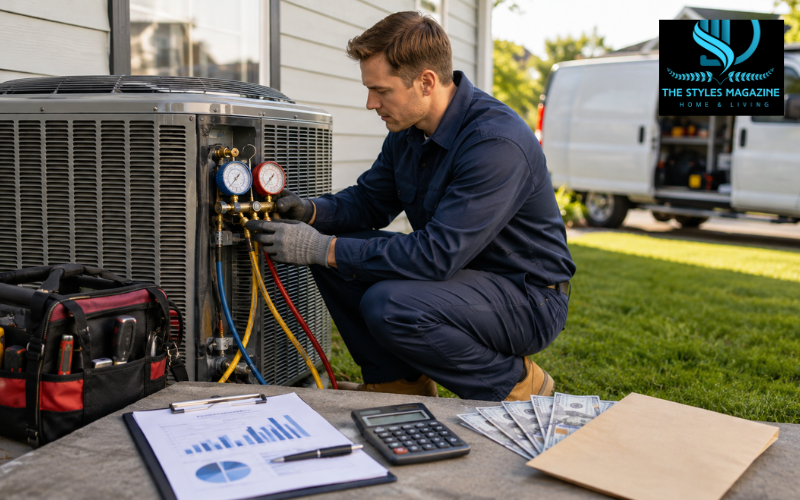
If you are considering a career in heating and cooling, one of the first questions you may ask is: how much do HVAC techs make? The answer depends on where you work, how much experience you have, what type of systems you service, and whether your compensation includes overtime, commissions, or other benefits.
The latest available national wage data from the U.S. Bureau of Labor Statistics shows a median wage of about $61,010 per year, or $29.33 per hour, for heating, air conditioning, and refrigeration mechanics and installers. These May 2025 wage figures were released in May 2026, making them the most current national BLS benchmark available for a 2026 salary comparison.
That national number is only a starting point. A newer technician may earn less, while an experienced commercial technician, supervisor, union worker, or technician regularly working overtime may earn considerably more. Location also matters: HVAC wages in markets such as New York City, Washington, DC, and Connecticut are well above the current national median.
Quick Guide: HVAC Technician Pay
| Pay Type | Approximate Earnings |
| Hourly | $29.33 |
| Daily | $235 |
| Monthly | $5,084 |
| Yearly | $61,010 |
| Lower 10% | $40,050 or less |
| Upper 10% | $95,210 or more |
Main Factors That Affect HVAC Pay
- Experience and technical skills
- State and city
- Residential vs. commercial work
- Certifications and licensing
- Overtime and emergency calls
- Union membership
- Bonuses and commissions
HVAC Technician Salary at a Glance
For a clear national benchmark, BLS-based 2025 wage data places the median HVAC technician salary at $61,010 annually and $29.33 hourly. The average, or mean, annual wage is slightly higher at $64,780, showing that higher earners pull the overall average above the median.
The national pay range is broad. About 10% of workers earn $40,050 or less, while the highest-paid 10% earn around $95,210 or more. These figures should not automatically be treated as entry-level and senior salaries because wage percentiles also reflect differences in location, employer, specialty, and job responsibilities.
| Pay Measure | Current National Estimate |
| Lower 10% | $40,050/year or $19.25/hour |
| Median | $61,010/year or $29.33/hour |
| Average | $64,780/year or $31.14/hour |
| Upper 10% | $95,210/year or $45.78/hour |
For most people researching how much HVAC techs make, the $61,010 median is the most useful starting point because half of workers earn more and half earn less.
How Much Do HVAC Techs Make an Hour?
The current national median answers the question how much do HVAC techs make an hour at roughly $29.33 per hour. However, actual hourly rates can range from under $20 for some lower-paid workers to more than $45 for technicians near the upper end of the national wage distribution.
Experience plays a major role. A technician who is still learning basic maintenance and working alongside a senior technician usually has less earning power than someone who can independently diagnose electrical problems, refrigerant issues, airflow problems, and complete system failures.
Employer type also matters. Small residential businesses, large mechanical contractors, schools, hospitals, industrial facilities, government employers, and union contractors may all use different compensation structures.
Hourly wages also do not tell the complete story. BLS notes that HVAC technicians may work evenings, weekends, emergency calls, or overtime during busy heating and cooling seasons. Those additional hours can increase actual yearly income beyond a basic 40-hour calculation.
HVAC Pay by Day, Month, and Year
Using the current national median of $29.33 per hour, a simple eight-hour workday works out to about $234.64 before taxes.
So, how much do HVAC techs make a day? Around $235 is a useful estimate at the national median, assuming eight straight-time hours.
For readers asking how much do HVAC techs make a month, the $61,010 annual median equals roughly $5,084 per month before taxes when divided evenly over 12 months.
And how much do HVAC techs make a year? The national median is currently $61,010, while workers near the top 10% of the wage distribution earn about $95,210 or more.
These are gross-pay estimates, not take-home pay. Taxes, health insurance, retirement contributions, overtime, commissions, bonuses, seasonal hours, and unpaid time can all change the amount that reaches a technician’s bank account.
HVAC Technician Pay by Experience Level
There is no official BLS salary table that divides HVAC technicians strictly by years of experience. BLS wage percentiles include workers with many different backgrounds, locations, and specialties.
For a more practical experience-based comparison, ServiceTitan’s 2026 HVAC salary guide uses Payscale compensation data and reports a projected median base salary of about $54,100 per year, or $26.01 per hour, for entry-level technicians with less than two years of experience.
Technicians with roughly two to four years of experience are estimated around $65,700 per year, or $31.59 per hour. Senior technicians with four to seven years are around $77,200, or $37.12 per hour, while supervisors with more than seven years are estimated around $90,800 annually.
These should be treated as market benchmarks rather than guaranteed pay levels. Two technicians with five years of experience can earn very different amounts if one mainly performs routine residential maintenance while the other independently services commercial refrigeration, chillers, advanced controls, or large rooftop systems.
Pay usually rises when a technician becomes capable of diagnosing and completing difficult jobs without constant supervision.
How Location Changes HVAC Technician Earnings
Geography can make a major difference in HVAC pay. Local wages reflect the cost of living, competition for skilled workers, building activity, licensing requirements, climate, union presence, and the types of HVAC systems common in the area.
Current BLS-based data illustrates the difference clearly. The national median is $61,010, but Connecticut’s median is $76,610. The New York-Newark-Jersey City metropolitan area reaches $77,990, while the Washington-Arlington-Alexandria metro has a median of $71,920.
A higher salary does not automatically mean greater purchasing power, however. Housing, transportation, taxes, and everyday expenses are generally higher in major metropolitan areas. Anyone comparing HVAC jobs should consider both the wage and the local cost of living.
How Much Do HVAC Techs Make in NYC?
For people searching how much do HVAC techs make in NYC, the most useful current official comparison is the BLS-based New York-Newark-Jersey City metropolitan wage estimate.
The median is approximately $37.50 per hour, or $77,990 per year. Workers around the lower 10th percentile earn approximately $50,690 annually, while the upper 10th percentile reaches about $108,780.
That puts the area’s median almost $17,000 above the national figure of $61,010. NYC’s large concentration of commercial buildings, apartment towers, hospitals, hospitality properties, refrigeration equipment, and large mechanical systems creates a wide range of HVAC work. Union positions, experience, overtime, and advanced commercial skills can further change compensation.
How Much Do HVAC Techs Make in DC?
Current local BLS-based data for the Washington-Arlington-Alexandria metropolitan area shows a median HVAC wage of about $34.58 per hour, equal to approximately $71,920 per year. The reported range runs from roughly $46,920 at the lower 10th percentile to $105,180 at the upper 10th percentile.
This makes the Washington-area median higher than the national HVAC median.
Technicians in the region may work in residential properties as well as offices, hospitals, universities, government-related facilities, hotels, data-heavy commercial buildings, and other large properties. Jobs involving complex commercial equipment or facilities maintenance may require broader skills than basic residential service work.
How Much Do HVAC Techs Make in CT?
Connecticut is another relatively strong market for HVAC wages. Current BLS-based data shows a statewide median of approximately $76,610 per year, or $36.83 per hour.
The state’s lower 10th percentile is around $45,280 annually, while the upper 10th percentile is approximately $100,160. Local differences are also noticeable. The Bridgeport-Stamford-Danbury area, for example, has a median of about $77,490, while Hartford’s median is approximately $76,180.
Experience, licensing, employer type, and specialization remain important. A technician working on larger commercial or refrigeration systems may have a different earning path from someone beginning in residential maintenance.
Residential vs. Commercial HVAC Technician Pay
Residential and commercial HVAC work can lead to very different careers, but there is no reliable national rule saying every commercial technician earns more than every residential technician.
Residential technicians commonly work on furnaces, central air conditioners, heat pumps, duct systems, mini-splits, and indoor air equipment in homes. Some residential employers use commissions, performance incentives, or sales-based compensation in addition to hourly wages.
Commercial technicians may service rooftop units, large refrigeration equipment, boilers, chillers, building controls, and systems serving offices, hospitals, stores, hotels, and industrial properties. Because this work can involve larger and more complicated equipment, technicians with strong commercial skills can command higher wages in many markets.
However, ServiceTitan notes that its salary database does not directly divide HVAC pay into residential and commercial categories.
That distinction matters. A strong residential service technician earning commissions may out-earn a commercial technician in some companies, while a specialized commercial or industrial technician may earn far more in another market.
Certifications and Skills That Can Increase HVAC Pay
Certifications do not automatically guarantee a raise, but they can expand the type of work a technician is qualified to perform.
One of the most important credentials is EPA Section 608 certification. EPA rules require technicians who maintain, service, repair, or dispose of equipment in ways that could release regulated refrigerants to be certified. Technicians earn the certification by passing an EPA-approved test, and the credential does not expire. EPA offers Type I, Type II, Type III, and Universal certification depending on the equipment involved.
NATE certification is different because it is an industry credential rather than a federal refrigerant-handling requirement. NATE offers professional certification pathways covering areas such as HVAC fundamentals, electrical systems, controls, airflow, installation, service, air conditioning, heat pumps, and refrigeration.
Beyond certificates, employers often value technicians who can troubleshoot electrical controls, commercial refrigeration, chillers, heat pumps, airflow problems, and building automation systems. The more difficult problems a technician can solve independently, the stronger that technician’s negotiating position may become.
Overtime, Commission, Union Work, and Benefits
Base salary is only one part of HVAC compensation.
The BLS states that HVAC technicians may work overtime, evenings, weekends, and emergency schedules, especially during extreme hot or cold weather. That can significantly increase annual earnings for technicians who regularly take additional calls.
There is also an important detail when comparing BLS salaries with someone’s real paycheck. OEWS wage figures represent straight-time gross pay and include items such as base rates, commissions, incentive pay, and production bonuses. However, they exclude overtime premiums, on-call pay, holiday premium pay, some nonproduction bonuses, health benefits, and employer retirement contributions.
As a result, a technician whose published wage benchmark is $61,010 could have higher total compensation after overtime or valuable employer-paid benefits are included.
Union jobs may also offer negotiated wages, retirement plans, health coverage, training programs, and defined overtime rules. The value of those benefits should be considered when comparing two offers, rather than looking only at the hourly number.
How Much Do HVAC Techs Make According to Reddit?
People searching how much do HVAC techs make Reddit will find an extremely wide range of answers. Some technicians report earning around $20 to $25 per hour, while others describe rates above $30, $40, or even higher depending on their market, union status, specialty, and overtime.
For example, a July 2026 discussion included a North Florida residential technician with several years of experience reporting pay between $20 and $25 an hour. In another 2026 discussion, a technician with about three and a half years in the field reported $36 per hour plus per diem, while union-related commenters described significantly higher packages in some markets.
These discussions are useful for understanding what individual technicians experience, but they are not a replacement for national wage statistics. Reddit posts are self-reported, rarely verified, and may include overtime, travel pay, commissions, or benefits that make direct comparisons difficult.
The best approach is to use BLS data as a reliable baseline and Reddit as additional real-world context.
Conclusion
So, how much do HVAC techs make in 2026? Using the latest BLS-based national data available, the typical midpoint is about $61,010 per year or $29.33 per hour. Lower-paid workers may earn around $40,000 or less, while technicians near the upper end of the national wage distribution can earn $95,000 or more before considering some forms of overtime and additional compensation.
Experience, location, specialization, employer type, certifications, overtime, commissions, and union agreements can all move earnings above or below that national figure. Current local data shows particularly strong median pay in places such as the New York City metro area and Connecticut.
For anyone considering HVAC as a career, the most useful takeaway is that there is no single salary that applies to every technician. The national median provides a solid benchmark, but skills, local demand, and the type of work you become qualified to handle can have a major effect on long-term earning potential.
FAQs
How much do HVAC Techs Make An Hour?
The national median wage for HVAC technicians is about $29.33 per hour. Entry-level workers may earn less, while experienced or specialized technicians can earn significantly more.
How much do HVAC Techs Make A Year?
HVAC technicians earn a national median of about $61,010 per year. Higher-paid technicians, especially those with advanced skills or strong local demand, may earn $95,000 or more.
How much do HVAC Techs Make A Month?
Based on the national median annual wage, an HVAC technician earns roughly $5,084 per month before taxes. Actual monthly income can change with overtime, bonuses, and working hours.
Do commercial HVAC Technicians Make More?
Commercial HVAC technicians can earn more in many markets because they often work with larger and more complex systems. However, actual pay depends on experience, employer, location, and specialization.
Can HVAC technicians Make $100,000 A Year?
Yes, some experienced HVAC technicians can reach or exceed $100,000 through specialized commercial work, overtime, commissions, union positions, supervisory roles, or employment in higher-paying locations.
Enjoyed it? Find more exclusive content on The Styles Magazine.
Disclaimer: Salary figures are estimates based on current wage data and may vary by location, experience, employer, certifications, overtime, and other compensation factors.