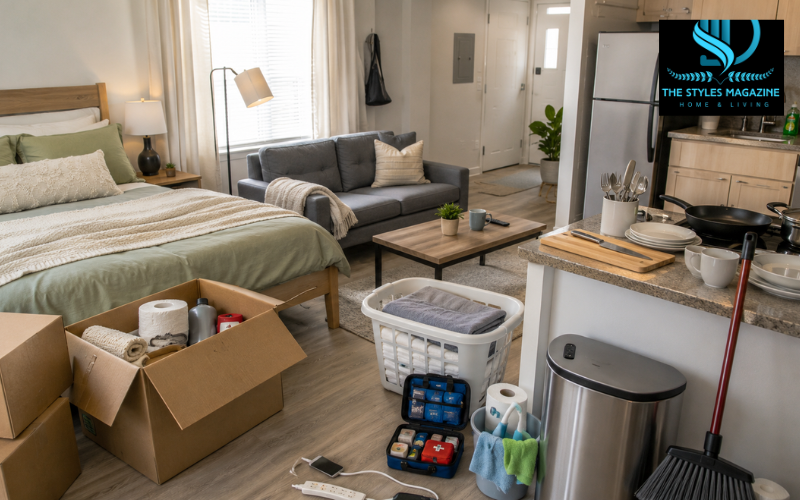
Moving into your first apartment is a major step. It brings freedom, privacy, and the chance to create a space that feels like your own. At the same time, it can be difficult to decide what to buy first. Stores and online lists often make it seem as though you need everything immediately, but that is rarely true.
First apartment essentials are the items that help you sleep, cook, clean, stay safe, and manage daily life from the beginning. They are different from decorative purchases or upgrades that can wait until you understand your space better. Focusing on genuine needs first can protect your budget and prevent your apartment from becoming crowded with things you do not use.
This guide provides a practical, room-by-room apartment essentials list. It covers the items worth buying before moving day, affordable options for new renters, and useful products people often forget. You can use it to build a first apartment checklist that matches your budget, apartment size, flooring, and included appliances.
First Apartment Essentials Quick Guide
| Category | Buy First | Can Wait |
| Bedroom | Mattress, sheets, pillows, curtains | Headboard, extra décor |
| Bathroom | Towels, toilet paper, shower curtain, plunger | Extra storage |
| Kitchen | Pan, pot, knife, plates, cutlery | Special appliances |
| Living Room | Seating, lamps, extension cords | Rugs, TV stand |
| Cleaning | Cleaner, cloths, broom, trash bags | Advanced cleaning tools |
| Safety | First-aid kit, flashlight, basic tools | Extra gadgets |
Simple Buying Order
- Buy items needed for sleep, hygiene, food, cleaning, and safety first.
- Measure each room before purchasing furniture or storage.
- Set a budget for every category.
- Buy larger furniture slowly after understanding your space.
- Keep money aside for unexpected moving costs.
First Apartment Essentials to Buy Before Moving Day
A few items should be ready before you carry the first box through the door. These are not exciting purchases, but they can make moving day much easier.
Start with toilet paper, hand soap, paper towels or reusable cloths, trash bags, and an all-purpose cleaner. Moving creates dust, packaging, and small messes, so basic cleaning supplies should be easy to reach. You will also need drinking water and a few simple snacks, especially if the move takes several hours.
Make sure you have bedding for the first night, including sheets, pillows, and a blanket or comforter. Bring phone chargers and a power bank if possible. Some apartments have limited overhead lighting, so a floor lamp or portable lamp can be useful from the first evening.
Pack these items in a clearly marked “first-night box” instead of placing them inside the moving truck with everything else. Add basic toiletries, a change of clothes, medication, a towel, a mug, simple cutlery, and any documents needed for the lease or building access. Keep the box with you so it does not get buried.
Large furniture, wall décor, matching storage bins, and extra kitchen gadgets can wait. Your first goal is to make the apartment safe and usable, not fully finished.
Bedroom Essentials for Comfortable Sleep
The bedroom deserves early attention because good sleep affects your energy, mood, and ability to settle into a new routine. A supportive mattress should be one of your main purchases. A bed frame lifts the mattress from the floor and can create storage underneath.
Buy at least one complete sheet set, although two sets are more practical because you can rotate them on laundry day. Add comfortable pillows, a comforter or duvet, and a mattress protector. It helps protect against spills and normal wear.
Curtains or blinds are important for privacy and light control. Measure the window before buying rods or panels, and check whether your rental agreement allows drilling. Tension rods or removable curtain solutions may work better in some apartments.
Other useful bedroom basics include hangers, a laundry basket, bedside lighting, and simple clothing storage. A small dresser is helpful, but it is not always necessary at first. Closet shelves, under-bed boxes, or a basic garment rack may provide enough space.
A headboard, matching nightstands, and decorative bedding can wait. Live in the room for a few weeks before buying upgrades so you can see what the space truly needs.
Bathroom Necessities for the First Day
The bathroom should be ready as soon as you move in. If the shower does not have a door, buy a shower curtain, waterproof liner, and hooks before moving day. Without them, water can spread across the floor and may cause damage.
You will also need bath towels, hand towels, a bath mat, toilet paper, hand soap, and personal toiletries. Two bath towels per person are usually enough to start. A bath mat with a non-slip backing can help keep the floor dry and reduce the chance of slipping.
A toilet plunger and toilet brush are easy to forget, but both are important. It is better to own a plunger before a problem happens. Add a small waste bin, cleaning spray, and a sponge or cloth used only for the bathroom.
Small bathrooms often have limited counter space. Use a shower caddy, narrow cart, or small basket to organize toiletries. Choose removable storage where possible so you do not damage walls or tiles.
Avoid filling the bathroom with large organizers before measuring the room. A compact setup is easier to maintain and leaves more space to move safely.
Kitchen Basics for Everyday Meals
A first kitchen does not need expensive cookware or a large set of tools. It only needs enough equipment to prepare simple meals, store leftovers, and clean up afterward.
Start with one sharp chef’s knife, a cutting board, a non-stick or stainless-steel skillet, a medium saucepan, and a baking sheet. These items can handle many everyday meals, including eggs, pasta, vegetables, rice, soup, and oven-baked foods.
For serving and eating, buy a small number of plates, bowls, mugs, glasses, and pieces of cutlery. You do not need a twelve-person dinner set for a first apartment. A basic set for two to four people is usually enough.
Add a spatula, large cooking spoon, can opener, vegetable peeler, colander, and measuring cup. Food-storage containers help reduce waste and store leftovers.
Cleaning basics include dish soap, sponges or a dish brush, kitchen towels, a drying rack, and a trash can with a lid. Check whether the apartment includes a dishwasher, microwave, toaster, or kettle before buying appliances.
Choose versatile products instead of single-purpose gadgets. A good skillet will be used more often than a special appliance that takes up valuable cabinet space.
Living Room Essentials Without Overspending
The living room does not need to look complete on the first day. Focus on comfort, lighting, and basic function.
Start with a place to sit. This could be a small couch, futon, loveseat, secondhand armchair, or even folding or camping chairs for the first few weeks. Temporary seating gives you time to measure the room and choose furniture that fits properly.
A small side table is useful for drinks and daily items. Add floor or table lamps if the room has poor lighting. Use extension cords and power strips safely, without overloading them or creating trip hazards.
In a small apartment, leave clear walking paths between the entrance, seating area, and other rooms. Avoid pushing too much furniture into the space. One correctly sized sofa is often better than several small pieces that make the room feel crowded.
Rugs, art, television stands, and extra seating can wait. Once you know how you use the room, you can choose pieces that support your routine instead of buying them only to fill empty space.
Cleaning and Laundry Supplies
A clean apartment is easier to enjoy and maintain when you have the right basic supplies. Keep the collection small and practical.
An all-purpose cleaner, disinfectant, microfiber cloths, broom, and dustpan will handle most daily messes. Add a mop suitable for your flooring. If the apartment has carpet, a vacuum is important. For hard floors, a lightweight vacuum or broom may be enough.
For laundry, buy detergent, a hamper, stain remover, and a drying rack if you air-dry clothing. Check whether the building has shared laundry machines, in-unit machines, or a nearby laundromat.
Create one compact cleaning kit in a handled basket or caddy. Store sprays, cloths, gloves, and brushes together. This saves space and makes quick cleaning easier.
Never mix cleaning products unless their labels say it is safe. Store them away from children, pets, food, and heat.
Safety Supplies and Basic Tools
Safety items are easy to overlook when choosing furniture, but they belong near the top of any first apartment essentials checklist.
Keep a basic first-aid kit with bandages, antiseptic wipes, gauze, pain relief medicine, and any personal medication. Add a flashlight, spare batteries, and a small fire extinguisher suitable for household use. Save your landlord and building maintenance contacts in your phone.
After moving in, check that smoke alarms and carbon-monoxide alarms are present and working. Ask the property manager about testing, battery replacement, and building safety procedures. Do not remove, cover, or disconnect alarms.
A small tool kit should include a hammer, flat-head and Phillips screwdrivers, measuring tape, utility knife, pliers, and an adjustable wrench. These tools help with boxes and renter-approved tasks.
Major plumbing, electrical, heating, structural, or gas problems should be reported to the landlord or building manager. Renters should not attempt dangerous repairs or changes that may violate the lease.
Storage and Organization for a Small Apartment
Good organization can make a small apartment feel calmer and more comfortable. The key is to use the space you already have before adding more furniture.
Under-bed boxes are useful for seasonal clothing, spare bedding, and shoes. Closet organizers, hanging shelves, drawer dividers, and over-the-door storage can create space without major changes. Use removable hooks only on suitable surfaces and within their weight limits.
Vertical space is often underused. A tall bookcase or narrow shelving unit can store more than a wide, low cabinet while using less floor area.
Measure closets, cabinets, corners, and wall spaces before buying organizers. Do not guess based on product photographs. Check whether an organizer will block a door, window, outlet, or walkway.
Avoid buying large groups of matching bins before sorting your belongings. Decide what you need to store first, then choose containers that fit those exact items and spaces.
First Apartment Checklist on a Budget
A first apartment checklist on a budget works best when purchases are divided into three groups: buy now, buy soon, and buy later.
“Buy now” should include items needed for sleep, hygiene, simple meals, cleaning, and safety. “Buy soon” can include better storage, a small dining setup, additional cookware, and more comfortable seating. “Buy later” may include décor, upgraded furniture, extra appliances, and matching accessories.
Set a spending limit for each room before shopping. Compare prices and durability because the cheapest option may need early replacement.
Secondhand tables, bookshelves, lamps, dressers, and solid furniture can save money. However, many renters prefer to buy mattresses, pillows, towels, and other hygiene-sensitive products new. Used upholstered furniture should be checked carefully for stains, odors, pests, damaged frames, and missing safety labels.
Leave part of your budget unspent. Unexpected first-month costs may include deposits, transport, and replacement items.
Things You Need for an Apartment That You Wouldn’t Think Of
Some of the most useful apartment items are small and easy to forget. A can opener, scissors, step stool, power strip, spare light bulbs, and extra batteries can solve common problems.
Other forgotten items include a doorstop, sewing kit, food-storage bags, ice tray, drain catcher, and spare charger. Renter-safe wall hooks can help with towels, keys, and lightweight décor. Keep spare keys only with someone you trust, and follow building rules about making copies.
Important documents also need a safe place. Store your lease, insurance information, identification copies, appliance instructions, and move-in inspection records together. Photograph existing marks or damage when you move in.
First apartment essentials Reddit discussions often mention practical items such as a plunger, shower curtain, extension cord, and basic tool kit. These personal suggestions can be helpful, but not every recommendation is necessary for every renter. Use them as ideas, then choose based on your apartment and routine.
Buying First Apartment Essentials Online, Locally, and Secondhand
There is no single best place to buy everything. A smart approach is to compare online stores, local shops, discount retailers, and secondhand options.
When reviewing first apartment essentials on Amazon or other online marketplaces, compare product size, materials, return terms, delivery costs, and recent customer feedback. Online shopping works well for hangers, kitchen tools, organizers, and cleaning accessories. Always measure your space before ordering.
Local stores can be better for mattresses, pillows, seating, curtains, and cookware because you can inspect quality and size in person.
Secondhand buying works well for solid wood furniture, tables, shelving, mirrors, and some lamps. Avoid any item with exposed wiring, broken plugs, water damage, strong odors, mold, or signs of pests.
Be especially careful with secondhand mattresses and upholstered furniture. Cleaning the surface may not remove hidden pests or moisture damage. When the condition is uncertain, buying new is the safer choice.
Free Printable First Apartment Checklist
A free first apartment checklist is most useful when it is organized by room and purchase priority. You can copy the categories below into a document, print the page, or save it as a first apartment checklist PDF.
| Area | Essential items | Priority |
| Bedroom | Mattress, pillows, sheets, comforter, mattress protector, curtains, hangers | Buy now |
| Bathroom | Shower curtain, liner, towels, bath mat, toilet paper, plunger, soap | Buy now |
| Kitchen | Skillet, saucepan, knife, cutting board, plates, cutlery, dish soap, trash can | Buy now |
| Living room | Basic seating, lamp, small table, safe power strip | Buy now or soon |
| Cleaning | All-purpose cleaner, cloths, broom, dustpan, vacuum or mop, trash bags | Buy now |
| Laundry | Detergent, hamper, stain remover, drying rack | Buy now or soon |
| Safety | First-aid kit, flashlight, batteries, fire extinguisher, emergency contacts | Buy now |
| Organization | Under-bed boxes, hooks, shelves, drawer dividers | Buy soon |
| Optional upgrades | Rugs, décor, extra seating, larger cookware sets, small appliances | Buy later |
Add three checkboxes beside each item: purchased, packed, and still needed. You can also include columns for estimated price, actual cost, store, and priority. This system helps track spending and prevent duplicate purchases.
Conclusion
Building a comfortable home does not require buying everything at once. The best first apartment essentials are the items that support sleep, hygiene, food preparation, cleaning, safety, and basic daily comfort.
Start with genuine needs, use temporary solutions where appropriate, and wait before buying large furniture or decorative extras. Personalize your checklist according to your budget, room measurements, flooring, storage space, and the appliances already included in the apartment.
A first apartment will naturally develop over time. When you buy slowly and pay attention to how you use each room, you are more likely to save money, avoid clutter, and create a home that works well for you.
Frequently Asked Questions
What Are The Most Important First Apartment Essentials?
The most important items include bedding, bathroom supplies, basic cookware, cleaning products, lighting, a first-aid kit, and simple tools needed for everyday comfort and safety.
How Much Should I Budget For First Apartment Essentials?
Your budget depends on location, apartment size, and what is already included. Prioritize necessary items first, compare prices, and delay decorative or non-essential purchases.
What Should I Buy Before Moving Into My First Apartment?
Buy toilet paper, cleaning supplies, bedding, towels, toiletries, drinking water, phone chargers, lighting, trash bags, and a small set of basic kitchen tools before moving day.
Is It Safe To Buy Apartment Furniture Secondhand?
Secondhand tables, shelves, and solid furniture can be good choices. Inspect everything for damage, pests, odors, mold, and electrical problems before bringing it into your apartment.
What Items Do People Often Forget For A First Apartment?
Commonly forgotten items include a toilet plunger, can opener, scissors, spare light bulbs, batteries, power strips, shower curtain hooks, drain catchers, and a basic tool kit.
Enjoyed it? Find more exclusive content on The Styles Magazine.
Disclaimer: This checklist provides general guidance. Your actual needs may vary depending on your budget, apartment size, lease terms, flooring, included appliances, and building safety requirements.