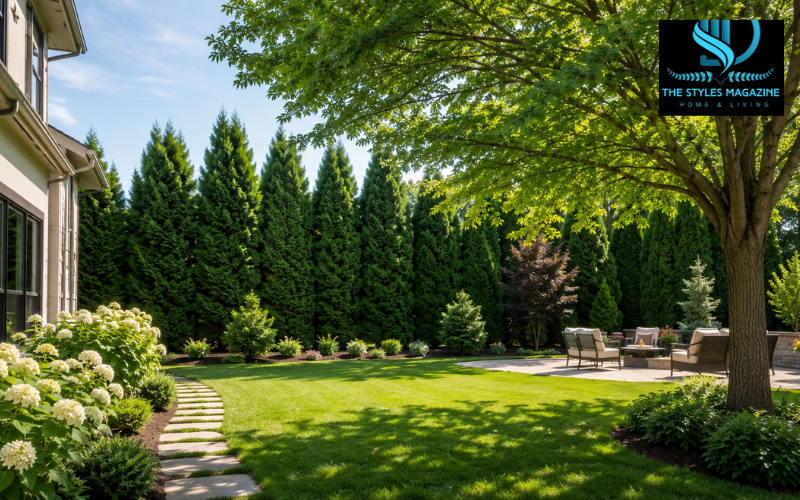
Fast growing trees are trees that increase in height quickly compared to slower-growing landscape trees. In many cases, a fast growing tree may add around 2 feet or more of growth each year when planted in the right place and cared for properly. Some very fast growers can grow even faster, especially when they have good soil, enough sunlight, regular water, and enough space for their roots to spread.
Homeowners often choose fast growing trees because they want quick results. A newly built home may feel too open. A backyard may need privacy from neighbors or a busy road. A sunny lawn may need shade. Some people also plant fast growing trees to reduce wind, soften noise, improve curb appeal, or make a yard feel more natural and complete.
However, the best tree is not always the one that grows the fastest. A good choice depends on your space, climate, soil, and purpose. A tree that works well for a large yard may become too big for a small garden. A tree that loves wet soil may struggle in dry ground. Some fast growers also have softer wood, wide roots, or large mature sizes, so they need careful placement away from houses, pipes, driveways, and power lines.
Choosing fast growing trees wisely gives you the best of both worlds: quick landscape improvement and long-term value.
Quick Guide Table: Best Fast Growing Trees by Need
| Purpose | Best Tree Options | Why They Work Best |
| Privacy Screen | Green Giant Arborvitae, Leyland Cypress, Eastern White Pine | They grow dense, tall, and help block views naturally. |
| Year-Round Coverage | Arborvitae, Cypress, Pine | These evergreen trees stay green through every season. |
| Fast Shade | Red Maple, Tulip Tree, Hybrid Poplar | They create wide canopies and cool down open spaces. |
| Wet Soil Areas | River Birch, Bald Cypress, Weeping Willow | These trees handle moisture better than many others. |
| Small Yards | American Pillar Arborvitae, Emerald Green Arborvitae, Crape Myrtle | They offer beauty or privacy without taking too much space. |
| Low-Maintenance Use | Green Giant Arborvitae, River Birch, Red Maple | These trees are easier to manage when planted in the right place. |
Best Fast Growing Trees for Quick Results
The best fast growing trees usually fall into a few main groups. Evergreen trees are popular for year-round privacy because they keep their leaves or needles through the seasons. Deciduous trees lose their leaves in winter, but many grow wide canopies that provide excellent summer shade. Ornamental trees add flowers, fall color, or attractive shapes while still growing at a useful speed.
Some of the most common choices include Green Giant Arborvitae, Leyland Cypress, Eastern White Pine, Hybrid Poplar, Weeping Willow, River Birch, Red Maple, Tulip Tree, and Bald Cypress. Each tree has its own strengths. Some are better for privacy, some for shade, and some for wet or difficult soil.
A smart way to choose is to think beyond speed. Ask what the tree will look like in 5, 10, or 20 years. A fast growing tree should solve a problem without creating a bigger one later. Trees with strong structure, suitable mature size, and reasonable maintenance needs are usually better long-term choices than trees that grow quickly but become messy, weak, or invasive.
Fast Growing Trees for Privacy Screens
Fast growing trees for privacy are often planted along property lines, fences, roads, or open backyard edges. Their job is to block views, create a natural wall, and make outdoor spaces feel more comfortable. For this purpose, dense trees are usually better than trees with open branches.
Green Giant Arborvitae is one of the most popular privacy trees because it grows quickly, stays green all year, and forms a thick screen when planted in a row. Leyland Cypress is another fast option for large spaces, but it needs enough room and regular care because it can grow very tall and wide. Eastern White Pine can also create a soft, natural screen, especially on larger properties.
For smaller yards, narrow trees are usually better than wide-spreading trees. American Pillar Arborvitae, Emerald Green Arborvitae, and some upright junipers may work well where space is limited. The key is to check the mature height and spread before planting. A privacy screen should look full, but trees should not be planted so close that they compete badly for water and airflow.
Fast Growing Evergreen Trees for Year-Round Coverage
Fast growing trees evergreen options are useful when you want privacy, wind protection, and greenery in every season. Unlike deciduous trees, evergreens do not become bare in winter, so they are ideal for living fences, backyard borders, and noise reduction.
Green Giant Arborvitae is a strong choice for many homeowners because it grows fast and has a neat, upright shape. Eastern White Pine is softer and more natural-looking, making it a good choice for larger yards or rural landscapes. Leyland Cypress can create a dense wall quickly, but it performs best when planted in suitable climates and given enough space.
Evergreen trees are also helpful as windbreaks. When planted in the right direction, they can reduce cold wind around a home, protect gardens, and make outdoor areas more comfortable. For best results, plant evergreens where they receive enough sunlight and have room to grow naturally. Poor spacing can lead to thin growth, disease problems, or weak lower branches over time.
Fast Growing Shade Trees for Large Yards
Shade trees are different from privacy trees. Instead of forming a narrow screen, they grow upward and outward to create a wide canopy. These trees are useful for cooling patios, lawns, driveways, and outdoor seating areas during hot weather.
Hybrid Poplar is one of the fastest shade trees, but it is best suited for large open spaces because it can grow quickly and may have weaker wood. Weeping Willow grows fast and looks beautiful near ponds or damp areas, but its roots need space and should not be planted close to drains or foundations. Red Maple and Autumn Blaze Maple offer a nice mix of shade, speed, and fall color. Tulip Tree is another fast grower that can become tall and impressive in a spacious yard.
When planting shade trees, mature size matters more than early growth. A small sapling can become a very large tree. Leave enough distance from buildings, roofs, power lines, and paved areas. This helps the tree grow safely and reduces future maintenance problems.
Fast Growing Trees for Small Yards and Tight Spaces
Small yards need careful tree selection. A fast growing tree may seem perfect at first, but it can quickly become too large if the mature size is ignored. For tight spaces, look for narrow, upright, or smaller-growing trees that give beauty without taking over the yard.
American Pillar Arborvitae can work well where a slim privacy screen is needed. Emerald Green Arborvitae grows slower than some larger trees, but its narrow shape makes it useful for smaller spaces. Crape Myrtle, Eastern Redbud, and some smaller maple varieties may also work well when seasonal beauty is more important than a tall screen.
Avoid planting large fast growers like Hybrid Poplar, Weeping Willow, or Silver Maple in small spaces unless you have enough room. These trees can develop wide roots, broad canopies, or heavy maintenance needs. In a compact yard, the best tree is one that fits the space when fully grown, not just when young.
Best Fast Growing Trees by Purpose
The right fast growing trees depend on what you want them to do. For privacy, dense evergreens such as Green Giant Arborvitae, Leyland Cypress, and Eastern White Pine are often strong choices. For shade, Red Maple, Tulip Tree, Hybrid Poplar, and Sycamore may be useful in larger areas. For windbreaks, rows of evergreens can be very effective when planted with proper spacing.
For wet soil, River Birch, Bald Cypress, and Weeping Willow are often better choices than trees that dislike damp ground. For curb appeal, Red Maple, Crape Myrtle, Eastern Redbud, and River Birch can add attractive shape, bark, flowers, or fall color. For lower maintenance, choose trees that match your climate and soil naturally, because a tree planted in the wrong place will always need more care.
This purpose-based approach makes the decision easier. Instead of asking which tree grows fastest, ask which fast growing tree solves your exact problem.
Fast Growing Trees for Wet, Dry, and Difficult Soil
Soil is one of the biggest factors in tree success. Some fast growing trees grow well in moist or even wet areas, while others need well-drained soil. If the soil does not match the tree, growth may slow down, leaves may yellow, or roots may become unhealthy.
River Birch is a good option for damp ground and can add natural beauty with its peeling bark. Bald Cypress is also known for handling wet areas and can grow into a strong, long-lived tree. Weeping Willow enjoys moisture, but it needs a large space because of its spreading roots and branches.
For drier or average soils, some pines, maples, and drought-tolerant evergreens may be better choices once established. The important thing is to observe your yard before buying. Does water stand after rain? Is the soil sandy and dry? Is the area exposed to wind? Matching the tree to the site helps it grow faster and stay healthier.
Important Things to Know Before Planting Fast Growing Trees
Before planting fast growing trees, always check mature height and spread. Many problems happen because a tree was planted while small without thinking about its full size. A tree that grows 50 feet tall should not be placed under power lines or too close to a roof.
Root behavior is also important. Some fast growers have aggressive or moisture-seeking roots. These trees should be planted far from foundations, septic systems, underground pipes, and sidewalks. This is especially important for willows, poplars, and some maples.
Climate matters too. A tree that grows well in one region may fail in another. Check your local hardiness zone and choose trees that match your winter cold, summer heat, rainfall, and soil type. After planting, water deeply and regularly during the first year. Young trees need consistent moisture while their roots become established. Mulch can help hold moisture, but it should not be piled against the trunk.
Fast Growing Trees Nursery Buying Guide
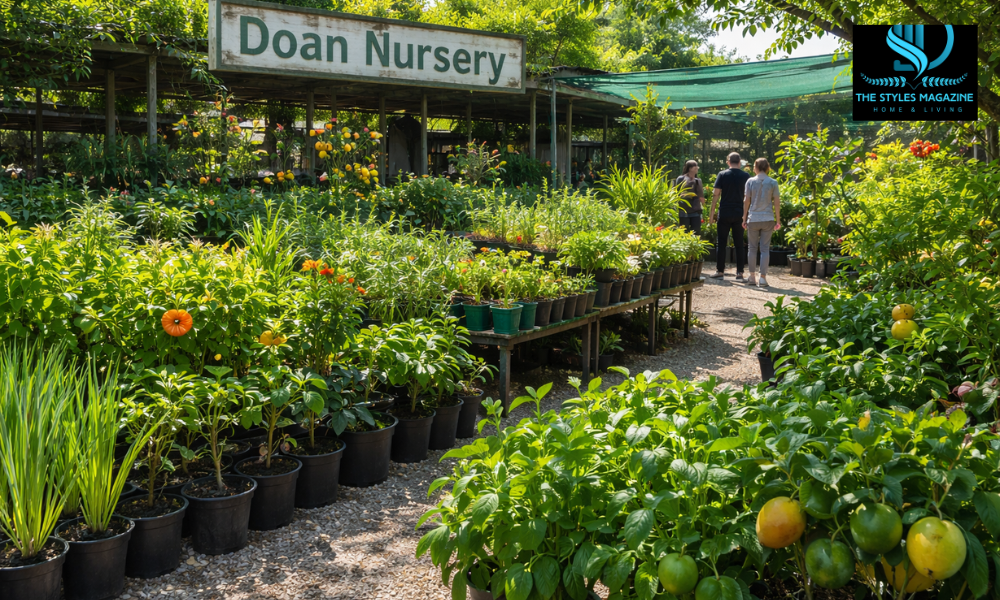
Buying from a fast growing trees nursery can be a good option when you want healthy plants and local advice. A quality nursery can help you choose trees that match your area, soil, and planting goal. This is especially helpful if you are unsure about hardiness zones, spacing, or mature size.
Before buying, look at the overall health of the tree. The trunk should be strong, the leaves or needles should look fresh, and the roots should not be badly crowded or circling the pot. Ask how large the tree will become, how fast it grows, how much sun it needs, and whether it has any common disease or pest issues in your area.
A good nursery should not only sell a tree; it should help you choose the right tree. Local knowledge is valuable because it can prevent costly mistakes. A tree that looks attractive online may not be the best choice for your climate or yard conditions.
Fast Growing Trees for Sale: What to Compare Before Buying
When looking for fast growing trees for sale, compare more than price. Local nurseries let you inspect the plant before buying, and the tree is often already suited to your region. Online sellers may offer more varieties and convenient delivery, but you should check shipping details, plant size, warranty, and return policy.
Tree size is especially important. A smaller tree may cost less and establish faster after planting, while a larger tree gives quicker visual impact but may need more careful watering. If buying online, read the product description closely. Make sure the tree matches your growing zone and available space.
Customer support also matters. A seller should provide clear planting instructions and care guidance. If there is a warranty, understand what it covers. Healthy trees can still fail if planted poorly, so good after-purchase guidance can make a big difference.
Fast Growing Trees Reviews and Reddit Opinions
Fast growing trees reviews can help you learn from real customer experiences before buying. Reviews may show whether trees arrived healthy, how well they grew after planting, and how helpful the seller was if problems happened. Look for patterns instead of focusing on one very good or very bad review.
Fast growing trees reddit discussions can also be useful because people often share honest experiences about what worked in their yard. You may find practical tips about watering, spacing, local climate, deer damage, or trees that grew too large too quickly. However, Reddit opinions should not be your only source of information because every yard is different.
Use reviews and discussions as extra guidance, not final proof. Combine them with trusted gardening information, local nursery advice, and your own site conditions. This balanced approach helps you make a better choice.
Online Buying Tips: Discount Codes, Account Features, and Order Safety
If you buy trees online, order from trusted sellers with clear contact details, real plant descriptions, and transparent policies. Be careful with offers that sound too good to be true. A very cheap tree may be small, weak, or poorly packed.
A fast growing trees discount code can be useful if it helps reduce the cost, but it should not be the main reason you choose a seller. Plant health, correct variety, shipping quality, and customer support are more important than saving a small amount.
If a website offers a fast growing trees my account section, use it for order tracking, shipping updates, plant care details, and purchase records. This can be helpful if you need to check delivery timing or contact support after your tree arrives. Always keep your order details and follow planting instructions as soon as the tree is delivered.
Common Mistakes to Avoid with Fast Growing Trees
One common mistake is planting too close to the house. Fast growing trees may look small at first, but many become large quickly. Planting near walls, roofs, pipes, or driveways can lead to future problems.
Another mistake is ignoring mature size. A tree that grows tall and wide needs room above ground and below ground. Choosing only by growth speed is also risky. Some very fast trees have weaker branches, shorter lifespans, or invasive habits in certain areas.
Homeowners also forget local climate needs. A tree must match your hardiness zone, heat level, rainfall, and soil type. Finally, many young trees fail because they are not watered properly during the first year. Deep, regular watering is often more helpful than light watering every day. Good early care helps the tree grow strong roots and settle into its new location.
Conclusion
Fast growing trees can quickly improve a yard by adding privacy, shade, wind protection, and natural beauty. They are a smart choice for homeowners who want visible results without waiting decades. The best options depend on your goal, whether that is a privacy screen, a shade canopy, a windbreak, or a tree that handles wet soil.
The most important step is choosing the right tree for the right place. Think about mature size, root space, climate, soil, sunlight, and long-term care before planting. A tree that fits your yard will grow better, look healthier, and create fewer problems over time.
When selected carefully, fast growing trees can make your outdoor space more comfortable, attractive, and valuable for many years.
FAQs
What Are Fast Growing Trees?
Fast growing trees are trees that increase in height quickly, usually around 2 feet or more per year. They are commonly planted for quick privacy, shade, wind protection, and landscape improvement.
Which Fast Growing Trees Are Best For Privacy?
Green Giant Arborvitae, Leyland Cypress, Eastern White Pine, and American Pillar Arborvitae are good choices for privacy. They grow tall, dense, and help block neighbors, roads, and open views.
Are Fast Growing Trees Good For Small Yards?
Yes, but only if you choose compact or narrow varieties. Small yards need trees that fit their mature size, such as American Pillar Arborvitae, Emerald Green Arborvitae, or smaller ornamental trees.
What Should I Check Before Buying Fast Growing Trees?
Check the tree’s mature size, growth rate, root behavior, sunlight needs, soil preference, and hardiness zone. Also compare nursery quality, shipping condition, warranty, and customer reviews before buying.
Do Fast Growing Trees Need A Lot Of Care?
Most fast growing trees need regular watering during the first year. After they are established, care depends on the tree type, soil, climate, spacing, and whether the tree is planted in the right location.
Enjoyed it? Find more exclusive content on The Styles Magazine.
Disclaimer: This article is for general gardening and landscaping information only. Tree growth, size, and performance can vary based on climate, soil, care, and local conditions. Always check your local growing zone and consult a trusted nursery or gardening expert before planting.