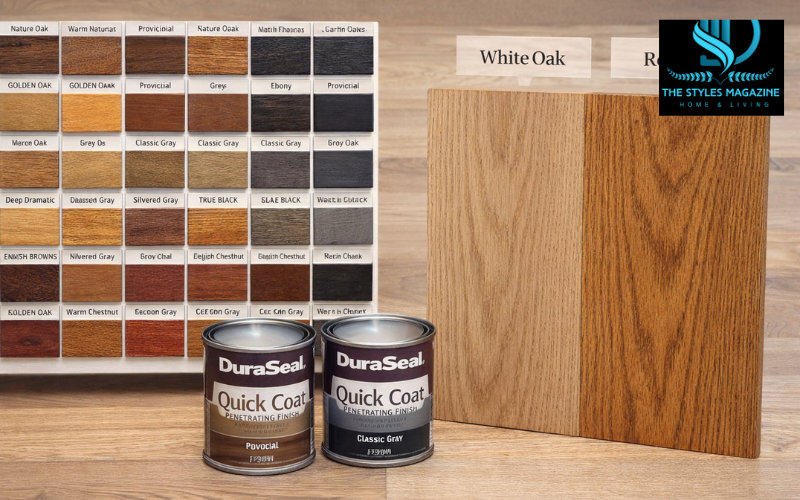
The DuraSeal stain chart is an important tool used by flooring professionals and homeowners to select the right stain color for hardwood floors. It displays a wide range of stain options that can be applied to wood surfaces, helping people visualize how different finishes may look once applied. Instead of guessing how a stain might appear on the floor, the chart provides a clear reference that makes the decision process easier.
The DuraSeal stain chart has become widely used in hardwood floor finishing because it offers a large selection of colors that work well with different interior styles. From light natural tones to deep dramatic shades, the chart helps users explore colors that enhance the natural beauty of wood while matching the design of a room. Flooring contractors often rely on this chart during consultations with clients because it simplifies color comparisons and helps set clear expectations.
Another reason the stain chart is valuable is that it allows both professionals and homeowners to see how stain colors interact with wood grain. Hardwood floors are rarely identical in color or texture, so choosing the right stain requires careful consideration. The chart provides visual examples that help people understand how the stain might influence the final appearance of the floor.
However, one important factor to remember is that stain colors can look different depending on the type of wood. For example, a stain applied to White Oak may appear cooler or more subtle, while the same stain on Red Oak may look warmer or slightly more vibrant. Because of these natural differences, testing stain samples directly on the wood surface is always recommended before completing a full floor finishing project.
Understanding the DuraSeal Quick Coat Stain System
The DuraSeal stain chart is closely connected to the Quick Coat Penetrating Finish system. This product line is designed specifically for hardwood flooring and is known for its reliable performance and consistent color results. The Quick Coat system includes a variety of stains that penetrate deep into the wood rather than sitting on the surface, which helps create a more natural appearance.
Penetrating stains are especially popular in hardwood finishing because they enhance the wood’s natural grain instead of covering it. When the stain soaks into the wood fibers, it highlights patterns and textures that make each floor unique. This approach allows the natural beauty of hardwood to remain visible while still providing the desired color tone.
Within the finishing process, the stain chart plays an important role by helping users choose the correct shade before the stain is applied. Contractors often show the chart to clients so they can compare colors and imagine how each option might look in their home. Once a color is selected, a small sample test is usually performed to confirm that the chosen stain works well with the wood species.
Professionals often prefer Quick Coat stains because they are designed to work efficiently in real flooring projects. The formula spreads easily across sanded wood surfaces and provides consistent coverage when applied correctly. Because of this reliability, the Quick Coat system has become a trusted option for many flooring specialists who want predictable and attractive results.
How the DuraSeal Stain Chart Is Organized
The DuraSeal stain chart features a collection of 36 packaged stain colors, each carefully developed to provide different design possibilities. These colors range from very light natural tones to deep dark finishes, allowing users to choose shades that match traditional, modern, or contemporary interiors.
To make the selection process easier, the colors in the chart are often grouped into several design-friendly palettes. Each palette reflects a different style preference. Some colors emphasize warm, classic wood tones, while others focus on modern greys or dramatic dark finishes. This organization helps people quickly narrow down their choices without feeling overwhelmed by too many options.
Another helpful feature of the chart is the use of color numbers alongside the stain names. Each stain has a unique identification number, which allows professionals to easily reference and order the correct product. For example, instead of only asking for a color name, a contractor can specify the stain number to ensure accuracy.
Visual stain charts are especially valuable because wood finishes can be difficult to imagine without seeing them. Lighting, wood grain, and surrounding décor can all influence how a stain appears in a room. By viewing the stain chart first, homeowners can compare shades side by side and make a more confident decision before starting the finishing process.
Popular DuraSeal Stain Colors
| Color Name | Number | Style Category | Typical Look |
| Golden Oak | 112 | Classic Wood Tone | Warm, natural honey color |
| Provincial | 111 | Classic Wood Tone | Balanced medium brown |
| Early American | 130 | Classic Wood Tone | Traditional rich brown |
| Dark Walnut | 171 | Deep & Dramatic | Dark brown with strong depth |
| Ebony | 131 | Deep & Dramatic | Very dark dramatic finish |
| True Black | 199 | Deep & Dramatic | Bold black statement floor |
| Classic Gray | 172 | Modern Neutral | Soft modern gray tone |
| Weathered Oak | 170 | Modern Neutral | Light weathered gray look |
| Silvered Gray | 181 | Modern Neutral | Cool gray with subtle tone |
| English Chestnut | 133 | Warm Brown | Rich warm reddish brown |
Classic Wood Tone Colors in the DuraSeal Stain Chart
Classic wood tones are among the most popular options in the DuraSeal stain chart because they highlight the natural warmth and character of hardwood floors. These colors are often chosen for homes that feature traditional or timeless interior styles.
Traditional wood stains tend to create a welcoming and comfortable atmosphere. They enhance the natural grain patterns in the wood while adding a soft warmth that works well in living rooms, dining areas, and other shared spaces. Many homeowners prefer these tones because they maintain the familiar look of natural hardwood while still improving its overall appearance.
Some of the most widely recognized classic colors in the chart include Golden Oak (112), Colonial Maple (140), Provincial (111), and Early American (130). Each of these shades offers a slightly different balance of warmth and richness. Golden Oak provides a bright, natural appearance, while Early American introduces deeper brown tones that add more depth to the wood.
These traditional colors remain popular because they complement many furniture styles and interior design choices. They also tend to age well, meaning the floors continue to look attractive even as design trends evolve over time.
Deep and Dramatic DuraSeal Stain Colors
For homeowners who want a bold and sophisticated look, the DuraSeal stain chart also includes several deep and dramatic stain options. Dark stains can create a striking contrast within a room and often bring a modern or upscale appearance to hardwood flooring.
Designers sometimes choose darker stains when they want to emphasize a more dramatic interior style. These colors work well in contemporary homes, luxury spaces, or rooms where the goal is to create a strong visual statement. Dark floors can also highlight lighter furniture and décor, making the overall design feel more balanced.
Popular deep shades in the chart include Ebony (131), Espresso (173), Dark Walnut (171), and True Black (199). These stains range from rich brown tones to nearly black finishes. Ebony and Espresso provide deep color while still allowing some wood grain to show through, whereas True Black creates a bold and highly dramatic appearance.
Although darker stains can look elegant, they also require careful preparation and application. Proper sanding and finishing are important to achieve a smooth, even result.
Modern Grey and Neutral Stain Options
In recent years, grey-toned hardwood floors have become increasingly popular in modern interior design. The DuraSeal stain chart includes several grey and neutral shades that are well suited for contemporary homes.
Grey stains provide a cooler appearance compared to traditional brown tones. They often pair well with minimalist décor, neutral color palettes, and modern furniture styles. Many homeowners choose grey finishes because they create a clean and understated look that feels both stylish and versatile.
Examples of modern grey shades in the chart include Classic Gray (172), Weathered Oak (170), Silvered Gray (181), Aged Barrel (185), and Rustic Beige (182). These colors vary from light soft greys to slightly warmer neutral tones. Each shade offers a unique balance between natural wood appearance and modern styling.
Because grey stains interact differently with various wood species, testing them on sample boards is especially important. The natural undertones in the wood can influence how the grey color appears after it dries.
Warm Brown and Red Tones in the DuraSeal Color Range
Warm brown and red-toned stains are another important part of the DuraSeal stain chart. These colors are often selected when homeowners want to highlight the natural richness and character of hardwood flooring.
Earthy tones tend to bring out the depth of wood grain patterns. They can create a cozy atmosphere that works well in homes with traditional or rustic design elements. Many people appreciate these stains because they emphasize the natural beauty of hardwood rather than dramatically changing its appearance.
Notable shades in this palette include English Chestnut (133), Sedona Red (143), Mesquite Red (122), and Coffee Brown (123). These colors add warmth and richness to the wood surface while still allowing the grain texture to remain visible.
Warm stains are particularly effective in rooms where natural light is present. Sunlight can enhance the depth and warmth of these tones, making the floors appear even more inviting.
How Wood Species Affect the Final Stain Color
One important aspect of using the DuraSeal stain chart is understanding that stain colors can appear different depending on the type of wood used for the floor. Two of the most common hardwood species used in flooring are Red Oak and White Oak, and each one reacts to stains in its own way.
Red Oak typically has stronger grain patterns and warmer natural undertones. Because of this, stains applied to Red Oak often appear slightly richer or more vibrant. White Oak, on the other hand, usually has a smoother grain and cooler undertones, which can make certain stains appear softer or more muted.
These differences mean that the same stain color may produce different results on different wood species. For this reason, professionals always recommend testing stain samples on the actual wood surface before completing a project. This step allows homeowners to see the true appearance of the stain under the lighting conditions of the room.
Red Oak vs White Oak Stain Results
| Feature | Red Oak | White Oak |
| Natural undertone | Warm, reddish | Cooler, neutral |
| Grain visibility | Strong open grain | Smoother grain |
| Stain appearance | Colors look warmer | Colors look cooler |
| Grey stain results | May appear slightly brown | Looks cleaner grey |
| Popular styles | Traditional warm floors | Modern neutral floors |
Popular Custom Stain Mixes Used by Professionals
Although the DuraSeal stain chart includes many ready-made colors, professional finishers sometimes mix stains together to achieve unique shades. Custom blending allows contractors to create colors that match specific design preferences or interior styles.
For example, combining Provincial with Special Walnut can produce a warm medium-brown tone that balances richness with subtle warmth. Another common combination is Weathered Oak with Classic Gray, which can create a balanced grey finish that feels modern but still natural.
A lighter custom blend can also be achieved by mixing Neutral with Country White. This mixture creates a very subtle finish that enhances the wood without dramatically changing its natural color.
Custom blending requires experience because small changes in mixing ratios can affect the final color. Professionals typically test these blends on sample boards to ensure the desired result is achieved before applying the stain to the entire floor.
Performance Features of DuraSeal Quick Coat Stains
In addition to offering a wide range of colors, the Quick Coat stain system also provides practical performance benefits that make it suitable for professional flooring work.
One of the key features is the relatively quick drying time. In many cases, the stain can be top-coated within approximately two hours, which helps speed up the finishing process. This faster turnaround can be helpful in renovation projects where time is limited.
Coverage is another important factor. When applied correctly, one gallon of stain can typically cover about 500 square feet of wood flooring. This efficient coverage helps make the product practical for larger spaces.
The stain system is also designed with environmental considerations in mind. It is GREENGUARD certified, meaning it meets certain standards for low chemical emissions. This certification is helpful for indoor environments where air quality is important.
Finally, the stain is compatible with both oil-based and water-based finishes. This flexibility allows contractors to choose the finishing system that best suits the needs of the project.
Tips for Choosing the Right Color From the DuraSeal Stain Chart
Selecting the right stain color involves more than simply choosing a shade from the chart. Several factors can influence how the final floor will look once the stain and finish are applied.
Interior design style plays an important role. Traditional homes often benefit from warm wood tones, while modern interiors may work better with grey or neutral finishes. The size of the room can also affect color choice. Lighter stains can help smaller rooms feel more open, while darker stains may create a more dramatic appearance in larger spaces.
Lighting conditions are another important consideration. Natural light and artificial lighting can change how a stain color appears throughout the day. Testing stain samples on small boards placed within the room can provide a more accurate idea of the final look.
Finally, the stain should complement existing elements such as furniture, cabinets, and wall colors. Coordinating these elements helps create a cohesive design that feels balanced and visually appealing.
Conclusion
The DuraSeal stain chart is a valuable resource for anyone involved in hardwood floor finishing. By presenting a wide selection of colors in a clear and organized format, the chart helps homeowners and professionals choose stain options that enhance the natural beauty of wood.
Understanding the different stain categories—from classic wood tones to modern greys and dramatic dark finishes—makes it easier to identify the best option for a particular interior style. At the same time, recognizing how wood species like Red Oak and White Oak influence stain appearance is essential for achieving the desired result.
Testing stain samples, considering room lighting, and selecting colors that complement the overall design are all important steps in the decision process. With the guidance provided by the DuraSeal stain chart, homeowners and flooring professionals can approach hardwood finishing projects with greater confidence and clarity.
Frequently Asked Questions (FAQs)
How Many Colors Are In The Duraseal Stain Chart?
The DuraSeal stain chart includes 36 standard stain colors designed for hardwood floors, ranging from light natural tones to deep dark finishes.
Do Duraseal Stains Look Different On Red Oak And White Oak?
Yes. Red Oak usually produces warmer stain results, while White Oak tends to show cooler and more neutral tones. This is why stain testing is recommended before finishing a floor.
What Is The Most Popular Duraseal Stain Color?
Some of the most commonly chosen colors include Provincial, Early American, Dark Walnut, Weathered Oak, and Classic Gray because they match many interior styles.
How Long Does Duraseal Quick Coat Stain Take To Dry?
DuraSeal Quick Coat stains typically allow a topcoat to be applied in about two hours, depending on temperature and humidity.
Can Duraseal Stains Be Mixed To Create Custom Colors?
Yes. Flooring professionals often mix stains to achieve custom shades. Popular blends include Provincial + Special Walnut and Weathered Oak + Classic Gray.
Disclaimer: This article is intended for informational and educational purposes only. Stain results may vary depending on wood species, surface preparation, lighting conditions, and finishing techniques. Always test stain samples and consult a flooring professional before making final finishing decisions.
Loved Reading This? Discover More Exclusive Stories And Updates At The Styles Magazine!