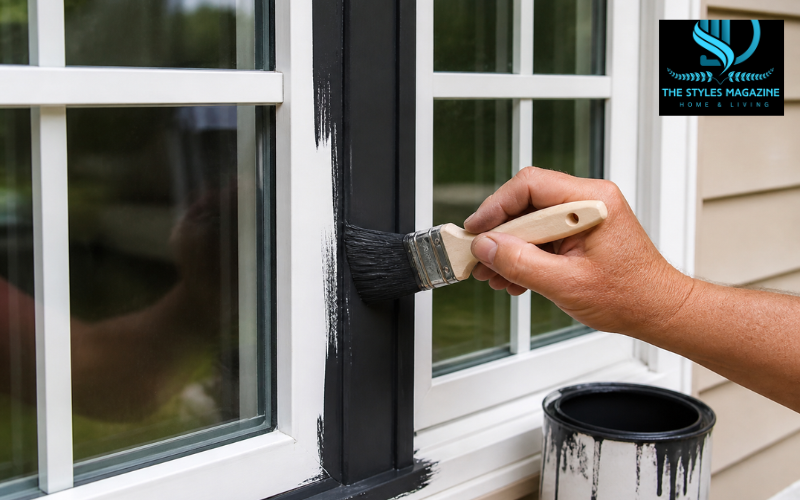
If you’ve ever looked at your windows and thought they felt outdated or didn’t match your home’s style, you’re not alone. Many homeowners wonder, can you paint vinyl windows instead of replacing them entirely. The idea is simple: painting seems like a quick and affordable way to refresh the look of your home without the high cost of new windows.
Vinyl windows are popular because they are durable, low-maintenance, and resistant to moisture. However, they usually come in limited colors, often white or beige. Over time, these colors may feel dull or no longer fit your design preferences, especially if you’ve updated your home’s interior or exterior.
While painting vinyl windows is possible, it comes with important limitations and risks. It’s not as straightforward as painting wood or metal. Factors like heat, paint type, and preparation all play a big role in how successful the result will be. In some cases, painting can work well, but in others, it may lead to peeling, warping, or even damage to the window itself.
Understanding when it makes sense to paint vinyl windows—and how to do it correctly—can help you make the right decision for your home.
Painting Vinyl Windows
| Factor | Key Insight |
| Is it possible? | Yes, but requires proper prep and materials |
| Manufacturer stance | Usually not recommended (voids warranty) |
| Best paint type | 100% acrylic latex (vinyl-safe) |
| Primer needed? | Yes, bonding primer is essential |
| Safe colors | Light shades (high LRV) |
| Avoid | Dark colors like black (heat risk) |
| Method | Brush or spray (thin coats) |
| Lifespan | 5–7 years before repainting |
Can You Paint Vinyl Windows? The Real Answer
The short answer is yes, you can paint vinyl windows—but only if you follow the right process and understand the risks involved.
Vinyl is a smooth, non-porous material, which means standard paint does not stick to it easily. Without proper preparation and the right products, the paint will likely peel or chip within a short time. This is one of the main reasons why manufacturers typically advise against painting vinyl windows.
Another important factor is expansion and contraction. Vinyl naturally expands in heat and contracts in cooler temperatures. If the paint you use is not flexible enough, it may crack or fail over time. This is why only specific types of paint, often labeled as “vinyl-safe,” are recommended.
Despite these concerns, painting can still be worth considering in certain situations. For example, if your windows are in good condition but you want to update their appearance, painting may offer a budget-friendly solution. It can also work well for interior vinyl frames where exposure to harsh weather is limited.
However, it’s important to approach this project with realistic expectations. Painting vinyl windows is not a permanent upgrade, and it requires careful execution to achieve a durable finish.
Why Painting Vinyl Windows Is Not Always Recommended
One of the biggest concerns when painting vinyl windows is the impact on the manufacturer’s warranty. Most window manufacturers clearly state that painting the frames will void the warranty. This means that if something goes wrong—such as warping, cracking, or seal failure—you may no longer be eligible for repairs or replacements.
The material itself also presents challenges. Vinyl is designed to be low-maintenance, and part of that advantage comes from its factory finish. This finish is smooth and resistant to dirt and moisture, but it also makes it difficult for paint to adhere properly. Even with the right preparation, the bond between paint and vinyl is not as strong as it would be on wood or fiberglass.
Over time, durability becomes another issue. Painted vinyl windows are more likely to show signs of wear, such as fading, peeling, or chipping. Exposure to sunlight, temperature changes, and moisture can speed up this process, especially on exterior surfaces.
These factors don’t mean painting is impossible, but they do explain why it is often not the first recommendation. It’s a trade-off between cost savings and long-term performance.
Interior vs Exterior: What Changes When Painting Vinyl Windows
When deciding whether you can paint vinyl windows, it’s important to consider whether the work will be done on the interior or exterior surfaces. The conditions in each area are very different, and this affects how well the paint will perform.
Interior vinyl windows are generally easier to paint. They are protected from direct sunlight, rain, and extreme temperature changes. This means the paint is less likely to fade or peel quickly. If your goal is to update the look of your indoor space, painting interior vinyl frames can be a practical option.
Exterior vinyl windows, on the other hand, face much harsher conditions. Sun exposure can cause paint to fade, while heat can lead to expansion and potential warping. Rain and humidity can also weaken the paint over time. Because of this, exterior painting requires more careful preparation, higher-quality materials, and realistic expectations about maintenance.
In both cases, proper cleaning and priming are essential. However, exterior projects demand extra attention to detail and product selection to ensure the finish lasts as long as possible.
Choosing the Right Color: What You Need to Know Before Painting
Color choice plays a bigger role than many people expect when painting vinyl windows. It’s not just about style—it also affects how the material reacts to heat.
One common question is whether you can paint vinyl windows black. While darker colors can look modern and attractive, they also absorb more heat from sunlight. This heat can cause the vinyl to expand beyond its normal limits, leading to warping or even damage to the window structure.
This is where Light Reflectance Value, or LRV, becomes important. LRV measures how much light a color reflects. Higher LRV values mean the color reflects more light and absorbs less heat. For vinyl windows, it’s generally safer to choose colors with a higher LRV, as they reduce the risk of heat-related issues.
Lighter shades such as soft gray, cream, or light beige are typically safer choices. These colors not only protect the window material but also tend to hold up better over time.
Choosing the right color is not just about appearance—it’s a key step in protecting your windows and ensuring a longer-lasting finish.
The Best Paint Options for Vinyl Windows
Using the right paint is essential if you want a successful result. Not all paints are suitable for vinyl, and choosing the wrong type can lead to peeling or cracking.
The best paint for vinyl windows is usually 100% acrylic latex paint. This type of paint is flexible, which allows it to expand and contract with the vinyl without breaking. It also provides better adhesion compared to standard paints.
Some brands offer products specifically designed for difficult surfaces like vinyl. For example, paints from Sherwin-Williams, particularly those labeled for trim or exterior use, are often recommended because of their durability and smooth finish.
In addition to the paint itself, a bonding primer is crucial. Primers designed for slick surfaces help the paint stick properly and create a more durable base. Without this step, even high-quality paint may not last.
Choosing the right combination of primer and paint can make a significant difference in how well your painted windows perform over time.
Can You Spray Paint Vinyl Windows? Pros and Cons
Spray painting is another option many homeowners consider when working on vinyl windows. It can provide a smooth, even finish that is difficult to achieve with a brush.
Spray painting works well when you want a professional-looking result with minimal brush marks. It is especially useful for larger window frames or when covering detailed areas. However, it requires careful preparation, including masking surrounding surfaces to avoid overspray.
There are also some drawbacks. Spray painting can be messy if not done properly, and it may require more equipment and setup time. It’s also easy to apply too much paint at once, which can lead to drips or uneven coverage.
When done correctly, spray painting can produce excellent results. However, it requires patience and attention to detail to avoid common mistakes.
Step-by-Step Preparation Before Painting Vinyl Windows
Preparation is one of the most important parts of painting vinyl windows. Skipping or rushing this step can lead to poor results, no matter how good the paint is.
The process begins with thorough cleaning. Dirt, grease, and residue must be removed to ensure the paint can stick properly. A mild detergent and water are usually enough for this step.
After cleaning, light sanding helps create a slightly rough surface for better adhesion. This step does not require heavy sanding—just enough to dull the glossy finish.
Applying a bonding primer is the next critical step. This type of primer is designed specifically for smooth surfaces like vinyl and helps the paint adhere more effectively.
Proper preparation may take time, but it sets the foundation for a successful and long-lasting finish.
How to Paint Vinyl Windows for a Long-Lasting Finish
Once the surface is properly prepared, the painting process can begin. The key to a good result is applying the paint in thin, even layers.
Using multiple thin coats instead of one thick coat helps prevent drips and ensures better adhesion. Each layer should be allowed to dry completely before applying the next.
It’s also important to follow the recommended drying and curing times. While the paint may feel dry to the touch quickly, it often takes longer to fully cure and reach maximum durability.
Taking your time during this stage can make a big difference in the final appearance and longevity of the paint.
Maintenance and Lifespan of Painted Vinyl Windows
Painted vinyl windows do not last as long as factory-finished ones. Over time, the paint may begin to fade, chip, or peel, especially on exterior surfaces.
In most cases, you can expect to repaint vinyl windows every five to seven years, depending on the conditions and quality of the work. Regular cleaning can help extend the life of the paint by preventing buildup that may cause damage.
Routine inspections are also helpful. Addressing small issues early, such as minor peeling, can prevent larger problems later.
While maintenance is required, proper care can help keep painted windows looking fresh for a longer period.
Alternatives to Painting Vinyl Windows
If painting does not seem like the right option, there are alternatives to consider. Replacing the windows entirely is one solution, although it can be more expensive.
Another option is using vinyl wraps or coatings designed specifically for window frames. These can provide a new look without the risks associated with paint.
In some cases, leaving the windows as they are may be the best choice, especially if they are still in good condition and function well.
Exploring these alternatives can help you find the solution that best fits your needs and budget.
Can You Paint Fiberglass Windows Instead?
If you’re comparing materials, you might wonder whether fiberglass windows are easier to paint. The answer is yes—fiberglass is much more paint-friendly than vinyl.
Fiberglass has a slightly porous surface, which allows paint to adhere more effectively. It also expands and contracts less than vinyl, reducing the risk of cracking or peeling.
Because of these properties, painting fiberglass windows is generally more reliable and longer-lasting. If you are planning to replace your windows in the future and want the option to change colors, fiberglass may be a better choice.
Common Mistakes to Avoid When Painting Vinyl Windows
One of the most common mistakes is skipping the primer. Without a bonding primer, the paint is unlikely to stick properly, leading to early failure.
Another mistake is using dark or non-vinyl-safe paints. These can absorb too much heat and cause damage to the window frames.
Poor surface preparation is also a major issue. Even the best paint will not perform well if the surface is dirty or not properly sanded.
Avoiding these mistakes can greatly improve your chances of achieving a successful result.
Conclusion
So, can you paint vinyl windows? Yes, but it requires careful planning, the right materials, and a clear understanding of the risks. While painting can be a cost-effective way to update the look of your windows, it is not always the most durable or recommended solution.
Factors like warranty concerns, heat sensitivity, and long-term maintenance should all be considered before starting the project. Proper preparation and the use of vinyl-safe products can improve the outcome, but they cannot eliminate all potential issues.
In the end, the decision comes down to your priorities. If you’re looking for a temporary update and are willing to maintain it over time, painting may be a good option. However, if you want a long-term, low-maintenance solution, exploring alternatives like replacement or specialized coatings may be the better choice.
By understanding the process and setting realistic expectations, you can make a confident and informed decision that works best for your home.
FAQs
Can You Paint Vinyl Windows Black?
Yes, but it’s risky. Dark colors absorb more heat, which can cause vinyl to warp or crack. Lighter colors with higher reflectance are safer and last longer.
What Is The Best Paint For Vinyl Windows?
The best paint is 100% acrylic latex labeled as vinyl-safe. It remains flexible and sticks better to vinyl, reducing the chances of peeling or cracking over time.
Can You Spray Paint Vinyl Windows?
Yes, spray painting works well for a smooth finish. However, it requires careful masking and thin coats to avoid drips and uneven coverage.
How Long Does Paint Last On Vinyl Windows?
Painted vinyl windows typically last 5 to 7 years. Exterior surfaces may wear faster due to sunlight and weather exposure, requiring more frequent maintenance.
Does Painting Vinyl Windows Void The Warranty?
In most cases, yes. Manufacturers usually void the warranty if the vinyl frames are painted, so it’s important to consider this before starting.
Enjoyed it? Find more exclusive content on The Styles Magazine.
Disclaimer: This content is for informational purposes only. Results may vary based on materials, environment, and application methods. Always follow manufacturer guidelines and consult professionals if unsure before painting vinyl windows.