Lifeproof flooring has become one of the most talked-about flooring options for modern homes, especially among homeowners looking for a balance of durability, style, and easy maintenance. In simple terms, Lifeproof flooring is a type of luxury vinyl flooring designed to resist water, scratches, stains, and everyday wear. It is mainly known for its waterproof rigid core construction, which makes it suitable for busy households and moisture-prone spaces.
Over the past few years, Lifeproof flooring has gained popularity because many homeowners want flooring that looks attractive without requiring constant care. Traditional hardwood floors can be beautiful, but they are often vulnerable to water damage and scratches. Carpet may feel soft, but it can stain easily and trap dirt. Lifeproof vinyl flooring offers an alternative that combines the appearance of wood or stone with easier maintenance and stronger water resistance.
This flooring works particularly well in kitchens, bathrooms, laundry rooms, living rooms, and basements. Since it is designed to handle moisture and heavy foot traffic, many families choose it for homes with pets and children. Another reason for its popularity is the wide variety of colors and finishes available, allowing homeowners to match different interior styles without sacrificing performance.
In this guide, readers will learn what makes Lifeproof flooring different from traditional flooring, the various styles available, installation basics, durability expectations, customer reviews, and how to choose the right option for different areas of the home.
Quick Guide Table
| Feature | Lifeproof Flooring |
| Flooring Type | Luxury Vinyl Plank (LVP) & Tile (LVT) |
| Core Material | SPC Rigid Core |
| Waterproof | Yes |
| Best For | Bathrooms, kitchens, basements, living rooms |
| Installation Type | Click-lock floating floor |
| Pet Friendly | Yes |
| Scratch Resistance | High |
| Maintenance | Low |
| DIY Installation | Yes |
| Main Seller | The Home Depot |
What Makes Lifeproof Flooring Different From Traditional Flooring
One of the biggest differences between Lifeproof flooring and traditional flooring materials is its rigid core construction. Most Lifeproof products use an SPC core, which stands for Stone Polymer Composite. This core provides strength and stability while helping the flooring resist moisture and dents. Unlike hardwood, which can expand or warp when exposed to water, Lifeproof flooring is designed to remain stable even in humid conditions.
Another important difference is that Lifeproof vinyl flooring is fully waterproof. Standard vinyl flooring may resist spills to some extent, but lower-quality vinyl products can still allow moisture to seep through seams over time. Lifeproof flooring is specifically designed to protect against water damage, making it practical for areas where spills and humidity are common.
Comfort is another feature that attracts many homeowners. Most Lifeproof flooring products come with a pre-attached underlayment that helps reduce noise and provides a softer feel underfoot. This makes walking more comfortable compared to harder flooring materials like ceramic tile or stone.
In everyday use, Lifeproof flooring is appreciated because it combines appearance with convenience. It offers the look of natural wood or stone while being easier to maintain and more resistant to daily wear.
Understanding the Different Types of Lifeproof Vinyl Flooring
Lifeproof flooring is available in several formats, but the two most common are Luxury Vinyl Plank, also known as LVP, and Luxury Vinyl Tile, commonly called LVT. LVP is designed to imitate the appearance of hardwood flooring, while LVT replicates the look of natural stone or ceramic tile.
Luxury Vinyl Plank is especially popular because it captures the texture and grain patterns of real wood while offering much better water resistance. Many homeowners choose wood-look Lifeproof flooring because it creates a warm and inviting appearance without the maintenance concerns associated with real hardwood.
Luxury Vinyl Tile is often selected for bathrooms, kitchens, and laundry areas because it provides the visual appeal of tile with a softer and warmer surface. Some Lifeproof tile styles even include grout-like detailing for a more realistic appearance.
Another major feature is SPC core technology. The stone-based core adds stability and helps prevent movement caused by temperature or moisture changes. This makes Lifeproof flooring more reliable in areas where traditional flooring materials may struggle.
Lifeproof Flooring Colors and Style Options for Every Room
One reason Lifeproof flooring appeals to so many homeowners is the wide range of colors and designs available. Whether someone prefers a modern, rustic, classic, or minimalist style, there are flooring options to match nearly every type of interior.
Popular wood-tone finishes include oak, maple, walnut, and hickory-inspired designs. Light gray and soft beige tones remain common choices for contemporary homes because they create an open and airy feeling. Darker walnut and espresso shades are often chosen for formal spaces or homes with a more traditional design.
Rustic styles with distressed textures are also popular because they add warmth and character to living rooms and bedrooms. Meanwhile, stone-look Lifeproof vinyl flooring offers clean and elegant finishes suitable for modern kitchens and bathrooms.
Choosing the right flooring color can affect how a room feels. Light-colored flooring tends to make small rooms appear larger and brighter, while darker shades create a cozy and sophisticated atmosphere. Homeowners should also consider lighting conditions, furniture colors, and wall tones when selecting flooring.
Because Lifeproof flooring comes in so many patterns and finishes, it can easily complement a variety of interior design themes, from farmhouse and industrial styles to modern and coastal-inspired homes.
Why Lifeproof Flooring Works Well in Bathrooms and Moisture-Prone Areas
Bathrooms, kitchens, laundry rooms, and basements are often difficult spaces for traditional flooring materials because of constant exposure to moisture. Lifeproof flooring performs especially well in these environments because of its waterproof construction.
Unlike laminate flooring, which can swell if water reaches the core, Lifeproof vinyl flooring is designed to resist moisture from spills, splashes, and humidity. Hardwood flooring may also develop warping or discoloration in damp conditions, making vinyl flooring a more practical option for moisture-prone rooms.
Another advantage is the textured surface found on many Lifeproof flooring products. This texture can improve traction and reduce slipperiness compared to polished tile surfaces. While no flooring is completely slip-proof, textured vinyl flooring can provide better grip in bathrooms and kitchens.
Some homeowners worry about standing water or long-term humidity exposure. Although Lifeproof flooring handles moisture well, it is still important to clean up excessive water promptly and ensure proper installation around edges and seams.
Lifeproof Flooring Installation: What Homeowners Should Know
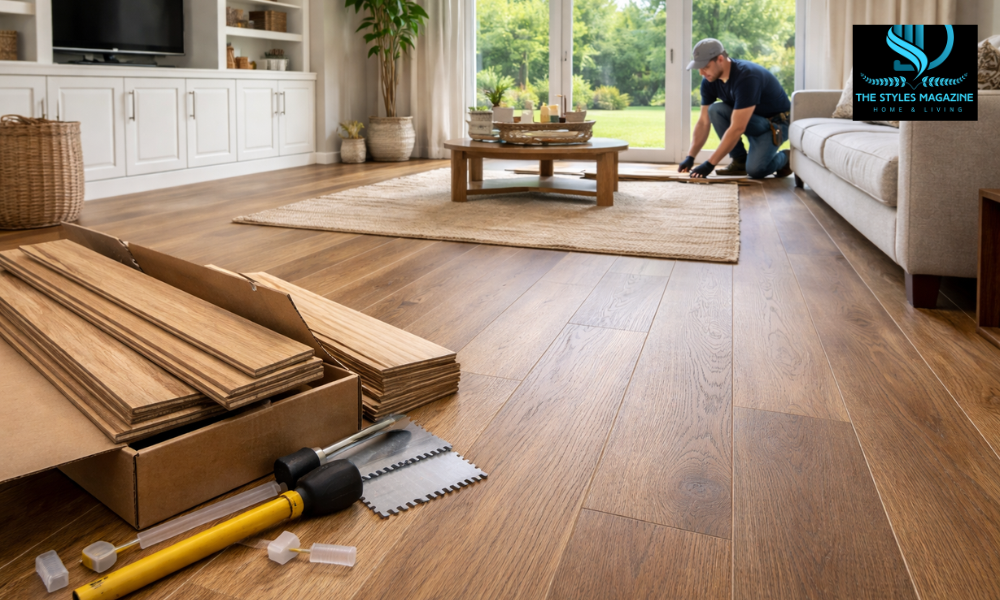
Lifeproof flooring installation is often considered DIY-friendly because most products use a click-lock system. This floating floor design allows planks or tiles to connect together without glue or nails in many cases.
For homeowners who enjoy home improvement projects, installation can be manageable with basic tools such as a utility knife, tapping block, spacers, and rubber mallet. However, preparation is important for achieving good results.
The subfloor should be clean, dry, and level before installation begins. Uneven surfaces may create movement or gaps over time. One advantage of Lifeproof flooring is that it can often be installed over existing hard surfaces such as tile, concrete, or plywood, which can reduce renovation costs.
Although the installation process is relatively straightforward, mistakes can still happen. Some common issues include failing to leave expansion gaps near walls, improper plank alignment, or installing over uneven surfaces. Careful planning and accurate measurements are important for long-lasting performance.
Durability, Scratch Resistance, and Everyday Performance
Durability is one of the strongest selling points of Lifeproof flooring. Most products include a protective wear layer designed to resist scratches, stains, dents, and daily wear. The thickness of the wear layer varies between collections, with higher-end options providing greater protection for busy households.
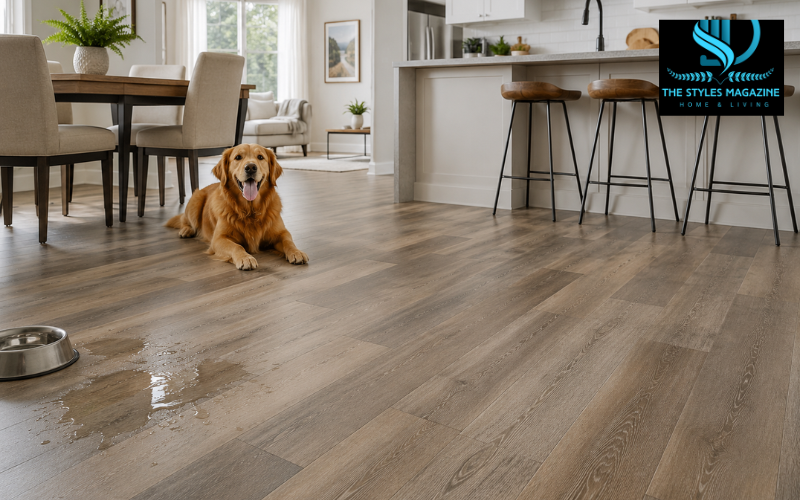
Homes with pets and children often benefit from Lifeproof flooring because it handles heavy foot traffic better than many traditional materials. Pet claws, dropped toys, and furniture movement are less likely to cause serious damage compared to hardwood floors.
The flooring is also resistant to stains from food, drinks, and everyday household messes. This makes cleaning easier and helps maintain the appearance of the floor over time.
Long-term durability depends on proper installation and maintenance, but many homeowners report that Lifeproof flooring continues to look attractive for years with normal care. While deep scratches or damage can still occur under extreme conditions, the flooring generally performs well in active households.
Real Lifeproof Flooring Reviews and Customer Experiences
Lifeproof flooring reviews are generally positive, especially among homeowners looking for affordable waterproof flooring. Many users praise the realistic wood appearance, easy maintenance, and comfortable feel underfoot.
Customers frequently mention that the flooring performs well in homes with pets and children. The waterproof construction is another commonly praised feature, particularly in kitchens and bathrooms where spills happen regularly.
However, not every review is completely positive. Some homeowners mention that lower wear layer options may show scratches over time in very busy areas. Others note that installation quality plays a major role in long-term performance. Poor subfloor preparation can sometimes lead to movement, noise, or gaps between planks.
When comparing online reviews with real-world performance, expectations are important. Lifeproof flooring is designed to offer strong value and convenience, but it may not fully replicate the feel of premium hardwood or natural stone. Still, many homeowners consider it a practical and attractive solution for modern living.
Lifeproof Flooring Manufacturer and Brand Background
Lifeproof flooring is sold exclusively through The Home Depot, which has helped make the brand widely available across the United States. The brand is known for offering a broad selection of waterproof vinyl flooring products designed for residential use.
Different manufacturing partners produce Lifeproof flooring collections, but the brand maintains consistent quality standards focused on durability, waterproof performance, and ease of installation. Most products include residential warranties that provide long-term protection for homeowners.
Compared to some luxury vinyl flooring manufacturers, Lifeproof flooring is often viewed as a mid-range option that balances affordability with reliable performance. While there are premium brands with thicker materials and specialized features, Lifeproof remains popular because it offers practical benefits at a competitive price point.
Cleaning and Maintaining Lifeproof Flooring the Right Way
One reason many homeowners choose Lifeproof flooring is its low-maintenance nature. Daily care is usually simple and involves sweeping, vacuuming, or using a microfiber mop to remove dust and dirt.
For deeper cleaning, damp mopping with a pH-neutral cleaner is generally recommended. Excessive water should still be avoided, even though the flooring is waterproof, because standing moisture around edges may affect installation over time.
Harsh chemicals, abrasive scrubbers, and steam mops should be avoided. High heat from steam cleaning can potentially weaken click-lock seams and damage the flooring surface.
Protective pads under furniture and regular cleaning can help preserve the appearance of Lifeproof flooring for many years. Simple maintenance habits often make a noticeable difference in long-term performance.
Common Problems Homeowners May Experience
Although Lifeproof flooring offers many advantages, homeowners may still experience occasional issues. Gaps between planks can occur if the floor is installed incorrectly or if expansion space is not properly maintained around walls.
Scratches and surface wear are also possible, especially in high-traffic areas or when heavy furniture is dragged across the floor. Choosing a thicker wear layer can reduce this risk.
Temperature changes may cause slight expansion and contraction, although SPC core construction helps minimize this problem compared to traditional materials. Proper installation remains essential for preventing movement and seam separation.
Lifeproof flooring may not always be the ideal choice for every situation. Some homeowners prefer the natural texture and resale value of genuine hardwood, while others may want the extremely hard surface of ceramic tile for specific applications.
Lifeproof Flooring vs Other Popular Flooring Options
Compared to laminate flooring, Lifeproof flooring offers significantly better water resistance. Laminate can be vulnerable to moisture damage, while Lifeproof vinyl flooring is designed specifically for wet environments.
When compared to hardwood flooring, Lifeproof flooring requires less maintenance and costs less in many cases. However, hardwood may provide a more authentic natural appearance and can sometimes increase home value.
Tile flooring is highly durable and waterproof, but it can feel cold and hard underfoot. Lifeproof flooring provides a warmer and quieter walking surface while still offering moisture resistance.
Against other luxury vinyl plank brands, Lifeproof flooring competes well in terms of affordability, style variety, and availability. Premium brands may offer thicker materials or advanced textures, but Lifeproof remains a strong option for many homeowners.
How to Choose the Right Lifeproof Flooring for Your Home
Choosing the right Lifeproof flooring depends on lifestyle, room usage, and budget. Homes with pets, children, or heavy foot traffic often benefit from products with thicker wear layers for added durability.
Lighter flooring colors can help small rooms feel larger and brighter, while darker tones create warmth and contrast in spacious areas. Homeowners should also consider existing furniture, wall colors, and natural lighting when selecting styles.
For high-moisture spaces like bathrooms and basements, waterproof vinyl flooring with textured surfaces may provide the best combination of safety and practicality.
Budget is another important factor. While premium collections may cost more initially, they can provide longer-lasting protection and improved appearance over time. Balancing style, durability, and maintenance needs helps homeowners make a smarter flooring decision.
Is Lifeproof Flooring Worth It for Modern Homes?
For many households, Lifeproof flooring offers a practical combination of durability, waterproof protection, and attractive design. Its ability to handle moisture, scratches, and daily wear makes it suitable for busy modern homes.
The flooring works especially well for families with pets and children, as well as homeowners looking for lower-maintenance alternatives to hardwood or tile. The wide variety of styles also allows homeowners to create different looks without sacrificing functionality.
At the same time, Lifeproof flooring may not fully replace the natural appearance and feel of premium hardwood for those seeking luxury materials. Still, its affordability, water resistance, and easy maintenance make it a strong choice for many living spaces.
Conclusion
Lifeproof flooring has become a popular flooring solution because it combines waterproof performance, durability, and stylish design in one practical product. From bathrooms and kitchens to living rooms and basements, it offers flexibility for many areas of the home.
Its rigid core construction, easy installation system, and wide range of colors make it appealing for homeowners who want attractive flooring without the maintenance challenges of traditional materials. Real customer reviews also show that Lifeproof flooring performs well in busy households with pets, children, and heavy foot traffic.
While no flooring option is perfect for every situation, Lifeproof vinyl flooring provides a balanced mix of affordability, convenience, and long-term usability. Choosing the right style and wear layer based on lifestyle and room needs can help homeowners enjoy reliable performance and attractive flooring for years to come.
FAQs
Is Lifeproof Flooring Really Waterproof?
Yes, Lifeproof flooring is designed with a waterproof rigid core that helps prevent damage from spills, moisture, and humidity in bathrooms, kitchens, and basements.
Does Lifeproof Flooring Scratch Easily?
Lifeproof flooring is scratch-resistant, but heavy furniture, sharp objects, and constant wear can still leave marks over time, especially on thinner wear layers.
Can Lifeproof Flooring Be Installed Over Existing Floors?
Yes, in many cases it can be installed over tile, concrete, vinyl, or plywood if the surface is clean, dry, and level.
Is Lifeproof Flooring Good For Pets And Kids?
Yes, many homeowners choose Lifeproof flooring because it handles scratches, spills, pet activity, and daily foot traffic better than many traditional flooring materials.
How Long Does Lifeproof Flooring Last?
With proper installation and maintenance, Lifeproof flooring can last many years, especially products with thicker wear layers and strong SPC core construction.,
Enjoyed it? Find more exclusive content on The Styles Magazine.
Disclaimer: This article is for informational and educational purposes only. Product specifications, warranties, pricing, and availability may change over time. Readers should verify details directly from manufacturers, retailers, or flooring professionals before making a purchase or installation decision.