Black mold removal means safely cleaning, removing, and preventing dark mold growth from surfaces inside a home. It is not only about wiping away black stains. Real mold removal also means finding the moisture problem that allowed the mold to grow in the first place.
Black mold should not be ignored because it can spread over time and damage walls, ceilings, wood, carpet, and other materials. It can also make indoor air feel unhealthy, especially for people with allergies, asthma, weak immune systems, or breathing problems. Even when mold looks like a small stain, it may be a sign of a hidden leak, high humidity, or poor ventilation.
In many cases, homeowners can handle small mold spots if the affected area is limited and the right safety steps are followed. A small patch on bathroom grout, a window frame, or a hard surface may be cleaned carefully with proper protection. However, large mold growth, mold inside an HVAC system, or mold caused by sewage water should not be treated as a simple DIY job. These situations need a trained professional because disturbing the mold can spread spores and make the problem worse.
This guide explains how black mold removal works, what safety gear you need, which cleaning products may help, when to use a black mold removal spray, what affects black mold removal cost, and how to stop mold from coming back.
Quick Guide Table: Black Mold Removal
| Situation | Best Action | DIY or Pro? |
| Small mold spot under 10 sq. ft. | Wear safety gear, contain the area, clean with the right product, and dry fully | DIY may be okay |
| Mold on tile, glass, or metal | Use a suitable cleaner, wipe carefully, rinse if needed, and dry | DIY may be okay |
| Mold on drywall, carpet, or insulation | Check how deep the mold has spread; damaged material may need removal | Pro recommended if heavy |
| Mold inside HVAC system | Do not run the system; get professional inspection and cleaning | Professional |
| Mold from sewage or floodwater | Avoid direct cleanup because contamination may be present | Professional |
| Mold keeps coming back | Find and fix leaks, humidity, or ventilation issues | Pro inspection may help |
Understanding Black Mold and Why It Grows
Black mold often appears as dark green, black, or brown patches. It may look slimy when wet and powdery when dry. Sometimes it has a musty smell before you even see it. Many people notice it first in damp corners, around windows, behind furniture, under sinks, or near water-damaged walls.
The most common places for black mold include bathrooms, basements, laundry rooms, ceilings, windowsills, and areas around plumbing leaks. It can also grow behind drywall, under flooring, inside cabinets, or around roof leaks. Mold does not need much to grow. It only needs moisture, a food source, and the right temperature. Drywall paper, wood, dust, fabric, and carpet can all provide a surface for mold growth.
Moisture is the main reason mold keeps coming back. You may remove the visible stain, but if a leak, condensation issue, or humidity problem remains, the mold can return again. This is why black mold removal should always include moisture control. Cleaning the surface is only one part of the process.
There is also a difference between removing a mold stain and solving a mold problem. A stain may fade after cleaning, but mold can still remain inside porous materials. Real removal means cleaning safely, drying the area completely, and fixing the reason the mold grew.
Is It Safe to Clean Black Mold Yourself?
It may be safe to clean black mold yourself when the affected area is small, easy to reach, and growing on a surface that can be cleaned properly. A small spot on tile, glass, metal, or sealed surfaces is usually easier to handle than mold on drywall, insulation, or carpet.
A helpful general guideline is the 10-square-foot rule. If the mold covers an area smaller than about 10 square feet, many homeowners may be able to clean it with proper safety gear and careful steps. This does not mean every small mold spot is safe, but it gives a basic idea of when DIY cleaning may be reasonable.
DIY black mold removal becomes risky when the mold covers a larger area, keeps coming back, has spread into walls, or is connected to major water damage. It is also risky if the mold was caused by contaminated water, such as sewage backup or floodwater. In these cases, professional help is the safer choice.
People with asthma, allergies, immune system issues, or ongoing breathing problems should be extra careful. Even small mold cleanup can release spores into the air if handled the wrong way. If someone in the home is sensitive to mold, hiring a professional may be a better option.
When Black Mold Removal Needs a Professional
Professional black mold removal is important when the problem is bigger than a small surface stain. If mold covers a large area, it may have spread deeper than what you can see. Cleaning only the visible part may leave hidden growth behind.
Mold inside heating, cooling, or ventilation systems is another serious concern. If mold gets into ductwork or HVAC equipment, turning on the system can spread spores through the house. This type of problem should be inspected and cleaned by a qualified mold removal service.
You should also call a professional if the mold was caused by sewage water, floodwater, or any contaminated water source. These situations may involve bacteria and other hazards along with mold. They require special cleaning, protective equipment, and disposal methods.
Hidden mold behind walls, under floors, or above ceilings can also be difficult to handle safely. If you smell a strong musty odor but cannot see the mold, or if stains keep returning after cleaning, there may be a deeper moisture issue. At that point, searching for a black mold removal service or black mold removal near me can help you find local professionals who can inspect the area and recommend the right solution.
Safety Gear Needed Before Removing Black Mold
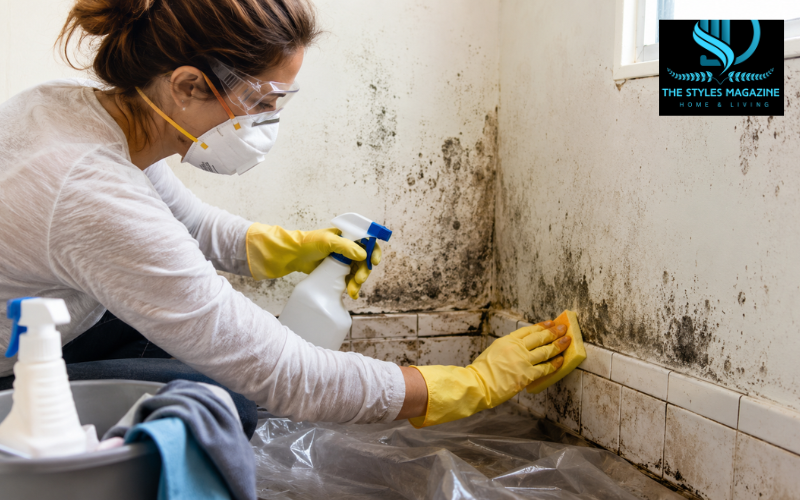
Before starting any black mold removal work, protect yourself first. Mold spores can become airborne when touched, scrubbed, sprayed, or wiped. Safety gear helps reduce your exposure while you clean.
An N95 mask or respirator is important because it helps you avoid breathing in mold particles. Simple cloth masks are not enough for this type of cleanup. Goggles without ventilation holes can help protect your eyes from spores and cleaning products.
Rubber or nitrile gloves should be worn to protect your hands. Long sleeves, long pants, and clothing that can be washed right away are also helpful. If the mold cleanup is messy, disposable coveralls may be useful.
You should also keep strong plastic bags nearby for contaminated wipes, sponges, gloves, or damaged materials. Bagging waste carefully helps prevent spores from spreading to other parts of the home.
Preparing the Area Before Cleaning
Preparation is a major part of safe black mold removal. Before cleaning, turn off your HVAC system so air movement does not spread spores through vents. Fans should not be used directly on active mold because they can blow spores around the room.
Close interior doors and seal the work area with plastic sheeting and painter’s tape if needed. This is especially helpful when cleaning mold in a bathroom, basement room, or small enclosed space. The goal is to keep the mold contained while you work.
Open windows in the affected room if outdoor ventilation is possible. Fresh air can help, but make sure air is moving outside rather than into other rooms. Keep children, pets, and anyone with breathing issues away from the cleanup area.
If the mold is dry, lightly mist it with water before wiping. This can help reduce the chance of spores becoming airborne. Do not soak the area. A light mist is enough to keep dry mold from breaking apart too easily.
Best Black Mold Removal Products and Cleaning Options
There are many black mold removal products available, but the right choice depends on the surface. A product that works well on tile may not be the best choice for wood or drywall. Before using any cleaner, always read the label and follow the directions.
Bleach can be useful on certain non-porous surfaces, such as tile, glass, and some sealed materials. It can remove stains and kill surface mold, but it does not always work well on porous materials because it may not reach deep growth.
Hydrogen peroxide is another option for hard surfaces. A 3% hydrogen peroxide solution may help clean mold on surfaces like bathroom tile, sinks, and other washable areas. It should be allowed to sit for the recommended time before wiping.
White vinegar is often used for some porous and semi-porous surfaces because it may penetrate better than bleach. It can be sprayed directly on the affected area and left to sit before wiping. Baking soda mixed with water can also help make a gentle scrubbing paste for stains and light residue.
Commercial black mold removal spray products may be helpful for bathrooms, grout, tubs, and hard surfaces. Some are made for stain removal, while others are designed to kill mold and mildew. The key is to choose a product that matches the surface and to use it safely.
What Kills Black Mold Instantly: Facts vs. Myths
Many people search for what kills black mold instantly, but the word “instantly” can be misleading. Some cleaners may begin killing surface mold quickly, but that does not always mean the full problem is solved. Mold can grow into porous materials, and a fast surface result may leave deeper growth behind.
Dwell time matters. This means the cleaner needs to stay wet on the surface for a certain amount of time to work properly. Wiping it off too soon can reduce its effectiveness. Whether you use bleach, hydrogen peroxide, vinegar, or a commercial spray, follow the product instructions carefully.
It is also important to understand that killing visible mold is not the same as preventing future growth. If the area stays damp, mold can return. Fixing moisture is more important than simply finding the strongest cleaner.
One major safety warning is never mix bleach with ammonia or other household cleaners. This can create dangerous toxic fumes. Use one cleaning product at a time, ventilate the area, and rinse surfaces when needed according to the label.
How to Remove Black Mold from Non-Porous Surfaces
Non-porous surfaces are usually the easiest to clean because mold stays mostly on the surface. These include tile, glass, metal, sealed countertops, tubs, sinks, and some finished surfaces.
Start by wearing your safety gear and preparing the area. Apply the cleaning solution recommended for that surface. This may be a diluted bleach solution, hydrogen peroxide, vinegar, or a black mold removal spray made for hard surfaces. Let the cleaner sit for the correct amount of time.
After the waiting period, wipe the area with a damp sponge, rag, or microfiber cloth. Avoid dry brushing because it can spread spores into the air. Rinse the surface if the product label says to do so, then dry it completely.
Drying is not optional. Mold grows where moisture remains. After cleaning, use ventilation, a dehumidifier, or careful air movement to dry the area within 24 to 48 hours. If the surface stays damp, the mold may come back.
How to Handle Black Mold on Porous Surfaces
Porous surfaces are more difficult because mold can grow into the material. Drywall, wood, carpet, insulation, ceiling tiles, and fabric can hold moisture and allow mold to spread below the surface.
Bleach is often not enough for porous materials because it may lighten the stain without reaching the deeper mold. Vinegar or specialized mold products may help in some light cases, especially on small areas of wood or similar materials. However, the results depend on how deep the mold has grown.
Heavily damaged drywall, carpet, insulation, or ceiling tiles usually cannot be fully cleaned. These materials may need to be cut out, bagged, and discarded. This should be done carefully to avoid spreading spores.
If mold is widespread, hidden, or connected to water damage, professional black mold removal is the safer option. Professionals can inspect the source, contain the area, remove damaged materials, and dry the space properly.
Black Mold Removal Kit: What Should Be Included
A basic black mold removal kit should include the items needed to clean safely and control the work area. At minimum, it should have an N95 mask or respirator, gloves, goggles, and a suitable mold cleaner or spray.
It should also include a scrub sponge, microfiber cloths, plastic sheeting, painter’s tape, trash bags, and disposable wipes. These items help with cleaning, containment, and safe disposal.
A moisture meter or humidity monitor can be a helpful extra. Mold is a moisture problem, so checking humidity levels can help you understand why the mold appeared. Keeping indoor humidity under control is one of the best ways to prevent future growth.
Some stores sell ready-made black mold removal kit options, while many homeowners build their own. The most important thing is not the kit name. It is having the correct safety gear, the right cleaner for the surface, and a plan to dry and prevent moisture.
Black Mold Removal Cost: What Affects the Price
Black mold removal cost can vary depending on the size and seriousness of the problem. A small DIY cleanup may only require gloves, a mask, a cleaner, and a few basic supplies. This is usually much cheaper than hiring a professional.
Professional costs are higher because they may include inspection, containment, removal, disposal, drying, and repairs. The larger the affected area, the more expensive the job can become. Mold behind walls, under floors, or inside ceilings may cost more because damaged materials may need to be removed.
The type of surface also affects the cost. Cleaning tile is usually easier than removing moldy drywall or insulation. HVAC involvement can increase the price because duct systems require special handling.
Water damage and sewage contamination can also raise the cost. These situations may require deeper cleaning and safety steps. While professional service may seem expensive, it can prevent bigger damage if the mold problem is serious.
Preventing Black Mold from Coming Back
The best black mold removal plan includes prevention. If you clean the mold but ignore the moisture source, the problem may return. Start by fixing leaks quickly. Plumbing leaks, roof leaks, and window leaks should be repaired as soon as possible.
Indoor humidity should be kept at a safe level. In damp areas, a dehumidifier can help. Bathrooms, kitchens, basements, laundry rooms, and attics should have good ventilation. Exhaust fans should move moisture outside, not into an attic or wall space.
Wet surfaces should be dried within 24 to 48 hours whenever possible. This includes wet carpet, damp walls, leaks under sinks, and condensation around windows. The faster you dry the area, the less chance mold has to grow.
Never paint or caulk over active mold. Paint may cover the stain for a short time, but the mold can continue growing underneath. The right order is to fix the moisture, remove the mold, dry the area, and then repair or repaint if needed.
Common Mistakes to Avoid During Black Mold Removal
One common mistake is cleaning without safety gear. Even small mold patches can release spores when disturbed. Always wear a mask, gloves, and eye protection before starting.
Another mistake is dry brushing mold. Dry brushing can send spores into the air and spread them to other surfaces. Use a damp cloth, sponge, or proper cleaning method instead.
Mixing chemicals is also dangerous. Bleach should never be mixed with ammonia or other cleaners. Even mixing different household products can create harmful fumes. Use one product at a time and follow the label.
Some people remove the visible stain but ignore hidden moisture. This often leads to mold coming back. Others paint over mold, leave cleaned surfaces damp, or treat a large mold issue like a small DIY job. These mistakes can make the problem worse and more expensive later.
Conclusion
Black mold removal should always be handled with safety, patience, and the right cleaning method. Small areas on hard surfaces may be cleaned by homeowners if proper protective gear is used and the mold is handled carefully.
However, large mold growth, hidden mold, HVAC contamination, sewage-related mold, or repeated mold problems should be handled by a professional. In those situations, a black mold removal service can inspect the problem, contain the area, and remove the mold more safely.
The most important thing to remember is that mold removal is only successful when the moisture source is fixed. Cleaners, sprays, and products can remove visible mold, but dry conditions and good ventilation are what keep it from coming back.
FAQs
Is Black Mold Removal Safe To Do Yourself?
Black mold removal may be safe if the affected area is small, under about 10 square feet, and on a cleanable surface. Wear safety gear and call a pro for larger problems.
What Kills Black Mold Instantly?
Some cleaners can kill surface mold quickly, but “instant” results do not always remove deep mold. The cleaner needs proper dwell time, and moisture must be fixed.
What Is The Best Black Mold Removal Spray?
The best black mold removal spray depends on the surface. Hard surfaces may handle mold sprays well, while porous materials like drywall or carpet may need removal.
How Much Does Black Mold Removal Cost?
Black mold removal cost depends on the size, location, surface type, water damage, and whether HVAC cleaning or material removal is needed. Small DIY jobs cost much less.
When Should I Call A Black Mold Removal Service?
Call a black mold removal service if mold covers a large area, returns after cleaning, grows inside HVAC systems, or comes from sewage, flooding, or hidden water damage.
Enjoyed it? Find more exclusive content on The Styles Magazine.
Disclaimer: This article is for general informational purposes only and should not replace professional mold inspection, medical advice, or certified remediation services. If mold is widespread, hidden, caused by sewage, or affecting your health, contact a qualified professional.