The best meals you remember from holidays are rarely about the food. If you spend any time thinking back on them, the recollection is usually a composite. The way the light fell across the table at the small hotel in Burgundy. The particular quiet of the restaurant at the country house in the Cotswolds that was just full enough to feel alive but not loud enough to interrupt the conversation. The exact weight and height of the chairs at the Lisbon place that made a long evening feel like it stretched instead of dragged.
The food was good. But the dining room was better than the food.
This is a lesson hotel interior designers absorbed decades ago, and the one most people never quite transfer to their own homes. The dining room is one of the few rooms in the house where you ask people to sit still for a long time. Everything about the space, the lighting, the acoustics, the chair, decides whether that time feels generous or whether it feels like something to get through.
The Quiet Details That Hotels Get Right
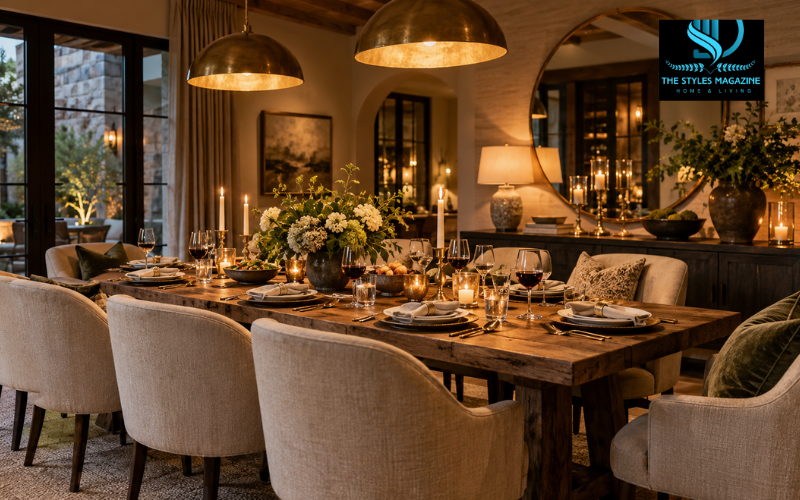
Walk into any dining room in a well-run boutique hotel and the first thing you notice is what you do not notice. The lighting is warm but not yellow. The music is present but not fighting the conversation. The table has enough space around it that two guests can push their chairs back without colliding. The chair itself is comfortable at hour one and still comfortable at hour three.
None of this is accidental. The hotel’s designer specified every element against a standard that most domestic dining rooms are never held to. The dimensions of the chair are considered in relation to the table height. The upholstery was chosen for both its appearance and its ability to recover from thousands of guests sitting down and standing up again.
The suppliers of serious hospitality furniture design to those requirements by default. Installations of a hundred chairs or more into some of the world’s better hotels mean the specification tolerates no soft spots. The frame holds up. The fabric is both beautiful and flame-retardant to the certification standard the venue needs. The chair stacks neatly when a room needs resetting for an event. These are not qualities the average high-street furniture retailer competes on.
What It Means For The Dining Room At Home
You cannot translate a hotel standard directly to a domestic room. Nobody at home needs to seat three hundred people. But the thinking behind the specification travels well.
Choose a dining chair for how it feels at the end of a long dinner, not how it looks in the showroom at the fifteen-second seat test. Match the chair’s seat height to the table’s edge, which is almost never a matter of personal taste and almost always a matter of ergonomics. Choose a fabric or upholstery that forgives a wine spill and recovers from being sat on by a guest in a winter coat.
The pattern of regret people tend to describe about their dining furniture is remarkably consistent. The chairs looked good in the shop. The chairs did not survive the first Christmas. The replacement chairs look fine but feel wrong, and nobody can quite say why.
The Way Designers Now Talk About It
The modern hospitality design industry has quietly influenced how domestic interior designers now specify dining rooms. The language has shifted. People talk about chair depth and seat-to-floor height in a way that would have sounded industrial a decade ago. They talk about upholstery performance in the same breath as colour palette. The idea of the dining chair as a piece of furniture that quietly has to work, rather than merely be looked at, has moved from the trade into the mainstream.
What a well-planned hotel dining room gives you, that a poorly planned domestic one does not, is the quiet confidence that nothing in the room is going to interrupt the evening. Guests settle in. They stay. The meal expands.
Which is, in the end, what the dining room was designed to do.
Enjoyed it? Find more exclusive content on The Styles Magazine.