Crape myrtle is one of the most loved flowering trees for warm, sunny gardens. It is known for its bright summer blooms, smooth peeling bark, attractive shape, and colorful fall leaves. In many landscapes, it brings beauty for more than one season, which is one reason gardeners often choose it for yards, streets, parks, and borders.
You may see people write the name as crepe myrtle or crape myrtle. Both spellings are commonly used online, but crape myrtle is often used in gardening references. No matter which spelling you use, the plant usually refers to the same beautiful tree or shrub from the Lagerstroemia group.
This guide explains crape myrtle in a simple and helpful way. You will learn what it is, how to grow it, how tall it can get, which flower colors are popular, how to prune it correctly, what problems to watch for, and what to check before buying one for your garden.
Quick Guide Table
| Topic | Quick Answer |
| Best sunlight | Full sun, ideally 6+ hours daily |
| Soil type | Well-drained soil; avoid soggy areas |
| Watering | Water regularly when young; drought-tolerant once established |
| Best planting time | Late fall or early spring |
| Common colors | White, pink, red, lavender, purple |
| Popular variety | Natchez for white flowers and attractive bark |
| Main pruning tip | Avoid heavy topping or “crape murder” |
| Best use | Gardens, borders, streets, patios, and sunny landscapes |
What Is a Crape Myrtle?
A crape myrtle is a deciduous tree or shrub, which means it drops its leaves during the colder season and grows new leaves again when the weather warms. Its botanical name is Lagerstroemia, and it includes many types and varieties that can fit different garden sizes.
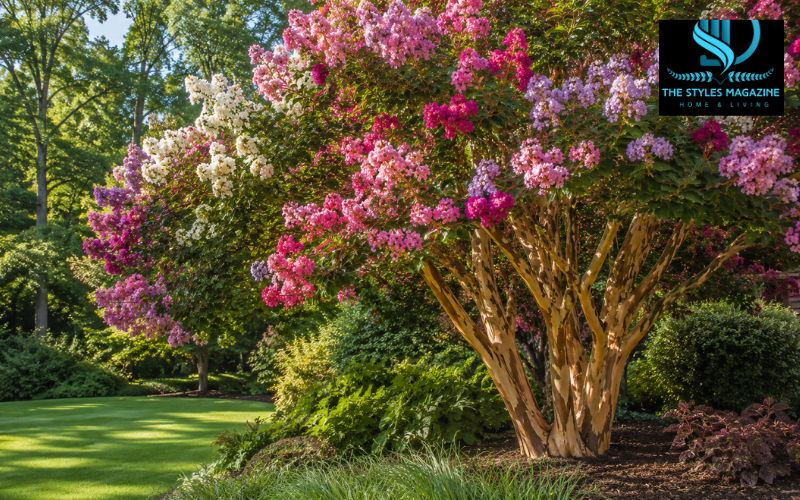
Gardeners like crape myrtle because it gives strong color during summer, a time when many other flowering trees have already finished blooming. Depending on the variety, the flowers may appear in white, pink, red, purple, lavender, or deep rose shades. The blooms often grow in large clusters at the ends of branches, giving the tree a soft and colorful look.
Crape myrtle is also popular because it is fairly easy to care for once established. It handles heat well, can tolerate dry periods after its roots are settled, and does not need constant attention when planted in the right place. This makes it a practical choice for home gardens and public landscapes.
Crepe Myrtle or Crape Myrtle: Which Spelling Is Correct?
Many people wonder whether the correct spelling is crepe myrtle or crape myrtle. The simple answer is that both spellings are widely understood. The word comes from the crinkled, paper-like look of the flowers, which reminds people of crepe fabric.
In gardening and plant references, crape myrtle is commonly used. However, crepe myrtle is also very common in everyday searches, nursery listings, and garden conversations. If you are shopping online or reading care advice, you may see both spellings used for the same plant.
For readers, the spelling is less important than choosing the right variety and caring for the plant properly. Whether someone says crepe myrtle or crape myrtle, they are usually talking about the same colorful, warm-weather flowering tree.
Key Features That Make Crape Myrtle Popular
The biggest attraction of crape myrtle is its summer flower display. The flowers have a soft, crinkled texture and often cover the tree for weeks. In a sunny garden, a healthy crape myrtle can become one of the most eye-catching plants in the landscape.
Another special feature is crape myrtle bark. As the tree matures, the outer bark naturally peels away and reveals smooth, mottled bark underneath. This can show shades of tan, gray, cream, brown, or cinnamon, depending on the variety. The bark adds beauty even when the tree is not blooming.
Crape myrtle also offers fall color. Its leaves can turn yellow, orange, red, or burgundy before they drop. Because of this, the tree is not only useful for summer flowers but also for autumn interest and winter structure.
Its graceful shape makes it useful in many settings. Some types grow as small shrubs, while others become tall trees with spreading canopies. This range gives homeowners more options for patios, front yards, borders, driveways, and open lawns.
Best Growing Conditions for Crape Myrtle
Crape myrtle grows best in full sun. For strong blooming, it should receive at least six hours of direct sunlight each day, and more sun is usually better. When planted in too much shade, it may grow leaves but produce fewer flowers. Shaded plants are also more likely to have mildew problems because the leaves stay damp longer.
Good drainage is also important. Crape myrtle can adapt to many soil types, including clay soil, but it does not like sitting in soggy ground. If water collects around the roots for long periods, the plant can struggle. A sunny spot with well-drained soil and good airflow is usually the best choice.
This plant is especially valued in warm climates because it handles summer heat well. Once established, it can also tolerate dry weather better than many flowering trees. Still, young plants need regular watering while their roots are developing.
A common mistake is planting crape myrtle too close to a wall, driveway, roofline, or power line without checking its mature size. Another mistake is planting it in a shaded corner and expecting heavy blooms. Choosing the right location from the beginning prevents many future problems.
How to Plant a Crape Myrtle the Right Way
The best time to plant crape myrtle is usually in late fall or early spring, when the plant is not under strong heat stress. In warmer areas, it can often be planted at other times of the year, but mild seasons give the roots a better chance to settle before extreme weather arrives.
Before planting, choose a healthy plant with strong stems, fresh-looking leaves, and no signs of serious pests. If the plant is in a container, check that the roots are not badly circling around the pot. A healthy root system helps the tree establish faster.
Planting depth matters. The top of the root ball should sit level with the surrounding soil or slightly above it. Planting too deep can cause root and trunk problems. After placing the plant in the hole, gently backfill with soil and water deeply to remove air pockets.
Spacing should be based on mature height and width, not the size of the young plant at the nursery. A dwarf crape myrtle can fit into a small garden bed, but a large tree form needs much more room. Giving it enough space helps it grow naturally without harsh pruning later.
Watering and Feeding Crape Myrtle
A newly planted crape myrtle needs steady moisture during the first growing season. Deep watering is better than light daily sprinkling because it encourages roots to grow deeper into the soil. During hot weather, young plants may need watering several times a week, especially if rainfall is low.
Once established, crape myrtle becomes much more drought tolerant. Mature plants usually need less attention, although they may still benefit from deep watering during long dry spells. Mulch around the base can help keep soil moisture more even, but it should not be piled against the trunk.
Fertilizer is not always necessary. If the plant is growing well and blooming nicely, it may not need much feeding. If growth is weak because the soil is poor, a balanced fertilizer in early spring may help. However, too much fertilizer can encourage leafy growth at the expense of flowers.
Simple seasonal care is usually enough. Keep the area around the base clean, water during dry periods, remove unwanted suckers if needed, and avoid damaging the bark with lawn tools.
Crape Myrtle Height and Choosing the Right Size
Crape myrtle height can vary greatly. Some varieties stay small and shrub-like, while others grow into tall trees. This is one of the most important things to understand before buying one.
Dwarf crape myrtles may stay only a few feet tall and are useful for small beds, borders, containers, or foundation planting. Medium varieties may grow around 8 to 15 feet, making them suitable for yards, mixed beds, and privacy-style plantings. Large tree types can reach 20 to 30 feet or more in good conditions and work best where they have room to spread.
Choosing the right size prevents future maintenance problems. A large variety planted in a small space may eventually block windows, crowd walkways, or grow into rooflines. When that happens, people often cut the tree back too hard, which damages its natural shape.
Before planting, think about the full-grown height, not just the nursery size. A small plant in a pot can become a large landscape feature within a few years.
Crape Myrtle Flower Colors and Garden Style
Crape myrtle flower colors are one of the main reasons people love this plant. The most common colors include white, pink, red, lavender, purple, and deep rose. Each color creates a different mood in the garden.
Crape myrtle white varieties give a clean and classic look. They work well near dark green shrubs, brick homes, formal gardens, and simple landscape designs. White flowers also stand out beautifully in evening light.
Crape myrtle pink varieties feel bright, cheerful, and soft. They are popular in front yards, cottage-style gardens, and sunny borders. Pink blooms can blend well with many other flowering plants without looking too heavy.
Red and purple varieties create a bolder effect. They can become strong focal points in the landscape, especially when planted against simple backgrounds. Lavender shades offer a softer look and often pair nicely with green lawns and neutral hardscaping.
When choosing a flower color, think about your home exterior, nearby plants, and the feeling you want in the garden. The best color is not only the one that looks good in a photo, but the one that fits your whole space.
Popular Crape Myrtle Varieties to Know
There are many crape myrtle varieties, and each one has its own size, flower color, bark character, and growth habit. Knowing a few popular names can make shopping easier.
Crape myrtle Natchez is one of the best-known white varieties. It is often grown as a larger tree and is admired for its clean white flowers and attractive cinnamon-colored bark. Because it can become large, it works best in open areas where it has room to grow.
Crape myrtle Black Diamond is known for its dark foliage and bold flower colors. The dark leaves create strong contrast, making the blooms stand out even more. These varieties are often used where gardeners want a more modern or dramatic look.
Compact crape myrtle varieties are better for small yards, containers, and tight garden spaces. They provide color without becoming too large. Taller varieties are better for street appeal, large lawns, and places where a small shade tree is useful.
The best variety depends on your purpose. If you want a patio plant, choose compact. If you want a front-yard tree, choose medium or tall. If you want winter bark interest, look for a variety known for attractive mature bark.
Crape Myrtle Bark and Winter Interest
Crape myrtle bark becomes more beautiful as the tree ages. Young plants may have plain bark at first, but mature trees often develop peeling, smooth, and mottled bark that adds texture to the landscape.
This peeling is natural and should not be treated as a problem. As the outer bark sheds, it reveals fresh layers underneath. The colors may include cream, gray, tan, brown, or cinnamon. On some varieties, the bark is almost as attractive as the flowers.
The bark is especially valuable in winter, when leaves and flowers are gone. A well-shaped crape myrtle with clean trunks and peeling bark can still look beautiful in a quiet winter garden.
Because the bark is part of the tree’s beauty, it should be protected. Avoid hitting the trunk with mowers, string trimmers, or sharp tools. Damage to the bark can weaken the plant and reduce its clean appearance.
Pruning Crape Myrtle Without Damaging It
Pruning is one of the most misunderstood parts of crape myrtle care. The best time to prune is usually late winter or early spring, before new growth begins. At that time, the branch structure is easy to see.
Good pruning is light and purposeful. Remove dead, damaged, diseased, crossing, or crowded branches. You can also remove small suckers growing from the base if you want a cleaner tree form. The goal is to improve shape, airflow, and plant health without destroying the natural structure.
Heavy topping is harmful. This practice is sometimes called “crape murder” because it cuts large branches back to stubs. It can create weak new shoots, reduce the natural beauty of the tree, and make the plant look awkward. It may also lead to more maintenance over time.
A healthy crape myrtle usually does not need severe yearly pruning. If the right variety is planted in the right space, pruning becomes simple maintenance rather than major correction.
Common Crape Myrtle Problems and Simple Fixes
Crape myrtle is generally easy to grow, but it can still face problems. Powdery mildew is one of the most common. It appears as a white or gray powdery coating on leaves and young shoots. It is more likely when plants are in shade, crowded spaces, or areas with poor airflow.
Aphids can also appear on new growth. They feed on plant sap and may leave behind sticky honeydew. This honeydew can lead to sooty mold, a black coating that looks unpleasant on leaves, branches, or nearby surfaces. The mold itself grows on the sticky residue, so managing the insects usually helps reduce the problem.
Poor blooming is often caused by too much shade, improper pruning, young plant age, or excess fertilizer. If a crape myrtle has plenty of leaves but few flowers, check whether it receives enough sun and whether it has been cut back too harshly.
Crape myrtle bark scale is another problem in some areas. It can cause white or gray scale spots on branches and black sooty mold. Before buying a tree, it is smart to inspect the branches carefully for pests.
The best prevention is simple: plant in full sun, allow good airflow, avoid overcrowding, water correctly, and choose disease-resistant varieties when possible.
Crape Myrtle Trees for Sale: What to Check Before Buying
When looking at crape myrtle trees for sale, do not choose only by flower color. A beautiful tag photo can be tempting, but mature size, health, and variety name matter just as much.
First, check the mature height and width. Make sure the plant will fit your space after it grows. A dwarf variety and a large tree variety may look similar in small nursery pots, but they will be very different in the landscape.
Next, confirm the flower color and variety name. This helps you understand what the plant should look like later. If you want crape myrtle white blooms, crape myrtle pink flowers, dark foliage, or a specific variety like crape myrtle Natchez, the label should clearly say so.
Look for healthy branching, clean leaves, and a strong root system. Avoid plants with heavy pest signs, damaged bark, weak stems, or roots circling tightly in the pot. Buying from trusted nurseries or garden centers can also make it easier to get the right plant for your climate.
A good crape myrtle should match your garden’s space, sunlight, color plan, and long-term care needs.
Conclusion: Is Crape Myrtle Right for Your Garden?
Crape myrtle is a beautiful choice for gardeners who want summer flowers, attractive bark, fall color, and a plant that can handle warm weather. With the right location and variety, it can bring color and structure to a landscape for many years.
The key is to choose carefully before planting. Think about crape myrtle height, flower color, mature width, sunlight, and the look you want in your garden. A white variety like Natchez may suit a classic landscape, while a pink or Black Diamond type may create a brighter or bolder effect.
Crape myrtle is not difficult to grow, but it does best when planted in full sun, given well-drained soil, watered properly while young, and pruned with care. Avoid heavy topping, protect the bark, and watch for common problems early.
If you have a sunny space and want a low-maintenance tree or shrub with long-lasting seasonal beauty, crape myrtle can be a very rewarding addition to your garden.
FAQs
What Is A Crape Myrtle?
A crape myrtle is a flowering tree or shrub from the Lagerstroemia family. It is loved for summer blooms, smooth peeling bark, fall color, and easy care in sunny gardens.
Is It Crepe Myrtle Or Crape Myrtle?
Both spellings are commonly used, but crape myrtle is often used in gardening references. Most people use both names to describe the same flowering tree or shrub.
How Tall Does A Crape Myrtle Grow?
Crape myrtle height depends on the variety. Some dwarf types stay only a few feet tall, while larger tree forms can grow 20 to 30 feet or more.
Does Crape Myrtle Need Full Sun?
Yes, crape myrtle grows and blooms best in full sun. It needs at least six hours of direct sunlight daily for strong flowers and healthier growth.
When Should Crape Myrtle Be Pruned?
Crape myrtle is best pruned in late winter or early spring. Remove dead, damaged, or crossing branches, but avoid severe topping because it weakens the tree’s natural shape.
Enjoyed it? Find more exclusive content on The Styles Magazine.
Disclaimer: This article is for general gardening information only. Crape myrtle growth, care needs, and pest problems may vary depending on climate, soil, variety, and local growing conditions.