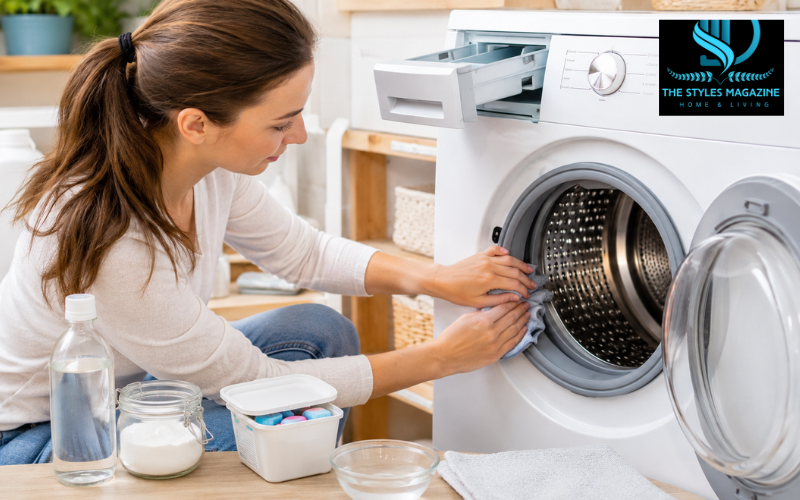
A washing machine cleans your clothes, but it also needs cleaning itself. Every time you wash laundry, detergent, fabric softener, body oils, lint, hair, minerals from water, and small bits of dirt can stay behind inside the machine. Over time, this buildup can create a sticky layer inside the drum, around the door, in the detergent drawer, and even near the drain area. When moisture stays trapped in these hidden spots, mold, mildew, and musty smells can start to grow.
Learning how to clean a washing machine is one of the easiest ways to keep your laundry smelling fresh. A dirty washer can make clean clothes smell damp, sour, or stale, even when you use good detergent. The right cleaning method depends on the type of washer you have. Front-loading washing machines often need extra attention around the rubber door gasket because water and lint can collect there. Top-loading machines usually need cleaning around the lid, top rim, agitator, and tub.
In this guide, you will learn simple and practical ways to clean the main parts of your washer, including the drum, detergent drawer, rubber gasket, filter, drain, lid, and dispensers. You will also find safe bleach-free options using common items like vinegar and baking soda, along with tips for modern washers such as LG machines with a Tub Clean cycle.
Quick Guide Table
| Cleaning Area | What to Do | Best For |
| Drum | Run a hot cycle with washer cleaner, vinegar, or baking soda | Odor, residue, and buildup |
| Rubber Gasket | Wipe inside the folds with a damp cloth or mild cleaner | Mold, slime, and trapped lint |
| Detergent Drawer | Remove, soak, scrub, rinse, and dry | Soap scum and softener buildup |
| Drain Filter | Release trapped water, remove debris, rinse, and replace | Bad smells and slow draining |
| Top Rim or Lid | Scrub hidden edges with a soft brush | Top-loader grime and mildew |
| Washer Door | Leave slightly open after each wash | Moisture and musty smells |
Why Your Washing Machine Needs Regular Cleaning
Your washing machine deals with dirty clothes, towels, bedding, sweat, pet hair, detergent, and fabric softener every week. Even though water drains out after each wash, some residue can remain inside. Detergent buildup is one of the most common problems. Using too much detergent may seem helpful, but extra soap does not always rinse away fully. It can stick to the drum, drawer, hoses, and seals.
Fabric softener can also leave a waxy coating. This coating may trap lint and dirt, creating a perfect place for odor-causing buildup. In front-load washers, moisture often gets trapped inside the rubber gasket around the door. In top-load washers, grime can hide under the lid, around the top rim, and near the agitator.
A dirty washing machine can affect your laundry. Clothes may come out smelling musty, towels may feel less fresh, and dark spots or residue may appear inside the washer. Regular cleaning helps remove mold, mildew, soap scum, lint, and trapped grime before they become bigger problems.
Supplies You Need to Clean a Washing Machine
You do not need many expensive tools to clean a washer properly. A good washing machine cleaner tablet is a simple option because it is made for cleaning the drum and removing residue. Many people also use white vinegar or baking soda for odor and light buildup, especially when they want to clean a washing machine without bleach.
Keep a microfiber cloth nearby for wiping the door, lid, gasket, and outside surfaces. An old toothbrush or soft brush is useful for scrubbing the detergent drawer, fabric softener dispenser, and small corners where grime collects. Mild dish soap works well for soaking removable drawers and caps. If you are cleaning the drain filter, you will also need a small bowl and a towel because some water may come out when the filter is opened.
Before using any cleaner, check your washer manual if possible. Some brands recommend specific washer cleaners, and some warn against using certain products too often. This is especially important for newer machines with sensors, rubber seals, and special cleaning cycles.
How to Clean a Front-Loading Washing Machine
Front-loading washers are popular because they are efficient and gentle on clothes, but they can develop smells faster than many top-loaders. The main reason is the rubber gasket around the door. This seal helps prevent leaks, but it can also trap water, lint, hair, detergent residue, and mildew.
Start by making sure the drum is empty. Add a washing machine cleaner tablet directly into the drum, or use the cleaner recommended in your owner’s manual. If you are using vinegar as a bleach-free option, use it carefully and avoid making it a daily habit. Run the Tub Clean cycle if your machine has one. If not, choose the hottest and longest wash cycle available.
After the drum cycle finishes, wipe the inside of the glass door with a damp microfiber cloth. Then gently pull back the rubber gasket and inspect the folds. This area often hides hair, lint, slime, and dark spots. Wipe it with warm soapy water or a mild vinegar-water solution if your manual allows it. Use a soft brush for stubborn residue, but avoid sharp tools that can damage the seal.
Once the gasket is clean, dry the door area with a clean cloth. Leaving the door slightly open after washing helps air move through the machine and prevents trapped moisture from turning into odor.
How to Clean Washing Machine Top Loader
If you are searching for how to clean washing machine top loader, the process is slightly different from cleaning a front-loader. Top-load washers usually do not have a rubber door gasket, but they can collect grime under the lid, around the top rim, inside dispensers, and near the agitator.
Begin with an empty washer. Run a hot water cleaning cycle or the washer’s built-in cleaning cycle if it has one. Add a washer cleaner tablet according to the package directions. If you prefer a more natural method, you can use a vinegar soak occasionally. Fill the tub with hot water, add white vinegar, let the machine agitate briefly, and then pause it so the water can sit and loosen buildup.
While the hot water sits, use a soft brush or cloth to scrub under the lid, around the upper rim, and near the agitator. These areas may not always be reached by water during normal washing. If your washer has a removable fabric softener cap or bleach dispenser, take it out and clean it separately with warm soapy water.
After the soak, let the washer finish the cycle. If you still notice a smell or residue, run a second hot cycle with baking soda to freshen the drum and lift remaining grime.
How to Clean a Washing Machine Without Bleach
Many people want to know how to clean a washing machine without bleach because bleach has a strong smell and may not be suitable for every home. The good news is that a washer can often be cleaned well without bleach if the buildup is not severe.
White vinegar can help with odors and mineral buildup, but it should be used with care. Because vinegar is acidic, frequent use may not be ideal for some rubber parts. Baking soda is another gentle option. It helps absorb smells and loosen light residue. Hot water also improves cleaning because it helps soften detergent buildup and greasy grime.
A bleach-free cleaning method is useful for regular maintenance, light odors, and people who prefer milder cleaning options. However, if there is heavy mold, deep stains, or a strong mildew smell, you may need a washer-safe cleaner or a method recommended by your machine’s manufacturer.
One important safety rule is to avoid mixing cleaning products. Do not mix bleach with vinegar. Do not mix bleach with ammonia or other cleaners. Even when using natural ingredients, it is better to use one cleaning method at a time.
How to Clean Washing Machine With Vinegar and Baking Soda
Many homeowners search for how to clean washing machine with vinegar and baking soda because both are common household items. They can be helpful, but they work best when used in the right order rather than mixed together at the same time.
Vinegar is often used to help reduce odors and loosen mineral deposits. Baking soda is better for absorbing smells and gently lifting residue. When vinegar and baking soda are mixed directly, they fizz, but that reaction can reduce their cleaning power. For better results, use them separately.
For a top-loader, you can run a hot water cycle with vinegar first, let it soak if needed, and then run a second hot cycle with baking soda. For a front-loader, it is safer to check your manual first because some brands advise limiting vinegar use. If allowed, use a small amount occasionally and focus on wiping the gasket and running a hot cleaning cycle.
Baking soda can be added directly to the drum for deodorizing. Vinegar, when used, is usually added to the detergent area or drum depending on the machine type and manual instructions. After either method, wipe the inside surfaces dry and leave the door or lid open.
How to Clean a Washing Machine That Smells
A smelly washer is usually caused by trapped moisture, detergent buildup, mildew, or a dirty filter. If you want to know how to clean a washing machine that smells, start with the areas where water and residue collect most.
First, check the drum. Run a hot cleaning cycle with a washing machine cleaner. If your machine has a Tub Clean or Clean Washer cycle, use it. Next, wipe the gasket on a front-loader or the lid area on a top-loader. These spots often hold damp lint and hidden grime.
Then clean the detergent drawer. Old detergent and softener can turn thick and sticky, which may feed odor-causing bacteria. If the smell continues, check the drain filter. A clogged filter can hold lint, hair, coins, and dirty water, making the washer smell bad even after the drum looks clean.
Going forward, use less detergent if you often pour in extra. High-efficiency machines usually need only a small amount. Also, remove wet laundry as soon as the cycle ends. Leaving damp clothes inside for hours can quickly bring back musty odors.
How to Clean a Washing Machine Drain and Filter
The drain and filter are easy to forget, but they are important parts of washer cleaning. If you are wondering how to clean a washing machine drain, start by finding the filter area. On many front-loading machines, the drain pump filter is behind a small access panel near the bottom front of the washer. Some top-loaders may have lint filters or self-cleaning systems, so the location can vary.
Before opening the filter, turn off the machine and place a towel on the floor. Put a shallow bowl under the small drain hose if your washer has one. Slowly release the water into the bowl. After the water drains, carefully unscrew or pull out the filter. Be ready for extra water.
Remove lint, hair, coins, buttons, and any other debris. Rinse the filter under warm water and wipe the filter housing if you can reach it. Then place the filter back tightly so it does not leak.
Warning signs of a blocked drain include slow draining, water left in the drum, bad smells, unusual noises, or error messages on the washer display. For regular home use, checking the filter every one to three months is usually helpful.
Cleaning the Detergent Drawer and Fabric Softener Dispenser
The detergent drawer and fabric softener dispenser can become dirty faster than many people expect. Liquid detergent, powder detergent, and softener can dry inside the drawer and form a sticky or crusty layer. When water passes through this buildup, it can carry residue into the drum and onto your clothes.
If your washer has a removable detergent drawer, pull it out gently. Most drawers have a release button or tab. Soak the drawer in warm water with mild dish soap for about 10 to 15 minutes. Then scrub the corners with an old toothbrush or soft brush. Pay special attention to the softener compartment because it often collects thick residue.
For top-load washers, remove the fabric softener cap from the agitator if it comes off. Clean inside it with warm soapy water and rinse well. Before replacing any drawer or dispenser, dry it with a cloth. This helps prevent new slime from forming.
To reduce future buildup, use the correct amount of detergent and avoid overfilling the fabric softener compartment.
How to Clean a Washing Machine LG and Other Modern Washers
If you are searching for how to clean a washing machine LG, the most important step is to use the Tub Clean cycle if your model has one. LG and many other modern washer brands include a cleaning cycle designed to remove detergent residue and keep the drum fresh. Always empty the washer before starting this cycle.
Use a washer-safe cleaner or the cleaner recommended by your washer manual. Some LG models also remind users when it is time to run Tub Clean. While the cycle cleans the drum, you should still clean other areas by hand. Wipe the door gasket, clean the detergent dispenser, and check the drain pump filter according to the manual.
Modern washers may have sensors, special coatings, and rubber parts that can be damaged by harsh cleaning methods. Avoid using abrasive brushes, sharp tools, or too much cleaner. Also avoid guessing where the filter is located if you are unsure. The basic cleaning steps are similar for most modern brands, but the filter location and cycle names may be different.
How Often Should You Clean a Washing Machine?
For most homes, a monthly deep clean is a good routine. This helps control detergent residue, fabric softener buildup, mold, mildew, and odors before they become serious. If you do several loads every day, have a large family, wash pet bedding, or often use cold water, you may need to clean your machine more often.
Front-loading washers need extra care because the gasket can stay damp. Wiping the gasket once a week can prevent slime and mildew from building up. The detergent drawer should be cleaned whenever you see residue or smell odor near the drawer area.
The drain filter does not need daily cleaning, but it should not be ignored. Checking it every one to three months is a practical habit for many households. If your washer drains slowly or smells bad, check it sooner.
A clean washer does not only smell better. It can also help your laundry rinse better and keep towels, sheets, and clothes fresher after every wash.
Simple Maintenance Tips to Keep Your Washer Fresh
The easiest way to keep your washer clean is to reduce moisture and residue after every load. Leave the door or lid slightly open when the washer is not in use. This allows the inside to dry and makes it harder for mold and mildew to grow.
After your last load of the day, wipe the rubber gasket on a front-loader or the lid area on a top-loader. It only takes a minute, but it can prevent a lot of odor. Remove wet laundry quickly after the cycle ends. Damp clothes left inside the washer can create a sour smell that spreads to the drum.
Use the right amount of detergent. More detergent does not mean cleaner clothes. In many machines, too much soap creates residue that sticks inside the washer. If you have a high-efficiency washer, use HE detergent and follow the label directions.
Run occasional hot cycles, especially if you usually wash with cold water. Keep dispensers clean and dry. These small habits make monthly cleaning easier and help your washing machine stay fresh between deep cleans.
Conclusion
Knowing how to clean a washing machine is a simple but important part of keeping your laundry fresh. A washer can collect detergent buildup, fabric softener residue, lint, mold, mildew, and hidden grime over time. If these areas are ignored, your clothes and towels may start to smell musty even after washing.
The best results come from cleaning all the main areas, not just the drum. Clean the drum with a washing machine cleaner or a safe bleach-free method, wipe the gasket or lid area, wash the detergent drawer, clear the drain filter, and keep dispensers free from buildup. Front-loading and top-loading machines need slightly different care, but both benefit from regular cleaning.
For most households, cleaning the washer once a month is enough to prevent odors and residue. With a few simple habits, such as leaving the door open, using the right amount of detergent, and removing wet laundry quickly, your washing machine can stay cleaner, smell fresher, and help every load come out better.
FAQs
How Often Should You Clean A Washing Machine?
You should clean a washing machine once a month for regular use. If you wash heavy loads, towels, pet items, or use the washer daily, clean it more often.
Can I Clean A Washing Machine Without Bleach?
Yes, you can clean a washing machine without bleach using hot water, baking soda, vinegar, or a washer cleaner tablet. These options help reduce odor and light buildup.
Why Does My Washing Machine Smell Bad?
A washing machine smells bad when moisture, detergent residue, lint, and mildew collect inside the drum, gasket, drawer, filter, or drain. Regular cleaning helps stop the smell.
Can I Use Vinegar And Baking Soda To Clean My Washing Machine?
Yes, but use them separately for better results. Vinegar helps with odor and mineral buildup, while baking soda helps absorb smells and loosen residue inside the washer.
Where Is The Washing Machine Drain Filter?
In many front-load washers, the drain filter is behind a small panel near the bottom front. Some top-loaders have different systems, so check your washer manual.
Enjoyed it? Find more exclusive content on The Styles Magazine.
Disclaimer: This article is for general home cleaning information only. Always check your washing machine manual before using cleaners, vinegar, bleach, or opening the drain filter to avoid damage.